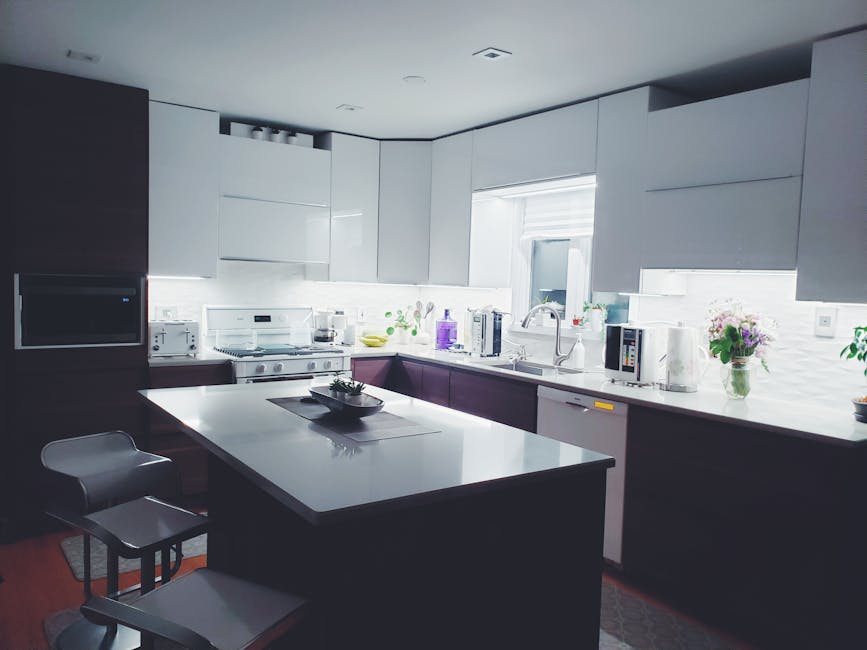

Are you dreaming of a kitchen that feels spacious and functional, even if you’re working with limited square footage? Planning a small kitchen design might seem challenging, but with a few smart strategies, you can transform your compact space into the heart of your home.
Imagine a kitchen where every inch is optimized, where style meets practicality, and where cooking becomes a joy rather than a chore. This isn't just a dream—it's entirely possible for you. By following some expert tips, you can create a space that not only looks beautiful but also caters to your unique needs.
Curious to find out how you can make the most out of your small kitchen? Keep reading to uncover the secrets that will change how you see and use your space forever.
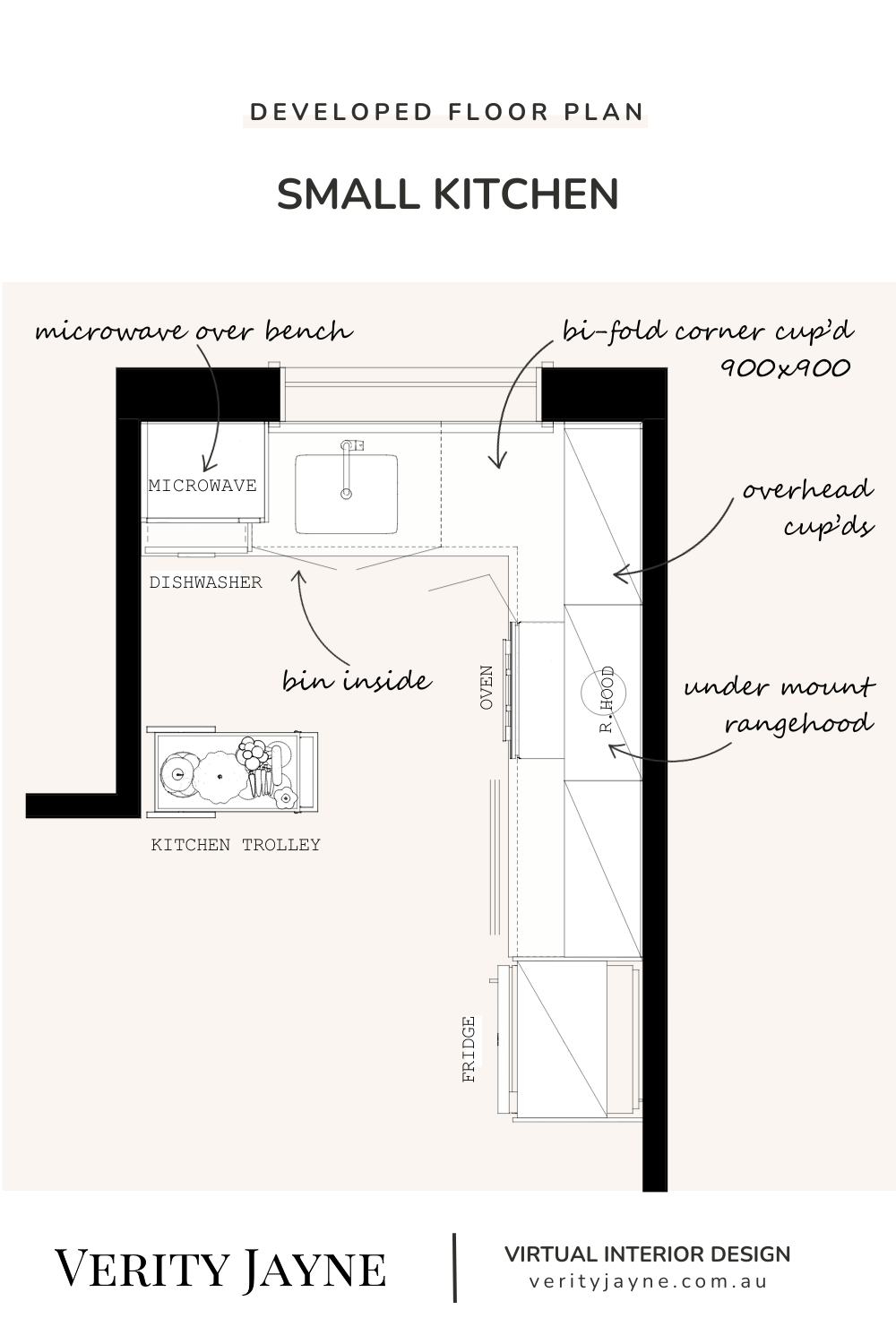
Credit: www.verityjayne.com.au
Assessing Your Space
Start by measuring your kitchen. Identify areas for storage and appliances. Think about how you use the space daily.
Planning a small kitchen design can be a rewarding endeavor. The first crucial step is assessing your space. Knowing your kitchen's dimensions and identifying key areas is essential for creating a functional and aesthetically pleasing layout. Without this foundational knowledge, you may struggle to make the best use of your limited space. Let's dive into how you can effectively assess your kitchen space for a design that truly works for you.
Measuring Your Kitchen
Accurate measurements are the backbone of any successful kitchen design. Grab a tape measure and start by recording the width, length, and height of your kitchen. Don't forget about alcoves and recesses; they can be great for additional storage or appliances. Make sure to note the location of windows and doors. They impact natural lighting and airflow, crucial aspects of a kitchen's ambiance. Consider how these elements might affect your design choices, like placing your sink near a window. Have you ever realized how a small error in measurement can lead to huge headaches later? Double-check your measurements to avoid surprises when installing cabinets or countertops.
Identifying Key Areas
Knowing where the key areas are in your kitchen can streamline your design process. Think about where you spend the most time. Is it the cooking zone, the prep area, or perhaps the dining space? Identifying these will help you prioritize your design efforts. List out the essential appliances and fixtures you need. Stove, fridge, sink—where do they fit naturally in the space? The "work triangle" concept is a time-tested layout strategy that ensures efficiency in movement between these key areas. How often do you find yourself wishing for just a bit more counter space? Consider multifunctional furniture or smart storage solutions to maximize the area you have. You might be surprised how much more room you can create with clever planning. By thoroughly assessing your space, you lay the groundwork for a kitchen design that doesn't just fit, but complements your lifestyle. So, are you ready to transform your small kitchen into a hub of functionality and style?
Prioritizing Functionality
Designing a small kitchen requires a focus on functionality. Every element should serve a purpose. A compact space needs thoughtful planning to maximize efficiency. You want to create a seamless flow in your kitchen. Prioritize what truly enhances your cooking experience.
Consider your daily routine. Identify key tasks that happen in your kitchen. This helps in making decisions that cater to your needs. Keep the essentials close and accessible. A well-organized kitchen saves time and reduces stress.
Essential Appliances
Choose appliances that fit your lifestyle. A small fridge can suffice for minimal storage needs. Opt for a compact dishwasher if you frequently cook. Choose a microwave over a bulky oven for easy heating. Multifunctional appliances are valuable in limited spaces. For instance, a toaster oven can replace a traditional oven.
Consider energy-efficient models. They save electricity and reduce bills. Ensure appliances fit well into the layout. Avoid overcrowding the countertop with gadgets. This maintains a clean and spacious feel.
Maximizing Storage
Storage is crucial in small kitchens. Use vertical space effectively with tall cabinets. Install open shelves for easy access to frequently used items. Hooks can hang pots, pans, or utensils. Drawer dividers organize cutlery and small tools neatly.
Think about hidden storage options. Under-sink cabinets can hold cleaning supplies. Pull-out racks in cupboards optimize space. Consider a rolling cart for additional mobile storage. This adds flexibility and functionality to your kitchen.
Choosing The Right Layout
Choosing the right layout for your small kitchen is a crucial step in maximizing both space and functionality. The layout sets the tone for your kitchen's efficiency and can greatly impact your cooking and dining experience. Whether you're renovating or designing from scratch, understanding the various layout options can help you make informed decisions that cater to your needs and preferences.
Galley Kitchen
Imagine a kitchen where everything is within arm's reach. The galley kitchen offers this convenience with its two parallel countertops. This layout is ideal for narrow spaces, ensuring you have enough room to move freely between workstations. Keep your cooking essentials on one side and appliances on the other. This setup minimizes unnecessary movement and allows for efficient meal preparation.
Think about your cooking style. If you prefer to have a clear path from the fridge to the stove without any obstacles, the galley kitchen provides a streamlined workflow. But, what if you love hosting dinner parties? This layout might feel cramped with more than one cook in the kitchen, so consider your social cooking habits when making your choice.
L-shaped Design
The L-shaped design is perfect for utilizing corner spaces. It creates an open environment that fosters interaction, making it a great choice for family-oriented kitchens. Place your dining table near the open end to encourage casual conversations while cooking.
Do you have a corner in your kitchen that feels neglected? An L-shaped layout turns forgotten corners into functional areas. This design allows for more creativity in organizing your kitchen tools and ingredients. But remember, while this layout offers more counter space, ensure you're not walking long distances between tasks.
U-shaped Design
If you love having ample workspace, the U-shaped design is your best bet. It surrounds you with countertops, giving you plenty of room to spread out your ingredients and equipment. This layout is perfect for passionate cooks who appreciate having everything at their fingertips.
Consider the U-shaped design if you want a kitchen that feels like a personal cooking hub. With three sides dedicated to storage and preparation, you can easily separate cooking, cleaning, and food storage zones. Just be mindful of the space in the center; it can feel a bit enclosed, so ensure it's wide enough to avoid feeling boxed in.
Choosing the right layout is more than just a technical decision. It's about aligning the space with your lifestyle. As you weigh your options, ask yourself: How do you envision spending your time in your kitchen? Your answer will guide you to a layout that supports your needs and enhances your culinary journey.

Credit: www.verityjayne.com.au
Selecting Materials And Finishes
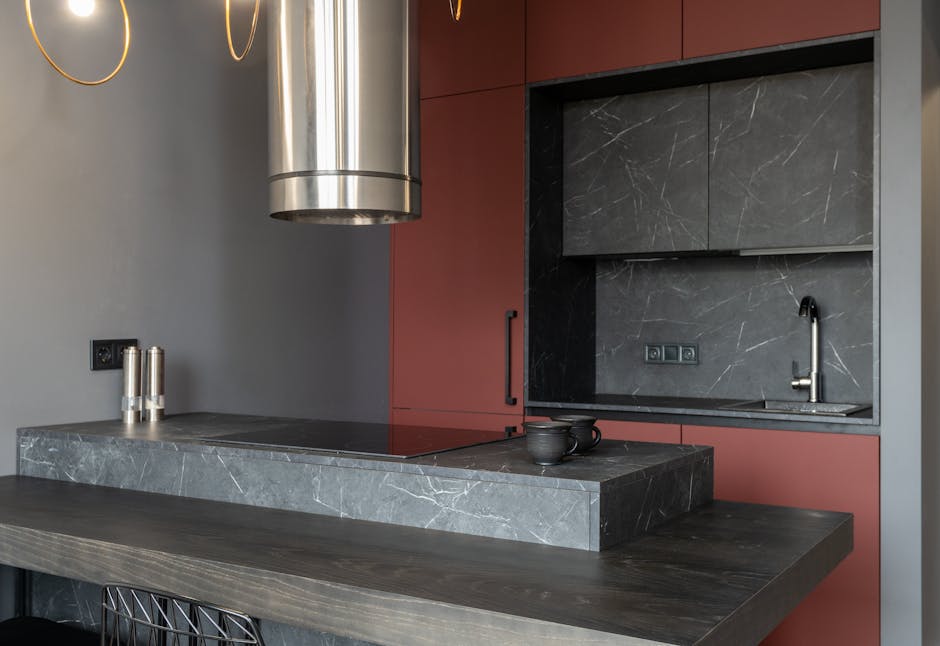
Choosing the right materials and finishes can transform a small kitchen into a functional and stylish space. Opt for durable surfaces like quartz countertops and easy-to-clean tiles to maximize efficiency. Light-colored cabinets and reflective surfaces enhance brightness, creating an illusion of more space.
Selecting the right materials and finishes shapes your small kitchen's style. Every choice impacts functionality and durability. This section covers key elements to consider. Focus on countertops, cabinets, and flooring. Ensure materials suit your lifestyle and budget.
Durable Countertops
Countertops face daily wear and tear. Choose materials that last. Granite and quartz are popular for their strength. They resist scratches and stains. Laminate offers a budget-friendly option. It comes in various designs. Solid surfaces provide seamless looks. Easy to clean and maintain. Consider your cooking habits. This helps in selecting the best fit.
Cabinet Material Choices
Cabinets define your kitchen's character. Wood is a classic choice. It offers warmth and elegance. Plywood is strong and affordable. MDF is smooth and easy to paint. For a modern touch, consider stainless steel. It's sleek and durable. Remember to think about humidity. Some materials handle moisture better.
Flooring Options
Flooring impacts the kitchen's overall feel. Tiles are a common choice. They are water-resistant and durable. Vinyl is soft underfoot. It's also easy to install. Hardwood adds warmth and beauty. It needs regular maintenance. Laminate mimics wood but costs less. Choose flooring that suits your lifestyle. Consider ease of cleaning and durability.
Incorporating Lighting Solutions
Brighten up a small kitchen with smart lighting solutions. Opt for under-cabinet lights to enhance visibility. Use pendant lights to create a cozy atmosphere above dining areas.
Incorporating lighting solutions into your small kitchen design can truly transform the space. Good lighting can make a compact area feel more spacious and welcoming. It also enhances functionality, ensuring you can see what you're doing while cooking and cleaning.
Task Lighting
Task lighting is essential in your kitchen. Think about where you prepare meals and handle most of your work. Under-cabinet lights are perfect for illuminating countertops, making chopping and measuring ingredients easier. LED strips are a cost-effective option. They are energy-efficient and come in various lengths to fit any cabinet size. Consider installing them where shadows tend to fall, like under wall-mounted shelves.
Ambient Lighting
Ambient lighting sets the mood in your kitchen. It provides overall illumination, ensuring the room is evenly lit. Ceiling fixtures such as flush mounts or recessed lights are common choices. Pendant lights over the kitchen island can add a stylish touch. Choose lights that complement the color scheme of your kitchen. Think about dimmer switches to adjust brightness levels according to your needs.
Accent Lighting
Accent lighting highlights specific features in your kitchen. It adds depth and interest by drawing attention to decorative elements. Use it to showcase a beautiful backsplash or a collection of cookbooks. Track lighting is a versatile option for this purpose. You can direct the light towards artworks or unique architectural details. It’s all about highlighting what makes your kitchen uniquely yours. Have you ever noticed how a single light fixture can change the entire vibe of a room? Consider experimenting with different types of bulbs and fixtures. It might surprise you how much impact the right lighting solution can have on your kitchen's atmosphere.

Credit: www.roomsketcher.com
Utilizing Vertical Space
Small kitchens can feel larger by using vertical space. Install shelves or cabinets up to the ceiling. Hang pots and pans to save counter space.
Planning a small kitchen design can be challenging, but utilizing vertical space can transform your space into a functional and efficient area. When space is limited, thinking upwards rather than outwards can unlock potential you might not have considered. It's about making every inch count and creating a kitchen that not only looks good but works well for you.
Open Shelving
Open shelving can be a game-changer in small kitchens. These shelves not only add a modern touch but also make it easy to access your everyday items. You can display your beautiful dishware, colorful spices, or even some greenery to add life to your kitchen. Imagine reaching for a cup of coffee in the morning and having everything you need right in front of you. This convenience is paired with a visual appeal that closed cabinets can't offer. However, be mindful of keeping things tidy as open shelves can quickly look cluttered.
Tall Cabinets
Tall cabinets are your best friends in a small kitchen. They make use of the space all the way up to the ceiling, offering more storage without taking up extra floor space. Installing these cabinets can help you store less frequently used items higher up, keeping your countertops clear. Think about those bulky kitchen gadgets or seasonal dinnerware that you don't need every day. Tall cabinets give them a home, out of sight but still accessible. This approach not only maximizes storage but also keeps your kitchen looking sleek and organized. When planning your small kitchen, don't just think about what's at eye level. Consider how vertical space can enhance both functionality and aesthetics. How will you transform your kitchen by reaching for the sky?
Adding Personal Touches
Personal touches transform a small kitchen into a cozy space. Colorful wall art or unique cookware adds character. Display favorite mugs or family heirlooms for warmth and personality.
Adding personal touches to your small kitchen design can create a cozy space. It reflects your personality and makes cooking enjoyable. A personalized kitchen can make even the smallest area feel special. Consider incorporating elements that speak to your style. This will transform your kitchen into a unique space.
Color Schemes
Choosing the right colors can set the mood. Soft, warm tones make a kitchen feel inviting. Bright colors can add energy and make a small space feel larger. Neutral palettes provide a calm backdrop for other elements. Consider using accent colors for a splash of personality. Cabinets, walls, and even appliances can reflect your chosen scheme.
Decorative Elements
Decorative items can enhance your kitchen's charm. Consider adding artwork or photos for a personal touch. Plants can bring life and freshness to the space. Use stylish storage containers to keep things organized. Displaying unique dishware can add character to open shelves. Choose decor items that make you smile and feel at home.
Budget Considerations
Planning a small kitchen design requires careful budgeting. Balancing style and function is key. You want a kitchen that feels open and efficient, without breaking the bank. Understanding budget considerations helps you make smart choices. This section focuses on cost-effective options and decisions.
Cost-effective Materials
Choosing affordable materials can save money. Laminate countertops offer style at a low cost. They mimic the look of stone or wood. Consider vinyl flooring. It's durable and budget-friendly. It comes in various designs. For cabinets, think about MDF. It's less expensive than hardwood, but still sturdy. Don't overlook recycled materials. They add character and can be cheaper.
Diy Vs. Professional Help
Deciding between DIY and hiring professionals affects your budget. DIY can save money, but requires skill. Painting cabinets or installing shelves yourself can be manageable. Yet, complex tasks need experts. Plumbing or electrical work should be done by professionals. They ensure safety and quality. Weigh the costs and benefits before choosing. Small tasks can be DIY, but know your limits.
Frequently Asked Questions
What Are The Best Small Kitchen Layouts?
The best small kitchen layouts maximize space and functionality. Consider L-shaped, galley, or U-shaped designs for efficiency. These layouts optimize workflow and storage, making cooking easier. Prioritize smart storage solutions and compact appliances to enhance usability without compromising style.
How Can I Maximize Storage In A Small Kitchen?
Maximize storage by utilizing vertical space with wall-mounted shelves and cabinets. Opt for multi-functional furniture, such as pull-out pantry units. Use drawer organizers to keep items accessible and tidy. Consider open shelving to display frequently used items, adding both practicality and visual appeal.
What Color Schemes Work For Small Kitchens?
Light color schemes make small kitchens feel spacious and airy. Whites, creams, and pastels reflect light, enhancing the sense of space. Complement these with contrasting accents, like dark countertops or vibrant accessories. Neutral tones provide a clean backdrop while allowing flexibility with decor.
How Do I Choose Small Kitchen Appliances?
Choose compact appliances designed for small kitchens. Prioritize multi-functional devices, like combination ovens and microwaves. Measure available space before purchasing to ensure a proper fit. Opt for energy-efficient models to save on utility bills and reduce your environmental footprint.
Conclusion
Creating a small kitchen design can be simple and fun. Focus on your needs. Prioritize practical storage solutions. Use light colors to open space. Choose compact appliances to save room. Incorporate multipurpose furniture for flexibility. Plan for good lighting to brighten the area.
Keep surfaces clutter-free for a clean look. Think about efficient layouts, like U-shape or L-shape. These maximize space. Remember to personalize with your favorite accents. Small kitchens can be stylish and functional. With thoughtful planning, your kitchen will be a cozy, inviting space.