Imagine unboxing your brand-new cast iron skillet, feeling the weight and durability that promises years of culinary adventures. But before you start cooking up mouth-watering meals, there's a crucial step you need to take: seasoning.
Seasoning your cast iron cookware transforms it from a raw, unfinished surface into a non-stick marvel that enhances flavors and improves with age. Have you ever wondered how professional chefs get their cast iron pans so perfectly seasoned? The secret lies in the right technique.
In this guide, you'll discover exactly how to season new cast iron cookware, ensuring it lasts a lifetime and becomes your kitchen's most trusted ally. Dive in, and learn the simple steps that will elevate your cooking experience to new heights.
:max_bytes(150000):strip_icc()/How-to-Season-Cast-Iron-Skillet-3x2-1-bcd280f1703e47e0a59bb62e86a0d53a.png)
Credit: www.allrecipes.com
Importance Of Seasoning
Seasoning cast iron cookware is crucial for its performance and durability. It creates a natural non-stick surface, making cooking and cleaning easier. A well-seasoned pan enhances flavors and retains heat efficiently. Proper seasoning prevents rust and extends the lifespan of your cookware. Investing time in seasoning ensures your cast iron serves you well for years.
What Is Seasoning?
Seasoning is the process of treating the cast iron surface. It involves applying a layer of oil and heating it. This action forms a protective coating. This coating is essential for preventing rust. It also creates a slick, non-stick surface.
Benefits Of Seasoning
Seasoning provides a natural non-stick finish. It improves the cooking experience, reducing food sticking. It also enhances the flavor of your dishes. Seasoning builds a protective barrier against moisture. This barrier helps prevent rust and damage.
How Seasoning Works
Heat transforms the oil into a polymerized layer. This layer bonds with the cast iron. It seals the surface, creating a smooth finish. The more you cook, the better the seasoning becomes. Regular use enhances the cookware's non-stick properties.
Long-term Care
Maintaining seasoning requires regular care. After each use, clean your cookware with warm water. Dry it thoroughly to prevent rust. Occasionally reapply oil to refresh the seasoning. Proper care keeps your cast iron in top condition.
Common Mistakes
Using soap can strip the seasoning. Avoid washing with harsh detergents. Metal utensils can scratch the surface. Use wooden or silicone tools instead. Storing in damp places may cause rust. Ensure your cookware is dry before storing.
:max_bytes(150000):strip_icc()/__opt__aboutcom__coeus__resources__content_migration__serious_eats__seriouseats.com__images__2016__09__20160817-cast-iron-pan-vicky-wasik-collage-1500x1125-a15711a84a054cca9268b8ddda1e5dd2.jpg)
Credit: www.seriouseats.com
Choosing The Right Oil
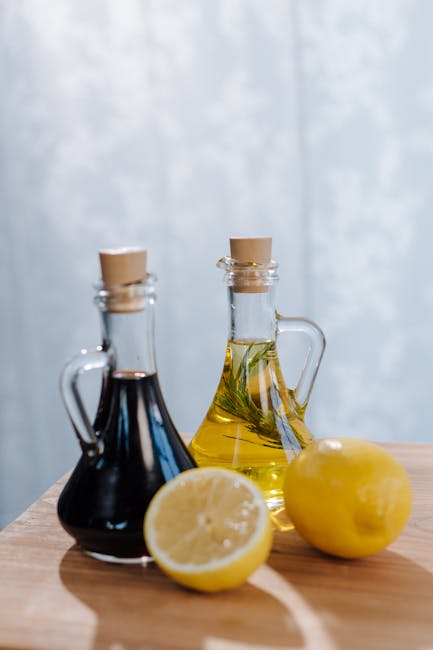
Selecting the perfect oil is key for seasoning new cast iron cookware. Opt for oils with high smoke points, like vegetable or canola oil. These oils create a smooth, non-stick surface, enhancing your cooking experience.
Seasoning new cast iron cookware is essential for creating a non-stick surface and preventing rust. One crucial step in this process is choosing the right oil. The oil you select can affect the cookware's longevity and performance. But with so many options, how do you decide which oil is the best?
Understanding Smoke Points
The smoke point of oil is the temperature at which it starts to smoke and break down. Choose an oil with a high smoke point to ensure it can withstand the heat needed for seasoning. This helps create a durable layer on your cast iron.
Common Oils Used For Seasoning
Many people use vegetable oil due to its affordability and availability. Canola oil is another popular choice because it has a high smoke point. Some prefer flaxseed oil because it polymerizes well, creating a strong coating.
Personal Experience With Flaxseed Oil
I once tried flaxseed oil for seasoning my skillet. It created a smooth, hard finish that lasted for months. The initial cost was higher, but the results were impressive.
Considering Health Factors
Think about your health preferences when selecting an oil. If you're looking for heart-healthy options, olive oil could be appealing. However, its lower smoke point makes it less ideal for seasoning.
Environmental Impact
Do you care about the environmental impact of your choices? Some oils are produced sustainably, while others are not. Research the brands and types of oils to align with your values.
Cost Vs. Benefit
Budget is a factor for many. Can you afford a pricier oil like flaxseed, or will you stick to more economical options like vegetable oil? Weigh the cost against the benefits for your cooking needs.
Trial And Error
Experiment with different oils to see which works best for you. Your cooking style, the cookware's use, and personal preference all play a role. What works for others may not be ideal for you. Choosing the right oil is a personal decision that impacts the effectiveness of your cast iron seasoning process. Which oil will you choose to ensure your cast iron lasts for generations?
Preparation Steps
Preparing new cast iron cookware for seasoning is essential. Proper preparation ensures a smooth and effective seasoning process. Follow these steps to get your cookware ready for its first seasoning. This guide will help you understand the best cleaning and drying methods for cast iron.
Cleaning The Cookware
First, remove any factory residue from the cookware. Use warm water and mild dish soap. Scrub the surface gently with a sponge. Rinse thoroughly to remove soap. Avoid using harsh chemicals or steel wool. These can damage the cast iron surface. Repeat the process if necessary. Ensure every part is clean before drying.
Drying Techniques
After cleaning, it is important to dry the cookware completely. Water can cause rust on cast iron. Use a clean, dry cloth or paper towel. Wipe the cookware until all moisture is gone. For extra drying, place it on low heat. Let it sit on the stove for a few minutes. This will ensure complete moisture removal. Now, your cookware is ready for the seasoning step.
Seasoning Process
New cast iron cookware needs seasoning for a non-stick surface. Clean it first, then apply a thin oil layer. Bake in the oven at 350°F for an hour. Cool completely before storing. This process helps protect and enhance the cookware's performance over time.
Seasoning a new cast iron cookware is a crucial step to ensure its longevity and enhance its non-stick capabilities. This process involves applying a layer of oil and heating it to create a protective coating. It's not just about maintenance; it's about transforming your cookware into a trusted kitchen ally. Imagine cooking a perfect fried egg without it sticking or easily cleaning up after a meal. Seasoning is your ticket to these cooking joys.
Applying The Oil
Start by choosing the right oil. Vegetable oil, flaxseed oil, or canola oil are great options. These oils have a high smoke point, making them ideal for seasoning. Pour a small amount of oil onto a clean cloth or paper towel. Spread it evenly across the entire surface of the cookware, including the handle and bottom. The goal is to cover every nook and cranny without leaving excess oil. Wipe off any extra oil with another clean cloth. You want a thin, even layer. Too much oil can result in a sticky surface, defeating the purpose of seasoning.
Heating In The Oven
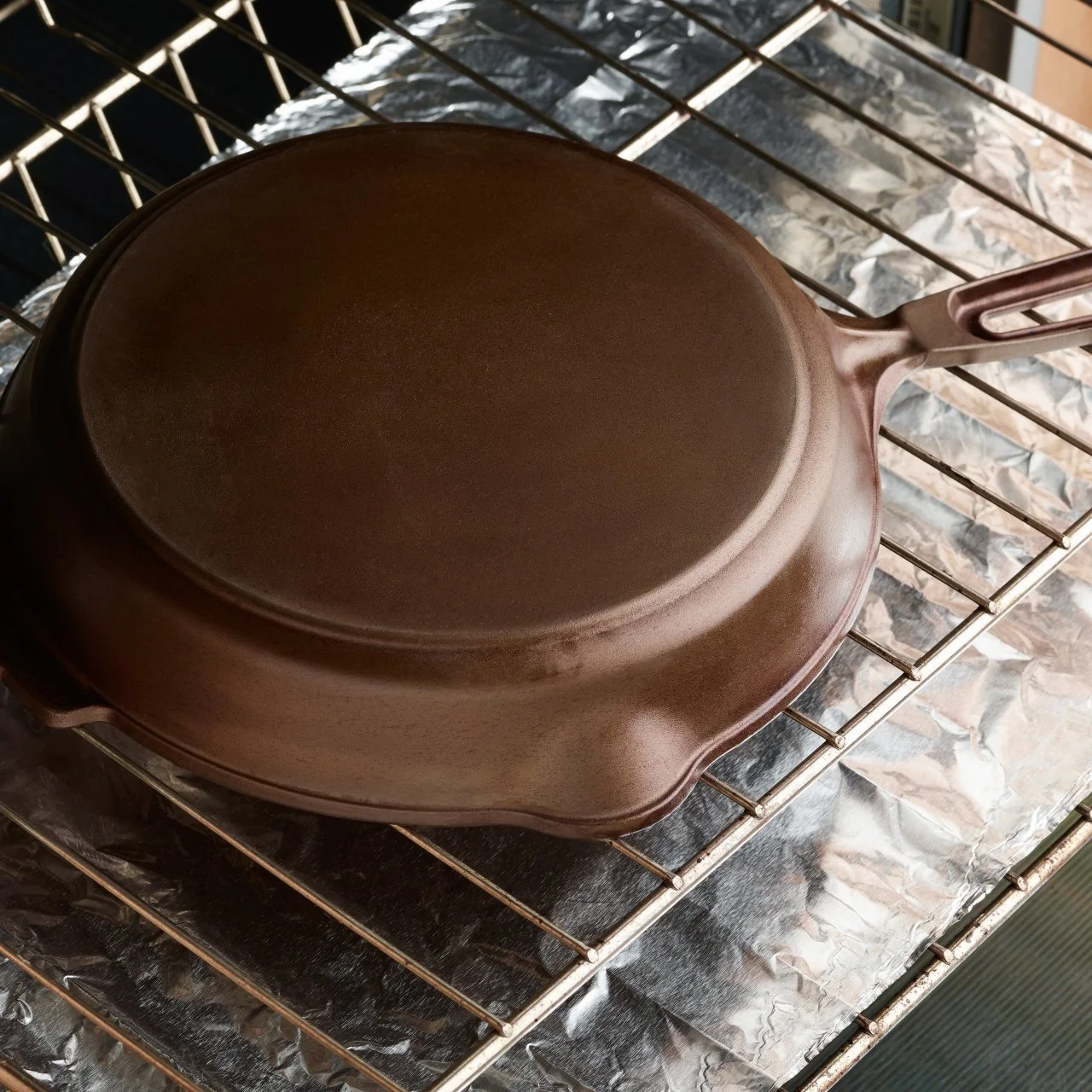
Preheat your oven to 450°F (232°C). Place a sheet of aluminum foil on the lower rack to catch any drips. Place the cookware upside down on the top rack. This position ensures that excess oil doesn't pool inside, which can cause uneven seasoning. Bake for about one hour. This step allows the oil to bond with the iron, forming a durable, non-stick layer. Turn off the oven and let the cookware cool inside. This gradual cooling helps solidify the seasoning layer. Remember the first time you seasoned a cast iron skillet? The anticipation, and then the satisfaction of seeing that glossy, black surface. It was like unlocking a new level in your cooking game. Why not relive that experience today? What if every meal cooked in your cast iron turned out perfectly? Seasoning is the key to achieving that. Give it a try and experience the difference.
Maintaining Seasoned Cast Iron
Maintaining seasoned cast iron ensures its longevity and performance. Proper care keeps your cookware non-stick and rust-free. A well-maintained cast iron enhances your cooking experience. Follow these tips to maintain your seasoned cast iron cookware.
Regular Cleaning Tips
Clean your cast iron right after use. Use warm water and a soft brush. Avoid soap, as it can strip the seasoning. If food sticks, use coarse salt to scrub gently. Rinse thoroughly and dry completely to prevent rust. After drying, apply a thin layer of oil. This keeps the surface smooth and shiny.
Avoiding Common Mistakes
Never soak your cast iron in water. This can cause rust. Avoid using steel wool or harsh scrubbing pads. They can damage the seasoning layer. Keep your cast iron away from the dishwasher. High heat and detergent can ruin the surface. Store your cookware in a dry place. Moisture can lead to rusting over time.
Troubleshooting Common Issues
Seasoning new cast iron cookware can be tricky. Issues often arise during the process. Rust and sticky residue are common problems. Don't worry, these issues are fixable. Let's explore solutions.
Dealing With Rust
Rust can form if cookware isn't dried properly. Begin by scrubbing with a steel wool pad. Remove all rust traces. Rinse and dry thoroughly. Heat the pan on the stove to ensure it's dry. Apply a thin layer of vegetable oil. Place it in the oven at 350°F for an hour. Let it cool completely in the oven. This re-seasons the pan and prevents future rust.
Handling Sticky Residue
Sticky residue can occur from excess oil. To fix this, heat the cookware on medium. The residue will loosen as it heats. Use a spatula to scrape off the residue. Wash the pan with hot water and mild soap. Dry it immediately with a towel. Apply a thin coat of oil and heat on low. This ensures even seasoning.
Benefits Of Well-seasoned Cookware
Seasoning new cast iron cookware is not just a chore. It's a simple yet crucial step that enhances your cooking experience. A well-seasoned cast iron pan offers numerous benefits that transform your meals.
Enhanced Non-stick Surface
A seasoned cast iron skillet boasts a natural non-stick surface. This prevents food from sticking and ensures easy cleaning. Eggs, pancakes, and other delicate foods cook perfectly without tearing.
Improved Flavor
The seasoning process locks in flavors. It creates a rich cooking surface that enhances the taste of your dishes. Each meal absorbs subtle notes from previous ingredients, adding depth.
Increased Longevity
Proper seasoning extends the life of your cookware. It protects against rust and damage. Regular seasoning maintains its condition, ensuring years of reliable use.
Even Heat Distribution
Seasoned cast iron distributes heat evenly. This results in uniform cooking. No hot spots or unevenly cooked food. Every inch of your pan performs consistently.
Versatile Cooking Options
A seasoned cast iron can handle diverse cooking methods. Fry, bake, sauté, or roast with ease. Its robust surface adapts to various recipes, making it a kitchen staple.
Health Benefits
Cooking with seasoned cast iron can add dietary iron. Small amounts of iron transfer to food, boosting nutrition. It’s a simple way to enhance your daily iron intake.
Cost-effective
Investing time in seasoning saves money long-term. No need for expensive non-stick pans. A single well-seasoned cast iron pan can replace multiple cookware pieces.
Credit: www.foodnetwork.com
Frequently Asked Questions
What Is The Best Oil For Seasoning Cast Iron?
The best oils for seasoning cast iron are flaxseed, vegetable, and canola oil. They create a durable, non-stick surface. Flaxseed oil is popular due to its ability to polymerize into a smooth coating. Vegetable and canola oils are affordable and readily available options.
How Often Should I Season My Cast Iron?
Season your cast iron cookware every few months for optimal performance. Regular seasoning maintains its non-stick surface and prevents rust. If you notice food sticking or dull patches, it's time for a seasoning session. A well-seasoned pan enhances cooking and extends the cookware's life.
Can I Season Cast Iron In The Oven?
Yes, you can season cast iron in the oven. This method ensures even coating and polymerization. Apply a thin layer of oil, then bake at 375°F for an hour. Let it cool in the oven to finish the process. Oven seasoning is efficient and provides great results.
What Should I Avoid When Seasoning Cast Iron?
Avoid using too much oil and uneven coating when seasoning. Excess oil leads to sticky residue and uneven seasoning. Use high-smoke-point oils like canola, flaxseed, or vegetable oil. Also, avoid using soap and harsh detergents during cleaning, as they can strip the seasoning.
Conclusion
Seasoning your new cast iron cookware is simple and rewarding. Clean it well first. Apply a thin layer of oil. Bake it in the oven for an hour. Let it cool completely. Repeat if needed for best results. This process protects your cookware.
It also enhances its non-stick abilities. Regular seasoning keeps your cast iron durable. Enjoy cooking with your well-seasoned pan. Your meals will taste even better. Happy cooking with your cast iron!