
Are you tired of seeing your once-shiny stainless steel cookware looking dull and worn out? Imagine cooking your favorite meals in pots and pans that sparkle as if they were brand new.
Stainless steel cookware is a fantastic investment for your kitchen, renowned for its durability and sleek appearance. However, without proper care, even the best stainless steel can lose its luster. But don't worry—keeping your cookware looking pristine is easier than you think! In this guide, you'll discover simple yet effective tips and tricks to maintain the beauty and functionality of your stainless steel pots and pans.
Stick with us, and you'll soon master the art of preserving that showroom shine, making every cooking experience a joy. Ready to transform your kitchen? Let's dive in!
Choosing Quality Cookware
Choosing quality stainless steel cookware ensures long-lasting performance. A wise choice leads to better cooking experiences. Stainless steel is known for its durability. It's also resistant to rust and stains. But not all cookware is made the same. It's important to pick the right one for your needs.
Quality Material Matters
High-grade stainless steel provides better heat distribution. It reduces the chances of food sticking. Look for cookware labeled 18/10. This indicates the presence of chromium and nickel. These elements enhance durability and shine. They also help in preventing rust.
Thickness Of The Cookware
Thicker cookware offers better heat retention. It results in more even cooking. Thin pans may warp under high heat. Opt for a heavy-duty base. It ensures stability and longevity. Check the weight before buying. Heavier pans often indicate better quality.
Handles And Lids
Comfortable handles make cooking easier. Look for riveted handles. They provide a secure grip. Heat-resistant handles protect your hands. Lids should fit tightly. A snug lid traps moisture. This aids in flavorful cooking.
Compatibility With Cooktops
Ensure your cookware is suitable for your cooktop. Some stainless steel works best on gas stoves. Others are designed for induction cooktops. Check the base for compatibility. It should have a magnetic layer for induction use.
Brand Reputation
Research trusted brands before purchasing. Established brands often offer better warranties. They also provide reliable customer service. Read reviews from other users. It helps in making an informed decision.
Credit: www.americastestkitchen.com
Cleaning Techniques
Stainless steel cookware is known for its durability and sleek look. Keeping it clean enhances its longevity and performance. Regular cleaning prevents food buildup and keeps your cookware looking new. Discover effective cleaning techniques to maintain your stainless steel cookware.
Daily Cleaning
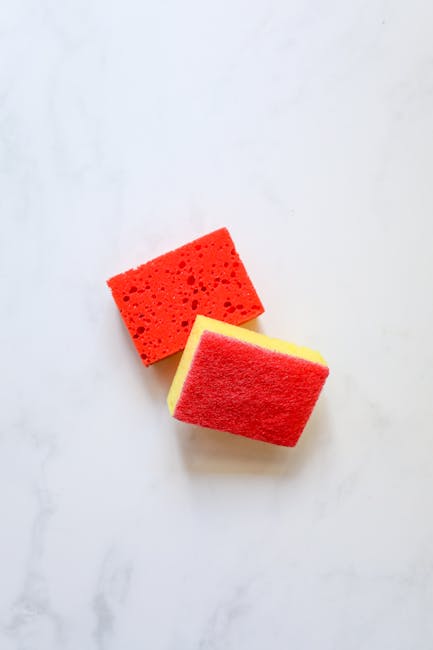
Warm soapy water works best for daily cleaning. Use a soft sponge or cloth to avoid scratches. Rinse thoroughly to remove soap residue. Dry immediately with a clean towel to prevent water spots.
Removing Stains And Discoloration
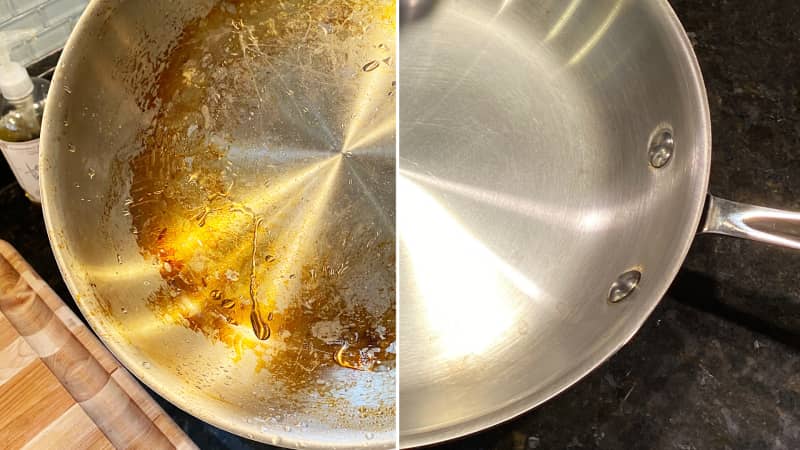
White vinegar is great for tackling stains. Mix equal parts of vinegar and water. Apply the solution to the stained areas. Leave it for a few minutes, then scrub gently. Rinse and dry thoroughly afterward.
Handling Burnt Food Residue
Stubborn burnt residue requires special attention. Fill the pot with water and add a tablespoon of baking soda. Bring it to a boil, then let it cool. Scrub the residue with a non-abrasive pad. Repeat if necessary for tough spots.
Proper Storage Tips
Stainless steel cookware stays in great condition with proper storage. Dry thoroughly to prevent water spots. Store with soft cloths between pieces to avoid scratches.
Stainless steel cookware is a fantastic addition to any kitchen, offering durability and a sleek look. However, to maintain its condition, proper storage is essential. How you store your cookware can make a big difference in its longevity and performance. By following a few simple storage tips, you can ensure your stainless steel pots and pans remain scratch-free and ready for your next culinary adventure.
Avoiding Scratches
Stainless steel is tough but not invincible. Scratches can occur if the cookware rubs against each other or other kitchen utensils. To prevent this, consider using pan protectors or soft cloths between stacked items. A friend of mine uses old dish towels as padding, which is a cost-effective and eco-friendly solution. Storing lids separately can also help. If you have limited space, try hanging them on a rack or placing them in a dedicated drawer. This not only prevents scratches but also makes it easier to find the right lid when you need it.
Stacking Safely
Stacking cookware is a common practice, especially in small kitchens. However, improper stacking can lead to damage. Always stack larger, heavier pots at the bottom with smaller, lighter pans on top. This simple practice can prevent warping and maintain the structural integrity of your cookware. If possible, store your pans vertically using a pot rack. Vertical storage is an excellent way to maximize space and keep your pots and pans easily accessible. Consider investing in a pan organizer that allows you to stack pans with minimal contact, reducing the risk of scratches. Have you ever opened your cabinet to a chaotic avalanche of pots and pans? Proper stacking not only protects your cookware but also saves you time and stress in the kitchen. Taking a few extra minutes to store your stainless steel cookware correctly can make all the difference in your cooking experience.
Credit: www.reddit.com
Cooking Practices
Maintain your stainless steel cookware by cleaning it with warm soapy water after each use. Dry thoroughly to prevent water spots. Avoid harsh abrasives to keep the surface shiny and scratch-free.
Cooking with stainless steel cookware can be a joy, but it requires some specific techniques to maintain its shine and functionality. Mastering these cooking practices can ensure your pots and pans last a lifetime. Let’s dive into some actionable tips to elevate your cooking skills with stainless steel.
Preheating Methods
Preheating is a crucial step when using stainless steel cookware. It helps in preventing food from sticking to the surface. Test the readiness by sprinkling a few drops of water—if they sizzle and evaporate quickly, you’re good to go. Always add oil after preheating. This technique ensures even cooking and enhances the food's flavor. Remember, patience is key; rushing this step might lead to less-than-perfect results.
Using Suitable Utensils
Using the right utensils can make a world of difference. Opt for silicone, wood, or stainless steel tools to prevent scratching the surface. These materials are gentle yet effective for all your stirring and flipping needs. Avoid using sharp or rough-edged utensils. They might damage the surface and compromise the cookware’s durability. Consider if your choice of utensil is cookware-friendly before diving in.
Avoiding High Heat
Stainless steel cookware doesn’t need high heat. Medium or medium-high settings are usually sufficient to achieve great results. High heat can cause food to stick and may discolor the pans over time. If you find yourself cranking up the heat out of habit, think about the impact on your cookware. Try adjusting your cooking approach to match the capabilities of stainless steel. It might surprise you how much flavor you can achieve without the need for extreme temperatures. Taking care of your stainless steel cookware through these cooking practices not only extends its life but also enhances your culinary experience. What will you try differently in your kitchen today?
Maintaining Shine And Luster
Caring for stainless steel cookware ensures it stays shiny. Clean with mild soap and soft cloth. Avoid harsh abrasives to prevent scratches. Dry thoroughly to maintain its luster.
Maintaining the shine and luster of your stainless steel cookware can seem like a daunting task, but it’s simpler than you might think. A gleaming set of pots and pans not only looks appealing but also boosts your confidence in the kitchen. Imagine effortlessly reflecting the light from your kitchen window as you prepare a delicious meal.
Polishing Techniques
Polishing your stainless steel cookware is key to keeping it looking new. Use a microfiber cloth to gently buff the surface of the pots and pans. This helps to remove fingerprints and smudges effectively. If you notice any stubborn spots, you can use a stainless steel cleaner. Always follow the grain of the steel when polishing to avoid scratching the surface. Have you ever noticed how a small effort can transform the look of your cookware?
Using Vinegar Solutions
Vinegar is a fantastic natural cleaner for stainless steel. Mix equal parts of vinegar and water in a spray bottle. Spray the solution onto the cookware and wipe it with a soft cloth. This simple solution can dissolve any mineral deposits or stains. Your cookware will look like it's fresh from the store. Are you ready to see the power of vinegar? Consider doing this once a week to maintain the cookware’s shine. Regular maintenance ensures that your pots and pans remain as the centerpiece of your kitchen. After all, who doesn't love a sparkling kitchen?
Common Mistakes To Avoid
Stainless steel cookware is popular in kitchens worldwide. It's durable and sleek. But improper care can lead to damage. Many make simple mistakes that reduce its lifespan. Recognizing these errors is crucial for maintaining its shine and effectiveness. Let's explore common mistakes and how to avoid them.
1. Using High Heat
High heat can damage stainless steel cookware. It can cause warping and discoloration. Always use medium heat for most cooking tasks. This prevents food from sticking and preserves the pan's finish.
2. Neglecting to Preheat
Skipping preheating is a common error. Cold pans can cause uneven cooking. Preheat your pan for a few minutes before adding food. This ensures even heat distribution and better results.
3. Using Metal Utensils
Metal utensils can scratch stainless steel surfaces. This affects the cookware's performance. Opt for wooden or silicone utensils instead. These materials are gentle and preserve the smooth surface.
4. Using Abrasive Cleaners
Abrasive cleaners can scratch and dull the surface. They remove the protective layer of the cookware. Use gentle dish soap and a soft sponge. This keeps the cookware looking new and shiny.
5. Not Drying Immediately
Leaving stainless steel wet can cause water spots. These spots are unsightly and hard to remove. Dry your cookware immediately after washing. This prevents spots and keeps it looking pristine.
6. Overloading the Dishwasher
Overloading can lead to scratches and poor cleaning. Stainless steel cookware is dishwasher safe, but with caution. Avoid stacking items on top of each other. This ensures thorough cleaning and prevents damage.
Handling Specific Issues
Stainless steel cookware is durable and versatile. Yet, it can face specific issues. Knowing how to handle these problems ensures longer-lasting cookware. Let's explore some common issues.
Dealing With Pitting
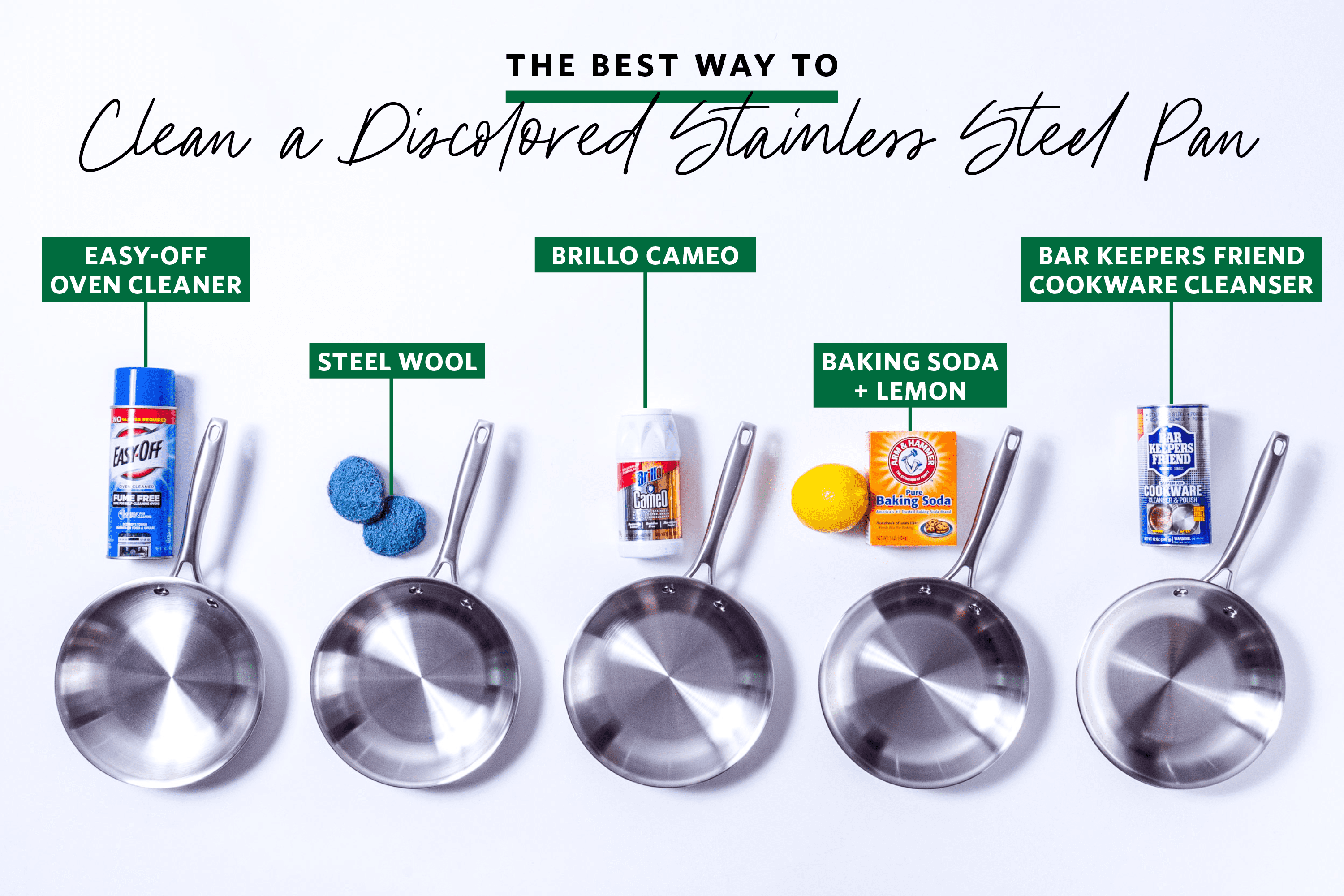
Pitting happens due to salt sitting on the surface too long. Always add salt after the water boils. This helps dissolve the salt quickly. If pitting occurs, clean with a paste of baking soda and water. Rub gently with a soft cloth. Rinse well and dry immediately. Avoid using harsh chemicals or steel wool.
Preventing Rust
Stainless steel is resistant to rust, but not immune. Always dry cookware immediately after washing. Never leave it soaking in water. Store in a dry place. If rust spots appear, scrub them with a paste of baking soda and water. Use a non-abrasive sponge for this task. Rinse thoroughly and dry with a towel.
Credit: www.thekitchn.com
Frequently Asked Questions
How Do I Clean Stainless Steel Cookware?
To clean stainless steel cookware, use warm water and mild detergent. Avoid abrasive scrubbers that can scratch the surface. For stubborn stains, a paste of baking soda and water can be effective. Rinse thoroughly and dry immediately to prevent water spots.
Can Stainless Steel Cookware Go In The Dishwasher?
Yes, most stainless steel cookware is dishwasher-safe. However, frequent dishwasher use can dull its shine over time. Hand washing is recommended for longevity. If you use a dishwasher, ensure it's properly loaded to avoid scratches.
Why Does Stainless Steel Discolor?
Discoloration in stainless steel cookware can occur due to overheating or prolonged exposure to high temperatures. This is often temporary and can be removed. Use a stainless steel cleaner or a vinegar solution to restore its appearance.
How Can I Prevent Food From Sticking?
To prevent food sticking, preheat your stainless steel cookware before adding oil or food. Ensure the oil is hot but not smoking. Stirring and monitoring the cooking temperature can also help minimize sticking and ensure even cooking.
Conclusion
Caring for stainless steel cookware is simple and rewarding. Clean it regularly to keep it shining. Dry the cookware immediately to prevent spots. Use gentle cleaners to avoid scratches. Store your cookware carefully to extend its life. With these easy steps, your cookware stays beautiful and functional.
Enjoy cooking with durable stainless steel every day. It’s worth the effort to maintain its beauty and usefulness. Happy cooking in your kitchen with cookware that lasts! Keep these tips handy for a lifetime of cooking joy. Stainless steel cookware is an excellent kitchen companion.