Ever walked into your kitchen and felt overwhelmed by the stubborn grease on the stove or the sticky spots on the countertop? You’re not alone.
Keeping your kitchen spotless can seem like an uphill battle. But what if I told you there’s a simple tool that can make your cleaning routine a breeze? Kitchen cleaner spray is your secret weapon. It’s not just about getting rid of grime; it’s about transforming your space into a pristine, inviting haven.
Imagine effortlessly wiping away messes and revealing sparkling surfaces beneath. Curious about how to master this tool for a cleaner kitchen? Stick around, because we’re about to dive into the ultimate guide to using kitchen cleaner spray effectively. Your kitchen’s makeover starts here!

Credit: theelemstore.com
Choosing The Right Kitchen Cleaner
Choosing the right kitchen cleaner can make all the difference in maintaining a sparkling, hygienic space. With so many options available, how do you decide which cleaner is best suited for your needs? The answer lies in understanding the various types of kitchen cleaners, considering eco-friendly alternatives, and evaluating budget-friendly choices. Let’s dive into these aspects to help you make an informed decision.
Types Of Kitchen Cleaners
Kitchen cleaners come in various forms. You’ll find sprays, wipes, and even concentrated liquids. Each serves a unique purpose. Sprays are ideal for quick, easy application on surfaces. Wipes offer convenience for quick touch-ups and liquid concentrates can tackle stubborn grime when mixed correctly.
Think about the surfaces you need to clean. For countertops, sprays are often your best bet. On the other hand, liquids might be more effective for floors. If you’ve ever found yourself scrubbing endlessly, consider switching to a cleaner designed specifically for your surface type.
Eco-friendly Options
More people are becoming environmentally conscious with their cleaning choices. Eco-friendly cleaners are made from natural ingredients and are free from harsh chemicals. They’re gentle on both your surfaces and the planet.
Look for labels that indicate biodegradable ingredients. Brands like Method or Seventh Generation offer effective cleaning solutions that are kind to the environment. You might be surprised at how well these natural products perform, rivaling their chemical-laden counterparts.
Budget-friendly Choices
High-quality cleaning doesn’t have to break the bank. Many budget-friendly options offer excellent performance without a hefty price tag. Store brands often provide cost-effective solutions without compromising on quality.
Consider buying in bulk or during sales to save money. Generic brands can be just as effective as name brands. If you’ve been spending a fortune on cleaning supplies, it might be time to explore these affordable alternatives.
In your quest for the perfect kitchen cleaner, what matters most to you? Is it efficiency, eco-friendliness, or cost? Whatever you choose, ensure it aligns with your cleaning needs and lifestyle. A cleaner kitchen is just a spray away!

Credit: www.amazon.com
Preparation Before Cleaning
Start by gathering all necessary cleaning supplies, including gloves and a kitchen cleaner spray. Clear the countertops of any items. This ensures easy access to surfaces. Shake the spray bottle well to mix the contents. Test a small area first to ensure compatibility with the surface.
Preparation Before Cleaning Before diving into the cleaning process, it's crucial to prepare properly. Imagine the satisfaction of a sparkling kitchen, free of grime and grease. Achieving this requires a bit of groundwork. Ever started cleaning only to realize you're missing supplies? Or perhaps you're overwhelmed by fumes because you forgot to open a window. Let’s make sure that doesn’t happen.
Gathering Necessary Supplies
Start by assembling all the tools you need. Kitchen cleaner spray is your main weapon, but consider a few extras like microfiber cloths, scrub brushes, and gloves. Organize these items in a caddy or basket to avoid running back and forth. This not only saves time but keeps you focused. Do you have a favorite scrub brush? Use it to tackle those stubborn spots. Personalize your cleaning kit to suit your needs.
Safety Precautions
Safety should never take a backseat. Check the cleaner's label for instructions or warnings. Wear gloves to protect your skin, especially if it's sensitive. Avoid mixing different cleaners. This can produce harmful fumes or reduce effectiveness. Is there a safety tip you've overlooked in the past? Make a note of it and prioritize safety this time around.
Ventilation Importance
Ventilation is key to a safe and pleasant cleaning experience. Open windows or doors to let fresh air in. Use a fan if you have one, to disperse fumes quickly. Consider the airflow in your kitchen. Is it adequate? Fresh air not only clears fumes but can make the task less daunting. Preparation is half the battle. A well-prepared approach makes the cleaning process smoother and more effective. What steps do you often miss? Reflect on them and enhance your routine.
Effective Cleaning Techniques
Spray kitchen cleaner directly onto surfaces like counters and stovetops. Wipe with a clean cloth or sponge. Ensure all areas are dry after cleaning to prevent residue.
Cleaning your kitchen efficiently involves more than just spraying and wiping. Understanding effective cleaning techniques can save you time and effort while ensuring every surface sparkles. Whether you're dealing with countertops, appliances, or stubborn stains, using the right methods is key. Let's dive into some practical approaches that will transform how you use your kitchen cleaner spray.
Spraying Method
The way you spray your cleaner can make a big difference in the results. Hold the bottle about six inches from the surface for even coverage. This ensures the cleaner is distributed properly without wasting product. Think about the motion you use when spraying. A sweeping motion helps cover larger areas quickly and evenly. It's also a good idea to let the cleaner sit for a minute or two before wiping, allowing it to break down grime effectively.
Surface-specific Tips
Not all surfaces are created equal. For stainless steel appliances, spray the cleaner onto a cloth instead of directly on the surface. This prevents streaks and protects the finish. For countertops, consider the material. For instance, granite and marble may require a pH-balanced cleaner to avoid damage. Always check the cleaner's label to ensure compatibility with your surfaces.
Tough Stain Solutions
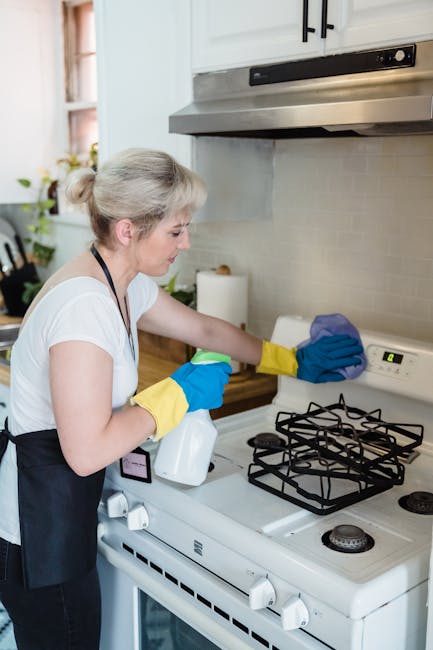
Dealing with tough stains can be frustrating, but there are solutions. For burnt food on stovetops, spray the cleaner and let it soak for a few minutes. Use a scrub brush or sponge to gently lift the stain without scratching. For sticky messes, use a combination of the cleaner and a little elbow grease. Spray, let it sit, and scrub with a microfiber cloth. It's satisfying to see the stain disappear with a bit of persistence. Have you ever wondered if you're truly getting the most out of your kitchen cleaner spray? Experiment with these techniques and see the difference they make in your cleaning routine. Your kitchen will thank you.

Credit: m.youtube.com
Maintaining Kitchen Surfaces
Maintaining kitchen surfaces is essential for a clean and hygienic cooking space. Regular care keeps countertops and appliances in top condition. Using kitchen cleaner spray simplifies this task, ensuring surfaces are free from grease and grime. Explore effective routines for daily cleaning, weekly deep cleans, and protecting your kitchen surfaces. This guide provides practical tips for using cleaner spray efficiently.
Daily Cleaning Routine
A daily cleaning routine prevents dirt build-up. Begin by clearing the countertop of any items. Spray the cleaner evenly over the surface. Use a clean cloth to wipe away spills and crumbs. Focus on areas near the sink and stove. These spots often collect grease. Ensure the cloth reaches corners and edges. Finish by buffing the surface dry. This daily habit maintains a spotless kitchen.
Weekly Deep Clean
Weekly deep cleaning tackles stubborn stains. Start by removing all countertop items. Spray cleaner generously on surfaces. Let the cleaner sit for a few minutes. This time helps break down tough grime. Use a scrub brush for stubborn spots. Pay attention to appliances like the stove and fridge. These areas need extra care. Wipe down surfaces with a damp cloth afterward. Finish by drying with a clean towel. This routine ensures deep sanitation.
Protecting Countertops And Appliances
Protecting countertops and appliances extends their lifespan. Always use the right cleaner for your surface type. Avoid harsh chemicals that might damage finishes. Regularly inspect appliances for dirt or residue. Spray cleaner on a cloth before wiping sensitive areas. This method prevents excess moisture. Use gentle strokes to avoid scratches. Regular care preserves the kitchen's appearance and functionality.
Common Mistakes To Avoid
Using kitchen cleaner spray is essential for maintaining hygiene. But, many make common mistakes that can reduce its effectiveness. Learning about these errors can help you clean better and safer. Below are some common mistakes to avoid.
Overusing Cleaner Spray
Spraying too much cleaner is a frequent mistake. People think more cleaner means better cleaning. But that's not true. Excessive spray can leave sticky residue. It can also be wasteful. Use just enough to cover the surface. This ensures efficiency and saves money.
Incompatible Surfaces
Not all surfaces are compatible with every cleaner. Some sprays can damage delicate surfaces. For instance, natural stone or wood may react badly. Always read the label before use. Test a small area first. This prevents costly damage to your kitchen surfaces.
Neglecting Residue Removal
Many forget to wipe away cleaner residue. This is a vital step in cleaning. Leaving residue can attract dirt. It can also cause streaks or dull the surface. Always finish by wiping with a damp cloth. This ensures a sparkling clean kitchen.
Storage And Disposal Tips
Proper storage and disposal of kitchen cleaner spray ensure safety and sustainability. This is important for maintaining a clean and healthy environment. Correct practices prevent accidents and contribute to environmental health. Learn how to store and dispose of kitchen cleaner spray responsibly.
Proper Storage Practices
Store kitchen cleaner spray in a cool, dry place. Keep it away from direct sunlight. Sunlight can degrade the chemicals. Ensure the cap is tightly closed to prevent leaks. Keep it out of reach of children and pets. Use a locked cabinet if necessary. Label the container with purchase and expiry dates. This helps track its usability and safety.
Safe Disposal Methods
Check the cleaner's label for disposal instructions. Many products provide specific guidelines. Do not pour leftover cleaner down the drain. It can harm aquatic life. If no instructions are provided, contact local waste management. They guide on proper disposal methods. Use designated hazardous waste facilities for disposal.
Recycling Considerations
Recycle the cleaner spray bottle if possible. Check the recycling code on the bottle. Many plastic containers are recyclable. Rinse the bottle thoroughly before recycling. Remove any labels or stickers. They can interfere with the recycling process. Consult local recycling programs for specific guidelines. They might have special requirements for recycling cleaning products.
Frequently Asked Questions
What Surfaces Can Kitchen Cleaner Spray Be Used On?
Kitchen cleaner spray is versatile and can be used on countertops, stovetops, sinks, and appliances. Ensure the surface is not sensitive to chemicals. Always check the label for specific usage instructions to avoid damage. It's ideal for removing grease, grime, and food residues efficiently.
How Often Should I Use Kitchen Cleaner Spray?
Use kitchen cleaner spray daily or after cooking to maintain cleanliness. Regular use prevents buildup of grease and grime. For high-traffic areas like countertops, frequent cleaning ensures hygiene and prevents bacteria growth. Adjust frequency based on your cooking habits and kitchen activity levels.
Is Kitchen Cleaner Spray Safe For Food Contact Surfaces?
Most kitchen cleaner sprays are safe for food contact surfaces when used correctly. Follow instructions to ensure safety. Rinse surfaces with water after applying the cleaner. Always choose a product labeled safe for food contact to avoid contamination and ensure family safety.
Can Kitchen Cleaner Spray Remove Tough Stains?
Yes, kitchen cleaner spray can tackle tough stains effectively. Apply directly to the stain and let it sit for a few minutes. Scrub gently with a cloth or sponge. For stubborn stains, repeat the process. Choose a cleaner specifically formulated for tough stains for best results.
Conclusion
Using kitchen cleaner spray can keep your cooking space fresh. Always read the label first. Follow the instructions carefully for best results. Spray the cleaner on surfaces needing attention. Wipe with a clean, damp cloth to remove dirt. Repeat as needed for stubborn spots.
Remember, safety comes first. Use gloves if your skin is sensitive. Keep the kitchen cleaner spray out of children's reach. A clean kitchen is a happy kitchen. With these tips, you’ll enjoy a spotless cooking space. Happy cleaning!