
Are you standing in your kitchen, staring at your cookware, and wondering just how safe it really is? If you're like many home chefs, you're probably concerned about the materials used in your pots and pans and how they might affect your health.
Enter Caraway cookware, a brand that’s been making waves with promises of non-toxic, environmentally friendly products. But is Caraway cookware safe for you and your family? Before you make your next culinary masterpiece, let's explore what makes Caraway unique and whether it truly lives up to its health-conscious claims.
Stick with us, and you’ll discover everything you need to know to make an informed decision about your kitchen essentials.
Caraway Cookware Materials
Caraway cookware uses ceramic-coated aluminum, known for being safe and non-toxic. Free from harmful chemicals like PTFE and PFOA, it offers peace of mind while cooking. This makes Caraway a popular choice for health-conscious individuals.
Caraway Cookware has gained popularity for its safe and eco-friendly design. Many people are curious about the materials used in this cookware. Understanding these materials can help you make an informed choice for your kitchen.
Construction And Composition
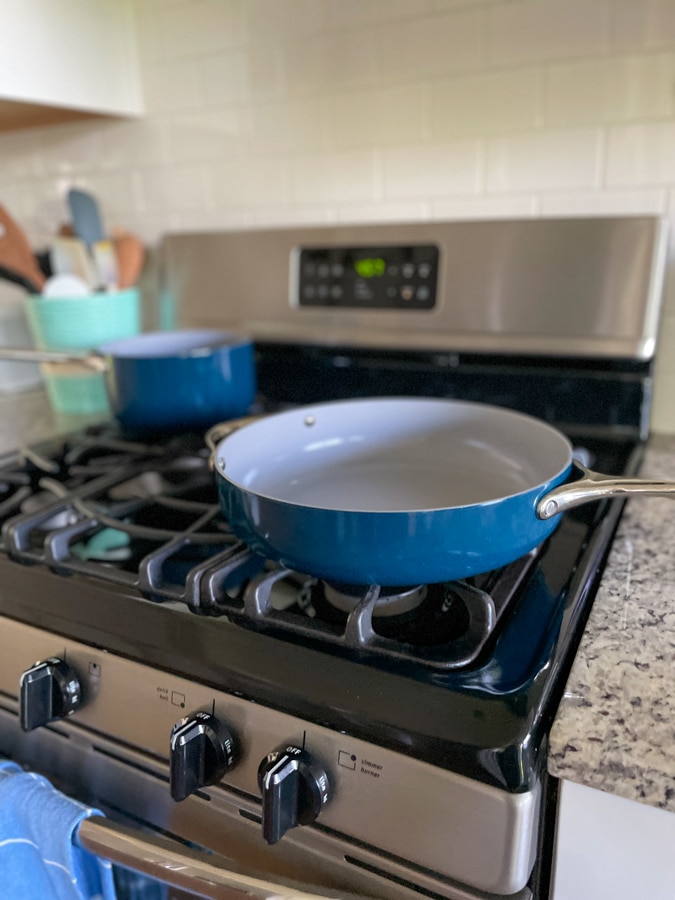
Caraway Cookware boasts a strong and durable construction. It uses high-quality ceramic to ensure even heat distribution. This ceramic is free from harmful chemicals like lead and cadmium. The core is made from aluminum, which provides excellent heat conductivity. This ensures your food cooks evenly without hot spots. The handles are stainless steel, providing a secure and comfortable grip. This combination of materials makes Caraway both practical and reliable.
Non-toxic Coating
The non-toxic coating is a key feature of Caraway Cookware. It uses a mineral-based ceramic coating, free of PTFE and PFOA. These chemicals are often found in traditional non-stick pans. Caraway's coating is safe for your family and the environment. It provides a smooth, non-stick surface without harmful fumes. You can cook with less oil, making your meals healthier. The coating is also easy to clean, saving you time and effort. This non-toxic feature makes Caraway a top choice for health-conscious cooks.
Health Benefits
Caraway cookware is gaining attention for its health benefits. Many people are curious if this cookware is safe. The good news is that Caraway cookware offers chemical-free cooking. This makes it a healthy choice for many households.
Chemical-free Cooking
Caraway cookware is free from harmful chemicals. Traditional non-stick pans use chemicals like PTFE and PFOA. These chemicals can release toxins at high heat. Caraway cookware uses a mineral-based coating. This coating does not release harmful fumes. Cooking with Caraway is safe for you and your family.
Environmental Impact
Caraway cookware helps protect the environment. Its mineral-based coating is eco-friendly. This cookware is also produced using sustainable practices. It reduces waste and pollution. Choosing Caraway is a step towards a healthier planet. You can cook safely and support the environment.
Potential Risks
When considering new cookware, the safety of Caraway cookware is a common concern. While many users rave about its non-stick properties and sleek design, it's important to be aware of potential risks. By understanding these risks, you can make an informed decision that aligns with your cooking needs and lifestyle.
Durability Concerns
Durability is a key factor to consider with any cookware. Caraway, like other non-stick cookware, may face wear and tear over time. You might notice scratches or chips if you use metal utensils, which can affect its non-stick performance.
Think about how often you cook and what type of utensils you use. If you frequently use high-heat cooking or metal spatulas, this may reduce the lifespan of your Caraway cookware. Switching to silicone or wooden utensils can extend its durability.
Heat Resistance Limits
Heat resistance is another crucial aspect of cookware safety. Caraway cookware is designed for moderate heat, but exceeding recommended temperatures may cause damage. This can lead to discoloration or even compromise the non-stick surface.
Consider your cooking habits. Do you often sear meats at high temperatures, or do you prefer slow cooking? Understanding the heat limits of Caraway can help you adjust your cooking methods for better results.
Have you ever tried to push the limits of your cookware, only to end up with a smoky kitchen? It's a learning curve many of us face. Recognizing these heat resistance limits will not only protect your kitchen but also enhance your cooking experience.
Ultimately, knowing these potential risks empowers you to make better choices. What steps will you take to ensure your cookware lasts longer and stays safe?
Credit: www.katheats.com
Comparing Alternatives
Exploring cookware options? Caraway cookware offers a non-toxic and eco-friendly choice. Its ceramic coating ensures safety and easy cleaning. Perfect for everyday cooking without harmful chemicals.
When considering cookware for your kitchen, safety is paramount. Caraway Cookware has gained popularity for its non-toxic properties, but how does it compare to other alternatives? Whether you're a seasoned chef or a cooking enthusiast, understanding the differences between Ceramic Cookware and Teflon and Non-Stick Options can help you make an informed choice. Let's dive into the details and see how each stands up in terms of safety and performance.
Ceramic Cookware
Ceramic cookware is a favorite for its aesthetic appeal and natural non-stick surface. It's made from clay and other natural materials, which are baked at high temperatures to form a solid, durable finish. This method avoids the use of harmful chemicals like PTFE and PFOA, commonly found in other non-stick coatings. One thing to note is that ceramic coatings can wear down over time. If you're someone who cooks daily, you may notice a decrease in performance after a couple of years. Also, sudden temperature changes can cause cracking. Think about your cooking habits and whether you need a resilient option.
Teflon And Non-stick Options
Teflon has long been a staple in many kitchens due to its excellent non-stick properties. This makes cooking and cleaning a breeze, but safety concerns have been raised about the chemicals used in its production. PTFE and PFOA, found in Teflon, can release toxic fumes at high temperatures. These fumes are harmful to both humans and pets, particularly birds. If you love frying and often use high heat, consider this risk. The convenience of Teflon is undeniable, but safety shouldn't be compromised. Some manufacturers offer PTFE-free non-stick alternatives, which might be worth exploring if Teflon concerns you. So, what matters most to you when selecting cookware? Safety, longevity, or perhaps the ease of cleaning? Your choice can greatly affect your cooking experience and health. By comparing these alternatives, you can find cookware that aligns with your values and needs.
User Experiences
Caraway cookware is safe for everyday cooking. Made with non-toxic materials, it avoids harmful chemicals. This ensures healthy meals for families.
When it comes to kitchen essentials, safety is a top concern. Many home cooks are turning to Caraway cookware for its non-toxic promise. But how do these pots and pans perform in real kitchens? User experiences offer valuable insights, helping you decide if Caraway is right for your culinary needs.
Customer Reviews
Customer reviews are a goldmine of information. Many users rave about the sleek design and vibrant colors of Caraway cookware. A pop of color can add excitement to your kitchen, but the real question is about safety and performance. Some customers appreciate the absence of harmful chemicals. They feel safer cooking for their families. You might wonder if this feature sacrifices any cooking performance. Not all reviews are glowing. Some users note that the non-stick coating wears off after months of regular use. It's important to consider how often you'll use the cookware and for what types of dishes.
Real-world Performance
Real-world performance can differ from what you see in ads. One user shared that even when they accidentally left the pan on high heat, it didn’t release any toxic fumes. This reassured them about the cookware’s safety claims. Another user found that cleanup was a breeze. Without the need for harsh scrubbing, they felt more inclined to cook at home. Could easy maintenance encourage you to explore new recipes? However, a few users found the cookware less effective for high-heat searing. If you love a good steak, you may need to weigh this against other benefits. Does the non-toxic promise outweigh the need for perfect searing in your kitchen? User experiences highlight both strengths and limitations. They offer a practical look at how Caraway cookware might fit into your lifestyle. What matters most to you when choosing cookware?
Care And Maintenance
Caraway cookware offers a blend of style and functionality. To maintain its non-stick surface and vibrant look, proper care and maintenance are essential. This ensures long-lasting use and optimal performance in your kitchen. Below are some key tips to help you maintain your Caraway cookware effectively.
Cleaning Tips
To clean Caraway cookware, always allow it to cool completely. This prevents warping and damage. Use mild dish soap and a soft sponge to wash. Avoid abrasive scrubbers as they can scratch the surface. For stubborn stains, soak the pan in warm water before washing. A baking soda paste can also help with tough spots.
Storage Recommendations
Store Caraway cookware in a cool, dry place to maintain its quality. Use protective pads or cloths between stacked pans. This prevents scratches and dents. Avoid nesting heavy pots directly on top. Hanging your cookware is another great option. It saves space and keeps them accessible.
Expert Opinions
When considering the safety of Caraway cookware, expert opinions matter. Professionals in the culinary and health fields provide valuable insights. Their thoughts offer a deeper understanding. Let's explore what chefs and health experts have to say.
Chef Insights
Chefs appreciate cookware that performs well. They value Caraway for its even heat distribution. This ensures a consistent cooking experience. Many chefs highlight its non-stick surface. It reduces the need for excess oil. This makes cooking healthier and easier. Chefs also note the cookware's modern design. It adds elegance to any kitchen setting.
Health Expert Views
Health experts focus on materials used in cookware. Caraway is free from harmful chemicals. This includes Teflon, lead, and cadmium. Experts appreciate this safety aspect. It aligns with healthy cooking practices. They emphasize the importance of toxin-free cooking surfaces. This reduces the risk of chemical exposure in food. Health experts find Caraway a safe choice for families.

Credit: www.amazon.com

Credit: prudentreviews.com
Frequently Asked Questions
What Materials Are Used In Caraway Cookware?
Caraway cookware is crafted from ceramic-coated aluminum. This ensures a non-toxic surface free from Teflon, lead, and heavy metals. The ceramic coating provides excellent heat distribution and easy cleaning. It's designed to offer a healthy cooking experience without harmful chemicals, making it a safe choice for your kitchen.
Is Caraway Cookware Oven Safe?
Yes, Caraway cookware is oven safe up to 550°F. This makes it versatile for various cooking methods, including baking and roasting. The cookware's durable construction ensures it withstands high temperatures without degrading. Always check specific product guidelines for best practices to ensure safety and longevity.
Does Caraway Cookware Have Non-stick Properties?
Caraway cookware features a naturally slick ceramic surface. This non-stick coating allows for reduced oil use and easy food release. The ceramic material ensures that foods glide off effortlessly, making cooking and cleaning a breeze. It offers a healthier alternative to traditional non-stick pans containing PTFE or PFOA.
How Do I Clean Caraway Cookware?
Clean Caraway cookware with warm, soapy water and a soft sponge. Avoid using abrasive cleaners or metal utensils, as they may damage the ceramic coating. The non-stick surface allows for easy food residue removal. Regular gentle cleaning ensures the longevity and effectiveness of the cookware's non-toxic surface.
Conclusion
Caraway cookware offers a safe cooking option. Made without harmful chemicals. Its non-stick surface is easy to clean. Many enjoy its stylish design too. Health-conscious individuals often choose Caraway. It's durable and long-lasting. Cooking becomes easier with such reliable tools.
Always check product details before buying. Reviews can guide your decision. Consider your cooking needs and preferences. Safety in the kitchen matters. With Caraway, many feel confident. Enjoy safe and healthy cooking experiences.