
Have you ever stood in the kitchen, holding a shiny new pan, and wondered if it's truly safe for your family? With so many cookware options on the market, choosing the right one can be overwhelming.
Ceramic coated cookware has quickly gained popularity, promising a non-stick experience without the potential risks associated with traditional non-stick pans. But, is ceramic coated cookware really safe for you and your loved ones? Before you heat up that pan for your next meal, it's crucial to understand what you're cooking with.
Your health and peace of mind are worth it. We'll dive into the facts, myths, and expert opinions surrounding ceramic coated cookware. By the end, you'll have a clear understanding of whether this trendy kitchenware deserves a place in your home. Let's uncover the truth together, so you can make informed decisions for your kitchen and your health.
Ceramic Coating Basics
Ceramic coating is a popular choice in cookware today. It offers a sleek appearance and non-stick surface. This type of cookware is often praised for its safety features. Before diving deeper, it's important to understand the basics of ceramic coating.
What Is Ceramic Coating?
Ceramic coating is made from inorganic materials. The base is usually a metal. A layer of ceramic is applied to this base. This creates a smooth cooking surface. It is designed to prevent food from sticking.
How Is Ceramic Coating Applied?
The process involves spraying or dipping. The ceramic layer is applied evenly. It is then baked at high temperatures. This hardens the coating and ensures durability. The result is a resilient non-stick surface.
Benefits Of Ceramic Coated Cookware
Ceramic coatings are free from harmful chemicals. They are often PFOA and PTFE free. This makes them a safer option for cooking. They also provide easy food release. Cleaning up is a breeze due to the non-stick nature.
Durability Of Ceramic Coating
Ceramic coating is known for its strength. It resists scratches and abrasions well. Proper care can extend its lifespan. Avoid using metal utensils to prevent damage. Hand washing is recommended to maintain the coating.
Environmental Impact
Ceramic coatings are eco-friendly. They do not emit harmful fumes. Manufacturing processes are often more sustainable. Choosing ceramic coated cookware can be a greener choice. It supports a healthier environment.

Credit: documentingsimpleliving.com
Common Myths
When you consider upgrading your kitchenware, ceramic-coated cookware might catch your eye due to its sleek design and non-stick properties. But is it safe? There's a lot of information floating around, and unfortunately, some of it is based on myths. Let's debunk some of these common myths that might be holding you back from making a confident decision.
Myth Of Toxicity
Many believe ceramic-coated cookware is toxic, fearing harmful chemicals may seep into food. The truth is, ceramic coatings are generally free from PTFE and PFOA, chemicals found in traditional non-stick pans. You can cook your meals without worrying about chemical contamination.
Have you ever hesitated to use a new pan because of health concerns? You're not alone. It's reassuring to know that ceramic coatings are designed to be safe for cooking at high temperatures.
Durability Concerns
Some argue that ceramic-coated cookware lacks durability. They expect it to chip or scratch easily. In reality, these coatings are quite robust if you maintain them properly. Avoid using metal utensils, and your cookware will serve you well for years.
Remember the time you accidentally scratched your favorite pan? With ceramic, a bit of care ensures longevity. Treat it kindly, and it won't let you down.
Heat Resistance Issues
Another myth is that ceramic-coated cookware can't handle high heat. This isn’t entirely accurate. While it's best not to expose them to extreme temperatures, they can withstand typical cooking conditions. Just keep an eye on the heat settings.
Think about your cooking habits. Do you often crank up the heat to speed things up? With ceramic cookware, a moderate flame ensures even cooking without damaging the coating.
As you explore ceramic-coated cookware, question these myths. You may find that they’re more about misconceptions than reality. What experiences have you had with kitchen myths? Share your thoughts in the comments below!
Safety Standards
Ceramic coated cookware offers a safe cooking experience when used correctly. Its non-stick surface reduces the need for excessive oils. Ensuring proper care, such as avoiding metal utensils, can prolong its lifespan and maintain safety standards.
When it comes to choosing cookware, safety is often a top concern. You want to ensure that the materials you use in your kitchen are not only effective but also safe for your family. Ceramic coated cookware has become a popular choice for many due to its non-stick properties and aesthetic appeal. But how safe is it really? Let’s explore the safety standards that ensure ceramic coated cookware is a reliable option for your kitchen.
Regulatory Compliance
Ceramic coated cookware must adhere to strict regulatory guidelines to be deemed safe for use. In many countries, organizations like the Food and Drug Administration (FDA) or the European Food Safety Authority (EFSA) set these standards. They ensure that cookware does not release harmful chemicals into your food. Have you ever wondered why some cookware brands are more expensive? Often, it's because they invest in rigorous testing to meet these safety standards. As a consumer, checking for certifications from recognized bodies can give you peace of mind.
Material Composition
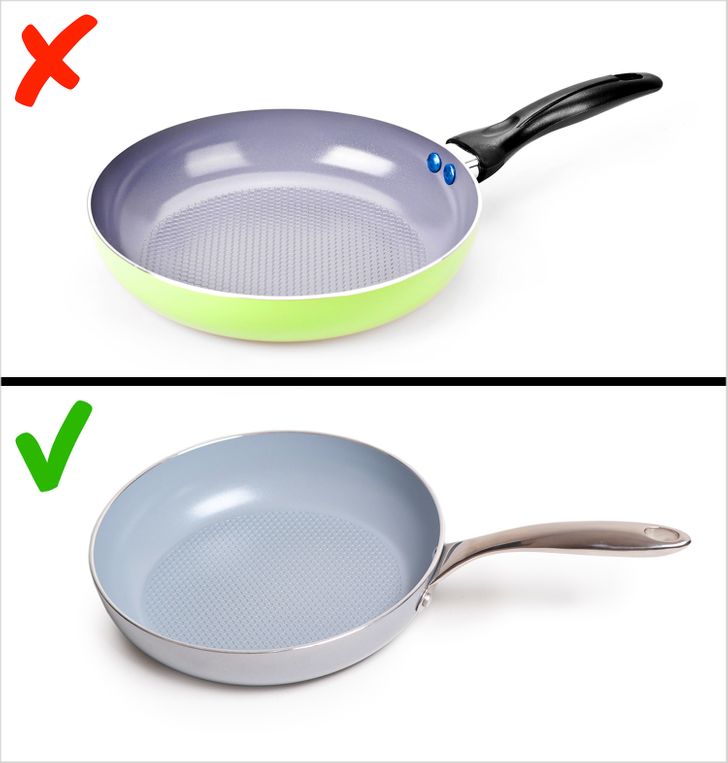
Understanding what goes into your cookware is crucial. Ceramic coatings are typically made from a layer of silica-based gel. Unlike Teflon, they do not contain PTFE or PFOA, chemicals that have raised health concerns in the past. This makes them a safer choice for many households. However, not all ceramic coatings are created equal. Some cheaper versions may still contain traces of harmful substances. It's always wise to research and choose brands that are transparent about their material composition. Next time you're shopping for cookware, consider asking yourself: Do I know what materials are in this product? Ensuring you understand the composition can lead to safer cooking experiences for you and your loved ones.
Credit: brightside.me
Health Implications
Ceramic coated cookware is generally considered safe for cooking. It doesn't release harmful chemicals into food when used properly. Ensure to follow care instructions to maintain its safety and longevity.
Ceramic coated cookware has become a popular choice in modern kitchens. With its smooth finish and sleek design, it promises healthier cooking without the hassle of sticky pans. But is it truly safe for you and your family? Understanding the health implications is crucial before making it a staple in your culinary adventures.
Food Safety
Food safety is a top priority when choosing cookware. Ceramic coatings are generally free from harmful chemicals like PTFE and PFOA found in traditional non-stick pans. This means you can cook without worrying about toxins leaching into your food. Imagine preparing a Sunday brunch with peace of mind, knowing your omelets won't come with a side of chemical exposure. It's reassuring, isn't it? Still, it's essential to check the manufacturer's specifications to ensure the coating is indeed free of harmful substances. A question for you: Do you read labels and certifications when buying cookware? It might be time to start if you haven’t already.
Non-stick Properties
Ceramic coated cookware boasts impressive non-stick qualities. This feature minimizes the need for excessive oils or butter, promoting a healthier lifestyle. Picture making a stir-fry with just a teaspoon of oil. Sounds appealing, right? The non-stick surface also makes cleaning a breeze, saving you time and effort. However, these properties can wear off if not properly maintained. Have you ever wondered how your cooking habits might affect the longevity of your cookware? Consider using wooden or silicone utensils instead of metal ones. This simple switch can preserve the non-stick layer and extend the life of your ceramic pans. Are you ready to make your kitchen safer and healthier with ceramic coated cookware? Your choices matter, and being informed is your first step toward better cooking experiences.
Comparing With Other Cookware
Ceramic coated cookware stands out for its non-stick features and safety. Unlike Teflon, it doesn't release harmful fumes at high heat. Free from heavy metals and toxins, it offers a healthier cooking option. Ideal for families seeking safer alternatives in their kitchens.
When you're investing in cookware, safety and performance are likely at the top of your list. Ceramic coated cookware has gained popularity for being both non-stick and eco-friendly. But how does it stack up against other popular types like Teflon, stainless steel, and cast iron? Let’s break it down and see what works best for your kitchen needs.
Ceramic Vs. Teflon
Teflon pans are known for their non-stick surfaces, making cooking and cleanup a breeze. However, they can release harmful fumes if overheated. This is a concern especially if you frequently cook at high temperatures. Ceramic coated cookware, on the other hand, is free from PTFE and PFOA, which are found in Teflon. This makes it a safer choice if you're health-conscious. An added advantage is that ceramic coatings don’t peel off over time like some Teflon coatings can. Have you ever wondered if the convenience of Teflon is worth the potential health risks? With ceramic, you get the non-stick benefits without worrying about toxic fumes.
Ceramic Vs. Stainless Steel
Stainless steel is a staple in many kitchens for its durability and versatility. It’s perfect for browning and searing, but it doesn’t offer the non-stick convenience of ceramic. You might find yourself using more oil or butter to prevent sticking. Ceramic coated cookware excels in cooking delicate foods like eggs or fish with minimal fat. This could be a game-changer if you’re aiming for healthier meals. While stainless steel can last a lifetime, it requires some skill to use effectively. Is the ease of use with ceramic enough to outweigh the longevity of stainless steel for you?
Ceramic Vs. Cast Iron
Cast iron is legendary for its heat retention and ability to go from stovetop to oven. However, it’s heavy and needs regular seasoning to maintain its non-stick surface. This can be cumbersome if you’re short on time or new to cooking. Ceramic coated cookware is lightweight and doesn’t require seasoning. It’s ready to use right out of the box, which is convenient for busy lifestyles. If you’re someone who loves the idea of cast iron but dreads the maintenance, ceramic could be a practical alternative. How much is convenience worth in your day-to-day cooking? Choosing the right cookware depends on your cooking style and priorities. Whether you value convenience, safety, or performance, each material has its strengths. What’s most important to you when you step into your kitchen?

Credit: thecookwareadvisor.com
Maintenance Tips
Ceramic coated cookware offers a non-stick cooking experience. To ensure longevity, proper maintenance is essential. Caring for your ceramic cookware can extend its life and maintain its non-stick properties. Below are some practical tips to keep your cookware in top condition.
Cleaning Techniques
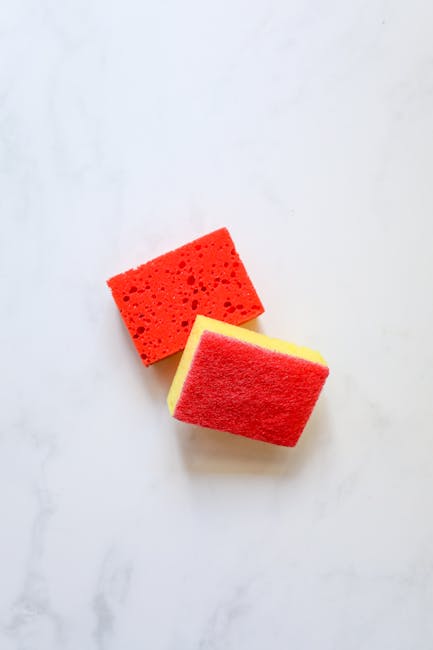
Wash ceramic cookware by hand to preserve its coating. Use warm, soapy water and a soft sponge for cleaning. Avoid using steel wool or abrasive scrubbers. These can damage the non-stick surface. After washing, dry the cookware with a soft cloth to prevent water spots.
Proper Usage
Use only wooden or silicone utensils with ceramic coated cookware. Metal utensils can scratch the surface. Avoid high heat settings; medium heat is sufficient for most cooking. Preheat the cookware with a little oil to enhance its non-stick properties. Never use cooking spray, as it can leave a residue. Store ceramic cookware carefully to avoid scratches. Stack with a soft cloth or paper towel between items.
Consumer Insights
Ceramic coated cookware has gained popularity in many households. People love its non-stick properties and stylish designs. Consumers often share their experiences online, providing valuable insights. These insights help others decide if ceramic cookware is right for them.
User Experiences
Many users praise ceramic cookware for its non-stick surface. Cooking and cleaning become much easier. Some report that food slides off effortlessly. This makes it a favorite choice for busy families. Users also mention the cookware's aesthetic appeal. It adds a modern touch to kitchens.
Some users, however, notice wear and tear over time. Chipping or scratches might occur with frequent use. Despite this, many continue to appreciate its functionality. They find the benefits outweigh minor drawbacks.
Expert Opinions
Experts generally agree on the safety of ceramic cookware. It is considered a safer option compared to traditional non-stick pans. Ceramic coatings are free from harmful chemicals like PFOA and PTFE. This makes them a healthier choice for cooking.
Experts advise proper maintenance to extend its lifespan. Avoid using metal utensils to prevent scratches. Regular cleaning keeps the coating intact. Following these tips can enhance user satisfaction.
Frequently Asked Questions
What Is Ceramic Coated Cookware Made Of?
Ceramic coated cookware is made from metal, usually aluminum, with a layer of ceramic. The ceramic layer provides a non-stick surface. It's free from harmful chemicals like PFOA and PTFE, making it safer. This coating also offers even heat distribution and easy cleaning.
Does Ceramic Coated Cookware Release Toxins?
Ceramic coated cookware does not release toxins when used correctly. Unlike traditional non-stick pans, it is free from harmful chemicals. Ensure you're using it at recommended temperatures to avoid any damage. This makes it a healthier choice for everyday cooking.
Is Ceramic Coated Cookware Durable?
Ceramic coated cookware is durable but requires proper care. Avoid using metal utensils to prevent scratches. Hand washing is recommended to maintain its coating. With proper maintenance, it can last for several years, making it a worthwhile investment.
How Do I Clean Ceramic Coated Cookware?
Cleaning ceramic coated cookware is simple. Use warm, soapy water and a soft sponge. Avoid abrasive cleaners and metal pads. These can damage the coating. Always ensure it's cooled down before washing to prevent warping and maintain its effectiveness.
Conclusion
Ceramic coated cookware is generally safe for cooking. It offers a non-stick surface, reducing the need for oils. Ensure the coating is high-quality and free from harmful chemicals. Check for any chipping or damage regularly. Proper care extends the life of your cookware.
Use soft utensils to avoid scratches. Wash gently to preserve the coating. Avoid high heat to prevent damage. Choose reputable brands known for safety standards. Enjoy healthier cooking with less worry. Always prioritize safety in your kitchen choices.