Is Ceramic Cookware Safe?
Are you considering a switch to ceramic cookware but concerned about its safety? You’re not alone.
With an array of cookware options on the market, it’s crucial to ensure that what you’re using in your kitchen is not only effective but also safe for you and your family. Ceramic cookware has been gaining popularity, but questions about its safety linger in the minds of many.
You might be wondering if it could be the perfect addition to your kitchen arsenal or if there are hidden risks that you should be aware of. We’ll dive deep into what ceramic cookware is all about, examining its safety features, benefits, and potential drawbacks. Stick around, and you’ll be equipped with all the information you need to make an informed decision that aligns with your cooking and health priorities.
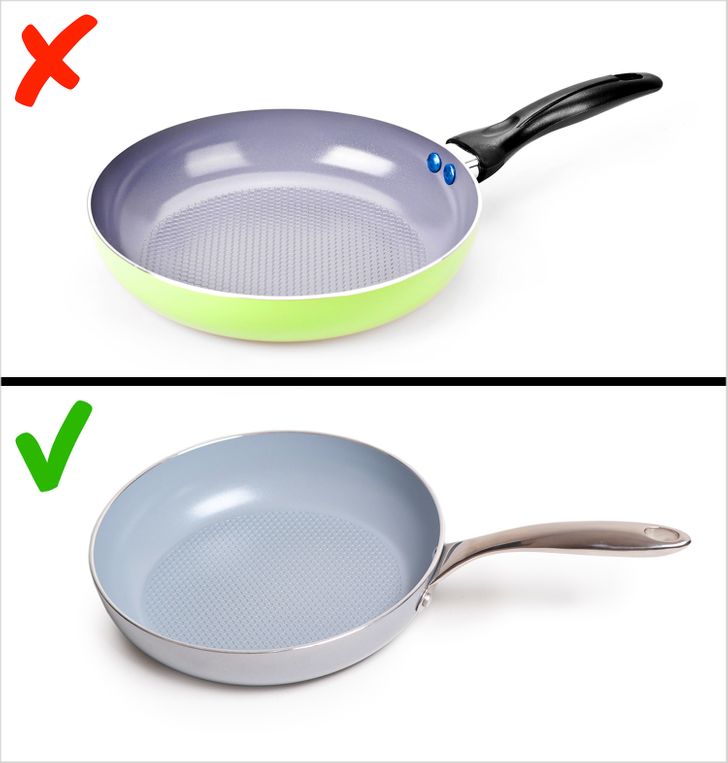
Credit: brightside.me
Ceramic Cookware Basics
Ceramic cookware offers a non-stick surface without harmful chemicals. Its smooth finish makes cooking and cleaning easy. Choosing ceramic ensures safety with no toxic fumes or heavy metals.
Ceramic cookware is gaining popularity for good reason. It's stylish, versatile, and often touted as a healthier alternative to traditional non-stick pans. But what makes ceramic cookware stand out, and is it truly safe for your kitchen? Let's explore the basics of ceramic cookware to help you make informed choices.
Materials And Composition
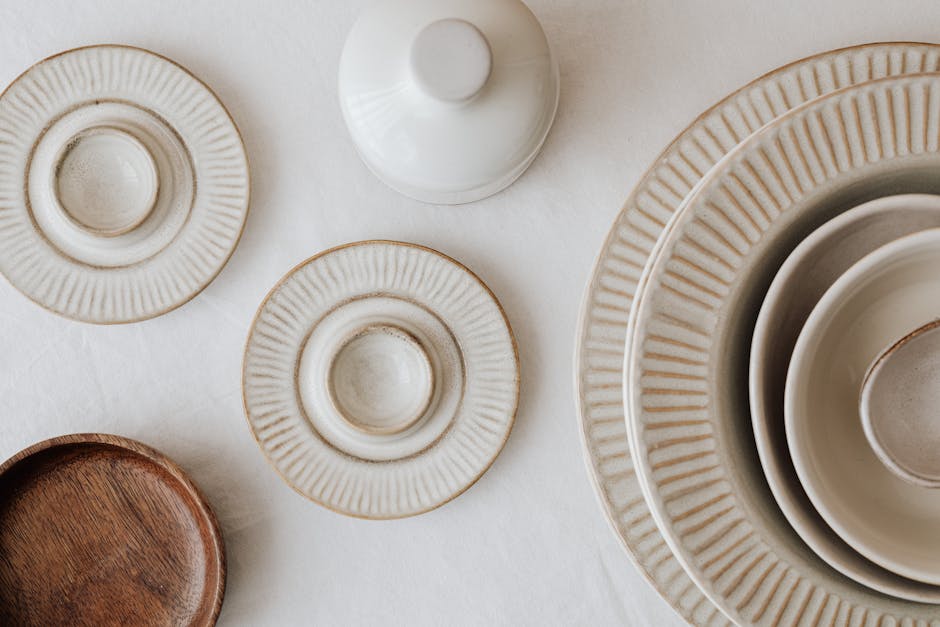
Ceramic cookware is crafted from clay that is kiln-baked at high temperatures. This process creates a hard, durable surface that's naturally non-stick. Unlike some traditional non-stick coatings, ceramic doesn't contain PTFE or PFOA, chemicals that have raised health concerns. The composition of ceramic cookware can vary. Some are 100% ceramic, while others are metal-based with a ceramic coating. It's crucial to check the product details before purchasing. This ensures you're getting the type of ceramic cookware that suits your cooking needs and safety preferences.
Popular Uses In Cooking
Ceramic cookware is incredibly versatile in the kitchen. It's perfect for simmering sauces, sautéing vegetables, and even baking casseroles. I've personally found it excellent for cooking eggs without the hassle of sticking. The even heat distribution is another standout feature. This makes it great for dishes that require precise temperature control, like searing fish or crafting delicate omelets.
Have you ever experienced uneven cooking with your pans? Ceramic might just be the solution you've been looking for. Ceramic cookware also adds a touch of elegance to your kitchen. With various colors and designs, it complements any kitchen décor. This makes it not only a functional tool but also a stylish addition to your culinary space. Would you consider ceramic cookware as your next kitchen investment? Its safety, versatility, and aesthetic appeal certainly make it a contender.
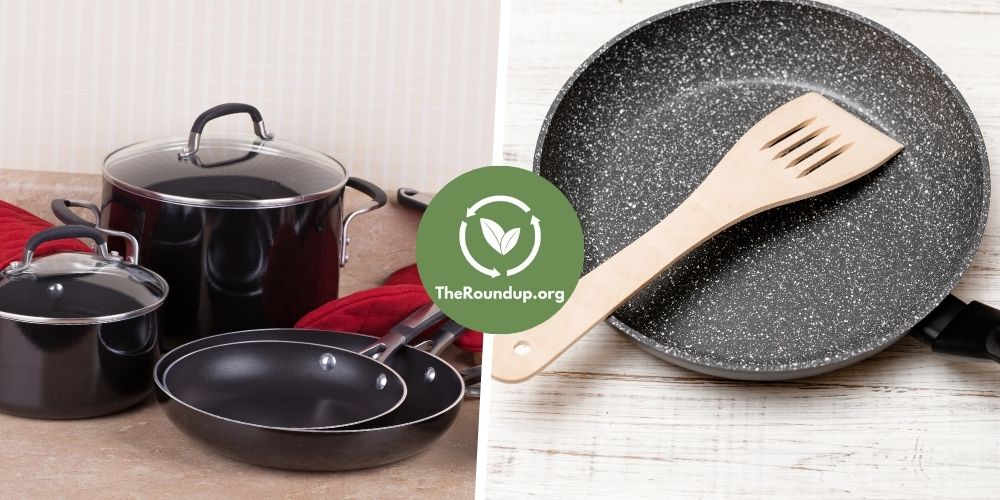
Credit: theroundup.org
Safety Concerns
Ceramic cookware is generally safe for cooking. Ensure it's free from harmful chemicals like lead and cadmium. Regularly check for chips or scratches to maintain safety.
When you're cooking, safety is often on your mind. Ceramic cookware is a popular choice, but is it really safe? Let's dig deeper into the safety concerns surrounding ceramic cookware, shedding light on its potential health risks and chemical leaching issues. Understanding these aspects can help you make informed decisions about your kitchen essentials.
Potential Health Risks
Ceramic cookware is widely praised for its non-stick properties and aesthetic appeal. However, some concerns about potential health risks have surfaced. One key issue is the ceramic coating. Over time, this coating can wear down and chip. Chipped cookware might seem harmless at first glance. But when ceramic starts to degrade, it can release particles into your food. This scenario raises questions about ingestion and its long-term effects on health. You might wonder if these particles are harmful. While research is ongoing, some experts suggest caution, especially if you notice chips or cracks in your cookware.
Chemical Leaching
Chemical leaching is another concern with ceramic cookware. The ceramic coating often contains chemicals, and some worry about these substances leaching into food during cooking. You’ve probably heard of lead and cadmium. These are sometimes found in the glaze of ceramic products. The risks associated with these chemicals include potential toxicity and health issues.
It's crucial to know what your cookware is made of. Reading labels and opting for reputable brands can reduce the risk of exposure to harmful chemicals. Have you ever thought about the cookware you use every day? It’s worth considering the materials and coatings, ensuring they align with your health priorities. Making informed choices can enhance your cooking experience and peace of mind.
Comparing Cookware Options
Ceramic cookware offers a non-stick surface without harmful chemicals, making it a popular choice for health-conscious cooks. Its natural composition often leads to safer cooking experiences. Always check for quality and proper usage to ensure safety and longevity in the kitchen.
Choosing the right cookware for your kitchen can feel like a tricky puzzle. With so many options available, how do you know which one is best for you? Each type of cookware has its own set of features, benefits, and drawbacks. By comparing cookware options, you can make a more informed decision that suits your cooking style and health preferences.
Ceramic Vs. Teflon
Ceramic cookware is often praised for its non-stick properties without the use of chemicals like PTFE and PFOA. These chemicals, found in Teflon, have raised health concerns, especially when the coating is scratched or overheated. Ceramic, on the other hand, uses a natural mineral coating that is generally considered safer and more environmentally friendly. If you often cook at high temperatures, ceramic might be your best bet.
Teflon can release toxic fumes when overheated, whereas ceramic can withstand higher temperatures without compromising safety. Remember, though, that ceramic can chip if you're not careful, so gentle handling is key. Do you find yourself frequently replacing cookware? Teflon pans can wear out faster, especially if not cared for properly. Ceramic pans, while not indestructible, generally have a longer lifespan when maintained correctly.
Ceramic Vs. Stainless Steel
Stainless steel is known for its durability and resistance to rust and corrosion. Unlike ceramic, it doesn't have a non-stick surface, which can make cooking and cleaning a bit more challenging. However, it excels in browning and searing foods, offering flavors that non-stick surfaces might not match. Are you someone who enjoys cooking with acidic ingredients like tomatoes and vinegar? Ceramic cookware can be less reactive than stainless steel, which means it's less likely to alter the taste of your food. Stainless steel, while robust, can sometimes react with acidic foods, affecting flavor.
A noteworthy point is that ceramic can be easier to clean with just a swipe, thanks to its non-stick surface. Stainless steel requires a bit more elbow grease, often needing soaking or scrubbing to remove stuck-on food. However, many chefs swear by its performance, claiming it's worth the extra effort. In choosing between ceramic and stainless steel, think about your cooking habits. Do you prioritize easy cleanup and non-stick surfaces, or are you after the robust, long-lasting qualities of stainless steel? Your decision can make a big difference in your kitchen experience.
Maintaining Ceramic Cookware
Ceramic cookware offers a safe cooking option due to its non-toxic, natural coating. Proper care ensures its longevity, making it a sustainable choice. Regular cleaning with soft sponges prevents scratches and maintains its sleek surface.
Maintaining ceramic cookware is crucial for longevity and performance. These kitchen essentials need proper care. Handling them well ensures they remain safe to use. Ceramic cookware offers a non-stick surface. Regular upkeep will keep it in top shape. Follow these simple tips for best results.
Cleaning Tips
Clean ceramic cookware after each use. Use warm, soapy water. A soft sponge works best. Avoid steel wool or abrasive pads. They may scratch the surface. Rinse thoroughly to remove soap. Dry with a soft cloth. This prevents water spots. For tough stains, soak in warm water. Add a bit of baking soda. Let it sit for 15 minutes. Gently scrub with a sponge. Rinse and dry as usual.
Avoiding Damage
Prevent damage by using the right utensils. Wooden or silicone tools are ideal. Metal utensils can scratch the surface. Avoid sudden temperature changes. Don't put hot pans in cold water. This can cause cracking. Use low to medium heat settings. High heat may damage the coating. Store cookware carefully. Avoid stacking them directly. Use soft cloths between pans. This prevents scratches and chips. Regular care extends the cookware's life. Enjoy safe and efficient cooking every day.
Choosing The Right Ceramic Cookware
Ceramic cookware offers a safer choice for your kitchen, thanks to its non-toxic material. This type of cookware minimizes chemical exposure during cooking, providing peace of mind for health-conscious individuals. Consider ceramic options for a healthier cooking environment.
Choosing the right ceramic cookware can be a game-changer in your kitchen. With the right set, you not only enhance the safety of your cooking but also elevate your culinary creations. As you navigate the world of ceramic cookware, consider these crucial aspects to make an informed choice that suits your needs.
Factors To Consider
When selecting ceramic cookware, consider its durability. High-quality ceramic cookware should withstand regular use without chipping or cracking. Check the manufacturer's guidelines on temperature limits to ensure longevity. Examine the cookware's non-stick capabilities. A good ceramic coating should allow you to cook with minimal oil, making your meals healthier. Test how easily food releases from the surface before making a purchase. Think about the compatibility with your stove. Not all ceramic cookware works on induction cooktops. Confirm the compatibility to avoid any kitchen mishaps.
Recommended Brands
Several brands stand out for their quality and reliability in ceramic cookware. GreenPan offers a range of eco-friendly options with excellent non-stick properties. Their pans are PFOA-free, adding an extra layer of safety. Caraway is another favorite, known for its vibrant colors and stylish design. Their cookware is not just aesthetically pleasing but also performs exceptionally well in everyday cooking. Xtrema provides 100% ceramic options, ensuring no metal leaches into your food.
Their products are safe for both stovetop and oven use, offering versatility. Making the right choice in ceramic cookware can transform how you cook. Have you considered how the right tools can influence your cooking style and health? Choose wisely to enhance your kitchen experience.
Myths And Facts
Ceramic cookware has grown in popularity due to its non-toxic claims. There is, though, a lot of confusion about its safety. This section will debunk common myths and present factual insights. Understanding these myths and facts will help you make informed decisions.
Common Misconceptions
Some believe ceramic cookware contains harmful chemicals. This is not true. Quality ceramic cookware is free from lead and cadmium. Another myth is that ceramic coatings chip easily. Durable ceramic pans, with proper care, last long. Many think ceramic is not non-stick. In reality, ceramic offers a smooth cooking surface. These misconceptions can deter people from using ceramic cookware.
Evidence-based Insights
Studies show that ceramic cookware is generally safe. It releases no harmful fumes during cooking. Experts confirm ceramic coatings are free from toxic substances. They are usually made with natural materials. Ceramic pans distribute heat evenly. This makes cooking more efficient. Experts recommend buying from reputable brands. They ensure high-quality manufacturing standards. Regular testing ensures no harmful chemicals leach into food. Proper usage and maintenance extend the life of ceramic cookware.

Credit: thecookwareadvisor.com
Frequently Asked Questions
Is Ceramic Cookware Safe For Health?
Ceramic cookware is generally safe for health when used properly. It is free from harmful chemicals like PFOA and PTFE. Ensure your cookware is lead-free, as some ceramic glazes may contain lead. Always follow the manufacturer's instructions for optimal safety and longevity.
Does Ceramic Cookware Contain Harmful Chemicals?
Ceramic cookware is typically free from harmful chemicals such as PFOA and PTFE. These chemicals are often found in non-stick coatings. Always check for certifications indicating lead-free glaze. This ensures you are using safe cookware, ideal for cooking healthy meals.
Can Ceramic Cookware Be Used On High Heat?
Ceramic cookware can be used on moderate heat. High heat may damage its coating and reduce lifespan. Use medium to low heat for best results. This ensures even cooking and preserves the cookware's integrity over time.
How Long Does Ceramic Cookware Last?
Ceramic cookware can last several years with proper care. Avoid high heat and abrasive cleaning. Regularly inspect for chips and cracks. Follow the manufacturer's care instructions to extend its lifespan and maintain cooking performance.
Conclusion
Ceramic cookware offers a safe cooking option for your kitchen. It avoids harmful chemicals found in other materials. Its non-stick surface makes cooking easier and cleaner. But not all ceramic cookware is the same. Choose high-quality brands for better safety and durability.
Always follow care instructions to extend its life. Regularly check for cracks or chips. This ensures safe cooking every time. Ceramic cookware can be a great addition to your kitchen. It combines safety, style, and ease of use. Consider ceramic for your next cookware purchase.
Enjoy cooking with peace of mind.