Have you ever wondered if your Food Network ceramic cookware is truly safe to use? You're not alone.
Many home cooks like you are questioning the safety and performance of these popular kitchen essentials. With their sleek design and vibrant colors, ceramic cookware has captured the attention of many, promising a healthier way to cook. But can you really trust that promise?
Understanding the materials and manufacturing processes behind these products is crucial for ensuring the well-being of you and your loved ones. Let's dive into the world of ceramic cookware and uncover the truth behind its safety, so you can cook with confidence.
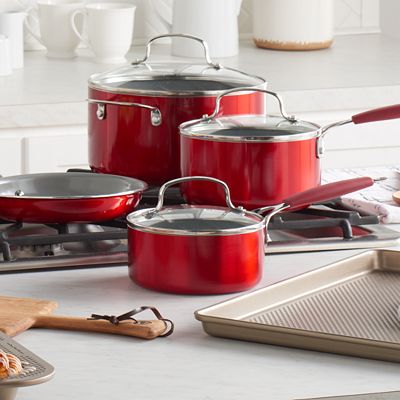
Credit: www.kohls.com
Ceramic Cookware Basics
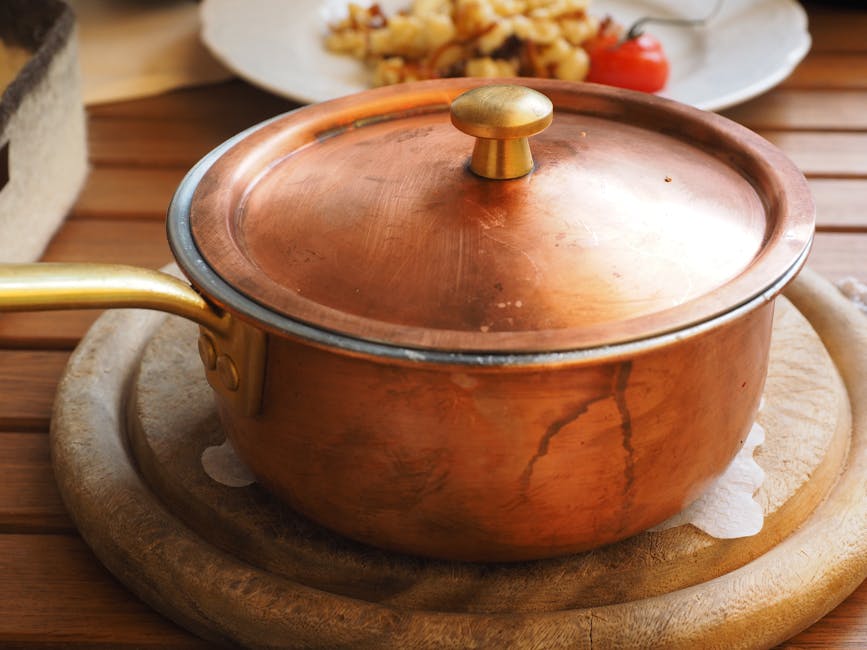
Ceramic cookware has become popular for its non-stick properties and aesthetic appeal. Many home cooks prefer it for its ease of use and cleaning. Understanding the basics of ceramic cookware can help you make informed choices in your kitchen.
Material Composition
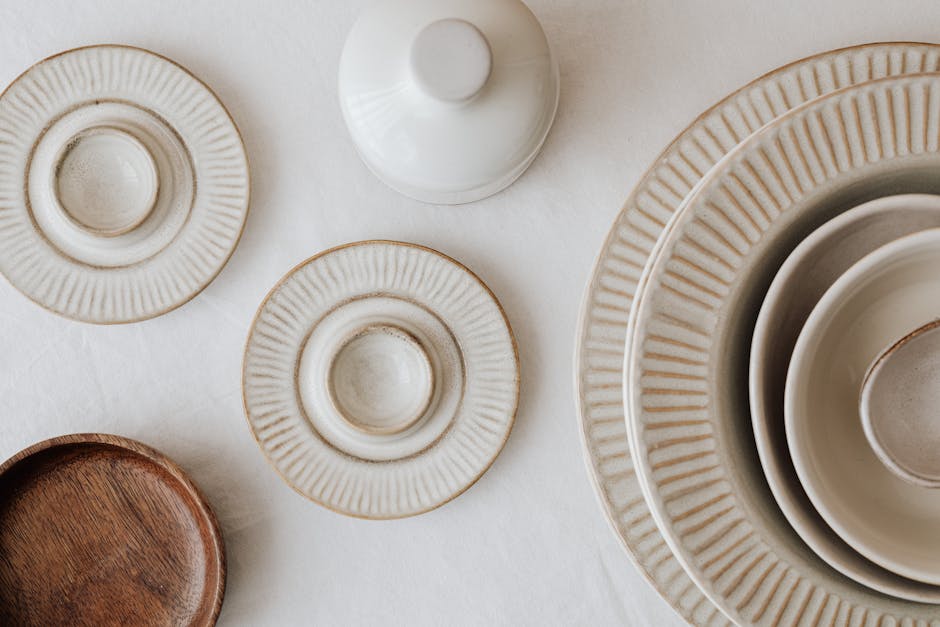
Ceramic cookware is primarily made from clay and other natural materials. These materials are shaped and baked at high temperatures to form durable pieces. The cookware often has a ceramic coating that provides non-stick features.
The coating is free from harmful chemicals like PTFE and PFOA. This makes ceramic cookware a safer option for cooking. The clay base ensures even heat distribution, making cooking more efficient.
Production Process
The production process begins with shaping the clay into desired cookware shapes. After shaping, the pieces undergo firing at high temperatures. This firing process strengthens the clay and prepares it for glazing.
Glazing involves applying a ceramic coating for non-stick properties. The coating is fired again to ensure durability and safety. Each piece undergoes strict quality checks before reaching the consumer.
This meticulous process ensures ceramic cookware is reliable and safe for everyday use. Understanding these steps can help you appreciate the craftsmanship involved.
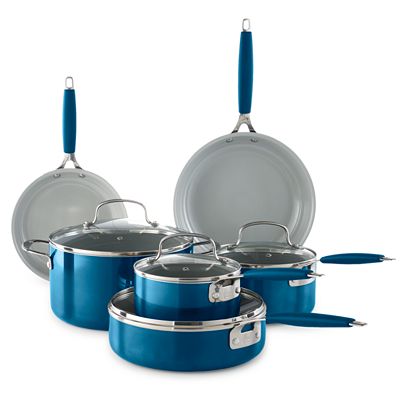
Credit: www.kohls.com
Safety Features
When considering cookware, safety is paramount. Food Network ceramic cookware promises several safety features that can give you peace of mind while cooking your favorite meals. From non-toxic coatings to impressive heat resistance, these features are designed to enhance your cooking experience without compromising your health or safety. But are they truly effective?
Non-toxic Coating
Food Network ceramic cookware boasts a non-toxic coating that’s free from harmful chemicals like PTFE and PFOA. Imagine cooking your favorite stir-fry without worrying about toxins leaching into your food. This safety feature ensures that you are not exposing your family to harmful substances while enjoying delicious meals.
Consider the last time you cooked a meal on traditional non-stick pans. Did you notice any unusual smells? With ceramic cookware, you won't experience such concerns. The non-toxic coating not only protects your health but also retains the natural flavors of your food.
Heat Resistance
Another compelling safety feature is its remarkable heat resistance. Food Network ceramic cookware can withstand high temperatures without warping or releasing harmful fumes. You can confidently bake, roast, or fry without the fear of damaging your cookware or compromising your safety.
Have you ever accidentally left a pan on the stove for too long and ended up with a warped mess? With ceramic cookware, those accidents are less likely to result in damage. This heat resistance ensures longevity, giving you a reliable cooking companion over time.
As you explore the world of ceramic cookware, think about how these safety features can transform your cooking experience. Are you ready to make the switch and enjoy a safer, more reliable kitchen tool?
Health Benefits
Food Network ceramic cookware offers a range of health benefits. People often choose ceramic for its safety in cooking. This type of cookware can lead to healthier meals.
Chemical-free Cooking
Ceramic cookware does not contain harmful chemicals. Many non-stick pans release toxins when heated. Ceramic cookware avoids this risk. It offers a safe cooking surface. No PTFE or PFOA chemicals are present. This reduces exposure to harmful substances.
Preserving Nutrients
Ceramic cookware retains heat well. Even heat distribution is crucial. It helps in cooking food evenly. This ensures nutrients are not lost. Vitamins and minerals remain intact. Meals cooked in ceramic cookware are healthier. They maintain their nutritional value.
Durability Factors
Food Network ceramic cookware is considered safe due to its non-toxic coating. Its durability depends on proper care and avoiding metal utensils. Regular cleaning and using low to medium heat can help maintain its quality.
When considering the purchase of Food Network ceramic cookware, many people naturally wonder about its durability. After all, you want your investment to last, right? Understanding the durability factors of this cookware can help you make an informed decision. Let’s explore key aspects like scratch resistance and longevity of use to see how well this cookware stands up to daily kitchen challenges.
Scratch Resistance
Ceramic cookware often boasts a non-stick surface, which is a huge bonus for easy cooking and cleaning. But how resistant is it to scratches? If you've ever had your heart sink seeing a scratch on a beloved pan, you know this is crucial. Many users find that with proper use, Food Network ceramic cookware resists scratching quite well. Avoid using metal utensils, which are known culprits for scratches. Instead, opt for wooden or silicone tools. This small adjustment can significantly extend the life of your cookware.
Longevity Of Use
How long can you expect your ceramic cookware to last? The lifespan can vary depending on care and usage habits. With gentle handling, Food Network ceramic cookware can serve you for several years. Consider how often you cook and the types of dishes you prepare. High-heat cooking can wear down the coating faster, so moderate heat is advisable for longevity. Have you noticed how some people seem to keep their cookware pristine for years? It often comes down to mindful use and care. Taking simple steps like avoiding abrasive cleaners and storing your cookware properly can make a big difference. If you’ve ever had to replace cookware prematurely, you know the frustration and cost involved. Why not ensure your ceramic pans stay in great condition by adopting these straightforward practices? By focusing on these durability factors, you not only enhance the lifespan of your cookware but also enjoy consistent performance. Have you tried any of these tips with your cookware? What differences have you noticed? Your experience could guide someone else toward making a smart cookware choice.
User Experiences
Food Network ceramic cookware is generally safe for cooking. It is free from harmful chemicals like PFOA and PTFE. Users often praise its even heat distribution and easy cleaning.
When it comes to cookware, safety is a top priority for many home chefs. If you're considering Food Network Ceramic Cookware, you might be curious about what others are saying. User experiences can offer valuable insights into the safety and performance of these kitchen essentials. Let’s dive into what real users think and feel about their ceramic cookware.
Customer Reviews
Many users praise Food Network Ceramic Cookware for its non-stick capabilities. Cooking eggs or pancakes often becomes hassle-free, with food sliding off the pan with ease. Users also appreciate the sleek design and vibrant colors, which add a pop of style to their kitchens. One customer mentioned how the cookware heats evenly, allowing for perfectly cooked meals. Have you ever experienced uneven cooking with other pans? It seems this cookware could be a solution. The eco-friendly materials are another big plus for those looking to make greener choices.
Common Complaints
Despite the positive reviews, some users have shared concerns. A common complaint is that the non-stick coating can wear off over time. This is especially true if metal utensils are used, which can scratch and damage the surface. Another issue raised is the durability of the handles. Some users report that they become loose after frequent use. Have you ever had a handle break mid-cooking? It’s not just frustrating; it can be dangerous. Lastly, while the cookware is advertised as dishwasher safe, some users suggest hand washing to extend its lifespan. If you prioritize convenience over longevity, this might be a consideration. What do you think about balancing convenience and care in kitchenware? The shared experiences of these users highlight the importance of proper maintenance to ensure safety and longevity.

Credit: www.amazon.com
Environmental Impact
Food Network ceramic cookware is generally considered safe for cooking, having minimal environmental impact. Made with non-toxic materials, it offers a healthier alternative to traditional non-stick options. Users appreciate its durability and eco-friendly benefits, making it a popular choice for conscious cooks.
Cooking is an activity that often connects us to the environment, whether through the ingredients we use or the cookware choices we make. If you're considering Food Network Ceramic Cookware, you're likely curious about its environmental impact. It's essential to understand how your cookware choices can contribute to a healthier planet.
Eco-friendly Manufacturing
Many ceramic cookware brands focus on reducing their environmental footprint during manufacturing. This often means using less energy and water, which helps lower emissions. Some companies also implement recycling programs to minimize waste. Imagine the satisfaction of knowing your cookware is made with the planet in mind. When brands prioritize eco-friendly practices, they're not just selling a product; they're committing to a more sustainable future. Next time you're shopping, you might ask: Is this brand doing its part to protect the environment?
Sustainable Materials
Ceramic cookware is often crafted from sustainable materials that are less harmful to the environment. These materials can be sourced responsibly, reducing the impact on natural resources. Consider how traditional non-stick pans often contain harmful chemicals. Ceramic cookware, on the other hand, is typically free from toxic substances like PFOA and PTFE. This makes it a safer choice for both you and the planet. When you choose ceramic, you're not just opting for a cooking tool—you're supporting sustainable practices. Isn't it rewarding to cook with something that aligns with your values?
Choosing cookware with a minimal environmental impact can be as fulfilling as preparing a delicious meal. By focusing on eco-friendly manufacturing and sustainable materials, you make a small yet significant contribution to a healthier planet. Your choice matters. So, next time you cook, ask yourself: How can this meal benefit not just my family, but also the world around us?
Comparison With Other Cookware
Food Network Ceramic Cookware stands out with its non-toxic, eco-friendly materials, ensuring safe cooking. Unlike some metal options, it doesn't leach harmful chemicals, making it a healthier choice. Its durable ceramic surface provides excellent heat distribution, rivaling traditional cookware for consistent results.
When you're choosing cookware, the options can be overwhelming. Ceramic cookware, like that from Food Network, is popular for its non-toxic nature and stylish designs. But how does it stack up against other types of cookware? Let’s dive into some comparisons to help you make an informed decision.
Stainless Steel Vs. Ceramic
Stainless steel cookware is known for its durability and heat retention. It’s a staple in many kitchens because of its resistance to rust and scratches. But have you ever tried cooking eggs on stainless steel without oil? It can be a challenge! Ceramic cookware offers a natural non-stick surface, making it easier to cook delicate foods like eggs and fish. Plus, cleanup is usually a breeze. However, it's essential to handle ceramic with care to avoid chipping or cracking. If you're a fan of low-maintenance cooking, ceramic might just win you over.
Non-stick Vs. Ceramic
Traditional non-stick cookware often uses a Teflon coating, which can release harmful fumes if overheated. Are you concerned about health risks in your kitchen? Ceramic cookware is a safer alternative, free from PTFE and PFOA. While non-stick pans offer convenience, they tend to wear out faster, especially if you use metal utensils. Ceramic pans, on the other hand, have a reputation for being more robust in this regard. Imagine cooking with peace of mind, knowing your cookware is both safe and durable. Choosing the right cookware depends on your cooking habits and preferences. What matters most to you—safety, durability, or ease of use? Consider what's most important in your culinary journey, and let your cookware choice reflect that priority.
Maintenance Tips
Food Network ceramic cookware provides safe cooking options when maintained properly. Avoid high heat to prevent damage and maintain the non-stick surface. Regular cleaning with mild soap and gentle sponges ensures longevity and safety for everyday use.
Maintaining your Food Network ceramic cookware is crucial for longevity and safety. While these pots and pans are known for their nonstick surfaces and vibrant designs, taking the right steps in maintenance can ensure they remain a staple in your kitchen for years. Let's dive into some essential maintenance tips, focusing on cleaning techniques and proper storage to keep your cookware in top-notch condition.
Cleaning Techniques
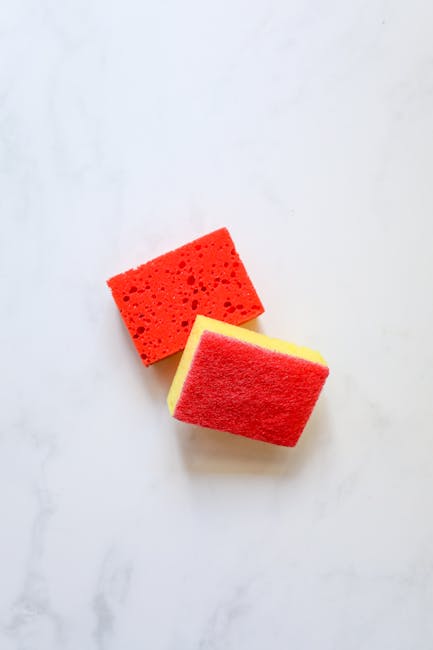
Cleaning ceramic cookware might seem straightforward, but a few specific techniques can make a big difference. Always allow your cookware to cool before washing. Sudden temperature changes can cause the ceramic coating to crack or chip. Use mild dish soap and a soft sponge to clean the surface. Avoid abrasive materials like steel wool or harsh scouring pads. These can damage the nonstick coating, making your cookware less effective over time. If you encounter stubborn stains, a paste made from baking soda and water can be a gentle yet effective solution. Apply the paste, let it sit for a few minutes, and then gently scrub away the residue. How do you tackle those tough spots without harming your cookware?
Proper Storage
Storing your ceramic cookware correctly is just as important as cleaning it. Ensure that pots and pans are completely dry before stacking them. Moisture can lead to mildew or damage the ceramic finish over time. Consider using protective pads or cloths between stacked items. This prevents scratches and keeps the surfaces pristine. A personal tip: I use old dish towels between my pots and pans, which not only protects them but also adds a touch of nostalgia to my kitchen routine. If space allows, hanging your ceramic cookware can be an excellent option. This reduces the risk of chips and scratches and adds an appealing visual element to your kitchen. What's your preferred method for storing your cherished cookware?
Frequently Asked Questions
Is Ceramic Cookware Safe For Health?
Yes, ceramic cookware is generally safe for health. It is free from harmful chemicals like PTFE and PFOA. Ceramic provides a non-stick surface without toxic coatings. It is ideal for cooking at moderate temperatures. Always follow manufacturer's instructions for optimal safety.
Does Food Network Cookware Contain Harmful Chemicals?
No, Food Network ceramic cookware does not contain harmful chemicals. It is designed to be non-toxic and safe. The ceramic coating avoids dangerous substances found in traditional non-stick pans. It's essential to use cookware as directed to maintain its safety standards.
Can Ceramic Cookware Handle High Temperatures?
Ceramic cookware can handle moderate temperatures well. However, extreme heat may damage the coating. It's advisable to avoid using ceramic cookware on high heat settings. Following the manufacturer's guidelines will ensure longevity and safety during cooking.
Is Ceramic Cookware Easy To Clean?
Yes, ceramic cookware is easy to clean due to its non-stick surface. It requires minimal effort to remove food residues. Using mild detergents and avoiding abrasive pads will keep the surface intact. Regular cleaning ensures the cookware remains in good condition.
Conclusion
Food Network ceramic cookware offers a safe cooking option. It is free from harmful chemicals. The non-stick surface ensures easy cleaning. Durability and aesthetics make it appealing. Yet, use it with care to avoid scratches. Always follow the manufacturer's instructions.
Consider your cooking habits and preferences. Do you need cookware that heats evenly? Ceramic might be right for you. Remember, safety first in the kitchen. Choose wisely for your health and peace of mind. Explore other cookware options too. Stay informed and cook with confidence.