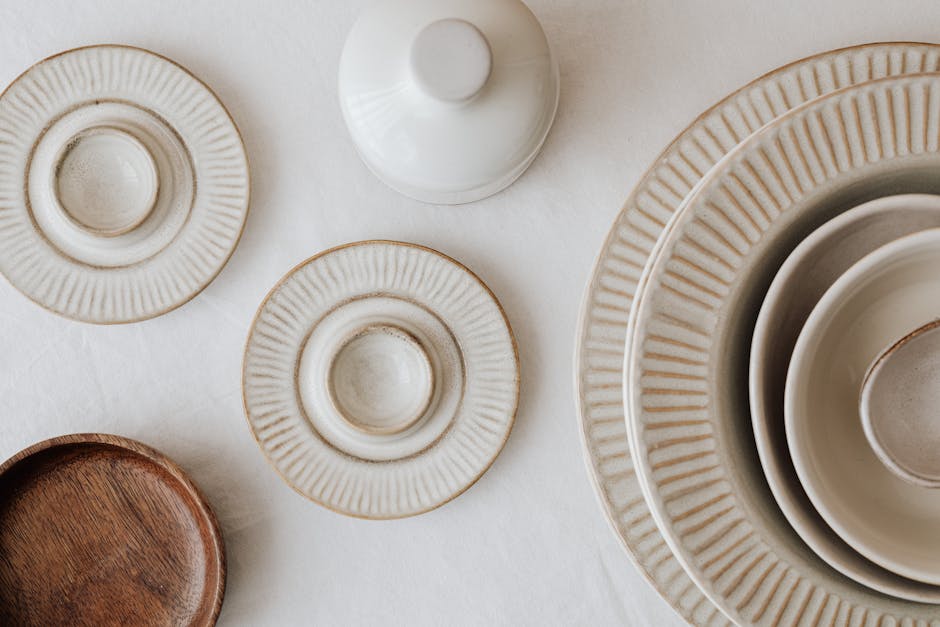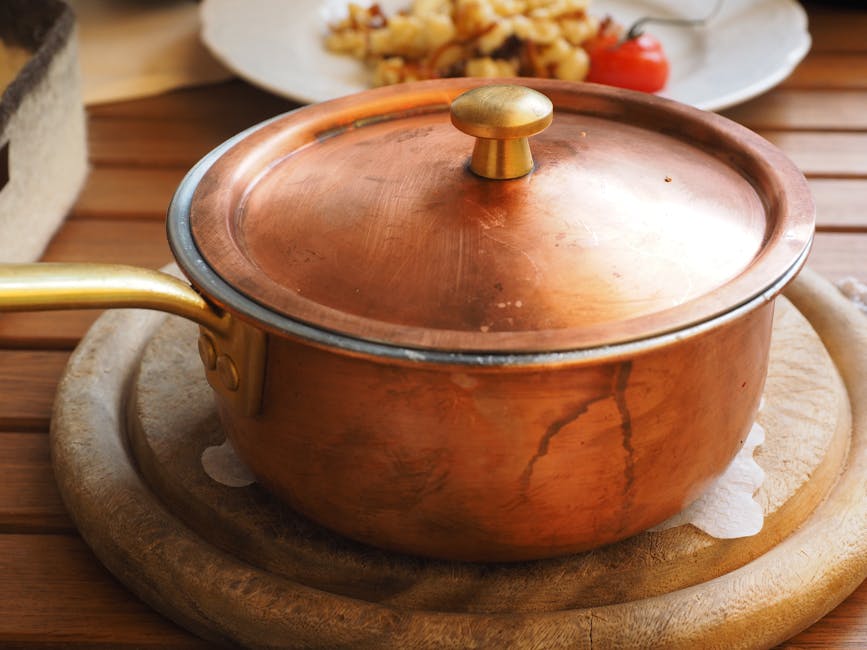
When you step into your kitchen, you're likely surrounded by a variety of cookware options. Among them, ceramic cookware stands out for its sleek design and vibrant colors.
But as you prepare to sauté or simmer your next meal, a question might pop into your mind: Is it safe to cook in ceramic cookware? This is a concern shared by many, and it's important for you to have the facts.
Your health and peace of mind are paramount, and knowing the ins and outs of ceramic cookware can make all the difference. Imagine creating delicious meals without worrying about harmful chemicals or unexpected hazards. Dive into the world of ceramic cookware with us, and discover if it truly deserves a place in your kitchen. Your culinary creations await the answer!
Benefits Of Ceramic Cookware
Ceramic cookware is a favorite in many kitchens. It's cherished for its numerous benefits. Its unique features make cooking enjoyable and safe. Discover why ceramic cookware is a great choice for your kitchen.
Non-toxic Materials
Ceramic cookware is made from natural minerals. It's free from harmful chemicals. No PFOA or PTFE. This means safer meals for your family. You can cook with peace of mind. Enjoy meals without worrying about toxins.
Even Heat Distribution
Cooking with ceramic means consistent heat. It distributes heat evenly across the surface. This ensures your food cooks uniformly. No hot spots or cold areas. Your dishes turn out perfect every time. Experience flawless cooking.
Versatility In Cooking
Ceramic cookware is versatile. Suitable for various cooking methods. From stovetop to oven, it handles it all. Boil, fry, roast, or bake with ease. Its adaptability makes it a kitchen staple. Ceramic cookware meets all your culinary needs.
Potential Risks
Cooking in ceramic cookware has become increasingly popular due to its aesthetic appeal and non-toxic reputation. But is it really safe? Like any cooking material, ceramic cookware comes with its own set of potential risks. Understanding these risks can help you make informed choices in your kitchen. Let's dive into some key concerns.
Heavy Metals And Lead Concerns
Ceramic cookware is generally considered safe, but there’s a caveat. Some ceramic glazes may contain heavy metals like lead or cadmium. These metals can leach into food if the glaze is poorly manufactured or damaged.
Think about that old ceramic pot you inherited. If it has visible chips or cracks, it might be time to retire it. Modern ceramic cookware is usually lead-free, but always check labels and certifications to be sure.
Would you risk using cookware that might taint your food with harmful substances? Prioritize your health by opting for reputable brands and checking for safety assurances.
Durability Issues
Ceramic cookware can be fragile. While it’s great for even cooking, it doesn't always fare well with sudden temperature changes. Imagine placing a hot ceramic dish on a cold surface—cracks can develop quickly.
Ensure a longer life for your ceramic cookware by avoiding extreme temperature shifts. Use trivets or cloths when setting down hot dishes. Gentle handling can prevent chips and preserve your cookware's finish.
Do you find yourself tossing out chipped pots too often? It might be time to rethink how you use and store your ceramic pieces. Treat them with care to ensure they last.
Cooking should be a joy, not a risk. Knowing the potential pitfalls of ceramic cookware helps you use it safely and confidently. Your kitchen is a space for creativity, not concern. Choose wisely, and enjoy the art of cooking without worries.
Safety Measures
Ceramic cookware offers a safe cooking option with its non-toxic, chemical-free surface. It evenly distributes heat, reducing the risk of burning food. Plus, its smooth surface makes cleaning easy, promoting healthier meals.
Cooking with ceramic cookware can be a delightful experience, especially when you know it’s safe. Understanding the proper safety measures ensures that your meals are not only delicious but also healthy. Let’s dive into key steps that make ceramic cooking a safe choice.
Choosing Quality Brands
Opt for reputable brands when selecting ceramic cookware. Quality brands use non-toxic materials, ensuring that harmful chemicals don't leach into your food. Check for certifications or safety standards on packaging or company websites. Personal experience taught me that investing in a known brand not only lasted longer but also gave me peace of mind. You might find it tempting to save a few bucks, but consider the long-term health benefits.
Proper Usage And Maintenance
Understand how to use your ceramic cookware correctly. Avoid sudden temperature changes, like placing a hot pot in cold water, which can cause cracking. Always use utensils that won't scratch the surface, like wooden or silicone tools. Regular maintenance is crucial. Clean your cookware gently to preserve its coating. Ever noticed stubborn stains? A mixture of baking soda and water can do wonders without harsh chemicals. Maintaining your ceramic cookware extends its life and keeps it safe for cooking. Ask yourself: Are you taking the best care of your kitchen tools? A little attention goes a long way toward ensuring your cookware remains a trusted ally in the kitchen.
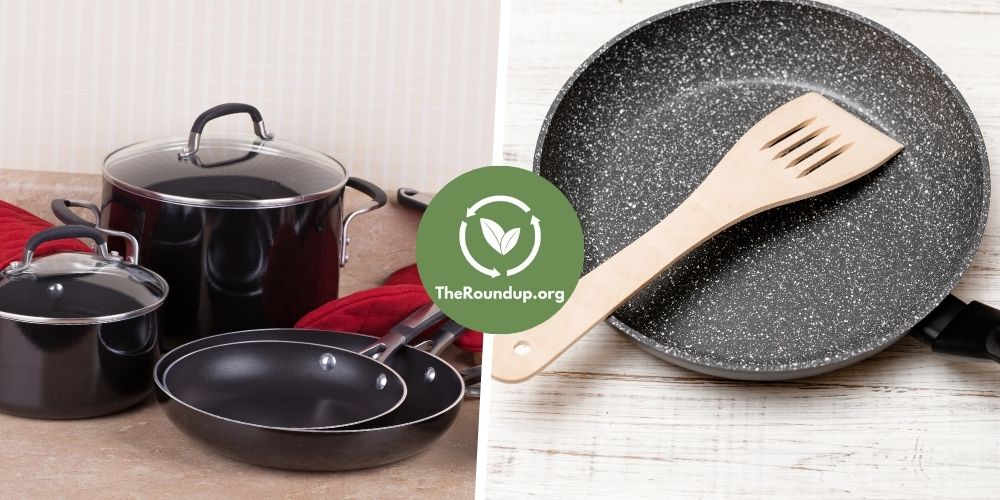
Credit: theroundup.org
Comparing Ceramic To Other Cookware
Ceramic cookware has become popular in many kitchens. It’s known for its safety and eco-friendly design. But how does it compare to other cookware types? Let's explore the differences between ceramic, non-stick, and stainless steel cookware. This will help you make an informed choice for your kitchen needs.
Ceramic Vs. Non-stick
Non-stick cookware often contains a chemical coating. This can release harmful fumes at high temperatures. Ceramic cookware, on the other hand, is free from these chemicals. It offers a safer cooking surface. Both types prevent food from sticking. But ceramic is praised for its natural materials. It's also easier to clean and maintain.
Ceramic Vs. Stainless Steel
Stainless steel cookware is durable and long-lasting. It can handle high heat without issues. But it requires oil or butter to prevent sticking. Ceramic cookware provides a non-stick surface without added fats. This makes it a healthier option. Stainless steel cookware is heavier than ceramic. Ceramic is easier to handle and move around. This makes it ideal for everyday cooking tasks.
Consumer Experiences
Ceramic cookware has gained popularity among home cooks. It's known for being eco-friendly and non-toxic. But what do consumers really think about it? Exploring their experiences helps us understand its safety and functionality.
Positive Feedback
Many users appreciate ceramic cookware's non-stick surface. It simplifies cooking and cleaning. A lot of people mention its attractive design. It complements their kitchen décor beautifully. Some users also note its even heat distribution. This feature enhances cooking efficiency and results.
Ceramic cookware's durability is another praised aspect. Many find it long-lasting compared to other options. Its toxin-free nature reassures health-conscious consumers. They feel safe using it for family meals.
Common Complaints
Some consumers report chipping issues over time. This reduces the cookware's appeal and functionality. Others experience uneven heat distribution. This can affect cooking outcomes negatively.
There's also concern about the cookware's weight. Some users find it heavier than expected. Finally, the cost is a factor for some. They feel ceramic cookware is more expensive than alternatives.

Credit: www.amazon.com
Final Thoughts On Ceramic Cookware
Ceramic cookware has gained popularity in many kitchens. Its sleek design and non-stick surface make it appealing. Many people wonder about its safety. Is it truly a healthy choice for cooking meals? Understanding its benefits and potential risks can help. Let's explore further.
Balancing Benefits And Risks
Ceramic cookware offers several advantages. It's free from harmful chemicals found in some other materials. This is a big plus for health-conscious cooks. Ceramic's non-stick surface means less oil in cooking, promoting healthier meals. Plus, it's easy to clean. A simple wipe often does the job.
But there are potential risks. Ceramic coatings can wear down over time. This can expose the metal underneath. If the ceramic cracks, it might chip into food. This is less common with high-quality brands. So, it's important to choose wisely.
Making An Informed Choice
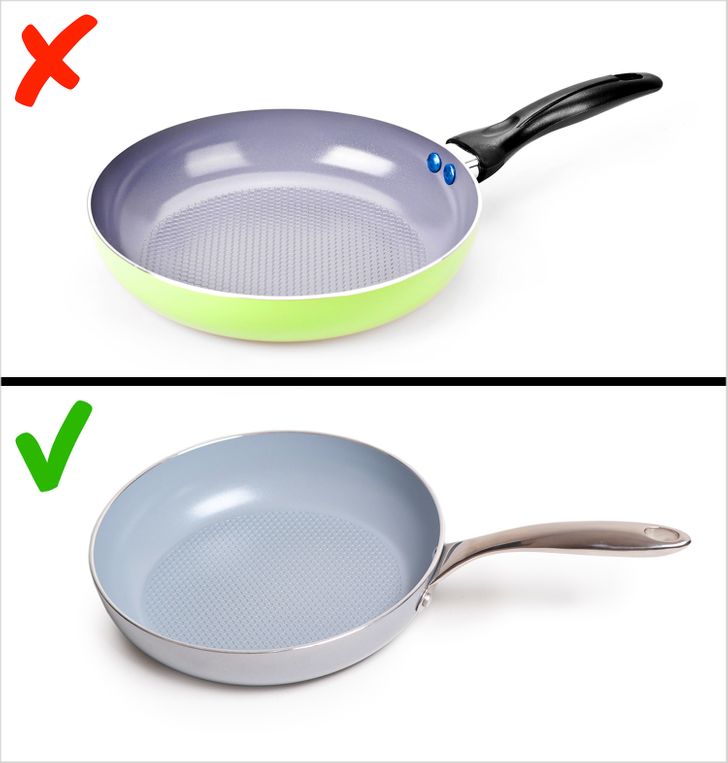
Consider your cooking habits. Do you often cook at high temperatures? Ceramic may not be the best. It can crack under high heat. For low to medium heat cooking, it's ideal. Think about the brand and quality. Not all ceramic cookware is equal. Read reviews and check for durability.
Budget is another factor. Higher quality ceramic cookware costs more. But it tends to last longer. Investing in a good set can save money in the long run. Always follow care instructions. This ensures your cookware remains safe and effective.
Credit: brightside.me
Frequently Asked Questions
Is Ceramic Cookware Safe For Daily Cooking?
Ceramic cookware is generally safe for daily use, offering non-toxic cooking surfaces. It doesn't leach harmful chemicals into food. However, ensure you use high-quality, lead-free ceramic cookware to avoid potential risks. Regularly inspect for chips or cracks, which can affect safety and performance.
Can Ceramic Cookware Withstand High Temperatures?
Ceramic cookware can handle high temperatures well, making it suitable for various cooking methods. It's ideal for stovetop and oven use. However, avoid sudden temperature changes to prevent cracking. Always follow manufacturer guidelines regarding maximum temperature limits to ensure the longevity of your cookware.
Is Ceramic Cookware Non-stick?
Ceramic cookware often features a natural non-stick coating, reducing the need for excessive oil. This makes cooking and cleaning easier. However, over time, the non-stick properties might diminish. Use wooden or silicone utensils to maintain its surface and prolong its non-stick capabilities.
How Do I Maintain Ceramic Cookware?
Maintaining ceramic cookware involves gentle cleaning with mild soap and water. Avoid abrasive cleaners or metal utensils to prevent scratches. Regularly inspect for chips or cracks, which can affect performance. Proper care ensures your cookware remains safe and functional for years.
Conclusion
Ceramic cookware offers a safe cooking option for your meals. It is free from harmful chemicals like Teflon. Easy to clean and maintain. Suitable for all types of cooking styles. Many people prefer it for its non-stick surface. It heats evenly, ensuring your food cooks well.
Consider quality when purchasing ceramic cookware. Check labels for safety standards. This ensures you get the best product. Overall, ceramic cookware is a reliable choice for healthy cooking. Enjoy cooking with peace of mind. Make your kitchen a safe and happy place.