
Have you ever wondered if your trusty non-stick cookware is actually safe for you and your family? As you flip pancakes or sizzle veggies, you might be curious about what's really happening beneath that slick surface.
You're not alone. Many people are asking the same question: "Is non-stick cookware bad for you? " The answer isn't as straightforward as you might think. With all the information out there, it's easy to feel overwhelmed. But don't worry—this article will cut through the clutter and give you the facts you need to make informed choices in your kitchen.
Let's dive into the potential risks and benefits of using non-stick cookware, so you can cook with confidence and peace of mind. Stay with us, and discover what you might be missing about your favorite pans and pots.
Credit: stahlkitchens.com
What Is Non Stick Cookware
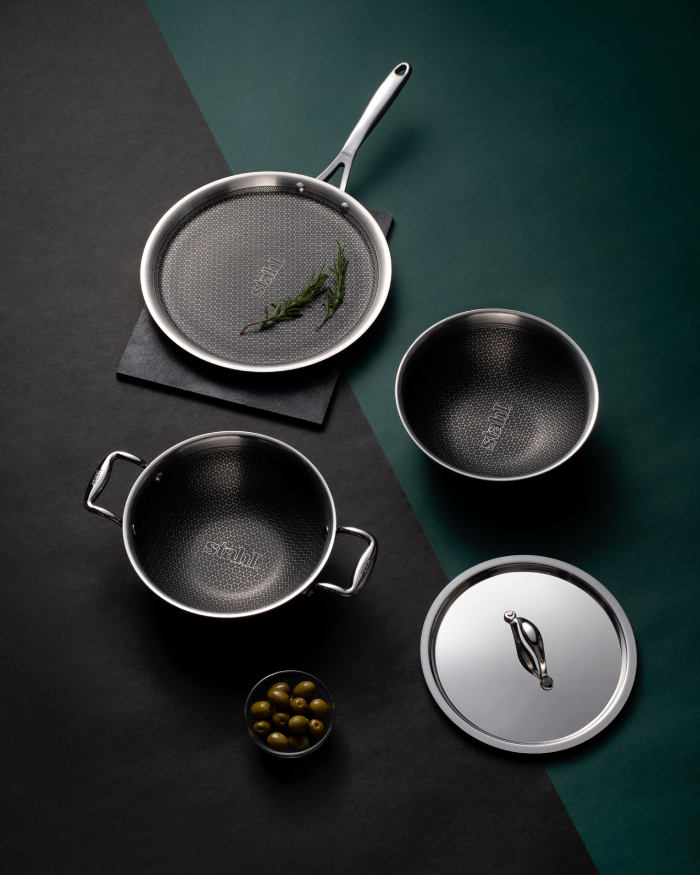
Non stick cookware offers a convenient cooking experience. Food slides off easily without sticking. This cookware has a special coating on its surface. The coating prevents food from clinging during cooking. It makes cleaning up much easier too. Non stick pans are popular in many kitchens. They save time and effort for busy cooks.
Materials Used In Non Stick Cookware
Most non stick cookware uses a Teflon coating. Teflon is a brand name for a plastic called PTFE. It is durable and heat resistant. Some pans use ceramic coatings instead. Ceramic is free from chemicals like PTFE and PFOA. Both materials create smooth cooking surfaces. They allow you to use less oil or butter. This makes meals healthier.
Popular Brands And Types
Several brands offer non stick cookware. T-fal, Calphalon, and All-Clad are well-known. Each brand provides different features. T-fal is budget-friendly and reliable. Calphalon offers a wide range of options. All-Clad provides high-quality, professional-grade pans. Non stick cookware comes in various types. Frying pans, saucepans, and griddles are common choices. Each type serves a specific cooking need.

Credit: www.facebook.com
Chemical Components In Non Stick Cookware
Non-stick cookware has become a staple in many kitchens due to its convenience and ease of use. However, the chemical components used in these products often raise concerns. Understanding these chemicals can help you make informed choices about what you cook with. Do you know what makes your pan non-stick? Let's dive into the details.
Understanding Ptfe
Polytetrafluoroethylene, commonly known as PTFE, is the chemical responsible for the slippery surface of non-stick pans. This compound is incredibly efficient at preventing food from sticking. Imagine flipping your pancakes with ease every morning. PTFE makes that possible. However, at high temperatures, PTFE can start to break down and release fumes. Have you ever noticed a strange smell when you accidentally leave your pan on the stove for too long?
While PTFE itself is not considered harmful at normal cooking temperatures, caution is advised. Ensure your cookware is in good condition, without scratches or chips. You can prolong the life of your non-stick pans by using wooden or silicone utensils. This small change can make a big difference in your kitchen.
Role Of Pfoa
Perfluorooctanoic acid, or PFOA, used to be a common chemical in the production of non-stick coatings. It's not present in the final product but was part of the manufacturing process. Are you aware that PFOA has been linked to health and environmental concerns? Thankfully, most modern non-stick cookware is now PFOA-free.
When purchasing new cookware, check the label for PFOA-free certification. This ensures you're avoiding unnecessary exposure to harmful chemicals. It's important to stay informed about what you're bringing into your home. Making a conscious choice can contribute to a safer cooking environment for you and your family.
Understanding these chemical components allows you to decide if non-stick cookware is right for you. With this knowledge, you can enjoy your cooking while minimizing potential risks. So, next time you're in the kitchen, think about what you're cooking with and how it impacts your health.
Potential Health Risks
Non-stick cookware offers convenience. But there are health concerns. Many people use non-stick pans daily. Understanding potential risks is important. Some experts point to health hazards linked to non-stick coatings. These hazards arise when pans overheat. They can also be linked to the chemicals used in the coating.
Toxic Fumes From Overheating
Non-stick pans can release fumes. This happens when they get too hot. These fumes are harmful. They contain toxic particles. Breathing them may cause flu-like symptoms. This condition is known as polymer fume fever. It mainly affects birds and small animals. But humans can be affected too. Keeping pans below 500°F reduces risk. Using the right temperature is crucial.
Link To Cancer And Health Disorders
Some non-stick coatings use a chemical. This chemical is called PFOA. It was used in production. Many experts link PFOA to cancer. Studies suggest it affects human health. It may lead to thyroid issues. It can also affect liver function. Manufacturers now avoid using PFOA. But older pans might still contain it. It's wise to check labels. Ensure your cookware is PFOA-free.
Environmental Concerns
Concerns arise about non-stick cookware due to chemicals like PTFE and PFOA. These may release toxins when overheated. Choosing cookware wisely can minimize health and environmental impacts.
Non-stick cookware has revolutionized our kitchens with its ease of use and convenience. However, its environmental impact raises significant concerns. As you cook your favorite meals, have you ever wondered about the broader effects of these handy pans? Let's dive into how non-stick cookware affects the environment and why it's essential to be aware of these impacts.
Impact On Wildlife
Non-stick cookware often contains chemicals like PFOA and PFAS. These substances can leach into the environment during production and disposal. When they enter water bodies, they pose a threat to aquatic life. Imagine a peaceful river, home to fish and other creatures. The introduction of these harmful substances can disrupt their habitat and food chain. Over time, this could lead to reduced populations or even extinction of some species. Are you aware of the long-lasting effects these chemicals can have on wildlife? Protecting our environment means considering the hidden costs of everyday products like non-stick cookware.
Recycling Challenges
Recycling non-stick cookware isn't as simple as tossing it in your recycling bin. The coating materials complicate the recycling process. This often leads to these items ending up in landfills. In a landfill, non-stick coatings don't break down easily. They can linger for years, leaching harmful substances into the soil and water. Next time you replace your cookware, think about its end-of-life journey. Can it be recycled or repurposed? Being mindful of these choices can reduce your environmental footprint and promote a healthier planet. Understanding these environmental concerns empowers you to make informed decisions. So, what steps will you take to minimize your impact? Let's explore alternatives and sustainable practices to ensure a safer future for our planet.
Safe Usage Tips
Non-stick cookware is a popular choice for its convenience. Yet, concerns about its safety persist. Understanding how to use it safely can alleviate worries. Following some simple tips can ensure a safe cooking experience.
Proper Cooking Techniques
Always cook on low to medium heat. High heat can damage non-stick surfaces. Avoid using metal utensils. They can scratch the coating. Instead, opt for wooden or silicone tools. Preheat the pan only with food inside. Empty heating can release harmful fumes.
Maintenance And Care
Wash non-stick pans by hand. Dishwashers can wear down the coating. Use mild soap and a soft sponge. Harsh cleaners can damage the surface. Store them carefully. Avoid stacking to prevent scratches. Regularly inspect for wear and replace as needed. A well-maintained pan ensures safe cooking.
Alternatives To Non Stick Cookware
Exploring cookware options beyond non-stick surfaces can be beneficial. Cast iron, stainless steel, and ceramic are popular alternatives. These materials offer durability and reduce potential health risks associated with non-stick coatings.
When considering alternatives to non-stick cookware, you might feel overwhelmed by the options available. However, switching doesn't have to be a daunting task. There are practical and effective alternatives that not only ensure a safe cooking experience but also enhance the flavors of your meals. Let’s dive into some of the best options you can choose for your kitchen.
Cast Iron Options
Cast iron is a timeless favorite for many home cooks. Its durability is unmatched, and it can last for generations with proper care. You might have memories of your grandmother using a heavy cast iron skillet to fry chicken or bake cornbread. One of the greatest benefits is its natural non-stick surface. With regular seasoning, a cast iron pan can achieve a slick surface that makes cooking a breeze. It's perfect for everything from searing steaks to baking bread. Consider starting with a basic cast iron skillet. It's versatile and can handle almost any cooking task. Remember, cast iron cookware can be a bit heavy, so be mindful of handling it with care.
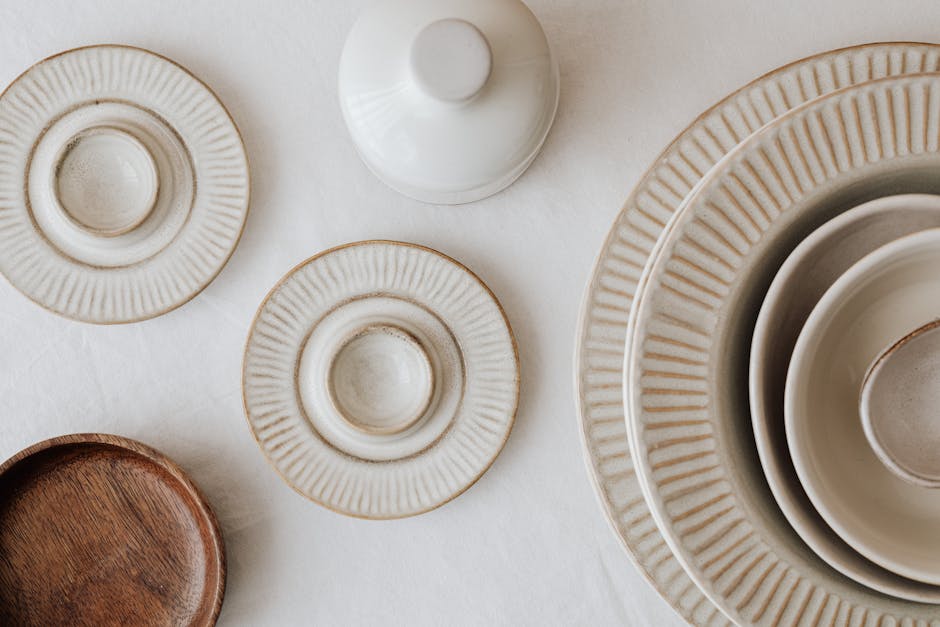
Ceramic Cookware
Ceramic cookware offers a modern twist to traditional cooking. It's an excellent choice if you want something easy to handle and aesthetically pleasing. Have you ever admired those colorful pots and pans in cooking shows? They might just be ceramic. Ceramic cookware is praised for its non-toxic properties. Unlike some non-stick options, it doesn't contain harmful chemicals. This makes it a great choice for health-conscious cooks. Ceramic pans are also easy to clean. A simple wipe usually does the trick, saving you time and effort. However, they can be prone to chipping, so gentle handling is key. When choosing alternatives, think about what matters most to you in the kitchen. Is it durability, health, or ease of use? Let these factors guide your decision. What experiences have you had with non-stick alternatives? Exploring these options can open up new culinary possibilities for you.
Regulations And Safety Standards
Non-stick cookware is a staple in many kitchens, known for its convenience and ease of use. However, concerns about its safety often arise. Understanding the regulations and safety standards that govern these products can help you make informed decisions about your cookware choices. Let's explore the guidelines and best practices that manufacturers follow to ensure your safety.
Government Guidelines
Governments worldwide have established strict guidelines for non-stick cookware to protect consumers. In the United States, the Food and Drug Administration (FDA) regulates the materials used in cookware, including the coatings on non-stick surfaces. The FDA ensures that these materials do not pose health risks when used as intended.
The European Union (EU) also has stringent regulations through its REACH (Registration, Evaluation, Authorisation, and Restriction of Chemicals) framework. This framework requires manufacturers to register chemical substances and demonstrate their safety. This means that non-stick coatings must meet safety standards before they reach your kitchen.
Industry Best Practices
Beyond government regulations, the cookware industry follows best practices to enhance product safety. Manufacturers often conduct rigorous testing to ensure their products can withstand high temperatures without releasing harmful chemicals. These tests simulate real cooking conditions to ensure your cookware is safe during everyday use.
Leading companies often invest in research and development to create safer, more durable non-stick coatings. These innovations can include using alternative materials that are free from controversial chemicals like PFOA. When you see labels like "PFOA-free," it indicates the manufacturer’s commitment to safer practices.
Have you ever wondered if your cookware is truly safe? Checking for certifications and labels can provide peace of mind. Look for products that comply with recognized safety standards, as this shows the manufacturer’s dedication to quality and consumer safety.
Remember, the key to safe non-stick cookware lies not only in choosing the right products but also in following usage instructions carefully. Simple actions like avoiding high heat and using appropriate utensils can significantly prolong the life of your cookware and ensure it remains safe for use.
Credit: www.businessinsider.com
Frequently Asked Questions
Are Non Stick Pans Safe For Cooking?
Non stick pans are generally safe for cooking when used correctly. Avoid overheating them to prevent harmful chemical release. Most modern non stick coatings are PFOA-free, reducing health risks. Regular maintenance and following manufacturer's instructions enhance safety and longevity.
Do Non Stick Coatings Contain Harmful Chemicals?
Some older non stick coatings contained PFOA, which is harmful. However, most modern non stick cookware is PFOA-free. Always check product labels for safety certifications. Proper usage and maintenance minimize the risk of chemical exposure during cooking.
Can Non Stick Cookware Release Toxic Fumes?
Non stick cookware can release fumes if overheated. These fumes are potentially harmful to birds and humans. Always cook on low to medium heat. Ventilate the kitchen well and avoid preheating empty pans to minimize risks.
How Long Does Non Stick Cookware Last?
Non stick cookware typically lasts 3 to 5 years with proper care. Use non-metal utensils to avoid scratches. Clean gently and avoid high temperatures. Following manufacturer's care instructions can extend the lifespan of your cookware.
Conclusion
Choosing cookware that suits your needs is essential. Non-stick options have benefits and risks. They offer convenience and easy cleaning. But some concerns about safety exist. Avoid overheating and use recommended utensils. This can help reduce risks. Always prioritize your health and safety in the kitchen.
Explore other cookware types like stainless steel or cast iron. They can be great alternatives. Make informed choices to ensure safe cooking. Consider the pros and cons carefully. Your kitchen should be a safe and healthy place.