Are you standing in the kitchen, staring at your cookware, wondering if stainless steel is better than ceramic? You’re not alone.
Choosing the right cookware can be a daunting task. The promise of perfect meals and effortless cleaning can lead you down a rabbit hole of options. You want the best, not just for your kitchen, but for your health and budget too.
This article will unravel the mystery behind stainless steel and ceramic cookware, highlighting their strengths and weaknesses. By the end, you'll be equipped with the knowledge to make an informed decision. Don't let confusion hold you back—let's dive into the details and discover which cookware truly deserves a place in your kitchen.
Material Composition
When you're in the market for cookware, understanding the material composition can guide you to make the best choice for your kitchen. Stainless steel and ceramic are two popular options, each with unique characteristics that may influence your decision. Let's delve into what makes these materials tick and how they might fit into your cooking routine.
Stainless Steel Basics
Stainless steel is known for its durability and resistance to rust and corrosion. It's an alloy composed mainly of iron, carbon, and chromium. The chromium content is what gives stainless steel its shiny finish and ability to resist rust.
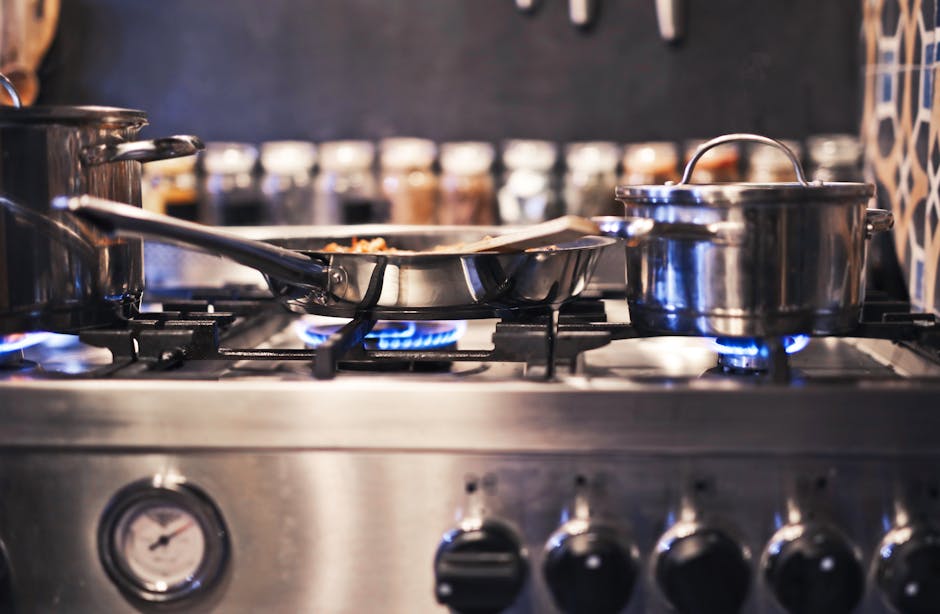
If you've ever handled stainless steel cookware, you know it's heavy and feels solid. This weight helps with even heat distribution, making it perfect for tasks like searing and browning. You might notice that many professional chefs prefer stainless steel for its reliability.
However, stainless steel can sometimes be a challenge when it comes to sticking. You might need to use more oil or butter to prevent food from adhering to the surface. Have you ever struggled to clean a pan after frying eggs? That's the sticky side of stainless steel.
Ceramic Properties
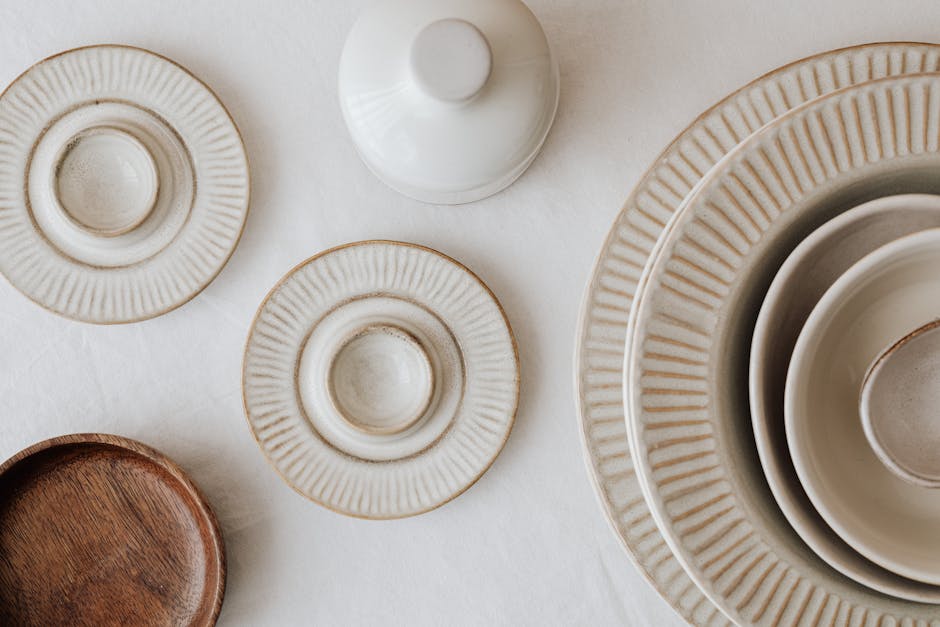
Ceramic cookware, on the other hand, is often praised for its non-stick properties. Made from clay that's been kiln-fired and glazed, ceramic is naturally slick, making it ideal for low-fat cooking.
This material is a favorite among health-conscious cooks. It's free from chemicals like PTFE and PFOA, which are often found in traditional non-stick coatings. You might appreciate this if you're trying to avoid synthetic materials in your kitchen.
Yet, ceramic isn't without its downsides. It's more fragile and prone to chipping compared to stainless steel. Ever dropped a ceramic pan only to find it cracked? That's the trade-off for its lightweight, easy-to-handle feel.
So, which material is better for your cooking style? Do you prioritize longevity and even heat distribution, or do you lean towards easy cleaning and healthier cooking methods? Your choice in cookware material can impact how you cook and enjoy your meals.
Durability And Longevity
Durability and longevity are crucial factors in choosing cookware. Both stainless steel and ceramic have their strengths. Understanding their durability can guide your choice.
Resistance To Wear And Tear
Stainless steel is known for its strength. It resists scratches and dents. This makes it a popular choice for busy kitchens. Ceramic is more delicate. It can chip or crack with rough handling. Careful use is essential for ceramic cookware.
Impact Of Daily Usage
Daily usage affects cookware longevity. Stainless steel handles frequent use well. It maintains its appearance over time. Ceramic needs gentle care. It may show signs of wear sooner. This difference impacts long-term satisfaction.
Heat Conductivity
Understanding heat conductivity is essential in choosing the right cookware. It affects how evenly your food cooks. Both stainless steel and ceramic cookware have their unique heat conductivity properties. Let's dive into how they perform in this aspect.
Cooking Performance
Stainless steel cookware distributes heat evenly across its surface. This ensures consistent cooking results. It's favored for tasks requiring high heat. Think searing or browning meats. Ceramic cookware, on the other hand, heats more slowly. It retains heat longer, perfect for simmering soups or stews. The slower heat transfer means food cooks gently, reducing the risk of burning.
Temperature Control
Stainless steel offers precise temperature control. Quick to respond to heat changes, it gives you control over your cooking. This makes it ideal for recipes needing exact temperatures. Ceramic cookware has a different approach. It provides a steady, even heat. Once heated, it maintains temperature well. This makes it great for dishes requiring slow, even cooking. Both options have their strengths based on your cooking needs.

Credit: www.360cookware.com
Safety And Health Considerations
Stainless steel cookware is generally more durable and resistant to scratches compared to ceramic. It doesn't leach chemicals into food, ensuring safer cooking. Ceramic cookware may offer non-stick benefits but can chip over time, potentially releasing harmful substances. Choose wisely for health-focused kitchen essentials.
When choosing between stainless steel and ceramic cookware, safety and health are often top priorities. You want to ensure that the cookware you use daily is free from harmful substances and doesn't negatively impact your meals. Let's dive into how these two popular materials stack up in terms of safety and health.
Non-toxic Elements
Stainless steel is often praised for its durability and resistance to rust and corrosion. It doesn't leach harmful chemicals into your food, even when cooking acidic ingredients like tomatoes or vinegar. This makes it a reliable choice if you're concerned about toxic elements in your cookware. Ceramic cookware, particularly when it's fully ceramic (not just coated), is also non-toxic. It doesn't contain harmful substances like PFOA or PTFE, which are sometimes found in non-stick coatings. However, be cautious with ceramic-coated options, as the coating can chip over time, potentially exposing you to unwanted materials.
Impact On Food Quality
Stainless steel is known for its ability to preserve the natural taste of food. It doesn't react with food, ensuring that your dishes taste just as they should. This makes it ideal for cooking a variety of meals without altering flavors. On the other hand, ceramic cookware offers even heat distribution, which can enhance the cooking process. This quality helps in achieving a consistent texture and flavor, especially when baking or cooking dishes that require precise temperature control. However, it's crucial to ensure that the ceramic surface remains intact, as a damaged coating might affect the quality of your food. Have you ever noticed a change in flavor when switching between different types of cookware? Paying attention to these details can elevate your cooking experience. Considering the safety and quality impact of your cookware might lead you to a healthier kitchen environment.
Maintenance And Care
Choosing between stainless steel and ceramic cookware involves understanding their maintenance needs. Proper care extends the lifespan of your pots and pans. It also ensures they remain safe for cooking. Let's explore how to maintain and care for both types of cookware.
Cleaning Ease
Stainless steel cookware often requires more elbow grease for cleaning. Food can stick if not used with enough oil or liquid. A non-abrasive sponge with warm soapy water usually works well. Avoid steel wool to prevent scratches. Ceramic cookware offers a smoother cleaning experience. Its non-stick surface helps food slide off easily. A soft sponge and mild detergent suffice for most ceramic pans. Avoid harsh scrubbers to maintain the surface.
Preventing Damage
Stainless steel is durable but can stain or discolor. Avoid high heat to prevent this. Use a gentle scrub to remove stains without scratching. Ceramic cookware is less tolerant to sudden temperature changes. Avoid putting hot ceramic pans in cold water. This prevents cracking. Use silicone or wooden utensils to avoid scratching ceramic coatings.
Cost And Accessibility
When selecting cookware, cost and accessibility are crucial factors. Both stainless steel and ceramic have distinct advantages. Understanding these can guide your choice effectively.
Price Comparison
Stainless steel cookware generally costs more. Its durability and performance often justify the price. Ceramic cookware, on the other hand, is more budget-friendly. It attracts those who prefer less expensive options. The price gap reflects material and production differences. With stainless steel, you pay for longevity and heat distribution. Ceramic offers affordability and a non-stick surface.
Availability In The Market
Stainless steel cookware is widely available. You can find it in most stores. Its popularity stems from reliability and performance. Ceramic cookware is also accessible, appealing to eco-conscious buyers. Both are available online and in physical stores. The choice depends on personal preference and cooking needs. Each type has unique features that cater to different users.
Environmental Impact
Choosing between stainless steel and ceramic cookware involves more than cooking performance. It also includes considering the environmental impact. Understanding which option is more sustainable helps make an eco-friendly choice.
Sustainability
Stainless steel cookware often lasts longer than ceramic. It is highly durable and resistant to rust. This longevity means less waste over time. Stainless steel is also recyclable, reducing environmental harm.
Ceramic cookware, on the other hand, can chip or crack. This can lead to more frequent replacements. While some ceramic products are recyclable, it depends on local facilities. Consider these factors when thinking about sustainability.
Eco-friendly Choices
Stainless steel production uses more energy than ceramic. This can increase its carbon footprint. Yet, the long lifespan of stainless steel offsets this initial impact. Choosing high-quality stainless steel reduces the need for replacements.
Ceramic cookware often contains natural materials. This can make it a more environmentally friendly option initially. Some brands use non-toxic glazes, which is important for eco-conscious consumers.
Both materials offer eco-friendly options. Look for brands with sustainable practices. Consider longevity and recyclability when deciding on cookware.

Credit: www.facebook.com
User Experience
Choosing between stainless steel and ceramic cookware can affect your cooking experience. Each material has its own feel and function in the kitchen. Understanding user experience helps decide which cookware suits your needs.
Consumer Preferences
Many consumers prefer stainless steel for its durability. It's sturdy and lasts for years. Stainless steel is also resistant to rust and stains. On the other hand, ceramic cookware appeals to those who want a non-stick surface. It's ideal for cooking without much oil or butter. Ceramic's colorful designs add style to your kitchen.
Practical Usage Scenarios
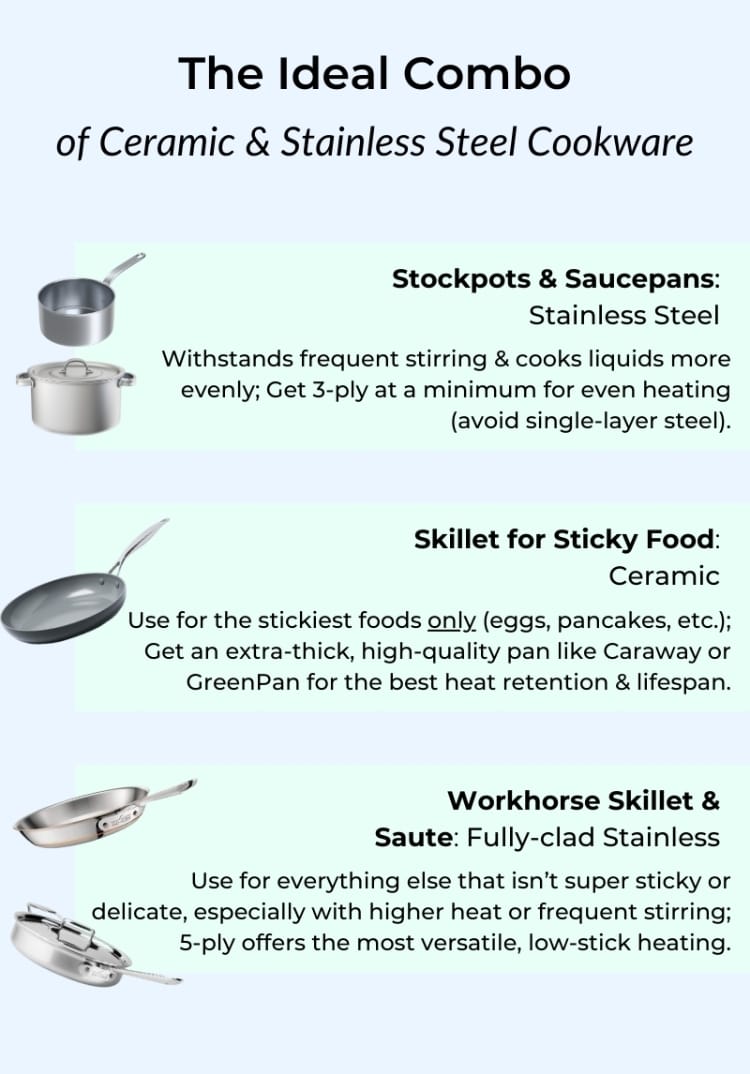
Stainless steel cookware works well for high-heat cooking. It’s perfect for searing meats and browning foods. This cookware also goes from stovetop to oven easily. Ceramic cookware is great for low to medium heat. It’s suitable for simmering sauces and stews. Ceramic pots and pans are usually lighter, making them easier to handle.
Credit: thegoodlifedesigns.com
Frequently Asked Questions
What Are The Benefits Of Stainless Steel Cookware?
Stainless steel cookware is durable and resistant to rust. It offers excellent heat distribution, ensuring even cooking. It's also versatile and can be used for various cooking methods. Additionally, stainless steel is easy to clean and maintain, making it a popular choice for home cooks.
Is Ceramic Cookware Healthier Than Stainless Steel?
Ceramic cookware is often praised for being non-toxic and free from harmful chemicals. It provides a non-stick surface without using synthetic coatings. However, stainless steel does not leach chemicals into food. Both options can be healthy, depending on how they're used and maintained.
How Does Ceramic Perform In High Heat?
Ceramic cookware can handle moderate heat well but might not be suitable for high temperatures. High heat can cause ceramic coatings to deteriorate over time. Stainless steel, on the other hand, can withstand higher temperatures, making it ideal for searing and browning.
Which Cookware Is Easier To Clean?
Stainless steel is generally easier to clean due to its smooth surface. It can be scrubbed without damaging the material. Ceramic cookware requires gentle cleaning to maintain its non-stick surface. Both types need proper care to extend their lifespan and maintain performance.
Conclusion
Choosing between stainless steel and ceramic cookware depends on your needs. Stainless steel offers durability and versatility. It's great for searing and browning. Ceramic provides a non-stick surface, ideal for low-fat cooking. Both have benefits and drawbacks. Consider your cooking habits and preferences.
Stainless steel suits high-heat cooking. Ceramic works well for gentle meals. Budget may also influence your choice. Each material can enhance your kitchen experience. Think about maintenance and longevity. Stainless steel often lasts longer. Ceramic requires careful handling. Your choice impacts your cooking style.
Make a decision that matches your lifestyle and tastes.