
Ever looked at your kitchen cabinets and wondered if they could look a little brighter and cleaner? If so, you're not alone.
Many people are on the hunt for the perfect solution to bring back the sparkle to their kitchen spaces. One product that often pops up in cleaning discussions is TSP, or trisodium phosphate. But is TSP good for cleaning kitchen cabinets?
You're about to find out. Imagine opening your kitchen cabinets and being greeted by a pristine, gleaming surface. It’s not just about aesthetics; it’s about creating a healthier and more inviting environment for you and your family. Curious? Let's dive into how TSP could potentially transform your kitchen cleaning routine. But first, let's unravel what TSP is and whether it’s the right choice for your beloved kitchen cabinets. Stick around, because this could be the game-changer you’ve been searching for!
What Is Tsp?
Trisodium Phosphate, commonly known as TSP, is a powerful cleaning agent. It's often found in powdered form and is used for heavy-duty cleaning tasks. People use TSP to tackle tough stains and grease in various areas of the home. Many consider it effective for cleaning kitchen cabinets.
TSP stands for Trisodium Phosphate. It is a chemical compound. This cleaning agent works well on greasy surfaces. It can break down oils and grime efficiently. TSP is popular for its ability to clean tough spots.
How Does Tsp Work?
TSP dissolves in water to create a strong cleaning solution. It helps cut through dirt and grease easily. The solution loosens particles on surfaces. This makes wiping off grime simpler.
Is Tsp Safe?
While TSP is effective, it should be used carefully. It can irritate skin if touched directly. Wearing gloves is advisable when using TSP. Proper ventilation is also important.
Using Tsp For Kitchen Cabinets
Kitchen cabinets often get greasy. TSP can clean them thoroughly. Mix TSP with water, apply to cabinets, and wipe clean. Rinse with water to remove residue.
Benefits Of Using Tsp
TSP cleans deeply and effectively. It removes stubborn stains and grease. Many find it useful for maintaining clean kitchen surfaces.
Benefits Of Tsp For Cleaning
When it comes to keeping your kitchen cabinets spotless, Trisodium Phosphate (TSP) is an effective cleaning agent that many homeowners swear by. Its powerful formula can tackle tough grease, stubborn stains, and prepare surfaces like no other. But what exactly makes TSP a preferred choice for cleaning kitchen cabinets? Let's dive into its benefits.
Effective Grease Removal
Grease can be a persistent enemy lurking on your kitchen cabinets, especially if you love cooking. TSP's high alkalinity breaks down grease with ease, ensuring your cabinets regain their shine. Imagine the satisfaction of seeing your cabinets gleam after a single wipe. Have you ever tried scrubbing away grease stains only to feel like you’re fighting a losing battle? TSP makes this task a breeze.
Stain Elimination
Kitchen cabinets are prone to stains from spills, splashes, and everyday usage. TSP works wonders in eliminating these blemishes, restoring your cabinets to their original glory. No more glaring coffee stains reminding you of yesterday's mishap. It’s amazing how a simple cleaning can transform the look of your kitchen. What stains have been bothering you lately?
Surface Preparation
Thinking of repainting or refinishing your cabinets? Proper surface preparation is crucial. TSP not only cleans but also helps prepare surfaces by removing residues that might hinder paint adhesion. A smooth, clean surface means your new paint will stick better and last longer. Have you ever started a DIY project only to realize the prep work was more important than you thought?
Using TSP for cleaning kitchen cabinets can make a significant difference in maintaining their appearance and longevity. Whether you're battling stubborn grease or planning a makeover, TSP could be your secret weapon. Are you ready to see what a difference it can make in your kitchen?
How Tsp Works On Kitchen Cabinets
Cleaning kitchen cabinets can often feel like an endless battle against grease, grime, and stains. Many homeowners wonder if TSP (trisodium phosphate) is the solution they've been seeking. With the right approach, TSP can indeed transform your cabinets, making them look cleaner and more vibrant. Let's explore how TSP works on kitchen cabinets, breaking down its effectiveness into key areas.
Breaking Down Grease
Grease is a stubborn adversary in the kitchen. TSP excels in cutting through thick layers of grease that build up over time. Imagine the satisfaction of wiping away that sticky residue with ease, revealing a cleaner surface underneath. If you've ever found yourself scrubbing tirelessly, TSP might be your time-saving ally. Simply mix TSP with warm water and apply it to the greasy areas. You'll notice the grease loosening its grip, making it easier to clean.
Tackling Tough Stains
Stains on kitchen cabinets can be particularly pesky. Whether it's spilled sauces or splattered oils, TSP is up to the challenge. Have you ever tried everything and still had a stubborn stain remain? TSP penetrates these stains, breaking them down without damaging your cabinet's finish. A gentle scrub with a TSP solution can often do the trick, restoring your cabinets to their former glory.
Restoring Shine
After dealing with grease and stains, the next step is restoring the shine to your cabinets. TSP doesn't just clean; it rejuvenates surfaces, leaving them looking bright and new. Have you ever noticed how a clean, shiny cabinet can transform the entire look of your kitchen? Using TSP can help you achieve that sparkling effect. Once the cabinets are clean, a quick polish can enhance that shine, making your kitchen truly stand out.
As you consider TSP for your kitchen cabinets, think about the changes you want to see. Are you ready to tackle grease, conquer stains, and bring back that sparkle? With TSP, you have a powerful tool at your disposal. Why wait to enjoy a cleaner, more inviting kitchen?

Credit: www.amazon.com
Safety Precautions
Cleaning kitchen cabinets with TSP (Trisodium Phosphate) can be effective, but it’s crucial to prioritize safety. TSP is a strong cleaning agent and requires careful handling to avoid any harmful effects. Let’s dive into some essential safety precautions that ensure a safe cleaning process.
Protective Gear
When working with TSP, wearing protective gear is vital. Use gloves to protect your skin from irritation or chemical burns. It’s also wise to wear goggles to shield your eyes from splashes. Have you ever experienced skin irritation because you skipped gloves? It's not pleasant.
Proper Ventilation
Good ventilation is essential when using TSP. Open windows and doors to allow fresh air to circulate. Use fans to disperse any fumes quickly. Have you ever felt dizzy while using strong cleaners? That’s a sign of poor ventilation. Stay safe by ensuring the area is airy.
Handling And Storage
Handling TSP requires caution. Avoid direct contact with the powder and mix it with water as instructed. Store TSP securely in a cool, dry place away from children and pets. Have you ever accidentally spilled a cleaner? It can be a hassle to clean up, and dangerous if not stored properly.
Keeping these precautions in mind makes your cleaning process safer and more efficient. Do you think you’ll take the extra step to protect yourself next time you clean? Prioritize safety to ensure a smooth and worry-free experience.
Steps To Clean Cabinets With Tsp
Trisodium Phosphate (TSP) is a powerful cleaner for kitchen cabinets. It cuts through grease and grime effectively. Proper cleaning ensures cabinets remain fresh and appealing. Follow these steps for the best results.
Gathering Supplies
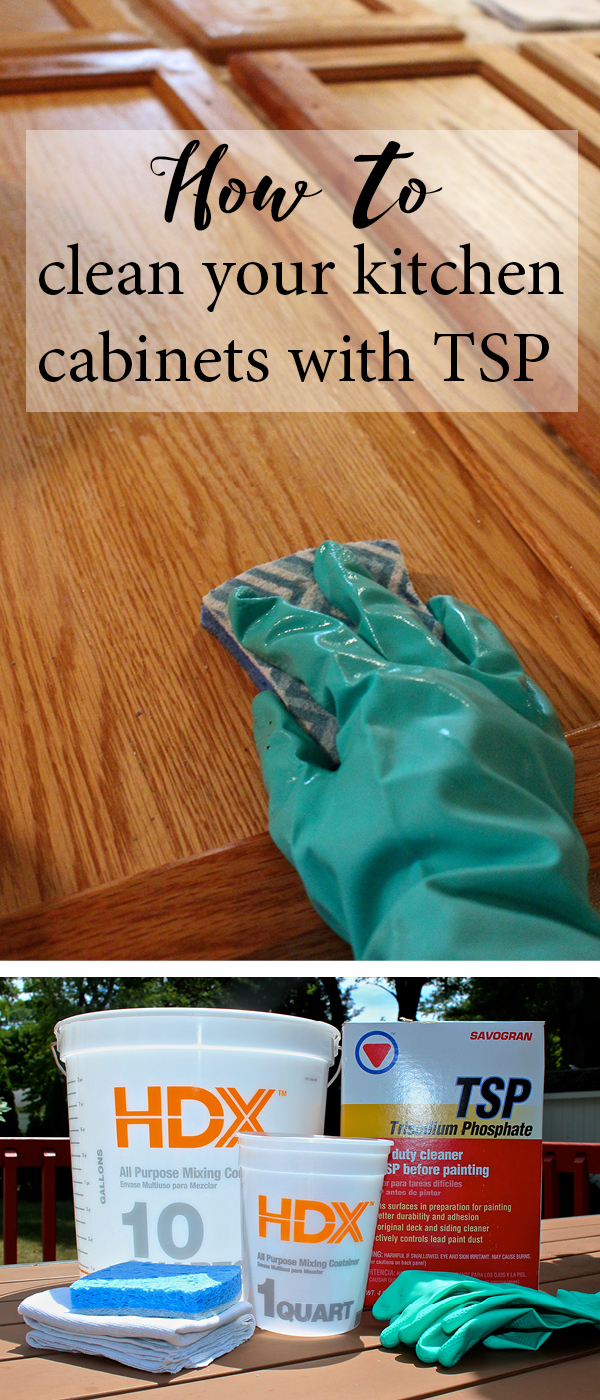
Start by gathering necessary supplies. You'll need TSP, water, a bucket, and a sponge. Also, have rubber gloves and safety goggles. These will protect your skin and eyes. A soft cloth for drying is also essential.
Mixing Tsp Solution
Mix TSP with water according to the package instructions. Use a bucket to create the solution. Stir well until the TSP dissolves completely. Ensure the mixture is ready before starting the cleaning process.
Application Process
Wear gloves and goggles for safety. Dip the sponge into the TSP solution. Squeeze excess liquid from the sponge. Wipe down the cabinet surfaces thoroughly. Focus on areas with stubborn stains or grease.
Rinsing And Finishing
After cleaning, rinse cabinets with clean water. Use a separate sponge or cloth for rinsing. Ensure no TSP residue remains on the surfaces. Dry cabinets with a soft cloth. This prevents water spots and ensures a clean finish.

Credit: www.amazon.com
Alternatives To Tsp
When it comes to cleaning kitchen cabinets, TSP (trisodium phosphate) has been a popular choice for years due to its effectiveness in cutting through grease and grime. However, some people are concerned about its potential environmental impact and health risks. If you're looking for alternatives, there are several options that can help keep your cabinets spotless without resorting to TSP. Whether you prefer natural cleaners, commercial products, or DIY solutions, there’s something for everyone. Let’s explore these alternatives to find what suits your needs best.
Natural Cleaners
Natural cleaners are a great choice if you want to avoid harsh chemicals. Vinegar and baking soda are two household staples that can effectively clean kitchen cabinets. Mix equal parts of vinegar and water for a simple spray cleaner that tackles grease. Baking soda, when combined with water to form a paste, can scrub away stubborn stains. These solutions are not only gentle on the environment but also safe for your family.
Have you ever tried using lemon juice? Its natural acidity can help break down grime. Just rub a lemon slice directly on the cabinet surface and wipe with a damp cloth. It's a refreshing and effective way to clean, especially if you love citrus scents.
Commercial Products
If you prefer ready-made solutions, there are numerous commercial products designed specifically for cleaning kitchen cabinets. Look for eco-friendly brands that prioritize safety and sustainability. Products like Method or Mrs. Meyer's offer effective cleaning without harmful chemicals. They often come in various pleasant scents, making the cleaning process more enjoyable.
Have you noticed how some commercial products leave a residue? Always check reviews and choose products that guarantee a streak-free finish. This ensures your cabinets look sparkling clean without any dull film.
Diy Solutions
Feeling creative? DIY solutions can be tailored to your specific needs. Mixing olive oil and vinegar creates a natural wood polish that not only cleans but also conditions your cabinets. Just apply the mixture with a cloth and buff to a shine. It's a simple, cost-effective method that leaves your cabinets looking new.
Have you ever thought of using castile soap? It's a versatile cleaning agent that, when diluted with water, can clean almost any surface. Add a few drops of essential oil for fragrance and voila – a personalized cleaner that suits your style.
Which alternative will you try first? Each option offers unique benefits that can fit your cleaning routine and preferences. It's all about finding what works best for you and your kitchen. Happy cleaning!
Environmental Impact
TSP, or trisodium phosphate, is effective for cleaning kitchen cabinets. It removes grease and stains easily. Yet, it can harm the environment if not used carefully. Opt for eco-friendly alternatives to reduce negative impacts.
Cleaning kitchen cabinets can be a tricky task, and many people turn to TSP (trisodium phosphate) for its efficiency. However, it's crucial to consider the environmental impact of using such a chemical. While TSP is effective, its use can have significant consequences on our surroundings. Understanding these impacts can help you make informed decisions about cleaning your kitchen in a more eco-friendly way.
Chemical Considerations
TSP is a powerful cleaning agent, but it is also a strong chemical. Its composition can harm aquatic life if it enters waterways. Many regions have restricted its use to prevent water pollution. When using TSP, you're handling a chemical that can affect both your health and the environment. Wearing protective gloves and ensuring proper ventilation is necessary. But, have you ever thought about what happens once it goes down the drain?
Disposal Guidelines
Proper disposal of TSP is essential to minimize environmental harm. After cleaning, make sure to dilute any leftover solution before disposing of it. Check your local regulations for guidelines on disposing of chemical cleaners. Remember, what goes down your drain can eventually make its way into local water systems. Consider using a bucket to catch rinse water and dispose of it through a community hazardous waste program. This small step can significantly reduce the potential environmental impact.
Eco-friendly Practices
If you're concerned about the environment, consider alternative cleaning practices. Use natural ingredients like vinegar or baking soda, which are less harmful. They can clean effectively without the negative consequences associated with chemicals like TSP. Switching to eco-friendly practices doesn't mean sacrificing cleanliness. You can maintain the shine of your kitchen cabinets while being kind to the planet. Have you tried using a mixture of warm water and lemon juice for cleaning? It’s surprisingly effective and leaves a fresh scent.
Credit: weekendcraft.com
Frequently Asked Questions
What Is Tsp Cleaner Made Of?
TSP, or trisodium phosphate, is an inorganic compound. It's used as a heavy-duty cleaner. It effectively removes grease, stains, and residue. Its alkaline properties make it ideal for tough cleaning tasks. TSP is commonly found in powder form. You simply mix it with water for use.
Is Tsp Safe For Kitchen Cabinet Cleaning?
TSP is generally safe for cleaning kitchen cabinets. However, it can be harsh on some finishes. It's important to test on a small area first. Always follow safety instructions and wear gloves. Proper ventilation is advised during use. Rinse thoroughly to avoid residue on surfaces.
How Does Tsp Clean Kitchen Cabinets?
TSP effectively removes grease and grime from cabinets. It breaks down tough residues due to its alkaline nature. Simply mix with water and apply using a sponge. Scrub gently to avoid damaging surfaces. Rinse thoroughly to ensure no chemical residue remains.
Can Tsp Damage Cabinet Surfaces?
TSP can potentially damage some cabinet surfaces. It's especially true for delicate finishes. Always test on a small area first. Follow with a thorough rinse to remove residues. Use cautiously on painted or varnished surfaces. Consider using a milder cleaner if unsure.
Conclusion
TSP offers a reliable solution for cleaning kitchen cabinets. Its strong formula effectively cuts through grease. Dirt and grime do not stand a chance. Easy to use, it saves time and effort. Remember, safety comes first. Wear gloves and ensure good ventilation.
TSP works well for deep cleaning tasks. It suits various cabinet types. Always test a small area first. This ensures no damage occurs. For regular cleaning, a milder solution might be better. But, for tough jobs, TSP remains a solid choice.
Cleaner cabinets lead to a fresher kitchen space. Enjoy your clean and fresh kitchen!