
Grease on kitchen cabinets can be a real headache, right? You're not alone.
Many of us struggle with those stubborn, sticky spots that just won't budge. But what if there was an easy way to clean them off? Imagine walking into your kitchen and seeing sparkling cabinets that look brand new. It’s possible, and you don’t need to spend hours scrubbing or buying expensive cleaners.
You’ll discover simple, effective methods to tackle grease effortlessly. Stick with us, and soon, your kitchen will shine like never before. Are you ready to transform your space? Let's dive in and make it happen!
Common Causes Of Grease Buildup
Grease buildup on kitchen cabinets is a common household problem. It not only affects the appearance but also attracts dust and dirt. Understanding its causes can help prevent it from accumulating. Knowing what triggers grease buildup is the first step to keeping cabinets clean and shiny.
Cooking Activities
Cooking releases grease particles into the air. These particles settle on cabinets, forming a sticky layer. Frying food increases grease in the kitchen. Even baking can contribute to the problem.
Ventilation Issues
Poor ventilation traps grease in the kitchen. Without proper airflow, grease particles stick to surfaces. A good exhaust system helps remove these particles. Regularly cleaning vents prevents grease buildup.
Lack Of Regular Cleaning
Neglecting cabinet cleaning leads to grease accumulation. Grease builds up over time without regular maintenance. Wiping cabinets often prevents the sticky residue. Using appropriate cleaning products ensures better results.
High Humidity Levels
High humidity levels can worsen grease buildup. Moisture in the air helps grease stick to surfaces. Keeping humidity in check can reduce the problem. Using dehumidifiers can be effective in controlling moisture.
Dust And Dirt Attraction
Grease attracts dust and dirt, making cabinets dirty. This combination creates a tough layer to clean. Regular cleaning keeps dust and dirt at bay. Use microfiber cloths for better dust removal.
Credit: www.youtube.com
Natural Cleaning Solutions
Grease on kitchen cabinets can be stubborn. Natural cleaning solutions offer safe and effective options. These solutions use ingredients you might already have at home. They help to dissolve grease without harsh chemicals.
Using natural cleaners is eco-friendly. They ensure your cabinets are clean and safe for your family. Let's explore some of these solutions.
Vinegar And Baking Soda
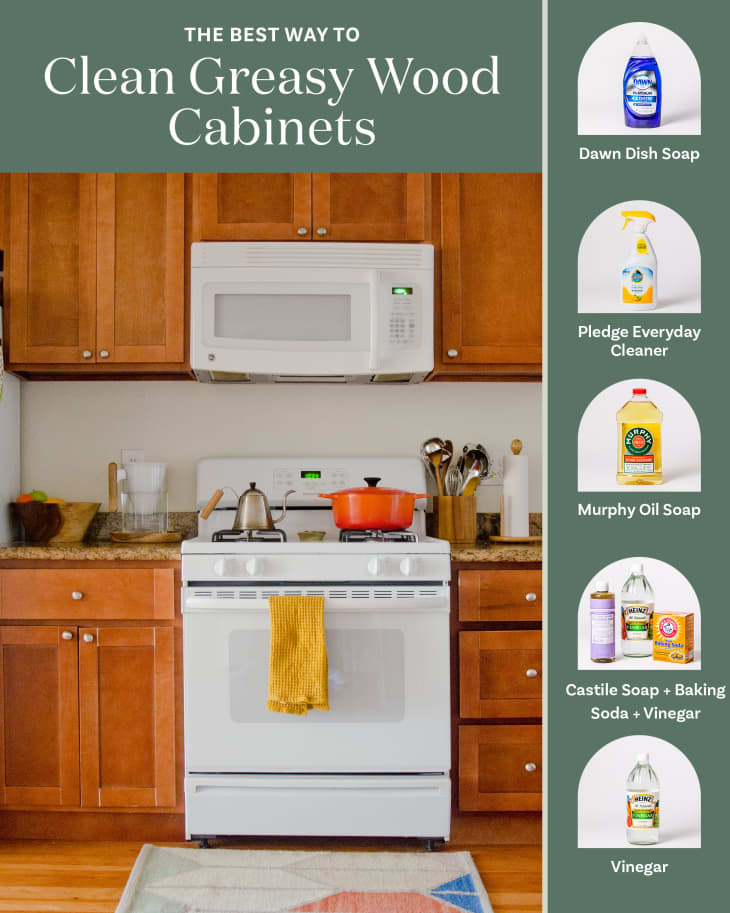
Vinegar is acidic and cuts through grease easily. Baking soda is a gentle abrasive. Together, they make a powerful cleaning duo. Mix equal parts of vinegar and water in a spray bottle. Sprinkle baking soda directly on grease stains. Spray the vinegar solution over the baking soda. Let it fizz and bubble for a few minutes.
Scrub the area gently with a soft cloth. Rinse with water and wipe dry. Your cabinets will look fresh and clean.
Lemon Juice And Olive Oil
Lemon juice is a natural degreaser. Olive oil helps to shine and polish surfaces. Mix one part lemon juice with two parts olive oil. Apply the mixture to the greasy area using a soft cloth. Gently rub in circular motions. This removes grease and leaves a pleasant scent.
Wipe the area with a clean cloth to remove any residue. Your cabinets will shine beautifully.
Salt And Rubbing Alcohol
Salt is abrasive and helps to scrub away grease. Rubbing alcohol evaporates quickly, taking grease with it. Mix two tablespoons of salt with a cup of rubbing alcohol. Dip a cloth into the mixture and scrub the greasy spots. The salt will help lift the grease while alcohol dissolves it.
Rinse the area with warm water and dry with a towel. This leaves your cabinets clean and grease-free.
Commercial Cleaning Products
Grease on kitchen cabinets can be challenging to remove. Effective cleaning products tackle this issue effortlessly. Choose degreasers or natural cleaners with vinegar to ensure spotless results. Regular maintenance keeps cabinets looking fresh and clean.
Cleaning grease off kitchen cabinets can often feel like a daunting task. Luckily, commercial cleaning products are designed to make this chore much easier and more efficient. With a wide array of options available, choosing the right product can save you time and effort.
Degreasers
Degreasers are powerful products specifically formulated to tackle stubborn grease stains. They break down oily residues quickly, making them an essential tool in your cleaning arsenal. Consider a non-toxic or biodegradable degreaser for a more environmentally friendly option. Using degreasers is straightforward. Spray the product directly onto the greasy surface and let it sit for a few minutes. This allows the formula to penetrate and soften the grease. Then, wipe it away with a clean cloth. The ease of use makes degreasers a popular choice for many homeowners. Have you ever noticed how satisfying it is to see a once-greasy cabinet shine after a quick application of degreaser? It's like a magic trick you can perform in your own kitchen.
Cabinet Cleaning Sprays
Cabinet cleaning sprays are versatile and convenient for everyday maintenance. They not only clean but also help maintain the finish of your cabinets. Some sprays are even infused with pleasant fragrances, leaving your kitchen smelling fresh. When selecting a cabinet cleaning spray, ensure it's suitable for your cabinet material. Some products are designed for wood, while others work best on laminate or painted surfaces. This specificity helps prevent any potential damage to your cabinets. Using the spray is as simple as spritzing it onto a microfiber cloth and wiping down the cabinets. This method prevents the wood from becoming too saturated, preserving its quality. Have you ever wondered why some kitchens always seem to look pristine? Regular use of a good cabinet cleaning spray might just be their secret weapon. Next time you're facing a greasy challenge in your kitchen, remember these commercial cleaning products. They're designed to simplify your cleaning routine and leave your cabinets looking their best. Which product will you try first?
Credit: www.reddit.com
Diy Cleaning Techniques
Grease on kitchen cabinets can be stubborn. Yet, with simple DIY methods, you can tackle it easily. These techniques are cost-effective and efficient. They require common household items. Plus, they are safe for most surfaces. Let's explore two effective methods.
Scrubbing With A Brush
A brush can be your best friend for cleaning. Use a soft-bristled brush for scrubbing. First, apply a mixture of warm water and dish soap. Gently scrub in circular motions. This helps lift the grease off. Rinse the area with clean water. Repeat if necessary. Your cabinets will look fresh and clean.
Using A Microfiber Cloth
Microfiber cloths are gentle and effective. They trap dirt and grease easily. Dampen the cloth with warm, soapy water. Wipe the cabinet surfaces thoroughly. For tough spots, apply a bit more pressure. Rinse the cloth frequently. Dry the cabinets with a clean, dry cloth. This method leaves a streak-free shine.
Preventive Measures
Baking soda mixed with water effectively cleans grease off kitchen cabinets. White vinegar also works well for tougher stains. Regular cleaning prevents buildup.
Keeping your kitchen cabinets clean from grease is a task that becomes much easier with a few preventive measures. Grease can be stubborn, and once it settles, removing it can feel like a battle. But what if you could prevent it from sticking in the first place? Taking small steps consistently can save you time and effort in the long run. Let's delve into some practical ways to keep your cabinets looking pristine.
Regular Maintenance
Regular maintenance is your first line of defense against greasy buildup. Wiping down your cabinets weekly can prevent grease from becoming a permanent resident. A simple solution of warm water and mild dish soap works wonders. Think about the last time you cleaned your cabinets. Did you notice how much easier it was when you cleaned them often? You can make a habit of quickly wiping them after cooking. This small action prevents grease from settling and becoming harder to remove. Many find that setting a reminder on their phone or calendar helps keep them on track. You might find it helpful too. Consistency is key here, and soon, it will become second nature.
Using Protective Coatings
Have you ever considered using protective coatings? They act as a barrier, preventing grease from sticking to your cabinets. Products like cabinet polish or wax can be applied easily and make a significant difference. A friend once shared how she used a natural beeswax polish on her kitchen cabinets. Not only did it protect them, but it also gave them a beautiful shine. This simple step made cleaning a breeze and kept her cabinets looking new. The idea is not just to clean but to protect. Why not give it a try? You might discover it's the solution you've been looking for. Taking a proactive approach to maintaining your kitchen cabinets can make all the difference. Regular cleaning and using protective coatings are simple yet effective strategies. What preventive measures will you start implementing today?
Credit: www.thekitchn.com
Safety Tips For Cleaning
Cleaning kitchen cabinets can be a daunting task. Grease buildup is stubborn. Safety is crucial when cleaning these surfaces. Protect yourself and your environment. Follow these simple safety tips to ensure a safe cleaning process.
Ventilation Considerations
Good ventilation is vital during cleaning. Open windows and doors. Fresh air reduces fumes from cleaning products. Use a fan to circulate air. This helps to keep you safe from harmful chemicals.
Protective Gear
Wear protective gear to shield yourself. Gloves protect your hands from harsh chemicals. Use goggles to prevent splashes in your eyes. An apron keeps your clothes clean. This gear minimizes risk and ensures safety.
Frequently Asked Questions
What Is The Best Cleaner For Greasy Cabinets?
The best cleaner for greasy cabinets is a mixture of vinegar and water. This solution cuts through grease effectively. Simply spray it on the surface, let it sit for a few minutes, and wipe it off. For stubborn stains, add a bit of baking soda to the mixture.
How Often Should I Clean Kitchen Cabinets?
You should clean kitchen cabinets at least once a month. Regular cleaning prevents the buildup of grease and grime. Focus on high-contact areas like handles and edges. For deep cleaning, perform a thorough scrub every six months.
Can Baking Soda Remove Cabinet Grease?
Yes, baking soda is effective for removing cabinet grease. It acts as a mild abrasive and lifts grease without scratching surfaces. Mix baking soda with water to form a paste. Apply it to greasy areas, let it sit, and then wipe clean.
Is It Safe To Use Vinegar On All Cabinets?
Vinegar is safe for most cabinet surfaces, including wood and laminate. However, avoid using it on natural stone, as it can cause damage. Always test a small area first. If you're unsure, consult your cabinet manufacturer for cleaning recommendations.
Conclusion
Cleaning grease off kitchen cabinets is simple with the right methods. Use dish soap and warm water for everyday cleaning. For tough grease, try vinegar or baking soda. These are safe and effective. Regular cleaning keeps cabinets looking new. It also prevents build-up.
Consistency is key. Clean spills immediately to avoid stains. Remember to dry cabinets after cleaning. This prevents water damage. Your kitchen will look fresh and inviting. Always ensure to use gentle cloths. Avoid harsh scrubbing. This protects the cabinet finish.
Enjoy a spotless kitchen with these easy tips.