
When you’re preparing a meal for your family, the last thing you want to worry about is whether your cookware is putting their health at risk. Choosing the safest cookware is essential for peace of mind and ensuring that your meals are nutritious and free from harmful chemicals.
Imagine cooking with pots and pans that not only enhance your food’s flavor but also safeguard your well-being. This article will guide you through the different types of cookware and help you make informed choices. Discover which materials are truly safe for your kitchen and your health, and why it matters more than ever.
The answers might surprise you, and the tips could transform your cooking experience forever. Keep reading to find out which cookware will become your new kitchen ally.
Understanding Cookware Materials
Selecting the safest cookware involves knowing the material's health impacts. Stainless steel and cast iron are excellent choices. They don't leach harmful chemicals and are durable for everyday cooking.
Understanding cookware materials is crucial in ensuring the safety of your kitchen and the health of your family. Many of us have experienced the frustration of buying a seemingly great set of pots and pans, only to find out later that they might not be safe or durable. Let's dive into the nitty-gritty of cookware materials to help you make informed choices.
Non-toxic Options
Safety should be your top priority when choosing cookware. Some materials can leach harmful chemicals into your food. Opt for non-toxic materials like stainless steel, cast iron, and glass. These options are less likely to contaminate your meals. Aluminum cookware is lightweight and affordable, but unless it's coated, it may react with acidic foods. Ceramic coatings are a safer alternative, providing a non-stick surface without harmful chemicals. Consider your cooking habits and prioritize materials that align with health standards.
Durability And Safety
Durability goes hand-in-hand with safety. You want cookware that can withstand heat and frequent use without degrading. Stainless steel is known for its strength and resistance to rust and corrosion. It’s a staple in many professional kitchens for good reason. Cast iron, while heavier, offers durability and excellent heat retention. It’s perfect for slow cooking and can last generations with proper care. Ensure your cast iron is seasoned to prevent sticking and enhance flavor. Think about how often you cook and the types of dishes you prepare. Choosing the right material can make cooking easier and safer, ensuring you enjoy your culinary adventures without worry. Your kitchen should be a safe haven. By understanding the materials in your cookware, you can ensure both the quality of your meals and the safety of your loved ones. What changes can you make to your kitchen today for a healthier tomorrow?

Credit: www.facebook.com
Exploring Non-stick Cookware
Non-stick cookware has gained immense popularity in kitchens worldwide. Its ease of use and cleaning make it a favorite among home cooks. With various options available, choosing the safest non-stick cookware is essential. Understanding the differences can guide a healthier cooking choice.
Teflon Concerns
Teflon is a common non-stick coating found in cookware. It provides a slick cooking surface, reducing the need for oils. Despite its convenience, Teflon has raised health concerns. When overheated, it can release harmful fumes. These fumes might affect indoor air quality. Maintaining moderate cooking temperatures is crucial. Using Teflon at low heat minimizes risks. Ensure proper ventilation in the kitchen. Regular inspection for scratches or damage is vital.
Ceramic Alternatives
Ceramic cookware offers a safe non-stick alternative. It is free from harmful chemicals like PTFE and PFOA. Ceramic coatings are derived from natural materials. They provide effective non-stick properties without toxic risks. Ceramic cookware is known for its durability. It withstands high temperatures without releasing fumes. This makes it suitable for various cooking methods. Cleaning ceramic is straightforward, often needing just water and soap. Its safety and ease make it a preferred choice.
Benefits Of Stainless Steel
Stainless steel cookware stands out as a safe choice for cooking. Its durability and health benefits make it a favorite in kitchens worldwide. With its sleek appearance, stainless steel offers more than just visual appeal. It ensures safe cooking experiences and a long-lasting performance.
Health Advantages
Stainless steel does not react with food. This means your meals stay pure and healthy. The material resists rust and corrosion. So, harmful chemicals don't leach into your food. Its smooth surface prevents bacteria buildup. Thus, it promotes cleaner cooking practices.
Long-lasting Performance
Stainless steel boasts exceptional durability. It withstands high heat and heavy use without damage. This cookware is resistant to dents and scratches. So, it maintains its look and function over time. Proper care enhances its longevity. Hence, it remains a reliable kitchen companion for years.
Cast Iron Cookware Features
Are you searching for cookware that stands the test of time and provides a safe cooking experience? Look no further than cast iron cookware. Known for its durability and versatility, cast iron has been a favorite in kitchens for generations. But what makes it truly stand out among other options? Let's dive into its remarkable features.
Natural Non-stick Properties
Cast iron cookware boasts natural non-stick properties, a feature that may surprise you. When well-seasoned, cast iron pans develop a slick surface that rivals modern non-stick coatings. This seasoning process involves heating oil in the pan, creating a protective layer. Imagine the convenience of cooking eggs without them sticking to the pan. Plus, you avoid the risks associated with chemical non-stick coatings. Have you ever faced the frustration of food sticking to your pan? Cast iron might be your answer.
Nutritional Benefits
Did you know that cooking with cast iron can enhance your meal's nutritional value? As you cook, a small amount of iron leaches from the pan into your food. This is especially beneficial if you're looking to boost your iron intake naturally. Think about how simple it is to add extra nutrients to your diet without even trying. Some people claim their meals taste better when cooked on cast iron—have you noticed this? The added iron might just be the hidden ingredient.
With these compelling features, cast iron cookware emerges as a safe and practical choice for your kitchen. Its ability to provide a reliable cooking surface and nutritional benefits makes it a worthy addition to any culinary arsenal. Do you see cast iron taking a spot in your kitchen soon?
Glass Cookware Pros And Cons
Glass cookware offers safety benefits due to its non-reactive nature. It doesn't leach chemicals into food, ensuring healthier meals. On the downside, glass is fragile and can break easily. Careful handling is necessary to avoid accidents in the kitchen.
Choosing the right cookware for your kitchen can feel overwhelming, especially when considering safety. Glass cookware often stands out due to its sleek design and unique features. But is it the safest option for you? Let's explore the pros and cons to help you make an informed decision.
Heat Resistance
One of the biggest advantages of glass cookware is its exceptional heat resistance. You can easily transition from the oven to the table without worrying about cracking. This is a huge plus if you love baking casseroles or roasting vegetables. Glass also provides even heat distribution. This ensures that your food cooks evenly, reducing the risk of burnt or undercooked spots. Imagine making a perfect lasagna with a crispy top and well-cooked layers. However, glass cookware is not suitable for stovetop use. Direct flame or sudden changes in temperature can cause it to shatter. Always check your cookware's guidelines to avoid accidents.
Potential Drawbacks
While glass cookware has many benefits, it does come with some drawbacks. One concern is its weight. Have you ever tried lifting a glass baking dish filled with hot food? It can be quite heavy and cumbersome. Glass can also be more fragile compared to other materials like stainless steel or cast iron. A simple drop could result in a shattered mess on your kitchen floor. Think about your kitchen habits and storage options to decide if this is a deal-breaker for you. Another potential issue is the cost. High-quality glass cookware can be more expensive than other options. Consider whether the investment aligns with your cooking needs and budget. Choosing cookware involves balancing different factors. What matters most to you in your kitchen? Understanding the pros and cons of glass cookware can guide you to make a choice that best suits your lifestyle and cooking style.
Evaluating Copper Cookware
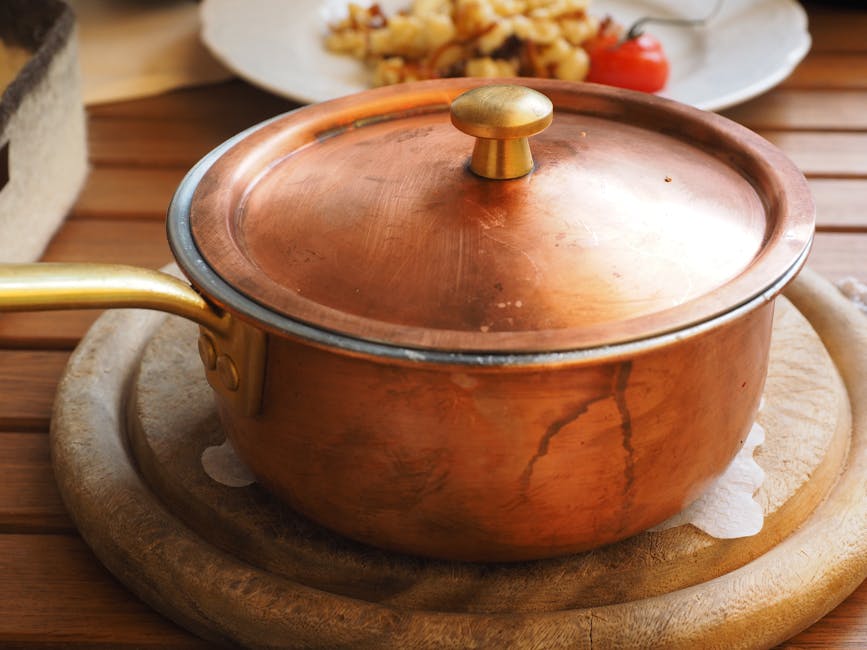
Copper cookware offers excellent heat distribution, making it a popular choice. Ensuring safety involves using cookware lined with stainless steel or tin. This prevents copper from leaching into food, maintaining health standards while cooking.
When considering the safest cookware for your kitchen, copper often catches the eye with its striking appearance and reputable cooking benefits. Copper cookware is celebrated for its exceptional heat conductivity, but how safe is it really? Let's dig into the pros and cons of using copper cookware in your culinary adventures.
Conductivity Benefits
Copper cookware is renowned for its excellent heat conductivity. This means it heats up quickly and evenly, allowing for precise temperature control. If you've ever scorched a delicate sauce due to uneven heating, you'll appreciate this feature. Many professional chefs swear by copper for tasks that demand precision, like making caramel or tempering chocolate. Its quick response to temperature changes helps prevent burning. However, its superior conductivity means copper cookware can be a bit expensive. Is the investment worth the efficiency it provides in your kitchen?
Safety Concerns
While copper cookware offers great cooking benefits, safety concerns shouldn't be overlooked. Pure copper can react with acidic or alkaline foods, leading to potential health risks. To address this, most copper cookware is lined with a safer metal like stainless steel or tin. You need to ensure the lining is intact, as damaged lining can expose food to copper. Regular inspection and proper maintenance are crucial to avoid any health hazards. When buying copper cookware, checking for proper lining is essential. Would you sacrifice safety for style and performance, or do you find peace of mind in knowing your cookware is secure? In my own kitchen, I once considered copper pots for their beauty and functionality. Yet, the maintenance and safety checks seemed daunting. Instead, I opted for copper-bottomed stainless steel pans, enjoying the best of both worlds without the constant worry. How does that choice resonate with you?
Eco-friendly Cookware Choices
Choosing the safest cookware involves considering materials like stainless steel, cast iron, and ceramic. These options minimize exposure to harmful chemicals. Prioritize eco-friendly choices that balance safety with sustainability for a healthier kitchen environment.
Choosing the right cookware isn't just about making a delicious meal. It's also about safeguarding your health and the planet. With growing awareness about environmental issues, many are turning to eco-friendly cookware options. These choices not only reduce your carbon footprint but also ensure you're cooking with safe materials. Let's dive into some eco-friendly cookware choices that are making waves today.
Sustainable Materials
When selecting eco-friendly cookware, materials matter. Opt for options like cast iron, stainless steel, and ceramic. These materials are not only durable but also recyclable. Cast iron, for instance, can last a lifetime with proper care. Stainless steel is another excellent choice, as it’s resistant to rust and doesn't leach harmful chemicals into your food. Ceramic cookware, especially those free from harmful coatings, offers a non-stick surface without the environmental cost. Consider bamboo utensils as well. They are biodegradable and add a touch of elegance to your kitchen. Have you ever thought about what your cookware is made of and its impact on your health?
Environmental Impact
The production process of cookware can significantly affect the environment. Brands that prioritize sustainability often use eco-friendly manufacturing processes. This can include reducing energy consumption and minimizing waste. Some companies are committed to using recycled materials in their products. This not only conserves resources but also reduces landfill waste. Choosing brands that are transparent about their environmental practices can make a huge difference. Imagine the collective impact if every household made eco-friendly choices. Are you supporting brands that reflect your values? By focusing on sustainable materials and considering environmental impact, you can make informed decisions. These choices contribute to a healthier planet and a safer kitchen. What steps will you take today to ensure your cookware is safe for both your family and the environment?
Credit: www.cleaneatingkitchen.com
Tips For Choosing Safe Cookware
Choosing safe cookware is essential for healthy cooking. The right tools ensure your food remains free from harmful substances. Let's explore some essential tips that can help you make informed decisions.
Material Considerations
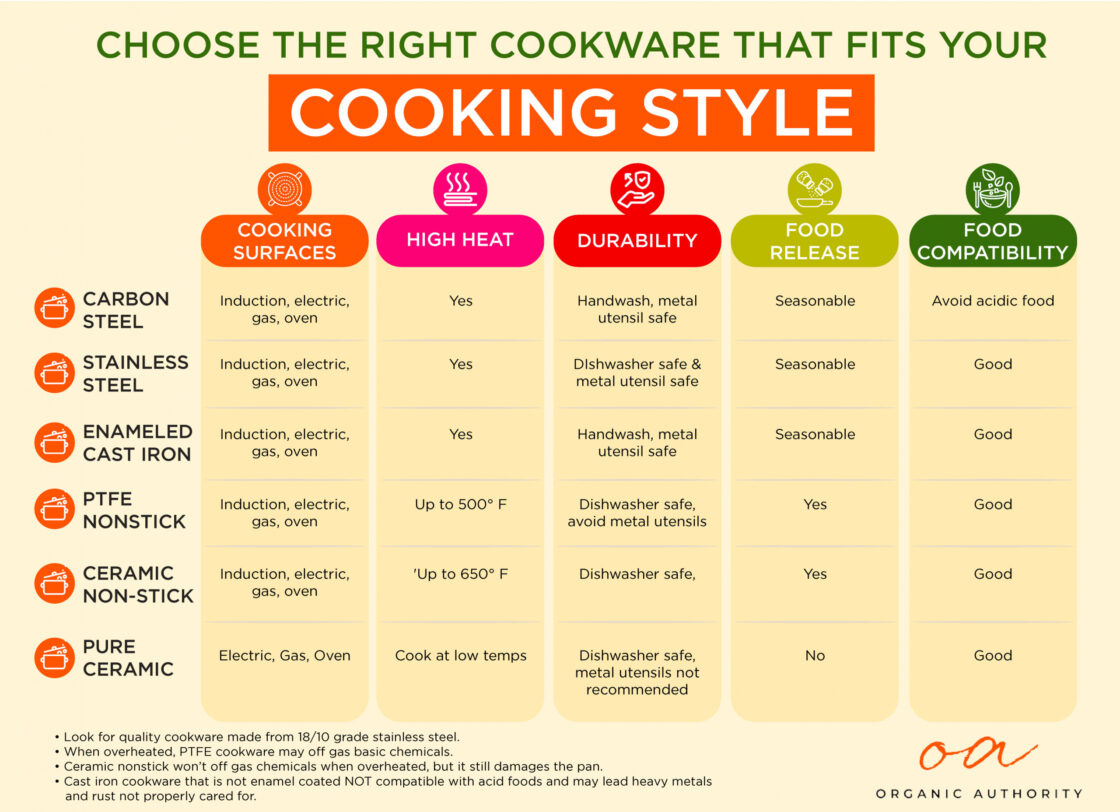
Start with natural materials like stainless steel or cast iron. Stainless steel is durable and resistant to rust. Cast iron adds iron to your food, which is healthy. Avoid non-stick coatings containing PFOA and PFOS. These chemicals can release toxins when heated.
Opt for ceramic or glass cookware. They don't leach harmful substances. Ceramic coatings should be lead-free. Read labels carefully. Look for certifications that guarantee safety.
Maintenance Practices
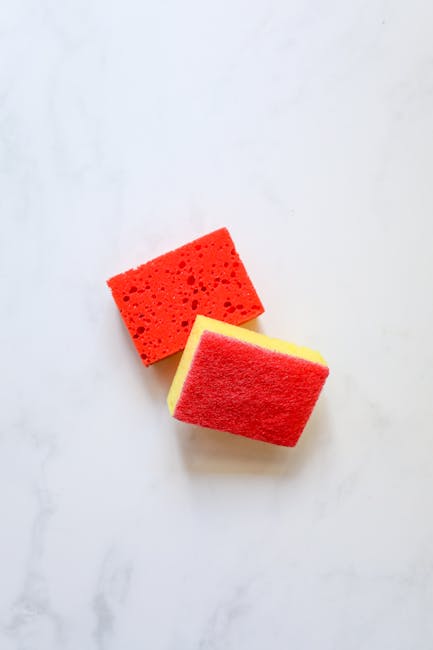
Proper maintenance extends the life of your cookware. Clean stainless steel with mild soap and water. Avoid harsh scouring pads. They can scratch the surface.
Season cast iron regularly. This prevents rust and maintains a non-stick surface. Use a soft sponge for ceramic and glass. Hard scrubbers can damage coatings.
Store cookware carefully to avoid chips and scratches. Use protective mats between stacked pans. This ensures longevity and safety.
Credit: www.organicauthority.com
Frequently Asked Questions
What Is The Safest Cookware Material?
The safest cookware materials include stainless steel, cast iron, and ceramic. These materials are non-toxic and durable. Stainless steel is resistant to leaching, while cast iron enriches food with iron. Ceramic is naturally non-stick and chemical-free. Choose high-quality cookware for optimal safety.
Are Non-stick Pans Harmful?
Non-stick pans can be harmful if they contain Teflon. When overheated, Teflon releases toxic fumes. Opt for ceramic-coated pans instead. They offer non-stick benefits without harmful chemicals. Avoid using metal utensils on non-stick surfaces to prevent damage. Regularly check for scratches that may expose the base material.
Is Cast Iron Cookware Safe To Use?
Yes, cast iron cookware is safe and beneficial for health. It releases iron into food, enhancing nutrition. It's free from harmful chemicals found in some non-stick coatings. Proper seasoning prevents rust and maintains its non-stick properties. Regular maintenance and cleaning prolongs its lifespan and effectiveness.
How To Choose Safe Ceramic Cookware?
Choose ceramic cookware with no chemical additives for safety. Look for 100% ceramic or ceramic-coated options. Ensure it's free from lead and cadmium. Avoid glazed ceramics that may contain toxic materials. Check reviews and certifications for quality assurance. Proper usage and care maximize its benefits.
Conclusion
Choosing safe cookware is crucial for health and peace of mind. Stainless steel, cast iron, and glass are top choices for safety. They don't leach chemicals into food. Ceramic options also offer great benefits. They are non-stick without harmful coatings.
Always check for quality and durability. Well-made cookware lasts longer and performs better. Avoid pots with scratch-prone surfaces. Regular cleaning and proper use extend the lifespan. Safe cookware protects your health. Make informed choices for a healthier kitchen. Your cooking experience will be more enjoyable and worry-free.
Invest in cookware that supports a safe and happy home.