
Imagine walking into your kitchen, greeted by the gleaming shine of your cabinets. It's a sight that can make you feel instantly at home, right?
But keeping those cabinets spotless can sometimes feel like an uphill battle. Whether it's sticky fingerprints or stubborn grease spots, you might wonder what the best solution is. That's where the right kitchen cabinet cleaner comes in. Choosing the perfect cleaner can transform your cleaning routine from a dreaded chore into a satisfying experience.
You’ll discover how to pick a cleaner that not only makes your cabinets sparkle but also protects their finish. Ready to unlock the secret to a cleaner kitchen? Let’s dive in.
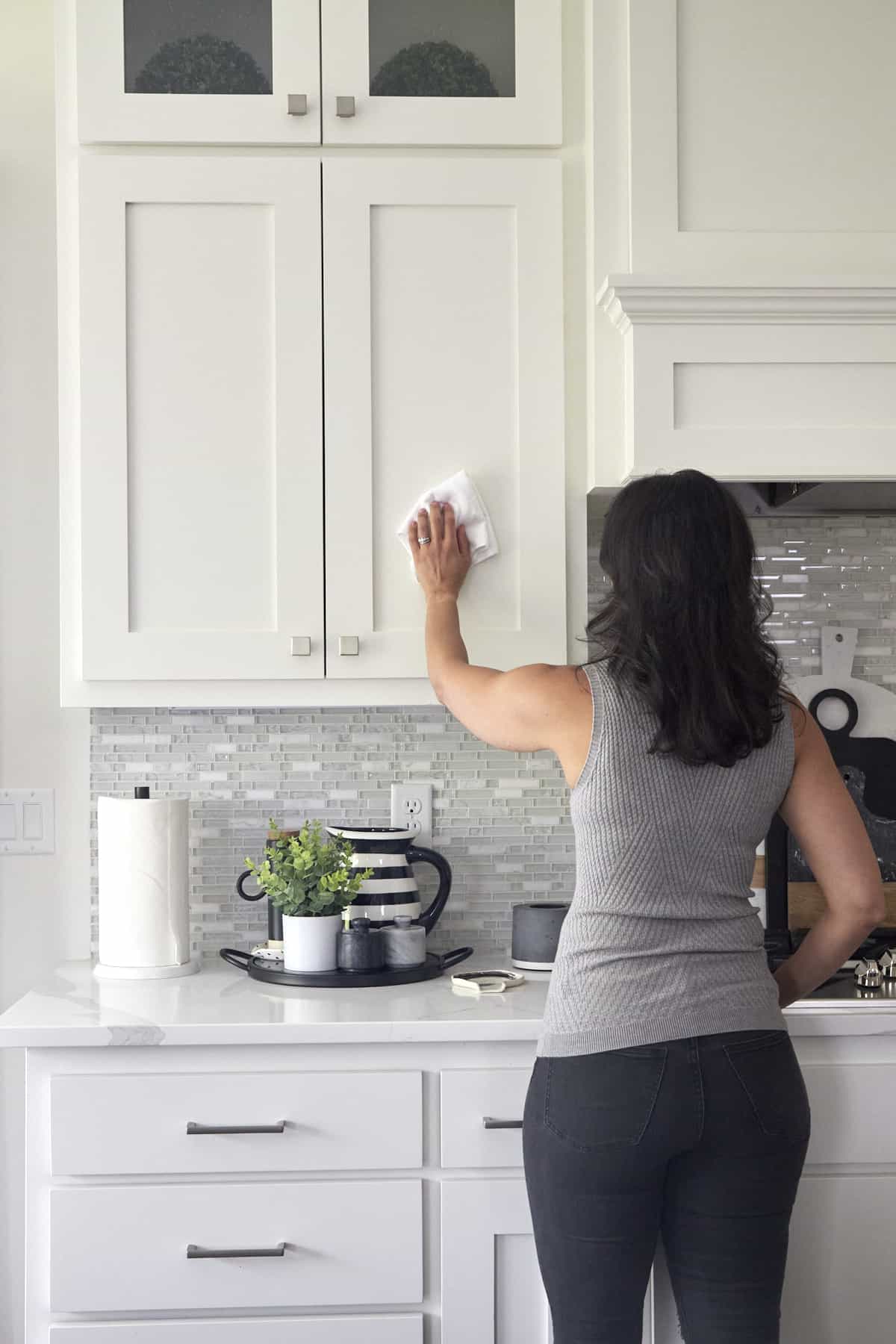
Credit: www.fooddolls.com
Importance Of Clean Kitchen Cabinets
Kitchen cabinets hold the heart of your cooking space. They store food, utensils, and other essentials. Keeping them clean is crucial for hygiene. A clean cabinet maintains a healthy environment. It prevents the buildup of dust and grime. Dirt can harbor germs and bacteria. Regular cleaning keeps them fresh and safe.
Clean cabinets enhance the beauty of your kitchen. Sparkling surfaces make the kitchen inviting. Guests notice a tidy kitchen space. Cleanliness reflects care and attention. It shows pride in your home. A clean cabinet boosts the overall aesthetic appeal.
Protecting Your Investment
Kitchen cabinets are a significant investment. Regular cleaning extends their lifespan. It prevents damage from stains and spills. Proper care avoids costly repairs. Clean cabinets stay in good condition longer. They retain their original shine and quality.
Preventing Health Hazards
Dirty cabinets can lead to health risks. Accumulated dust may trigger allergies. Grease can attract pests like cockroaches. Regular cleaning reduces these risks. It creates a safer kitchen environment. A hygienic kitchen protects your family’s health.
Enhancing Home Value
Clean kitchen cabinets improve home value. Buyers notice well-maintained spaces. A tidy kitchen increases appeal. It may enhance resale potential. Cleanliness suggests good home care. It adds to the overall value of your property.
Choosing The Right Cleaner
Selecting the right cleaner is essential. Choose products that fit your cabinet material. Some cleaners may damage surfaces. Read labels carefully. Ensure they are safe and effective. The right cleaner preserves cabinet beauty. It simplifies the cleaning process.
Types Of Kitchen Cabinet Materials
Choosing the right kitchen cabinet cleaner can be a game-changer for maintaining the beauty and longevity of your kitchen cabinets. But did you know that the effectiveness of a cleaner depends largely on the cabinet material? Each type of material requires specific care, and understanding this can save you both time and effort. Let's dive into the different types of kitchen cabinet materials and how to care for each.
Wood Cabinets
Wood cabinets bring warmth and a classic touch to your kitchen. They require gentle cleaning to avoid damage. Use a cleaner specifically designed for wood surfaces, preferably one that contains natural oils. These oils help in maintaining the wood's natural sheen.
Avoid harsh chemicals that can strip the finish. Instead, try a mix of vinegar and water for a natural solution. Remember, water can warp wood, so use it sparingly.
Laminate Cabinets
Laminate cabinets are known for their affordability and variety. They're less susceptible to staining, but they can still gather grime over time. A mild detergent mixed with water can work wonders. Use a soft cloth to wipe the surface gently.
Did you ever notice streaks after cleaning? That's often due to using too much cleaner. Less is more with laminate surfaces. Rinse with a damp cloth and dry immediately to prevent streaking.
Metal Cabinets
Metal cabinets are sleek and modern but can show fingerprints and smudges easily. A stainless-steel cleaner or a vinegar-water solution can keep them looking pristine. Always use a microfiber cloth to avoid scratches.
Have you ever wondered why some metals rust? Moisture is usually the culprit. Ensure that you dry the cabinets thoroughly after cleaning to prevent rust and corrosion.
Glass Cabinets
Glass cabinets add elegance and can make a kitchen feel more open. They are prone to fingerprints and grease. Use a glass cleaner or a simple mix of water and dish soap. Avoid abrasive scrubbers that can scratch the glass.
Think about the last time you cleaned your windows—similar principles apply here. Wipe in a circular motion to avoid streaks and achieve a sparkling finish.
Choosing the right cleaner for your cabinet material is crucial. Have you ever damaged your cabinet while cleaning? Share your stories below and let’s help each other keep our kitchens looking their best!
Factors To Consider In A Cleaner
Choosing the right kitchen cabinet cleaner is crucial for maintaining your kitchen's beauty. A good cleaner will remove dirt and grime without damaging surfaces. With so many options available, it's important to know what to look for. Understanding key factors can help make the best choice for your cabinets.
Safety And Non-toxicity
Safety should always come first when selecting a cleaner. Many products contain harsh chemicals that can be harmful. Look for cleaners labeled as non-toxic. These are safer for families and pets. Always check the ingredient list. Avoid cleaners with ammonia or bleach.
Ease Of Use
A good cleaner should be easy to use. Consider products with a spray bottle design. They allow for quick application. Wipes can be convenient too. Look for clear instructions on the label. This ensures you use the product correctly.
Effectiveness On Stains
Stains can be stubborn on kitchen cabinets. A quality cleaner will remove stains without extra effort. Check reviews to see if the product works well on grease and food stains. Test the cleaner on a small area first. This ensures it does not damage the finish.
Compatibility With Materials
Kitchen cabinets come in various materials. Wood, laminate, and metal all require different care. Make sure the cleaner is compatible with your cabinet material. Read labels carefully. Some cleaners may be too harsh for certain finishes. Always do a patch test to be sure.

Credit: www.youtube.com
Top Commercial Cleaners
Choosing the right kitchen cabinet cleaner can be challenging. With so many options available, finding the best commercial cleaner is crucial for maintaining a spotless kitchen. A good cleaner should remove grime without damaging surfaces. Let's explore some top commercial cleaners that cater to different needs.
All-purpose Cleaners
All-purpose cleaners are versatile. They work on various surfaces, including cabinets. These cleaners dissolve grease and tackle stubborn stains. Brands like Simple Green and Formula 409 are popular choices. They offer powerful cleaning action for everyday messes. Just spray and wipe for a fresh finish.
Specialty Cleaners For Wood
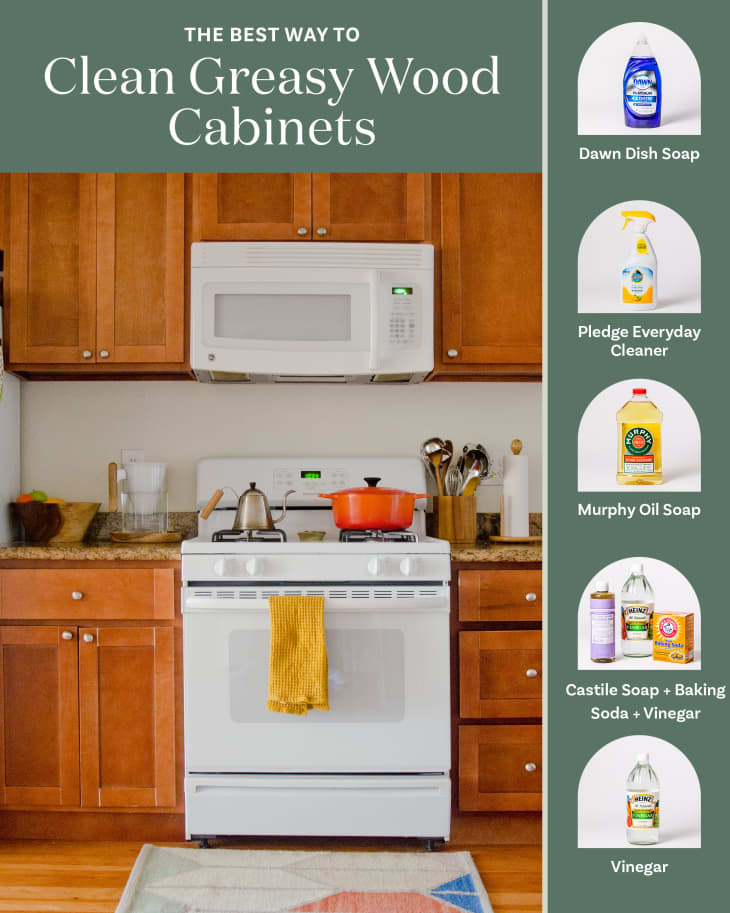
Wood cabinets need special care. Specialty cleaners are designed for wood surfaces. They protect the finish while cleaning. Products like Murphy Oil Soap and Method Wood Cleaner are excellent options. They remove dirt without stripping the wood's natural oils. Your cabinets will shine with a natural glow.
Eco-friendly Options
Eco-friendly cleaners are gentle on the environment. They are made with natural ingredients. Brands like Seventh Generation and Mrs. Meyer's offer safe cleaning solutions. These cleaners are free from harsh chemicals. They are ideal for households with pets and children. Enjoy a clean kitchen while being kind to the planet.
Homemade Cleaner Recipes
Discover the power of vinegar and water for sparkling kitchen cabinets. Mix equal parts for an effective cleaner. This simple solution removes grease and grime, leaving cabinets fresh and shiny. Safe for wood and paint, it’s a cost-effective choice for maintaining a clean kitchen space.
Cleaning your kitchen cabinets doesn't have to be a chore with the right homemade solutions. Why spend money on harsh commercial cleaners when you can whip up effective alternatives at home? These homemade cleaner recipes are not only cost-effective but also free from harmful chemicals. Discover the wonders of simple ingredients like vinegar, baking soda, and citrus, and how they can transform your kitchen cabinets into sparkling wonders.
Vinegar And Water Solution
A vinegar and water solution is a classic cleaner that's both simple and effective. Mix equal parts of white vinegar and warm water in a spray bottle. Spray the solution onto a soft cloth or directly on your cabinets, then wipe. Vinegar's natural acidity breaks down grease and grime without damaging the wood. One day, after a cooking marathon, I tried this on my kitchen cabinets, and the results were remarkable. The cabinets looked fresh and had a subtle shine. Have you tried it yet?
Baking Soda Paste
Baking soda is your go-to ingredient for tackling tough stains on your cabinets. To create a paste, mix baking soda with a bit of water until it forms a thick consistency. Apply the paste to the stained areas with a soft cloth or sponge. Gently scrub the stain, then wipe clean with a damp cloth. This method is a lifesaver for stubborn stains, like those coffee spills that never seem to disappear. Do you have a secret baking soda hack?
Citrus-based Cleaner
Citrus peels aren't just for the compost bin; they make an excellent cleaner. Fill a jar with citrus peels and cover them with white vinegar. Let the mixture sit for about two weeks, then strain the liquid into a spray bottle. This cleaner not only cuts through grease but also leaves a fresh citrus scent. I used this on my cabinets after a summer BBQ, and the freshness was unbeatable. Do you have a favorite citrus fruit for cleaning? By embracing these homemade cleaners, you not only save money but also protect your home from unnecessary chemicals. Why not give these recipes a try and see the difference they make? Your kitchen cabinets will thank you!
Credit: www.thekitchn.com
Tips For Effective Cleaning
A good kitchen cabinet cleaner effectively removes dirt and grease without harming the surface. Choose a non-toxic formula for safety. Ensure it doesn't leave streaks.
Cleaning kitchen cabinets can seem like a big task. Yet, with simple tips, it becomes easy. A good cleaner keeps your cabinets shiny and fresh. Let's explore some effective cleaning tips. Keep your kitchen looking its best.
Regular Maintenance
Regular cleaning is essential. Dust your cabinets weekly. Use a soft cloth. Remove crumbs and spots immediately. This prevents stains from setting. A gentle cleaner keeps surfaces fresh. Use warm water and mild soap. Avoid harsh chemicals. They can damage the finish.
Spot Cleaning Techniques
Spills happen often. Clean them immediately to avoid stains. Use a damp cloth for small spots. For sticky stains, use vinegar. Mix equal parts of vinegar and water. Spray and wipe with a cloth. This removes grease easily. For stubborn spots, use baking soda paste. Mix baking soda with water. Apply gently and rinse.
Avoiding Common Mistakes
Avoid using abrasive pads. They scratch surfaces. Don't soak your cabinets. Too much water can warp wood. Skip harsh chemicals. They ruin the finish. Read labels before using any product. Test new cleaners on a hidden area. Ensure no damage occurs. Follow these simple rules for a clean, beautiful kitchen.
Maintaining Cabinet Longevity
A good kitchen cabinet cleaner should be gentle yet effective. Natural ingredients like vinegar and water work well. Avoid harsh chemicals to keep cabinets looking fresh longer. Regular cleaning helps maintain their beauty and durability.
Maintaining the longevity of kitchen cabinets is essential for a fresh look. Proper care ensures they remain functional and attractive for years. Choosing the right cleaner plays a vital role. A good kitchen cabinet cleaner helps maintain your cabinets' shine and durability. Cleaners protect the finish, remove grime, and prevent damage. This guide will focus on key aspects to consider.
Protective Finishes
Cabinets come with protective finishes. These finishes shield against moisture and stains. They also enhance the cabinet's appearance. Using a cleaner that preserves these finishes is crucial. Opt for cleaners designed for your cabinet's material. Check the label for compatibility. This ensures the finish stays intact. Regular cleaning keeps cabinets looking new. Wipe with a damp cloth to remove dust and spills. Avoid excess water to prevent damage.
Avoiding Harsh Chemicals
Harsh chemicals can harm cabinet surfaces. They may strip protective coatings. This leads to dull, worn-out cabinets. Choose cleaners free from ammonia and bleach. These substances can cause discoloration. Natural cleaners are a safer alternative. Vinegar and water solutions work well. They effectively remove grease without damage. Test any new cleaner on a small area first. This ensures it won't cause harm. Regular cleaning with gentle products maintains cabinet health. Proper care extends cabinet life. Preserve their beauty and functionality with the right cleaner.
Frequently Asked Questions
What Makes A Kitchen Cabinet Cleaner Effective?
An effective kitchen cabinet cleaner removes grease, stains, and dirt without damaging surfaces. Look for cleaners with natural ingredients that break down grime. Ensure it’s safe for wood and laminate materials. A good cleaner should leave cabinets looking fresh and shiny, maintaining their original finish while being gentle on the environment.
Can I Use Homemade Cleaners For Cabinets?
Yes, homemade cleaners can be effective for cabinets. Mix vinegar, water, and a few drops of dish soap. Vinegar cuts through grease, and dish soap lifts dirt. Avoid harsh chemicals that damage surfaces. Test on a small area first to ensure it doesn't affect the finish or cause discoloration.
Are Natural Cleaners Safe For All Cabinet Types?
Natural cleaners are generally safe for most cabinet types, including wood and laminate. They contain fewer harsh chemicals, reducing the risk of damage. Always check the cleaner’s label for compatibility with your cabinet material. Test the cleaner on a hidden area to ensure it doesn’t cause unwanted reactions.
How Often Should I Clean Kitchen Cabinets?
Clean kitchen cabinets every few weeks to maintain their appearance and hygiene. Regular cleaning prevents grease and dirt buildup. Use a gentle cleaner and soft cloth for wiping. Spot clean spills immediately to avoid stains. Frequent cleaning keeps cabinets looking fresh and prolongs their lifespan.
Conclusion
Choosing the right kitchen cabinet cleaner matters. It keeps your cabinets looking new. A good cleaner removes grease and stains easily. It should be safe for your cabinet's material. Avoid harsh chemicals that might damage surfaces. Test a small area first to ensure compatibility.
Regular cleaning extends the life of your cabinets. It keeps your kitchen fresh and inviting. Remember, clean cabinets make a big difference. They enhance your kitchen's overall appeal. Happy cleaning!