Ever stood in your kitchen, eyeing those cabinets that seem to gather grease and grime out of thin air? You're not alone.
Keeping kitchen cabinets clean can feel like an uphill battle, but it doesn't have to be. Imagine opening your cabinet doors to a gleaming, spotless interior every time. Tempting, right? With the right cleaning methods, you can achieve that pristine look without breaking a sweat.
You'll uncover the secrets to making your cabinets shine like new. Whether it's the stubborn stickiness or those sneaky stains that seem impossible to remove, we've got the solutions you've been searching for. Ready to transform your kitchen space and make it sparkle? Let's dive in and discover what's good for cleaning kitchen cabinets.

Credit: www.youtube.com
Natural Cleaning Solutions
Cleaning kitchen cabinets can be a daunting task, especially when you want to avoid harsh chemicals. Natural cleaning solutions offer a great alternative. They are effective, inexpensive, and often already in your pantry. You might be surprised at how well these natural ingredients work. Let's dive into some simple mixtures that can keep your cabinets looking fresh and clean.
Vinegar And Water Mix
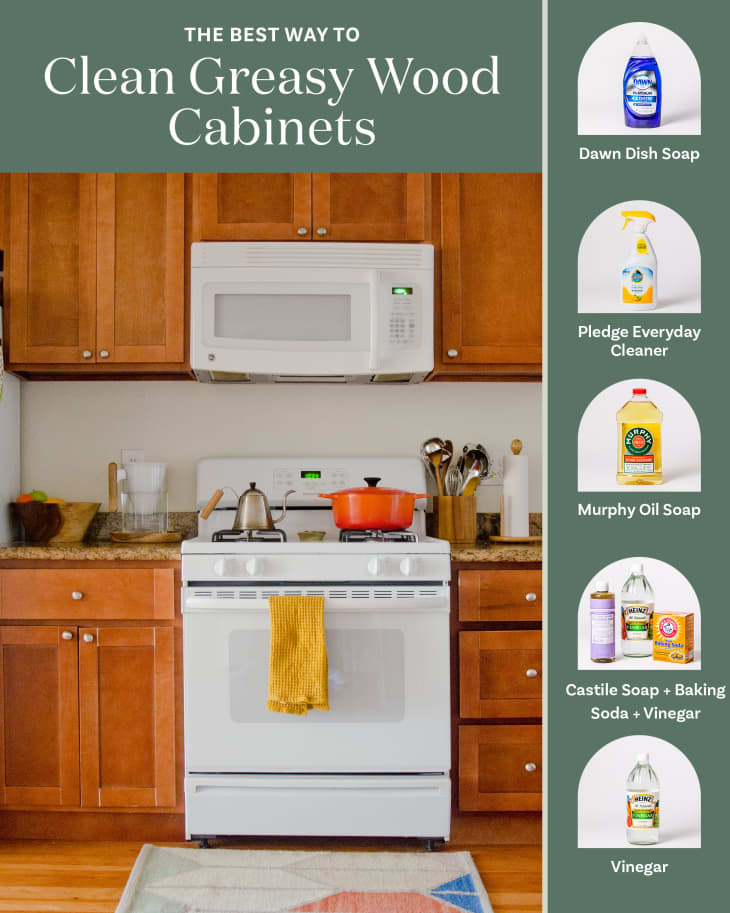
Vinegar is a powerhouse when it comes to cleaning. Mix equal parts vinegar and water in a spray bottle. This solution works wonders on grease and grime. Spray it onto your cabinets and wipe with a soft cloth.
Do you have stubborn spots? Let the solution sit for a few minutes before wiping. This mix is not only effective but also eco-friendly. Plus, you'll love the fresh smell it leaves behind.
Baking Soda Paste
Baking soda is not just for baking. It's a fantastic cleaner, especially for stubborn stains. Make a paste by mixing baking soda with a little water. Apply it to the stained area with a cloth or sponge.
Have you tried this method? You'll be amazed at how easily the stains lift. Baking soda's gentle abrasiveness makes it perfect for tough spots. Rinse with water and admire the clean surface.
Lemon Juice Power
Lemon juice is a natural cleaner that smells great. Its acidity helps cut through grease. Mix lemon juice with water and apply it to your cabinets. This solution leaves a refreshing scent.
Are your cabinets looking dull? Lemon juice can add a nice shine. It's also a disinfectant, making it ideal for kitchen use. Next time you're cleaning, give this citrus solution a try.
What natural solution will you try first? With these options, cleaning your kitchen cabinets can be both effective and enjoyable. Dive into your pantry and start cleaning today!
Commercial Cleaning Products
Choosing the right cleaning product for kitchen cabinets is essential. Gentle, non-abrasive cleaners protect finishes while removing grease and grime. Natural options like vinegar or baking soda offer safe, effective solutions.
Cleaning kitchen cabinets can be a daunting task, especially when you’re faced with stubborn grease and grime. Commercial cleaning products can make this chore easier and more effective. With so many options available, you might wonder which products are worth your investment. Let's explore some popular choices that can help your kitchen cabinets shine.
All-purpose Cleaners
All-purpose cleaners are a staple in many households. They work on various surfaces, including kitchen cabinets. You might have a bottle tucked away under your sink right now. They're versatile and can handle everyday messes. However, not all all-purpose cleaners are created equal. Some might leave a residue or not tackle tough stains effectively. Reading labels and choosing a reputable brand can make a difference. If you’ve tried an all-purpose cleaner that worked wonders, it might be your go-to for quick cabinet touch-ups.
Cabinet-specific Products
Sometimes, your cabinets need a little extra care. That's where cabinet-specific products come into play. These are formulated to address the materials and finishes of kitchen cabinets. They can remove dirt without damaging the surface. If your cabinets have a unique finish or are made of delicate materials, such as wood, these products are invaluable. They can preserve the look and extend the life of your cabinets. Consider trying a cabinet cleaner if you’re dealing with a persistent spot that just won’t budge.
Eco-friendly Options
Are you concerned about the environmental impact of cleaning products? Eco-friendly options are increasingly popular. These products promise effective cleaning while being gentle on the planet. They often use natural ingredients that are safe for your family and pets. Switching to eco-friendly cleaners can be a great choice if you're looking to reduce chemical exposure in your home. While they might require a bit more elbow grease, the peace of mind is worth it. Have you tried any eco-friendly cleaners? They might surprise you with their power to tackle tough cabinet stains. Cleaning kitchen cabinets doesn't have to be a tiresome chore. With the right commercial cleaning products, you can keep your kitchen looking fresh and inviting. Which product will you try next?
Cleaning Techniques
Kitchen cabinets need regular cleaning to stay fresh and appealing. Dust, grease, and food stains can build up over time. Using the right techniques ensures your cabinets look their best. This guide offers effective methods for cleaning kitchen cabinets.
Gentle Scrubbing Methods
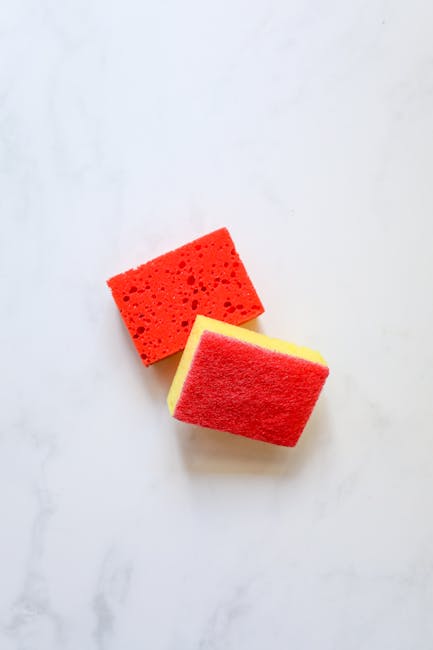
Use a mild dish soap mixed with warm water. Dip a soft sponge in the solution. Gently scrub the cabinet surfaces in small circles. This method helps remove grime without damaging the finish. Rinse with clean water to avoid soap residue.
Spot Cleaning Tips
For stubborn stains, use baking soda paste. Mix baking soda with a little water. Apply the paste on the stain and let it sit for a few minutes. Wipe away gently with a damp cloth. This technique is safe for most surfaces.
Using Microfiber Cloths
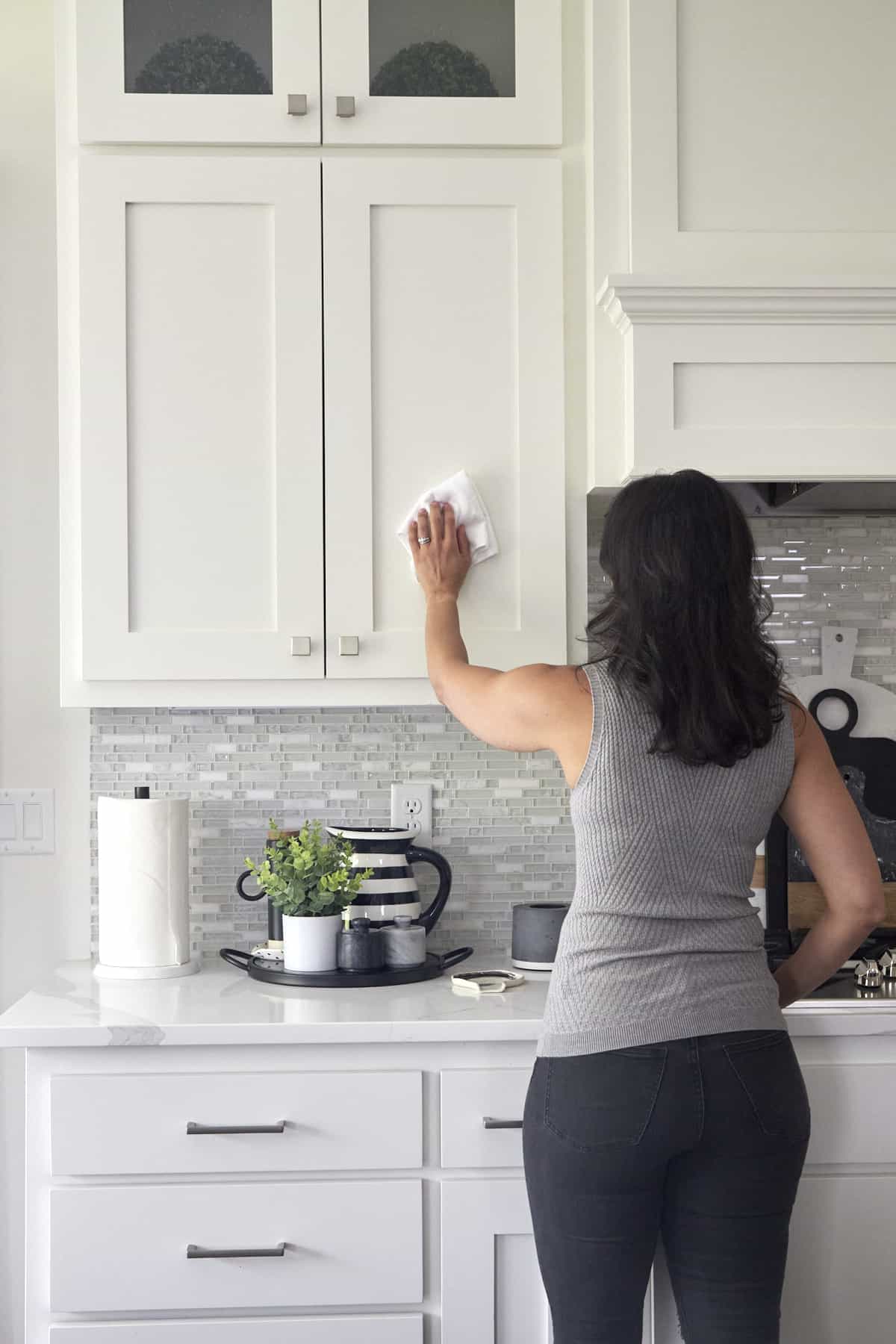
Microfiber cloths are great for cleaning cabinets. They are soft and absorbent. Use a damp microfiber cloth to wipe down surfaces. It picks up dust and dirt effectively. It also reduces streaks, leaving cabinets spotless.
Credit: www.fooddolls.com
Preventive Measures
Kitchen cabinets are the backbone of your cooking space, yet they often bear the brunt of daily wear and tear. To keep them looking pristine, adopting preventive measures is key. These measures not only prolong the life of your cabinets but also save you from frequent deep-cleaning sessions. Let's dive into some practical steps you can take to safeguard your cabinets.
Regular Dusting Routine
Dust can accumulate on cabinets surprisingly fast, creating a dull and uninviting appearance. Establishing a regular dusting routine ensures your cabinets remain free from grime. Use a soft cloth or microfiber duster to gently wipe surfaces, catching those pesky particles. Setting aside a few minutes weekly for this task can save you from dealing with stubborn stains later. Have you ever noticed how much brighter your kitchen feels after a good dusting?
Applying Protective Coatings
Protective coatings can be a game-changer for keeping your cabinets in top shape. These coatings act as a barrier against spills and scratches. Consider applying a thin layer of wax or polish specifically designed for kitchen surfaces. This extra step keeps your cabinets shiny and resistant to daily damage. Have you ever thought about how a simple coating can prevent future headaches?
Avoiding Harsh Chemicals
Many cleaning products promise quick results but can be harsh on cabinet finishes. Steer clear of chemicals like bleach or ammonia-based cleaners that can strip away protective layers. Opt for gentle, eco-friendly cleaners or homemade solutions like vinegar and water. These alternatives are kinder to your surfaces and to the environment. Ever wondered how much damage harsh chemicals can do over time?
Taking preventive measures not only maintains the aesthetic appeal of your kitchen but also reflects a sense of care and attention to detail. By incorporating these strategies into your routine, you'll find that keeping your kitchen cabinets clean becomes less of a chore and more of a simple, rewarding habit. Are you ready to give your cabinets the care they deserve?
Common Mistakes
Many people choose harsh chemicals for cleaning kitchen cabinets, but this can damage the finish. It's better to use mild soap and water for a gentle clean. Avoid soaking cabinets to prevent wood warping.
Cleaning kitchen cabinets can be tricky. Many make simple mistakes that lead to damage. Avoiding these pitfalls helps maintain your cabinets. Let's explore some common mistakes.
Over-wetting Surfaces
Water can damage cabinet surfaces. Excess moisture seeps into wood. This causes swelling and warping. Use a damp cloth instead of soaking wet. Wipe surfaces dry immediately. This prevents water damage and keeps cabinets looking new.
Using Abrasive Tools
Scratches ruin cabinet finishes. Avoid using steel wool or rough sponges. These can scratch and dull surfaces. Opt for soft cloths or sponges. They clean without damaging. Gentle tools preserve the cabinet's look and lifespan.
Ignoring Hardware
Neglecting hardware leads to build-up. Grease and dirt accumulate on handles. This affects both appearance and function. Clean knobs and handles regularly. Use a mild soap solution. Wipe them dry to avoid rust. Clean hardware enhances the overall cabinet cleanliness.
Credit: www.thekitchn.com
Safety Considerations
Use mild detergents and soft cloths to clean kitchen cabinets safely. Avoid harsh chemicals to prevent damage. Ensure proper ventilation to minimize inhaling fumes.
Cleaning kitchen cabinets can be a rewarding task. But ensuring safety is crucial for a hassle-free experience. Using the right products and techniques is essential. Safety considerations are necessary to protect yourself and your home. This section focuses on key safety aspects when cleaning kitchen cabinets.
Ventilation Importance
Proper ventilation is vital during cleaning. Chemicals in cleaning products can release fumes. These fumes can be harmful if inhaled. Open windows to allow fresh air to circulate. Use fans to help move air around. A well-ventilated area reduces health risks. It also ensures a comfortable cleaning environment.
Protective Gear
Wearing protective gear is important. Gloves protect your skin from harsh chemicals. Eye protection prevents splashes into your eyes. An apron or old clothes shields against spills. Comfortable shoes offer support during long cleaning sessions. Protective gear helps avoid accidents and injuries.
Safe Storage Of Products
Storing cleaning products safely is essential. Keep them out of children's reach. Use sturdy shelves for storage. Store products in their original containers. Clearly label each container. Ensure lids are tightly closed. Safe storage prevents accidental ingestion or spills. Organize the storage area for easy access.
Frequently Asked Questions
How Often Should I Clean Kitchen Cabinets?
Cleaning kitchen cabinets regularly is important. Aim for a thorough cleaning every three months. Wipe spills and stains immediately to prevent damage. Regular dusting helps maintain their appearance. This routine keeps them looking fresh and extends their lifespan.
What Products Are Safe For Cabinet Cleaning?
Use mild dish soap mixed with warm water for safe cleaning. Avoid harsh chemicals that can damage the finish. Consider using vinegar for stubborn stains. Test any cleaner on a small area first. This ensures it doesn’t harm the cabinet surface.
Can Vinegar Damage Kitchen Cabinets?
Vinegar is generally safe for cleaning kitchen cabinets. Use it diluted with water to avoid damage. It effectively removes grease and grime. Avoid using it on unfinished or porous surfaces. Always test in a small area to ensure compatibility.
How Do I Remove Grease From Cabinets?
To remove grease, mix dish soap with warm water and scrub gently. Use a soft cloth or sponge. Vinegar and baking soda can also be effective. Avoid abrasive scrubbing pads that might scratch the surface. This method ensures grease is removed without damage.
Conclusion
Cleaning kitchen cabinets doesn't have to be difficult. Simple methods work best. Use mild soap and water for daily cleaning. For tougher stains, try vinegar or baking soda. Always dry cabinets thoroughly to prevent damage. Regular maintenance keeps your kitchen shining.
Choose the right products to protect your surfaces. This ensures they last longer. Clean cabinets not only look great but also maintain hygiene. Keep your kitchen inviting and functional. Remember, a little effort goes a long way. Happy cleaning!