
Have you ever stood in the cleaning aisle, staring at the multitude of bottles, and wondered why you need separate cleaners for your bathroom and kitchen? Is it just a marketing ploy, or is there a real difference?
If you’ve ever asked yourself these questions, you’re not alone. Knowing the distinction between bathroom cleaner and kitchen cleaner can make your cleaning routine more efficient and effective, saving you both time and money. You’ll discover the specific roles these products play in your home and why using the right cleaner can make all the difference.
By the end, you'll be equipped with the knowledge to make smarter choices for a cleaner, healthier living space. Keep reading to uncover the secrets behind these essential cleaning products.
Purpose And Composition
When you're standing in the cleaning aisle, the abundance of options can be overwhelming. You might wonder why there's a separate cleaner for bathrooms and kitchens. The answer lies in the purpose and composition of these products. Each cleaner is specifically formulated to tackle the distinct challenges presented by its respective environment. Understanding these differences can help you choose the right product for each task, ensuring a cleaner, healthier home.
Bathroom Cleaner Ingredients
Bathroom cleaners are often designed to fight soap scum, hard water stains, and mildew. To achieve this, they typically contain ingredients like bleach, ammonia, or acids such as citric acid. These powerful components can break down stubborn deposits and kill bacteria. For example, the next time you're scrubbing your shower, you might notice how effectively bleach tackles moldy corners.
The challenge is balancing strength with safety. These ingredients need to be strong enough to sanitize surfaces but safe for regular use. Consider the ventilation in your bathroom; it's crucial to use these cleaners in well-ventilated areas to avoid inhaling fumes.
Kitchen Cleaner Ingredients
Kitchen cleaners focus on removing grease, food residues, and germs. They often contain surfactants, which are agents that lift dirt and oil from surfaces. You might find ingredients like baking soda or vinegar for more natural options. Next time you wipe down your countertop, notice how quickly grease dissolves with the right cleaner.
Safety is key, especially where food is prepared. Kitchen cleaners need to be effective without leaving harmful residues that could contaminate food. You'll often see "food-safe" labels on products, reassuring you that it's safe to use around cooking spaces.
Do you ever wonder if you could use one cleaner for both spaces? While it might seem convenient, using specialized products ensures that you're not just moving dirt around but truly cleaning. Next time you reach for a cleaner, consider what you're tackling and whether the ingredients are up to the task. Choose wisely, and you'll find cleaning less of a chore and more of a satisfying routine.
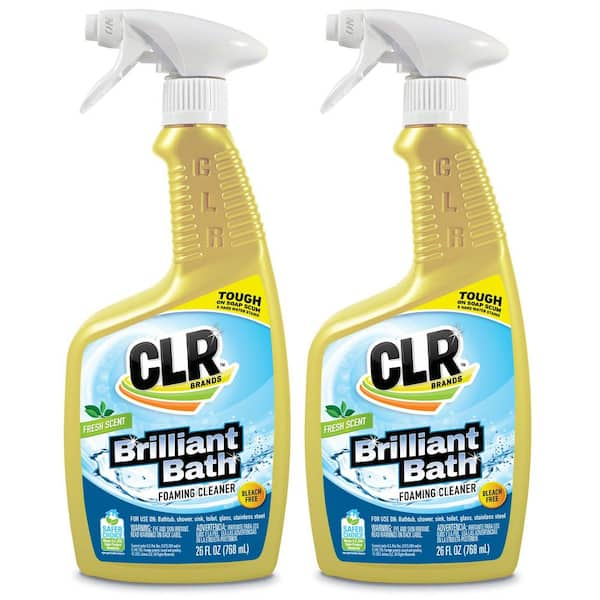
Credit: www.homedepot.com
Targeted Cleaning Areas
Cleaning products are tailored for specific areas and surfaces. Understanding the difference between bathroom and kitchen cleaners is crucial for effective cleaning. The targeted cleaning areas are unique and require specialized solutions. Each space has distinct surfaces that demand particular attention.
Bathroom Surfaces
Bathroom surfaces endure moisture and humidity daily. Tiles, tubs, and sinks attract soap scum and limescale. These surfaces need strong cleaners to break down minerals and prevent mold. Bathroom cleaners often contain ingredients that disinfect and remove tough stains. They are designed to tackle germs and bacteria common in bathrooms.
Kitchen Surfaces
Kitchen surfaces face grease, food spills, and stains. Counters, stovetops, and sinks require cleaners that cut through oil and food residues. Kitchen cleaners often have degreasers to address these challenges. They are formulated to ensure hygiene and cleanliness. It is important to use products that are safe for food prep areas. This ensures surfaces are clean without harmful residues.
Common Stains And Residues
Bathroom cleaner tackles soap scum and hard water stains. Kitchen cleaner fights grease and food residues. Different formulas target specific grime types.
Cleaning your home feels satisfying, but dealing with different types of stains and residues can be daunting. You might wonder why you need separate cleaners for the bathroom and kitchen. The answer lies in the unique challenges each area presents. The specific stains and residues in these rooms demand special attention. Let’s dive into the common stains and residues you encounter in your bathroom and kitchen.
Bathroom Stains
In the bathroom, the most common culprits are soap scum, hard water stains, and mildew. Soap scum forms a film on surfaces like shower doors and tiles, making them look dull. Hard water stains, with their pesky white spots, can seem impossible to remove from faucets and glass. Mildew thrives in damp environments, often appearing as dark spots on grout and ceilings. You might find that tackling these stains requires a cleaner with specific ingredients, like vinegar or baking soda. Have you ever noticed how a bathroom that smells fresh feels more inviting? Addressing these stains can make a significant difference.
Kitchen Residues
The kitchen is a battleground for grease, food splatters, and sticky residues. Grease from cooking can coat your stovetop and backsplash, turning surfaces into a sticky mess. Food splatters and spills are a daily occurrence, often leading to stubborn stains on countertops and appliances. Sticky residues from sugary substances can be a nightmare to clean, especially if left for too long. Using a cleaner with degreasing properties can help, but it’s equally important to tackle spills immediately. Have you ever tried scrubbing a week-old sauce stain? It’s a lesson learned the hard way. Understanding these differences helps you choose the right cleaner for each room. What’s your biggest cleaning challenge, and how do you overcome it? Share your thoughts!
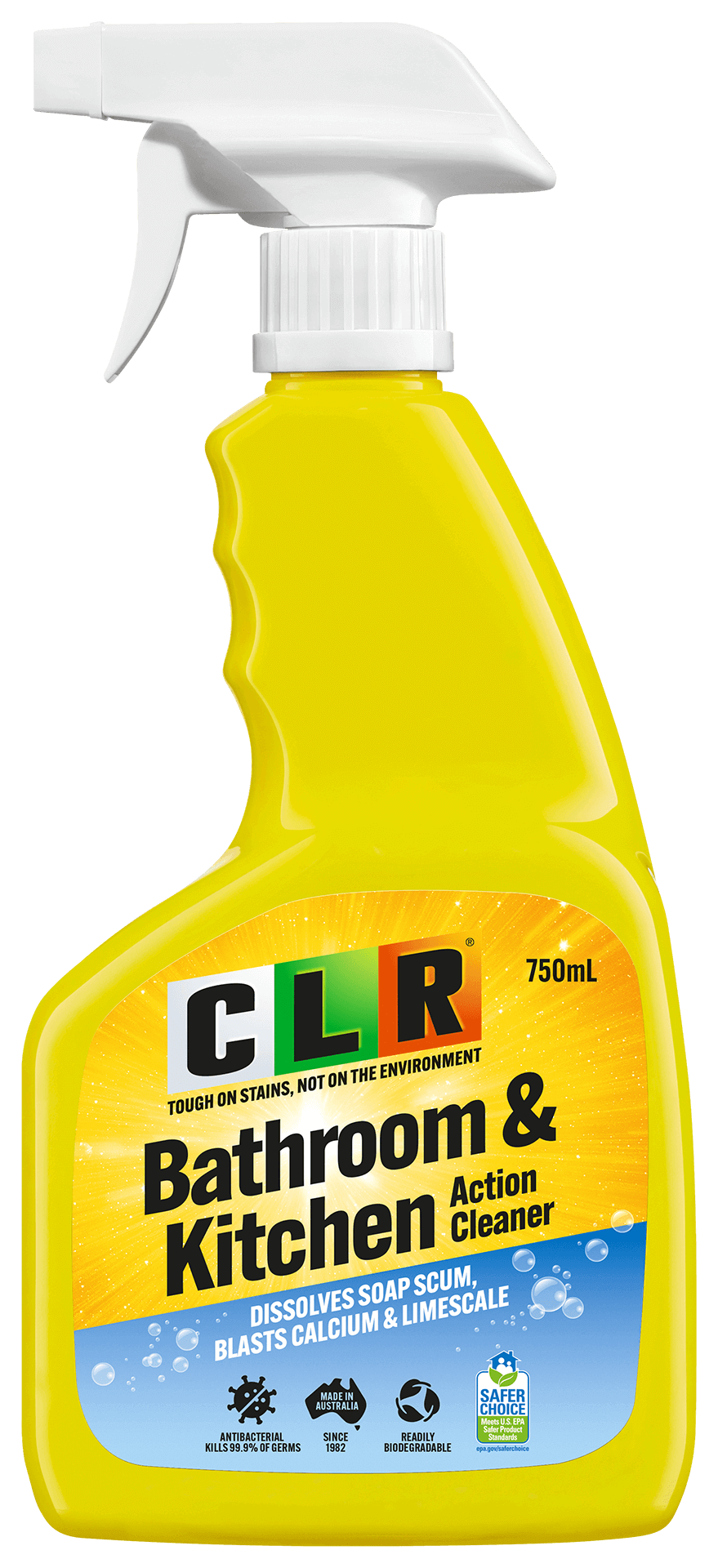
Credit: clrclean.com.au
Safety Considerations
Bathroom and kitchen cleaners have distinct safety considerations due to their different chemical compositions. Bathroom cleaners often contain harsher chemicals to tackle germs and stains, requiring careful handling. Kitchen cleaners are usually milder, focusing on food-safe surfaces, but still need proper ventilation during use.
When tackling household cleaning tasks, it's crucial to understand the safety considerations that come with using bathroom and kitchen cleaners. While both types of cleaners aim to remove dirt and grime, their chemical compositions vary, which means they come with different safety protocols. Knowing these can prevent accidents and ensure a safe home environment.
Bathroom Cleaner Precautions
Bathroom cleaners often contain strong chemicals like bleach or ammonia to effectively combat mold, mildew, and soap scum. These substances can be harsh on your skin and eyes, so always wear gloves and goggles when using them. Ensure the bathroom is well-ventilated by opening windows or using an exhaust fan to minimize inhalation risks. Be cautious about mixing bathroom cleaners. Some combinations, like mixing bleach with ammonia, can produce dangerous fumes. Double-check the product labels for warnings and instructions before use. Bathroom surfaces are varied, and using the wrong cleaner might damage them. Test a small, hidden area before applying the cleaner extensively to avoid ruining your tiles or fixtures.
Kitchen Cleaner Precautions
Kitchen cleaners are designed to tackle grease and food residues, often containing less harsh chemicals than bathroom cleaners. However, they can still pose risks if not used properly. Always read the label to ensure the cleaner is safe for food preparation areas. Avoid using kitchen cleaners near open flames or hot surfaces. Some contain flammable ingredients, which can cause a fire hazard. Wipe down areas thoroughly with water after cleaning to prevent residue from contaminating your food. Consider the surfaces in your kitchen. Certain cleaners can damage granite or stainless steel if not suitable. A patch test can help prevent unwanted reactions or stains. Have you ever experienced a cleaning mishap that could have been avoided with proper safety knowledge? Share your thoughts and stories in the comments!
Environmental Impact
Bathroom cleaners target soap scum and hard water stains, while kitchen cleaners focus on grease and food residue. The environmental impact varies due to different chemical compositions tailored for specific surfaces, potentially affecting air and water quality differently based on usage.
When choosing between bathroom and kitchen cleaners, you might not consider their environmental impact right away. Yet, understanding how these products affect our planet is crucial. It's not just about keeping your home clean but also about making choices that are kinder to the environment.
Eco-friendly Bathroom Cleaners
Eco-friendly bathroom cleaners are designed to tackle tough grime without harming the environment. They often use natural ingredients like vinegar and baking soda, which break down easily and don't pollute water systems. These cleaners come in biodegradable packaging, reducing waste. Have you ever noticed how some cleaners leave a strong scent that lingers? Eco-friendly options typically avoid harsh chemicals, so you get a fresh clean without the overpowering smell.
Eco-friendly Kitchen Cleaners
In the kitchen, eco-friendly cleaners are a game-changer. They ensure food prep areas are free from bacteria without leaving toxic residues. Ingredients like lemon juice and essential oils offer powerful cleaning while being gentle on surfaces. You might be surprised how effectively these natural ingredients cut through grease. Consider this: each time you rinse your kitchen surfaces, those chemicals head straight into our waterways. Eco-friendly cleaners help minimize this impact, keeping our rivers and oceans cleaner.
Choosing the right cleaner isn't just about effectiveness. It's about making a conscious choice for a healthier planet. Have you tried eco-friendly cleaners in your home? What changes have you noticed in your cleaning routine?
Effectiveness And Efficiency
When selecting cleaning products for your home, understanding the effectiveness and efficiency of bathroom and kitchen cleaners is crucial. Each cleaner is formulated to tackle specific challenges within its designated area, ensuring optimal cleanliness and hygiene. But how do these products truly differ in performance, and why should you care? Let’s delve into the nitty-gritty of bathroom and kitchen cleaner performance to help you make informed choices.
Bathroom Cleaner Performance
Bathroom cleaners are designed to combat stubborn soap scum, mold, and mildew. These cleaners often contain stronger chemicals that target the mineral deposits left by hard water. Imagine trying to scrub away that persistent ring in your bathtub. A potent bathroom cleaner can make this task easier and quicker, saving you time and effort.
However, the effectiveness of bathroom cleaners doesn't just lie in their strength. It's also about their efficiency in preventing the regrowth of mold and mildew. Many products offer a protective layer that slows down moisture build-up, which is the main culprit of such growths. Have you ever noticed how some cleaners seem to keep your tiles sparkling longer? That's efficiency in action!
Kitchen Cleaner Performance
Kitchen cleaners tackle grease, food residues, and bacteria. They are formulated to cut through layers of oil without leaving a residue, making them perfect for counters, stovetops, and sinks. Picture dealing with a greasy pan after cooking a hearty meal. A good kitchen cleaner simplifies this task, allowing you to enjoy your dinner without worrying about the cleanup.
Efficiency in kitchen cleaners often means multi-surface compatibility. Can you clean your wooden cutting board and granite countertop with the same product? Many kitchen cleaners boast this versatility, reducing the number of products you need and speeding up your cleaning routine. This not only saves you time but also keeps your kitchen safe for food preparation.
Have you ever wondered why some cleaners promise more than just cleaning? It's about delivering real results that make your life easier. How do you ensure you're choosing the right cleaner for the job? Consider what specific challenges you're facing in your bathroom or kitchen. Understanding these differences helps you select the right tools to keep your home pristine and fresh.
Cost Comparison
Choosing the right cleaner for your home is crucial. It affects both cleanliness and budget. Bathroom and kitchen cleaners have different purposes. Their costs vary significantly. This section explores the cost differences. Understanding these differences can help you make informed decisions.
Price Of Bathroom Cleaners
Bathroom cleaners often target tough stains. These include soap scum and mildew. They are formulated with strong chemicals. This can increase their cost. A bottle usually ranges from $5 to $15. Specialized products can be pricier. Brand and formulation affect the final price.
Price Of Kitchen Cleaners
Kitchen cleaners focus on grease and food residues. They are milder than bathroom cleaners. This often makes them cheaper. Prices typically range from $3 to $10. Multi-purpose kitchen cleaners can be more economical. They combine various cleaning tasks in one product.
User Preferences And Reviews
Choosing the right cleaner depends on the surface and type of dirt. Bathroom cleaners target soap scum and mildew, while kitchen cleaners are designed for grease and food stains. User reviews highlight effectiveness, scent, and ease of use, guiding preferences for specific needs.
Understanding what users think about bathroom and kitchen cleaners can be quite enlightening. People often have strong preferences based on personal experiences, which can reveal a lot about the effectiveness and appeal of these products. Let's dive into user reviews and preferences to see what people are saying about their cleaning products of choice.
Feedback On Bathroom Cleaners
Many users praise bathroom cleaners for their ability to tackle tough grime and mildew. Products that boast bleach or strong antibacterial properties often receive high marks for their effectiveness in maintaining hygiene. However, some users report concerns about harsh chemicals and strong odors, pointing to a growing interest in eco-friendly alternatives. Have you ever noticed how some bathroom cleaners leave surfaces sparkling without much scrubbing? One user shared that switching to a foam-based cleaner reduced their cleaning time significantly. Another user appreciated a cleaner's citrus scent that masked the usual bleach smell, making the cleaning process more pleasant.
Feedback On Kitchen Cleaners
When it comes to kitchen cleaners, users often focus on grease-cutting power. Products that easily dissolve stubborn kitchen residues tend to be favorites. Yet, just like bathroom cleaners, there’s a demand for options that don’t leave behind a chemical smell, especially in spaces where food is prepared. One user mentioned how a vinegar-based cleaner effectively tackled their stove's grease without any chemical residue, transforming their cleaning routine. Another shared how they preferred a multi-surface cleaner, which seamlessly transitioned from countertops to appliances, simplifying their chores. Are you curious about user experiences with natural cleaners? Many reviews highlight a shift towards plant-based products that offer a compromise between effectiveness and safety. The feedback on both types of cleaners highlights a trend towards products that balance power with eco-conscious ingredients. As you choose your cleaning arsenal, consider what matters most to you: effectiveness, scent, or environmental impact. Are you ready to try a new cleaner based on these insights?

Credit: fominsoap.com
Frequently Asked Questions
Can I Use Bathroom Cleaner In The Kitchen?
Bathroom cleaners are formulated for removing soap scum and mineral deposits. Kitchen cleaners target grease and food stains. Using bathroom cleaner in the kitchen might not effectively tackle grease, and could leave residues. Always use the appropriate cleaner for the space to ensure safety and effectiveness.
Are Kitchen Cleaners Safe For Bathroom Surfaces?
Kitchen cleaners are designed to dissolve grease and food residues. While they can clean bathroom surfaces, they might not remove soap scum efficiently. Some kitchen cleaners may harm delicate bathroom surfaces. It's best to use a cleaner specifically made for bathroom use to avoid damage.
Why Are Bathroom Cleaners Stronger Than Kitchen Ones?
Bathroom cleaners often contain stronger chemicals to tackle soap scum, mold, and mildew. Kitchens mainly deal with grease and food residues, requiring milder cleaners. The stronger formulation of bathroom cleaners ensures they effectively clean and sanitize moist environments where bacteria thrive.
Do Kitchen Cleaners Disinfect Like Bathroom Ones?
Kitchen cleaners may disinfect surfaces, but bathroom cleaners often have stronger antibacterial properties. Bathrooms require more potent disinfectants due to higher moisture and bacteria levels. While kitchen cleaners can disinfect, bathroom cleaners are specifically designed to target bacteria and pathogens in wet environments.
Conclusion
Understanding the difference helps in cleaning effectively. Kitchen cleaners tackle grease and food stains. Bathroom cleaners handle mold, soap scum, and hard water deposits. Each cleaner is formulated for specific tasks. Using the right one ensures better results. Proper use protects surfaces and enhances hygiene.
Read labels carefully to ensure safe usage. Keep these cleaners separate to avoid cross-contamination. This way, your home stays cleaner and healthier. Choose wisely for a sparkling clean environment. Happy cleaning!