
Have you ever wondered why your stainless steel cookware doesn’t quite give you that perfect sear or why food sometimes sticks? The secret could be in how you prepare your pans before cooking.
Seasoning stainless steel cookware might just be the game-changer you need. Imagine cooking your favorite meals with ease, without worrying about food sticking or your pans not delivering the even heat you desire. By learning how to season your stainless steel cookware properly, you can enhance its performance and longevity.
Dive into this guide to discover simple steps and tips that will transform your cooking experience and make your kitchen time more enjoyable. Your culinary skills are about to level up!
Why Season Stainless Steel Cookware
Stainless steel cookware is a popular choice in many kitchens due to its durability and sleek appearance. However, unlike cast iron, stainless steel doesn't come pre-seasoned. You might wonder why seasoning such cookware is necessary. The answer lies in enhancing its performance and extending its lifespan. Seasoning creates a non-stick layer, reducing the chances of food sticking and making cleanup easier. This process not only improves cooking but also protects your cookware from rust and damage. Let's delve deeper into the benefits of seasoning stainless steel cookware.
Why Season Stainless Steel Cookware?
Seasoning your stainless steel cookware can significantly improve your cooking experience. Imagine sautéing vegetables or searing a steak without the fear of it sticking to the pan. By seasoning, you create a smooth surface that minimizes sticking, allowing for more even cooking. Your meals will be less likely to suffer from uneven heating or burnt spots, resulting in tastier dishes.
Stainless steel is tough, but not invincible. Seasoning acts as a protective barrier against rust and corrosion, especially if you frequently cook acidic foods. This protective layer reduces wear and tear, helping your cookware last longer. With a well-maintained layer, you can enjoy your favorite pots and pans for years, saving you money in the long run.
Cleaning stainless steel can sometimes be a daunting task, especially when food sticks to the surface. Seasoning reduces sticking, making cleanup faster and easier. You'll spend less time scrubbing and more time enjoying your meals. Plus, maintaining a clean surface is crucial for hygiene and health, ensuring your cookware is always ready for the next culinary adventure.
Have you ever hesitated to use your stainless steel cookware for fear of ruining a dish? Seasoning boosts your confidence in the kitchen. With a seasoned pan, you're more likely to try new recipes and cooking techniques without worry. This newfound confidence can make cooking more enjoyable, turning it from a chore into a creative outlet. What would you cook if you knew your pan wouldn't betray you?
Seasoning stainless steel cookware isn't just about the cookware itself; it's about enhancing your entire cooking experience. By taking this simple step, you create a kitchen environment where creativity and efficiency thrive. How will seasoning change your cooking routine?
Benefits Of Seasoning
Seasoning your stainless steel cookware might seem unnecessary, but it offers several benefits that enhance your cooking experience. By creating a natural non-stick surface, improving the flavor of your dishes, and extending the lifespan of your pots and pans, seasoning can transform how you cook. Let's dive into why these benefits matter for you.
Enhanced Non-stick Surface
Have you ever felt the frustration of food sticking to your stainless steel pan, even after using oil or butter? Seasoning is your answer. It creates a thin layer of polymerized oil that acts as a natural barrier between your food and the metal surface. This means less sticking and easier food release. Imagine flipping pancakes without the struggle or making an omelet that slides out effortlessly. Seasoned pans offer you this freedom.
Improved Flavor
Seasoning doesn't just affect how food cooks; it also enhances its taste. The thin layer of oil absorbs subtle flavors over time, which can add depth to your dishes. Have you noticed how certain dishes taste better when cooked in a well-loved pan? That’s the magic of seasoning. Your cookware becomes part of your culinary story, enriching meals with unique tastes developed over time.
Extended Lifespan
Investing in quality cookware means wanting it to last. Seasoning acts as a protective shield against rust and corrosion, which can damage stainless steel over time. By maintaining this protective layer, you ensure your pots and pans remain durable and reliable. Think about the money saved by not having to replace cookware frequently. Seasoning is a simple step that contributes to longevity, keeping your kitchen essentials in top shape for years.
Have you tried seasoning your stainless steel cookware yet? It's an easy process that offers tangible benefits. Give it a shot and see how it transforms your cooking!
Essential Tools And Materials
Gather necessary items like a soft cloth, vegetable oil, and mild dish soap for seasoning stainless steel cookware. Ensure cookware is clean and dry before applying a thin oil layer. A few essential steps make cookware ready for use.
To season stainless steel cookware effectively, having the right tools and materials at your disposal is essential. Think of this as preparing for a small kitchen adventure where every item plays a critical role. It’s not just about the process, but also about ensuring your stainless steel pans deliver the best cooking results every time. Let’s dive into the essentials to make your seasoning journey smooth and successful.
Choosing The Right Oil
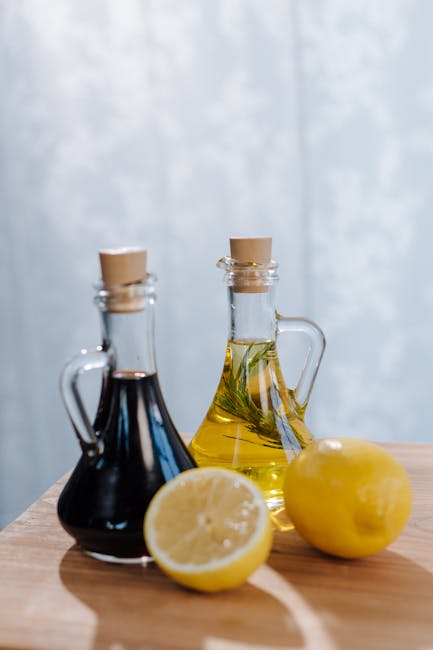
The type of oil you use can make or break your seasoning efforts. Opt for oils with high smoke points such as grapeseed, avocado, or canola oil. These oils withstand high heat without breaking down, ensuring a smooth, non-stick surface. Experiment with different oils to see which one works best for you. A friend once swore by flaxseed oil, although it does have a lower smoke point. It created a beautifully seasoned surface that she couldn't get enough of.
Cleaning Supplies
Before seasoning, your cookware must be impeccably clean. Use mild dish soap and a non-abrasive sponge to ensure no food particles remain. Residues can affect the seasoning process, making it uneven. Dry your cookware thoroughly after washing. Any remaining moisture can lead to rust spots, which are a chef’s nightmare. A clean, dry pan is your best friend in this process.
Heat Source Options
The heat source you choose impacts the effectiveness of the seasoning. You can use an oven for an even heat distribution or the stovetop for more controlled, direct heat. Using an oven is convenient for those who prefer a set-and-forget method. The stovetop, however, allows you to see the changes happening in real-time, offering more control over the process. Think about your kitchen setup and what works best for you. Do you have a favorite method? Share it with us in the comments! By equipping yourself with the right tools and materials, you’re setting the stage for a successful seasoning experience. Your stainless steel cookware, when seasoned properly, can elevate your cooking adventures to new heights.

Credit: madeincookware.com
Step-by-step Seasoning Process
Seasoning stainless steel cookware might sound unusual to some, but it can significantly improve your cooking experience. A well-seasoned pan can enhance food flavor, prevent sticking, and ease the cleanup process. If you've ever struggled with food adhering to your stainless steel pots and pans, this step-by-step seasoning process can be your game changer.
Initial Cleaning
Start by ensuring your cookware is impeccably clean. Use warm water and a mild detergent to wash away any residues from the manufacturing process or previous cooking sessions. Rinse thoroughly to remove soap traces.
Consider this: A clean surface is essential for the oil to bond effectively with the metal. Ever tried painting a dusty wall? The paint simply won't stick. The same principle applies here.
Applying The Oil
Once your cookware is clean and dry, it's time to introduce the oil. Opt for oils with high smoke points, like vegetable or grapeseed oil. They withstand high heat without breaking down.
Pour a tablespoon of oil into the pan. Spread it evenly across the surface using a paper towel. Ensure every inch gets a light coating. You're not just greasing the pan; you're laying the foundation for a non-stick surface.
Heating The Cookware
Place the oiled pan on your stove over medium heat. Allow it to heat until the oil begins to smoke slightly. This process helps the oil polymerize, forming a protective layer on the cookware.
Have you ever noticed that seasoned pans develop a beautiful bronze hue? That's the sign of a well-done seasoning. A little patience here goes a long way.
Cooling And Storing
Once you've heated the pan, let it cool naturally. Avoid rushing this process by placing it under cold water. Sudden temperature changes can warp your cookware.
Store your seasoned pans in a dry place. If you stack your pots and pans, consider placing a cloth between them. This prevents scratches and maintains the seasoning.
Ask yourself: How much easier will cooking be with a perfectly seasoned pan? Give it a try, and you might find yourself enjoying the process more than ever.
Seasoning stainless steel cookware might seem like a small detail, but it has a big impact on your culinary adventures. It's a straightforward process that rewards you with better-tasting food and less cleanup hassle. So, are you ready to transform your stainless steel cookware into your kitchen ally?
Maintaining Seasoned Cookware
Seasoning stainless steel cookware enhances its non-stick properties and longevity. Start by cleaning and drying the pan thoroughly. Then, apply a thin layer of oil and heat it gently. This simple process creates a natural barrier, preventing food from sticking and making clean-up easier.
Maintaining seasoned stainless steel cookware ensures its longevity and performance. Proper maintenance makes cooking easier and enhances your cookware's non-stick properties. By following a few simple steps, you can keep your cookware in top condition. This guide covers cleaning, re-seasoning, and avoiding common mistakes. Enjoy perfectly seasoned cookware every time you cook.
Proper Cleaning Techniques
Gentle cleaning is crucial for maintaining your seasoning. Use warm water and a soft sponge to clean your cookware. Avoid abrasive scrubbers that can damage the seasoning layer. Mild dish soap is okay, but rinse thoroughly. Dry your cookware immediately after washing to prevent rust. This keeps your cookware ready for the next meal.
Re-seasoning Tips
Re-seasoning is key to maintaining your cookware. Regularly inspect your pan for signs of wear. If food starts sticking, it's time to re-season. Apply a thin layer of oil to the surface. Heat the cookware on the stove until the oil starts smoking. Let it cool, then wipe away excess oil. Repeat this process as needed for a smooth, non-stick surface.
Avoiding Common Mistakes
Avoid overheating your cookware, which damages the seasoning. Use moderate heat to protect the surface. Never soak your cookware for long periods. Water can weaken the seasoning and cause rust. Avoid using metal utensils that scratch the surface. Opt for wooden or silicone tools instead. These habits help extend the life of your seasoned cookware.

Credit: madeincookware.com
Expert Tips For Best Results
Seasoning stainless steel cookware enhances its performance. It prevents food from sticking. Proper seasoning also extends the lifespan of your cookware. Experts suggest focusing on a few key areas for success. These tips ensure your cookware remains in top condition.
Choosing Quality Cookware
Start with high-quality stainless steel cookware. Look for products with a heavy base. This ensures even heat distribution. Check for reputable brands known for durability. A solid construction minimizes the risk of warping. Investing in quality sets the foundation for great results.
Monitoring Heat Levels
Controlling heat is crucial in seasoning. Use medium to low heat settings. High heat can damage the cookware surface. Preheat the pan before adding oil. This step helps create a non-stick layer. Avoid overheating to maintain the pan’s integrity.
Regular Maintenance Habits
Regular care keeps your cookware in top shape. Clean the pan with warm water and mild soap. Avoid abrasive cleaners that scratch the surface. Dry the pan thoroughly after washing. Apply a thin layer of oil after each use. This maintains the non-stick properties.

Credit: www.youtube.com
Frequently Asked Questions
Why Season Stainless Steel Cookware?
Seasoning stainless steel cookware enhances its performance by creating a non-stick surface. This prevents food from sticking and makes cleaning easier. Additionally, seasoning protects the cookware from discoloration and rust, ensuring longevity. Proper seasoning can improve your cooking experience and maintain the quality of your stainless steel pots and pans.
How Often Should I Season Stainless Steel?
Season stainless steel cookware every few months or when you notice food sticking. Regular seasoning helps maintain the non-stick surface and prevents rust. If you frequently use your cookware, seasoning more often can enhance its effectiveness. This simple process ensures your stainless steel remains in optimal condition.
Can I Use Oil To Season Cookware?
Yes, oil is ideal for seasoning stainless steel cookware. Use oils with high smoke points, like vegetable or grapeseed oil, for best results. Apply a thin layer and heat the cookware until the oil forms a protective coating. This process helps create a non-stick surface and prolongs cookware life.
What Are The Steps To Season Stainless Steel?
To season stainless steel, clean the cookware thoroughly and dry it. Apply a thin layer of oil with a high smoke point. Heat the cookware on medium heat until the oil forms a protective layer. Let it cool completely before storing.
This process enhances non-stick properties and protects against rust.
Conclusion
Seasoning stainless steel cookware keeps it in top condition. It prevents food from sticking. The process is simple and quick. Start with a clean, dry pan. Apply a thin layer of oil. Heat until it smokes lightly. Let it cool.
Wipe away excess oil. This creates a non-stick surface. Repeat occasionally for best results. Enjoy cooking with ease and confidence. Well-seasoned pans make cooking delightful. They also prolong the life of your cookware. Your meals will taste better. Plus, cleaning becomes easier.
Season your stainless steel cookware regularly. Happy cooking!