Choosing the right non-stick surface for your cookware can transform your cooking experience. Picture this: flipping pancakes effortlessly or sliding an omelet from pan to plate without leaving a trace.
Sounds delightful, right? But with so many options available, how do you decide which one is the best for you? Whether you're a seasoned chef or just someone who loves cooking at home, understanding the pros and cons of each non-stick surface can save you time, money, and frustration in the kitchen.
You'll uncover the secrets to making the best choice, ensuring every meal you prepare is a masterpiece. Stay with us, and let's explore the world of non-stick surfaces together!
:max_bytes(150000):strip_icc()/faw-primary-nonstick-cookware-wdickey-1093-1-758b71681dc549349983b582a0a4b5eb.jpeg)
Credit: www.foodandwine.com
Types Of Non-stick Surfaces
Choosing the best non-stick surface for cookware involves understanding different types like Teflon, ceramic, and cast iron. Each offers unique benefits in cooking efficiency and ease of cleaning. Consider durability and cooking style to find the right fit for your kitchen needs.
Cooking can be a delightful experience, but the choice of cookware significantly impacts your culinary journey. One key decision is selecting the right non-stick surface to suit your needs. Various types of non-stick surfaces are available today, each offering unique benefits and challenges. Understanding these options can help you make an informed choice for your kitchen.
Teflon
Teflon is perhaps the most recognized non-stick surface. It's known for its smooth coating that allows food to glide effortlessly, making cooking and cleaning a breeze. But have you ever wondered about its durability? Although Teflon works great for low to medium heat, high temperatures can damage its coating over time. Ensure you use the right utensils to avoid scratches and extend its lifespan.
Ceramic
Ceramic surfaces offer a non-toxic alternative to Teflon. They provide a slick surface using natural materials, appealing to health-conscious cooks. However, while ceramic can handle higher temperatures, it might lose its non-stick properties faster than expected. So, are you willing to trade longevity for a healthier option? It’s a balance worth considering.
Anodized Aluminum
Anodized aluminum combines durability with a non-stick surface, making it a popular choice. It heats evenly and resists scratches, which is perfect for everyday cooking. But did you know it’s heavier than other options? If you value stability over lightweight convenience, this could be your ideal pick.
Cast Iron With Enamel
Cast iron with enamel offers a unique blend of traditional and modern cooking benefits. The enamel coating prevents rust and provides a non-stick layer without the need for seasoning. Yet, its weight can be daunting, much like lifting a small dumbbell. Are you prepared to handle its heft for the sake of superior heat retention and flavor enhancement? Choosing the right non-stick surface involves weighing these pros and cons against your cooking habits. What’s most important to you: health, durability, or ease of use? Your answer could lead you to the perfect cookware for your kitchen adventures.
Factors To Consider
Choosing the best non-stick surface for cookware involves several factors. Durability and heat resistance are key. Consider ease of cleaning and compatibility with various cooking methods. Safety of the materials used is also important. Lastly, think about the type of food you often cook.
Factors to consider when choosing the best non-stick surface for cookware are essential for making a wise decision. Each factor plays a crucial role in ensuring your cooking experience is efficient and enjoyable. Let's explore the elements that should guide your choice.
Durability
Durability is key for long-lasting cookware. Non-stick surfaces differ in lifespan. Some coatings wear out quickly, while others last for years. Consider how often you cook. Frequent use requires a tougher surface. Durable surfaces save money in the long run. They prevent frequent replacements.
Heat Distribution
Heat distribution affects cooking results. Uneven heat can ruin your meal. Quality non-stick surfaces ensure even cooking. Look for materials known for good heat conduction. This ensures your food cooks perfectly. Consistent heat helps preserve flavors. It also reduces cooking time.
Ease Of Cleaning
Ease of cleaning is a big factor. No one wants to scrub pots after cooking. Non-stick surfaces should wipe clean easily. Choose coatings that resist food sticking. This feature saves time and effort. It also keeps cookware looking new.
Safety Concerns
Safety concerns are crucial. Some non-stick surfaces release harmful chemicals when heated. Ensure the material is safe for cooking. Check for certifications of safety standards. This protects your health and your family's well-being. Prioritize cookware that is toxin-free.
Expert Recommendations
Choosing the best non-stick surface for cookware involves considering durability and safety. Ceramic coatings offer a non-toxic option, while PTFE surfaces are known for their excellent non-stick properties. Each has unique benefits, making them popular among home cooks.
Choosing the best non-stick surface for cookware can be overwhelming with so many options available. Expert recommendations can make the decision easier, providing insights into what works best for different cooking needs. Whether you're a home cook, a professional chef, or on a budget, there's a perfect non-stick surface for you.
Top Choices For Home Cooks
For home cooks, convenience and ease of use are key. Many experts suggest ceramic non-stick surfaces as a top choice. They are free from harmful chemicals and offer a smooth cooking experience. Imagine flipping pancakes that glide effortlessly off the pan! Ceramic is also easy to clean, saving you time after a busy day. Another favorite is anodized aluminum, known for its durability and even heat distribution. It’s perfect if you enjoy experimenting with different recipes.
Professional Chef Preferences
Professional chefs often prefer surfaces that provide precision. Stainless steel with a non-stick coating is favored for its reliability and control over cooking temperatures. Chefs love the versatility it offers, allowing them to sear, sauté, and create sauces with ease. A chef once shared that his stainless steel non-stick pan was his go-to for creating perfectly crispy skin on fish. Carbon steel is another choice, ideal for high-heat cooking and achieving that desirable char on meats and vegetables.
Budget-friendly Options
If you're watching your budget, you don't have to compromise on quality. PTFE (Teflon) coated pans are affordable and widely available. They are perfect for everyday cooking tasks and provide good non-stick properties. Just be cautious about overheating them to maintain their longevity. Silicone-coated cookware is another cost-effective option, great for low-heat cooking and baking. They are easy to handle and clean, making them a favorite among those who cook frequently. What do you prioritize when choosing your cookware? Is it health, durability, or price? The right non-stick surface can transform your cooking experience, making it more enjoyable and efficient.
:max_bytes(150000):strip_icc()/Web_1500-SPRE-GroupShot-MFS-128-05f141feb1634128a33b2cd837df1e0a.jpg)
Credit: www.thespruceeats.com
Maintenance Tips
Choosing the best non-stick surface for cookware is essential for easy cooking and cleaning. Ceramic coatings offer a safer, eco-friendly choice, while traditional Teflon provides a smooth, durable surface. Consider your cooking needs and safety preferences when selecting the right non-stick option.
Maintaining your non-stick cookware can be the difference between a kitchen miracle and a culinary disaster. The right upkeep not only ensures optimal performance but also extends the lifespan of your pots and pans. You might be surprised how a little effort can make a huge difference. Let's dive into the nitty-gritty of keeping your non-stick surfaces in prime condition.
Proper Cleaning Methods
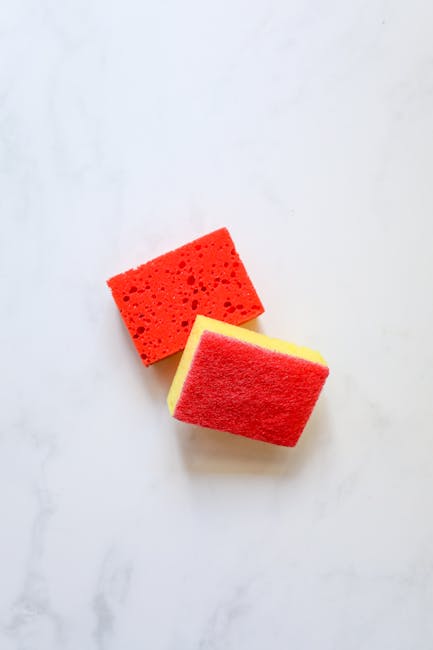
Cleaning non-stick cookware might seem straightforward, but a few missteps can lead to irreversible damage. Always allow your cookware to cool before washing it. This prevents warping and helps maintain the integrity of the non-stick surface. Use a soft sponge or cloth for cleaning. Scrubbing with abrasive pads can scratch and ruin the non-stick layer. Opt for mild dish soap to remove grease without being too harsh on the surface. Avoid soaking your cookware for extended periods. Prolonged exposure to water can weaken the non-stick coating, making it less effective over time.
Extending Lifespan
Think of your cookware as an investment. Treat it right, and it’ll serve you well for years. Store your non-stick pans properly by stacking them with protective layers like paper towels or cloth between each item. This minimizes the risk of scratching. Use wooden or silicone utensils when cooking. Metal utensils can be tempting due to their durability, but they can scratch the surface, reducing its lifespan. Consider the heat level when cooking. High temperatures can break down the non-stick coating. Medium heat is your friend for most dishes. You’ll be surprised how effective it is without compromising your cookware.
Avoiding Common Mistakes
One common mistake is using non-stick spray on non-stick pans. It seems like a good idea, but it builds up over time and damages the surface. Instead, opt for a small amount of oil or butter. Don’t stack wet pans. Moisture trapped between stacked pans can lead to mold and weaken the non-stick layer. Dry them completely before storing. Reflect on your cookware habits. Are you using metal forks or knives on your pans? If yes, you may be unknowingly shortening the lifespan of your cookware. Small changes can have a big impact. Have you ever thought about how you handle your cookware? Small, thoughtful adjustments can lead to lasting benefits. What changes can you make today?
Future Trends In Non-stick Cookware
The world of non-stick cookware is evolving rapidly. New materials and technologies are emerging. These advances promise better cooking experiences. They also aim for more sustainability. Consumers want healthier and environmentally friendly options. Let's explore some future trends in non-stick cookware.
Innovative Materials
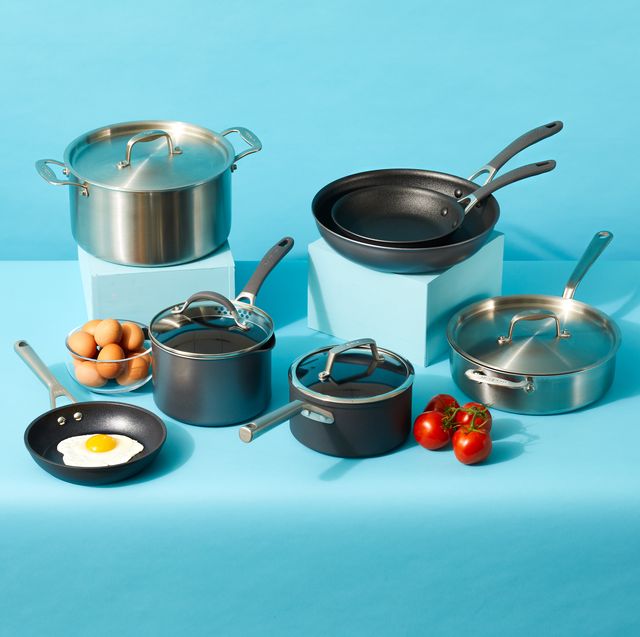
Cookware manufacturers are testing new materials. Ceramic and titanium surfaces are gaining popularity. These materials offer durability. They also provide excellent non-stick properties. More importantly, they are free from harmful chemicals. This trend is set to grow.
Sustainable Choices
Environmental concerns are influencing cookware production. Brands are using recycled materials more. They focus on reducing their carbon footprint. Eco-friendly non-stick coatings are becoming common. These products aim to be both effective and sustainable.
Technology Advancements
Technology is playing a key role in cookware innovation. Smart cookware with sensors is now available. These sensors help control cooking temperatures. They ensure food is cooked perfectly. Such technology enhances user experience.
Credit: www.goodhousekeeping.com
Frequently Asked Questions
What Is The Most Durable Non-stick Surface?
The most durable non-stick surface is often considered to be ceramic. Ceramic coatings are known for their longevity and resistance to scratches. They are made from natural materials and provide a non-toxic, non-stick cooking experience. However, they require careful handling to maintain their durability over time.
Are Ceramic Non-stick Surfaces Safe?
Yes, ceramic non-stick surfaces are generally safe. They are free from harmful chemicals like PFOA and PTFE. Ceramic coatings are made from inorganic materials, making them environmentally friendly. They also withstand high temperatures, reducing the risk of releasing toxins. Always follow manufacturer guidelines for safe usage.
How Does Teflon Compare To Ceramic?
Teflon and ceramic both offer non-stick capabilities, but they differ in several ways. Teflon provides excellent non-stick performance and is easy to clean. However, it may release harmful fumes at high temperatures. Ceramic, on the other hand, is eco-friendly and toxin-free, but may require more care to maintain its non-stick properties.
Is Cast Iron Considered Non-stick?
While not non-stick in the traditional sense, cast iron can develop a non-stick surface. This is achieved through seasoning, which involves applying oil and heating. Over time, a seasoned cast iron pan can offer excellent non-stick performance. It requires maintenance but offers durability and versatility in cooking.
Conclusion
Choosing the right non-stick surface matters. It influences cooking ease and cleanup. Options like Teflon and ceramic offer diverse benefits. Consider durability, heat resistance, and safety. Each surface has its pros and cons. Understand your cooking style before deciding. Frequent cooks may prefer long-lasting options.
Occasional chefs might lean toward affordability. Always prioritize your health and kitchen needs. A well-informed choice enhances cooking experiences. Enjoy safer and more efficient meal preparations. Explore options and make the best choice for your cookware. Happy cooking with your perfect non-stick surface!