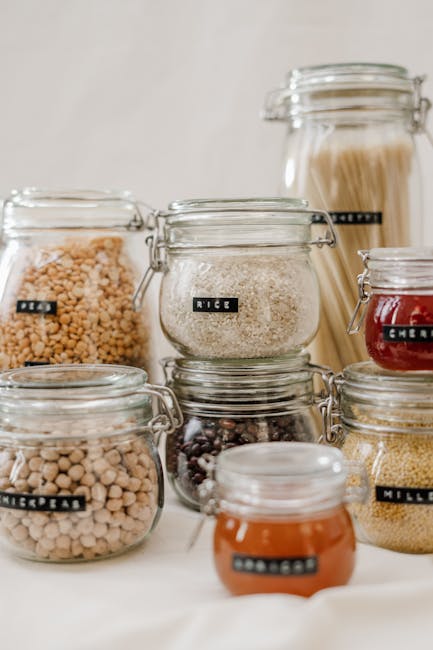

Are you tired of rummaging through cluttered cabinets every time you need a spice or a can of soup? Imagine having a well-organized kitchen where everything you need is at your fingertips.
Building your own kitchen storage pantry can transform chaos into convenience, making meal prep a joy rather than a chore. Not only will it maximize your storage space, but it will also elevate the style and functionality of your kitchen.
In this guide, we'll walk you through simple, actionable steps to create the perfect pantry that meets your needs. Ready to reclaim your kitchen and enjoy a seamless cooking experience? Let’s dive in and discover how you can build a kitchen storage pantry that’s both practical and stylish.

Credit: www.instagram.com
Choosing The Right Location
Choosing the right location for your kitchen storage pantry is crucial. It can make or break the functionality of your space. As you embark on this journey, think about how the pantry will fit into your daily routine. Where do you naturally reach for ingredients? Where does clutter tend to build up?
Assessing Space Availability
Begin by examining your kitchen layout. Look at the corners, the space next to the refrigerator, or even underused wall areas. You'll be surprised how little-used spaces can become storage goldmines.
Measure these areas carefully. Imagine where shelves or cabinets could fit snugly. If you feel tight on space, consider vertical storage solutions that maximize height.
Think about your needs. Are you a bulk buyer who requires more extensive storage? Or do you need just a small nook for spices and essentials? Tailor the space to fit your lifestyle.
Considering Accessibility
Accessibility is key to a functional pantry. Picture yourself cooking a meal. Can you easily reach the pantry without interrupting your flow?
Place your pantry close to your cooking area. This minimizes steps and makes meal preparation efficient. Avoid locations that require navigating around obstacles or tight corners.
Think about who uses the kitchen. If you have kids, consider lower shelves for snacks. If mobility is a concern, prioritize easy-to-reach spaces for essential items.
Choosing the right location isn't just about space—it's about creating a pantry that works with you, not against you. How will your pantry design streamline your kitchen experience?
Designing The Layout
Creating an efficient kitchen storage pantry involves designing a functional layout. Arrange shelves and bins for easy access. Use vertical space wisely to maximize storage capacity.
Creating a kitchen storage pantry can be a game-changer for organizing your culinary space. The key to success is in designing the layout thoughtfully. You want to ensure it meets your needs and maximizes your available space. Have you ever opened a pantry only to find it cluttered and chaotic? A well-designed layout can prevent this and make your kitchen experience smoother and more enjoyable. Let's dive into some tips that will help you create a pantry that works for you.
Maximizing Vertical Space
Think about how much space is wasted when items are stacked only at eye level. Vertical space is often overlooked but can be your best friend. Consider tall shelving units that reach up to the ceiling. Using stackable bins or containers can utilize this space effectively. Have you ever found yourself stacking cans precariously on top of one another? Using risers can help you see each item at a glance, making it easier to find what you need without digging through stacks of goods.
Incorporating Adjustable Shelving
Adjustable shelving gives you flexibility. Imagine buying a tall bottle of olive oil only to find it doesn't fit on your shelf. With adjustable shelves, you can tailor the height to suit different items. This adaptability means you can accommodate changes in your storage needs over time. Do you frequently switch up the types of items you store? Adjustable shelving allows for easy reconfiguration, saving you from constant rearranging or worse, wasted space. Consider these design elements and ask yourself: How can I make my pantry work smarter? A little planning can lead to a more efficient kitchen and a happier cooking experience.
Selecting Materials
Selecting the right materials is crucial for building a kitchen storage pantry. Choose durable wood or metal for shelves to hold weight. Opt for moisture-resistant finishes to protect against spills and humidity.
Selecting the right materials for your kitchen storage pantry is a crucial step that can significantly impact its durability and functionality. Whether you're going for a rustic charm or a sleek modern look, the materials you choose will define the style and sturdiness of your pantry. This section will guide you through selecting durable wood and metal shelving to ensure your pantry not only serves its purpose but also stands the test of time.
Choosing Durable Wood
Choosing the right wood can greatly enhance the longevity and appeal of your pantry. Consider hardwoods like oak or maple, known for their strength and resistance to wear. Their natural grain patterns can add warmth and elegance to your kitchen. If you're on a budget, plywood is a solid alternative. It offers durability at a lower cost while still providing a smooth finish that can be easily painted or stained. Ensure the wood is treated to resist moisture, as kitchens can be humid environments. Think about sustainability. Opt for wood that is responsibly sourced to reduce your environmental impact. This choice not only helps the planet but often results in higher-quality materials.
Opting For Metal Shelving
Metal shelving offers a sleek, modern look and unparalleled strength for your pantry. Stainless steel is a popular choice due to its resistance to rust and ease of cleaning. It's a great option if you store heavier items or want a minimalist design. Aluminum is another excellent choice. It's lightweight yet sturdy, making it easy to install and move if needed. Plus, it doesn't corrode, which is a bonus in a kitchen setting. Consider how much weight your shelves need to support. Metal shelving is highly adaptable, allowing you to customize the layout and accommodate various items. Will your shelves hold canned goods or delicate glass jars? The type of metal you choose can make all the difference. By carefully selecting the materials for your kitchen storage pantry, you can create a space that is both functional and beautiful. What's your top priority—style, strength, or sustainability? Your answer will guide your material choices and ultimately shape the heart of your home.
Installation Process
The installation process for building a kitchen storage pantry demands precision and care. Transforming an empty space into a functional pantry requires detailed planning. A well-installed pantry enhances kitchen organization and accessibility. Below is a guide to help you install a pantry step-by-step.
Preparing The Area
Start by clearing the designated space. Remove any items and clean thoroughly. Ensure the area is free from dust and debris. Measure the dimensions accurately. This helps in purchasing the right materials. Assess the wall strength and floor stability. This ensures a sturdy installation. Check for nearby power outlets. You might need lighting inside the pantry.
Step-by-step Installation
Gather all necessary tools and materials. Begin by marking the wall for placement. Use a level to ensure straight lines. Install the base units first. Secure them tightly to the floor. Next, attach the side panels. Ensure they are perfectly aligned. Fix the shelving units inside. Adjust according to your needs. Mount the doors and handles. Test for smooth opening and closing. Finally, install lighting if required.
Double-check all fixtures and fittings. This ensures safety and durability. Make minor adjustments if necessary. Your pantry should now be functional and ready for use.
Organizing Your Pantry
Organizing your pantry is more than just tidying up; it's about creating a functional space that makes cooking and meal prep a breeze. When everything has its place, you save time and reduce stress. A well-organized pantry can inspire culinary creativity and help you keep track of what you have, avoiding unnecessary purchases.
Categorizing Items
Start by grouping similar items together. Think of categories like canned goods, grains, snacks, and spices. This not only makes finding items easier but also helps in maintaining an inventory of what you have.
Consider the frequency of use when categorizing. Keep everyday essentials at eye level for easy access. Store items you rarely use on higher or lower shelves.
Ask yourself: What do you reach for most often? Keep those items front and center. This simple step saves time and minimizes frustration.
Utilizing Storage Bins
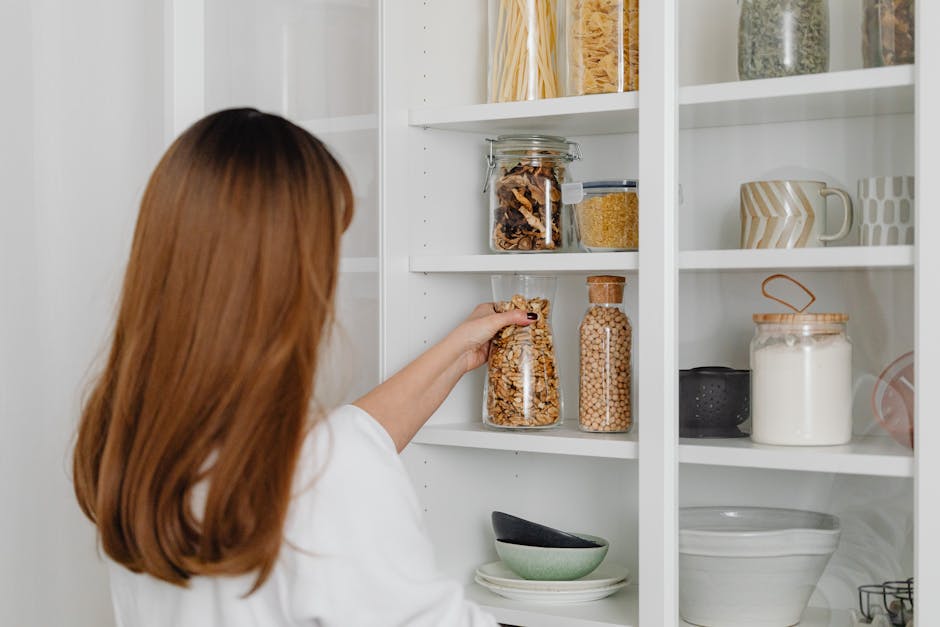
Storage bins are a game-changer for maximizing space. Clear bins let you see what’s inside without digging through piles. Choose stackable options to make the most of vertical space.
Label each bin clearly. This makes it easy for everyone in the household to maintain the organization. Consider using chalkboard labels for flexibility, allowing you to change categories as needed.
Reflect on your pantry's unique challenges. Are there awkward corners or deep shelves? Use bins to make those spaces accessible and functional. It’s surprising how a few bins can transform chaos into order.
How do you feel when you open your pantry? If it's currently a source of stress, these organizing strategies can turn it into a place of calm and inspiration. Dive in, and enjoy the satisfaction of a well-organized pantry!

Credit: www.youtube.com
Maintaining Your Pantry
Maintaining your pantry ensures it remains functional and tidy. A well-maintained pantry helps in quick meal preparations. It also minimizes food wastage. Regular upkeep prevents clutter and keeps everything accessible. Here’s how you can effectively maintain your pantry.
Regular Cleaning Tips
Clean shelves and containers to avoid dust buildup. Use a damp cloth for wiping surfaces. A gentle cleanser helps in removing stains and spills. Ensure all containers are sealed properly. This keeps pests and moisture away. Check expiration dates regularly. Dispose of any expired items immediately. Clean your pantry every month for best results.
Reorganizing Seasonally
Reorganize your pantry with changing seasons. Store canned soups and warm foods during winter. Keep lighter snacks and drinks in easy reach during summer. Use clear bins for seasonal items. Label them for easy identification. Rotate items to ensure older stock is used first. This method keeps your pantry fresh and efficient. Adjust your pantry with your seasonal eating habits.
Expert Tips And Tricks
Discover how to create an efficient kitchen storage pantry with expert advice. Plan space wisely, use adjustable shelves, and choose clear containers for easy access. Maximize your storage potential today.
Building a kitchen storage pantry requires careful planning. Expert tips can make the process smoother and more efficient. These strategies enhance organization and save time. They also help in maintaining a clutter-free kitchen. Below are essential tips and tricks for your pantry project.
Creating A Shopping List System
A shopping list system is crucial for a pantry. First, assess your pantry's storage needs. Make a list of regular grocery items. This list will guide your storage solutions. Use labels for different categories like grains or snacks. Place items in clear containers for easy identification. This visual aid helps in quick inventory checks. Create a space for your shopping list. It can be a simple notepad or a whiteboard. Keep it accessible to all family members. This ensures everyone can add needed items.
Incorporating Technology For Inventory
Technology can simplify your pantry management. Use apps to track inventory. These apps can send alerts when items run low. They help avoid buying unnecessary duplicates. Smart devices can also assist. Consider a barcode scanner for quick updates. It records items as you store them. Digital assistants can remind you of expiring goods. This prevents waste and saves money. Smart shelves are another option. They weigh items and update your inventory automatically. This tech saves time and keeps your pantry updated.
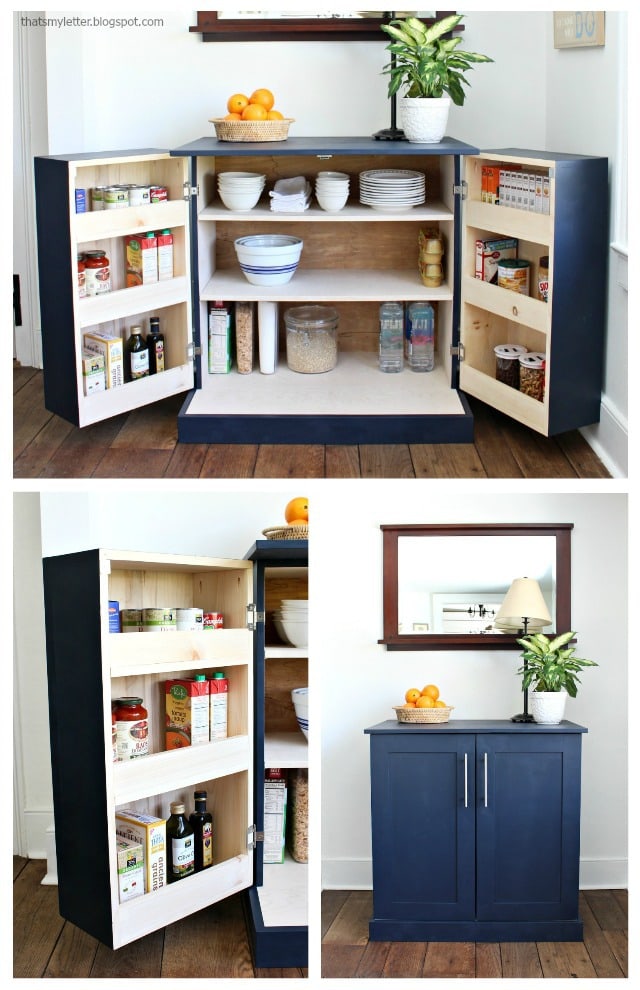
Credit: jaimecostiglio.com
Frequently Asked Questions
What Materials Are Best For Pantry Shelves?
Wood, metal, and plastic are popular choices for pantry shelves. Wood offers a classic look and durability. Metal provides strength and a modern aesthetic. Plastic is lightweight and budget-friendly. Choose based on your design preferences and storage needs.
How Do I Maximize Pantry Space?
Use adjustable shelves to accommodate varying item sizes. Add vertical dividers to separate categories. Utilize clear containers for visibility. Install door organizers for extra storage. Regularly declutter to maintain efficiency and prevent overcrowding.
How Can I Organize A Small Pantry?
Use stackable bins to optimize vertical space. Label shelves and containers for easy identification. Group similar items together. Utilize door racks for additional storage. Regularly rotate stock to ensure items are used before expiration.
What Lighting Is Best For A Pantry?
LED lights are ideal for pantries. They offer bright illumination, energy efficiency, and longevity. Strip lights under shelves provide focused lighting. Motion-sensor options ensure lights activate only when needed, saving energy.
Conclusion
Creating a kitchen storage pantry is a simple, rewarding project. It helps organize your space efficiently. Start by planning the layout and choosing suitable materials. Consider your storage needs and available space. Use shelves, baskets, and hooks for better organization.
Label containers for easy access. A well-organized pantry saves time and reduces clutter. Enjoy a tidy kitchen that meets your needs. With these tips, your pantry will be both functional and stylish. Happy organizing!