
When you step into your kitchen, you want to feel confident about the tools you use Aluminum Cookware. One crucial tool is your cookware, which plays a significant role in the meals you prepare.
If aluminum cookware is part of your collection, you might be wondering about its safety. Are there any risks associated with it, or can you continue using it with peace of mind? This is a question that concerns many home cooks like you, eager to make informed choices for their health and well-being.
Imagine the relief in knowing that your cookware doesn't just perform well but is also safe for your family. We'll delve into the facts, dispelling myths and providing you with clear answers. You'll discover what experts say about aluminum cookware, how it impacts your health, and whether it's the right choice for your kitchen. Get ready to uncover the truth and make decisions that align with your lifestyle and safety priorities. Your journey towards healthier cooking starts here.
Aluminum Cookware Basics
Aluminum cookware is a staple in many kitchens worldwide. Known for its lightweight nature, it's favored for its quick heating ability. This cookware type has been a part of culinary traditions for years. Understanding its basics can help ensure safe usage in your kitchen.
What Is Aluminum Cookware
Aluminum cookware is made from aluminum metal, which is abundant and affordable. It includes pots, pans, and baking sheets. This cookware is known for its excellent heat conductivity. Food cooks evenly, saving time and energy. Many chefs prefer it for its efficiency in heat distribution.
Common Uses In Kitchens
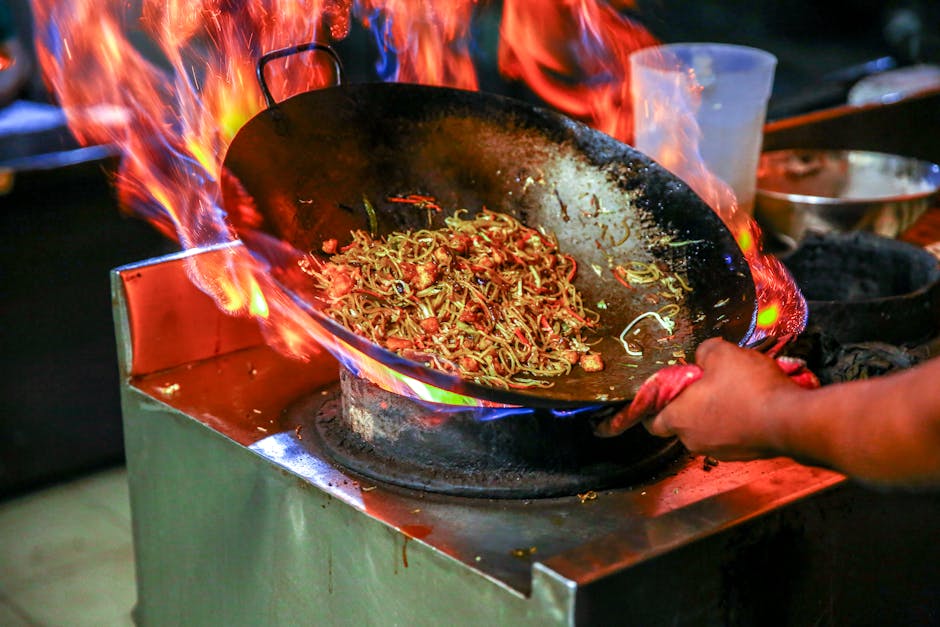
Aluminum cookware is used for frying, boiling, and sautéing. It is popular for preparing quick meals. Baking enthusiasts use it for cakes and cookies. Its lightweight nature makes it easy to handle, especially for large pots. Many households rely on it for everyday cooking tasks. It is versatile and suits various cooking methods.
Credit: theskillfulcook.com
Health Concerns
Aluminum cookware is common in many kitchens. But concerns about health risks remain. Some wonder if these pots and pans affect food safety. Understanding these concerns helps in making informed choices.
Aluminum And Food Safety
Aluminum can leach into food during cooking. This happens more with acidic foods like tomatoes. The amount leached is usually small. But regular use raises questions. Does this small exposure harm health? Some experts say yes. Others disagree.
Potential Health Risks
There are worries about aluminum's link to health issues. Some studies suggest a connection to Alzheimer's disease. Though not proven, it's a concern for some people. High aluminum levels might affect kidney function. Those with kidney problems should be cautious. Consider alternatives if worried about aluminum exposure.
Aluminum In Food Preparation
Aluminum cookware is a common choice in many kitchens. It is lightweight and heats quickly. But is it safe for cooking? This question often arises among health-conscious individuals. Understanding how aluminum interacts with food is crucial. Let's explore this in detail.
Cooking Techniques
Different cooking techniques affect aluminum usage. Boiling, for instance, is generally safe with aluminum pots. The short cooking time reduces aluminum leaching. Frying and sautéing might lead to higher exposure. Acidic foods like tomatoes can increase aluminum leaching during cooking. Using non-stick coatings can help reduce this risk. It's vital to monitor the condition of your cookware. Scratched or worn surfaces may lead to more aluminum in food.
Impact On Nutrient Retention
Aluminum cookware may affect nutrient retention in food. High heat can break down nutrients during cooking. Aluminum cookware heats quickly, which can be both an advantage and disadvantage. Quick heating can preserve some nutrients. But prolonged cooking can cause nutrient loss. Acidic foods may retain fewer nutrients in aluminum pots. To maximize nutrition, consider using lower heat settings. Regularly assess the condition of your cookware. This ensures safer and healthier cooking experiences.

Credit: www.wikihow.com
Scientific Studies
Aluminum cookware is common in many kitchens. But is it safe? Understanding scientific studies can help. Researchers have investigated aluminum's effects on health. Their findings offer insights into its safety.
Research Findings
Scientists have studied aluminum for years. Some research shows aluminum can leach into food. This happens when cooking acidic foods. The amount of aluminum that leaches is usually small. Experts say it poses little risk to health.
Other studies suggest a link to health issues. High aluminum levels may affect the brain. This is a concern for diseases like Alzheimer's. However, the evidence is not conclusive. Most studies find no direct link.
Controversies And Debates
Aluminum safety remains a topic of debate. Some experts argue aluminum is safe for cooking. They cite the small amounts that leach. Others worry about long-term exposure. They call for more research to ensure safety.
Public opinion is divided. Some people avoid aluminum cookware. They prefer other materials like stainless steel. Others trust scientific reassurance. They continue using aluminum in their kitchens.
Alternatives To Aluminum Cookware
Aluminum cookware is popular for its affordability and even heating. Concerns about its safety have led many to seek alternatives. Luckily, there are many non-aluminum options available. These alternatives can offer peace of mind and great cooking results. Let's explore some of the best choices for your kitchen.
Non-aluminum Options
Stainless steel is a top choice for many. It is durable and resistant to rust. The material doesn't react with acidic foods either. This makes it a versatile option for various recipes.
Cast iron is another excellent alternative. It is known for its heat retention and natural non-stick surface when seasoned well. It is perfect for slow cooking and browning meats.
Ceramic cookware is gaining popularity too. It is non-toxic and provides a smooth cooking surface. The vibrant colors and designs can brighten any kitchen.
Glass cookware is ideal for baking and microwave use. It does not leach chemicals into food. It also allows you to see your food as it cooks.
Comparing Cookware Materials
Stainless steel is strong and scratch-resistant. It may require a bit more oil for cooking.
Cast iron offers excellent heat distribution. It is heavier and needs regular seasoning.
Ceramic provides a non-stick surface without harmful coatings. Its coating can wear off over time.
Glass is a safe option for baking. It is not suitable for stovetop use.
Each material has its own strengths and drawbacks. Consider your cooking style and needs before choosing.
Credit: www.whirlpool.com
Expert Recommendations
Experts suggest aluminum cookware is generally safe for everyday use. Concerns arise when cooking acidic foods, which may cause aluminum to leach into food. For peace of mind, consider using anodized aluminum, which reduces leaching and enhances durability.
When considering the safety of aluminum cookware, expert recommendations are invaluable. Health professionals and culinary experts often weigh in on this subject, offering insights based on research and experience. Their advice helps you make informed choices about using aluminum in your kitchen, ensuring both safety and culinary success.
Choosing Safe Cookware
Not all aluminum cookware is created equal. Experts recommend opting for anodized aluminum, which has been treated to prevent leaching into food. This type is considered safer and more durable. Non-stick coatings on aluminum can also add an extra layer of protection. When selecting cookware, look for well-known brands that adhere to safety standards and have positive reviews.
Best Practices For Use
Using aluminum cookware safely involves more than just the type you choose. It’s also about how you use it. Avoid cooking highly acidic foods like tomatoes or citrus in aluminum pots, as they can increase the risk of leaching. Instead, reserve these pots for less acidic dishes. Cleaning is another aspect where experts weigh in. Use gentle cleaning agents and avoid abrasive scrubbers to maintain the integrity of the coating. Do you remember that time you scrubbed your favorite pan only to find it scratched and worn? That’s a lesson many of us learn the hard way. Don’t rush the cooling process. Allow aluminum cookware to cool naturally before washing. Rapid temperature changes can warp the metal, reducing its lifespan. Are you following these tips in your kitchen? Small changes can make a big difference in ensuring the safety and longevity of your cookware.
Frequently Asked Questions
Is Aluminum Cookware Toxic To Humans?
Aluminum cookware is generally considered safe for cooking. However, excessive exposure to aluminum can lead to health issues. It is best to avoid using aluminum cookware for acidic foods, as they may cause aluminum to leach into the food. Using coated or anodized aluminum cookware can minimize this risk.
Does Aluminum Cookware Affect Food Taste?
Aluminum cookware can affect the taste of acidic foods. Acidic ingredients like tomatoes and citrus can react with aluminum, potentially altering flavors. Anodized aluminum cookware reduces this risk, providing a barrier between the metal and food. Using non-reactive cookware for acidic dishes is advisable for maintaining taste.
Is Aluminum Cookware Durable?
Aluminum cookware is lightweight but durable. It conducts heat efficiently, making it popular for various cooking methods. Over time, it may develop scratches or dents. Anodized aluminum enhances durability by providing a scratch-resistant surface. Proper care, including gentle cleaning, can extend its lifespan.
How Do I Clean Aluminum Cookware?
To clean aluminum cookware, use mild soap and warm water. Avoid abrasive cleaners that can scratch the surface. For stubborn stains, a mixture of vinegar and water can help. Regularly cleaning and drying cookware prevents discoloration and maintains its appearance and functionality.
Conclusion
Aluminum cookware remains a popular choice for many households. It's affordable and lightweight. Concerns about safety revolve around its potential to leach into food. Most studies show minimal risk when used correctly. Avoid cooking acidic foods for long periods. Use anodized or coated aluminum for extra peace of mind.
Regular maintenance prolongs the life of your cookware. Consider your needs and preferences. Choose what best suits your kitchen habits. Cooking should be enjoyable and safe. Knowing more helps you make informed decisions. Happy cooking!