
Choosing the right Non Stick Material for cookware for your kitchen can feel overwhelming, especially when it comes to selecting the best non-stick material. You're not just picking a pan; you're ensuring healthier meals, easier clean-ups, and a more enjoyable cooking experience.
Imagine flipping a perfect omelet without it sticking, or sliding out a pancake with ease. It’s all about the non-stick surface. But with so many options out there, how do you decide which one suits your needs best? You'll discover the secrets behind the most popular non-stick materials and why they could make a difference in your cooking adventures.
Stay with us, and you'll find the perfect match for your culinary style.
Ceramic Coating
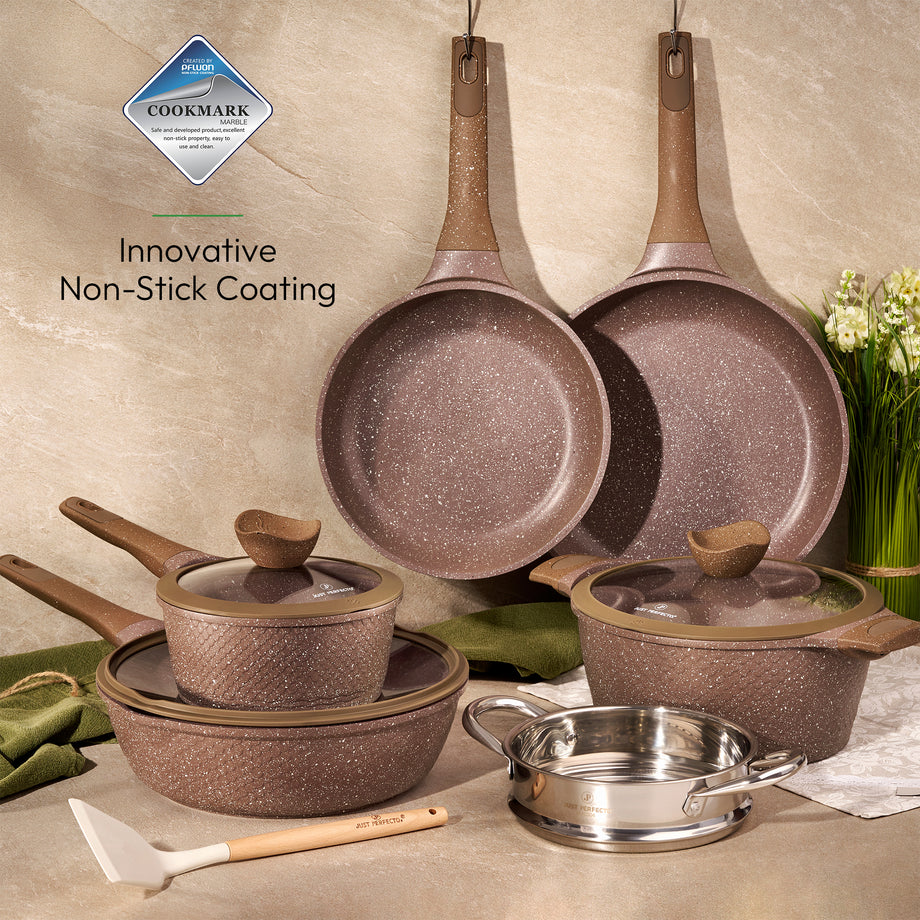
When it comes to non-stick cookware, ceramic coating is gaining popularity for its natural and eco-friendly appeal. Unlike traditional non-stick pans, ceramic coatings are made from inorganic minerals, free from harmful chemicals like PTFE and PFOA. But what makes ceramic coating such a compelling choice for your kitchen?
Benefits Of Ceramic
Ceramic-coated cookware offers a healthier cooking experience. It requires less oil, which means you can enjoy lighter meals without compromising on taste. Plus, the even heat distribution ensures your food is cooked perfectly.
Its non-toxic nature is a huge relief. Knowing that your cookware won't release harmful fumes even at high temperatures gives peace of mind. If you're someone who loves experimenting with different cuisines, ceramic's versatility is a bonus.
Durability And Maintenance
Ceramic cookware is surprisingly durable. While it might not last a lifetime, proper care ensures it serves you well for years. Avoid using metal utensils to preserve the coating.
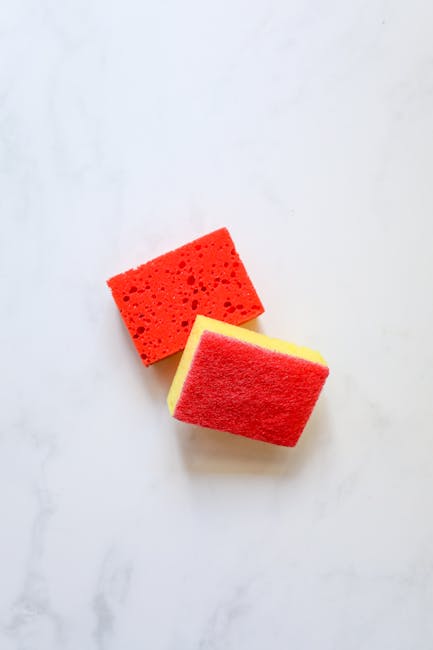
Cleaning is a breeze. A gentle wipe with a soft sponge usually does the trick. Avoid harsh abrasives, and your ceramic pans will continue to shine. Isn't it satisfying when your cookware looks new after countless meals?
Popular Brands
Several brands stand out in the ceramic cookware market. GreenPan is known for its innovative designs and sturdy build. Their Thermolon coating is a favorite among home chefs.
Another brand worth mentioning is Caraway. Their stylish and functional cookware has taken Instagram by storm. If aesthetics matter to you, Caraway’s vibrant colors will complement your kitchen beautifully.
Considering your budget and cooking needs, it's easy to find a ceramic brand that suits you. Have you tried any of these brands? What are your thoughts?
Credit: just-perfecto.com
Teflon Coating
Choosing the right non-stick material for cookware can be overwhelming. Teflon coating stands out for its popularity and efficiency. It offers a smooth cooking experience and makes cleaning easier. The benefits of Teflon coating are widely recognized in kitchenware.
Advantages Of Teflon
Teflon offers excellent non-stick properties. Food slides off easily without sticking to the pan. This reduces the need for excessive oil or butter. Cooking becomes healthier and less messy. Teflon-coated cookware also heats evenly. This ensures food cooks uniformly without hot spots.
Health Considerations
Teflon cookware is generally safe when used correctly. High temperatures can release harmful fumes. It's crucial to avoid overheating the pans. Use Teflon-coated cookware at medium heat. This helps maintain safety and preserve the coating. It's also wise to avoid using metal utensils. They can scratch the surface and release particles.
Cleaning Tips
Cleaning Teflon cookware is simple with gentle methods. Use mild dish soap and soft sponges. Avoid abrasive materials that can damage the coating. Let the pan cool before washing. This prevents warping and extends the cookware's life. Regular maintenance keeps your Teflon pans in top condition.
Anodized Aluminum
Anodized aluminum is a popular non-stick material for cookware. It's durable, easy to clean, and resistant to scratches. This makes it ideal for everyday cooking needs.
Anodized aluminum is a popular choice for non-stick cookware. It offers durability and excellent heat distribution. This material is made by electrochemically treating aluminum. The process hardens the surface and increases its resistance to corrosion. Many cooks appreciate its lightweight nature and sleek appearance.
Features Of Anodized Aluminum
Anodized aluminum is scratch-resistant. It is also resistant to peeling and chipping. This ensures the cookware lasts longer. The surface is non-reactive, making it safe for acidic foods. Its smooth finish provides easy food release.
Cooking Performance
Anodized aluminum heats quickly and evenly. This ensures consistent cooking results. It also retains heat well, keeping food warm longer. The non-stick surface requires less oil. This makes it a healthier option for cooking.
Care Instructions
Clean anodized aluminum with mild soap and water. Avoid using abrasive pads or cleaners. They can damage the surface. It's best to hand wash the cookware. This extends its lifespan and maintains its appearance. Store in a dry place to prevent moisture damage.

Credit: www.facebook.com
Stainless Steel With Non-stick Layer
Choosing the right cookware can transform your cooking experience. Stainless steel with a non-stick layer is a popular choice among home cooks and professional chefs alike. It combines the durability of stainless steel with the convenience of a non-stick surface, offering you a versatile tool in the kitchen. Whether you're frying, sautéing, or simmering, this cookware promises efficiency and ease.
Why Choose Stainless Steel
Stainless steel is renowned for its strength and resilience. It doesn’t rust, stain, or react with food. This means it’s safe for all types of cooking, from acidic tomato sauces to delicate egg dishes.
Plus, stainless steel provides a sleek and professional look. It’s like having restaurant-quality equipment right in your kitchen. Imagine impressing your guests not just with your culinary skills but also with your stunning cookware.
Heat Distribution
One of the standout qualities of stainless steel cookware is its excellent heat distribution. It heats evenly, preventing hotspots that can ruin your dish. This means your food cooks consistently, resulting in better flavor and texture.
Think about the last time you burnt a pancake due to uneven heating. With stainless steel, those mishaps become a thing of the past. You can enjoy perfectly browned pancakes every time.
Longevity
Investing in stainless steel cookware is about longevity. It can withstand high temperatures and heavy use without warping or degrading. This makes it a reliable companion for years of cooking adventures.
Consider how much money you save by not having to replace your cookware frequently. Stainless steel with a non-stick layer is an investment that pays off with durability and consistent performance.
Isn't it time you considered upgrading your kitchen with stainless steel non-stick cookware? Let your cooking experiences be both efficient and enjoyable, making every meal a delight to prepare.
Cast Iron With Enamel Coating
Cast iron with enamel coating offers a durable and non-stick surface for cookware. It combines heat retention of cast iron with easy cleaning. Ideal for everyday cooking, this material ensures a smooth and reliable cooking experience.
Cooking enthusiasts often rave about cast iron cookware, but have you considered the benefits of cast iron with an enamel coating? This material combines the durability of cast iron with the smooth surface of enamel, providing a non-stick experience without the use of chemicals. It's a game-changer for those who love cooking but dread the cleanup.
Cooking Benefits
Cast iron with enamel coating offers excellent heat distribution and retention. This means your meals cook evenly, reducing the chances of burning. Imagine perfectly seared steaks or simmered stews that stay warm long after they've left the stove. It's also non-reactive, so you can cook acidic foods like tomato sauce without worrying about a metallic taste. This feature opens up a world of recipes you might have avoided with traditional cast iron.
Versatility
This type of cookware is suitable for all stovetops, including induction. Whether you're frying, baking, or even broiling, cast iron with enamel coating can handle it all. It can transition from stovetop to oven with ease, making it perfect for recipes that start with a sear and finish with a bake. Consider trying a skillet cookie or an oven-roasted chicken—your options are nearly limitless.
Maintenance Tips
While enamel-coated cast iron is easier to maintain than its uncoated counterpart, it still requires some care. Avoid using metal utensils to prevent chipping the enamel surface. Instead, opt for silicone or wooden tools. Cleaning is a breeze with just warm water and a soft sponge. For stubborn residues, a bit of baking soda can work wonders. Always ensure your cookware is completely dry before storing it to prevent rust on the exposed iron rim. A little attention goes a long way in extending its lifespan. Have you ever considered the long-term benefits of investing in quality cookware? Cast iron with enamel coating might just be the perfect addition to your kitchen.

Credit: www.facebook.com
Frequently Asked Questions
What Are Common Non-stick Materials For Cookware?
Non-stick cookware often uses materials like Teflon, ceramic, and anodized aluminum. Teflon is popular for its excellent non-stick properties. Ceramic is a natural option, free from PTFE and PFOA. Anodized aluminum offers durability and even heating. Each material has unique benefits, making them suitable for different cooking needs.
Is Ceramic Non-stick Cookware Safe?
Yes, ceramic non-stick cookware is generally considered safe. It's free from harmful chemicals like PTFE and PFOA. This makes it a healthier choice for cooking. Ceramic coatings are environmentally friendly and provide good non-stick performance. Ensure proper care to maintain its safety and effectiveness over time.
How Long Does Non-stick Cookware Last?
Non-stick cookware typically lasts 3 to 5 years. The lifespan depends on the material and usage. Teflon and ceramic coatings may wear out faster with high heat or metal utensils. Proper care, like using low to medium heat and non-metal utensils, can extend its longevity.
Does Non-stick Material Affect Cooking Performance?
Yes, non-stick materials enhance cooking performance by preventing food from sticking. This makes cooking and cleaning easier. They allow for healthier cooking with less oil. However, using high heat can damage the non-stick coating. It's best to follow manufacturer guidelines to maintain optimal performance.
Conclusion
Choosing the best non-stick cookware can improve your cooking experience. Consider durability, heat distribution, and safety. Popular options include ceramic, Teflon, and hard-anodized materials. Each has unique benefits. Ceramic offers a natural, safe choice. Teflon provides easy cleaning. Hard-anodized stands out for strength.
Think about your cooking habits. Match them with the right material. Prioritize health and convenience. This ensures a satisfying kitchen time. Explore different brands and reviews. Find what suits your needs best. Happy cooking with your new cookware!