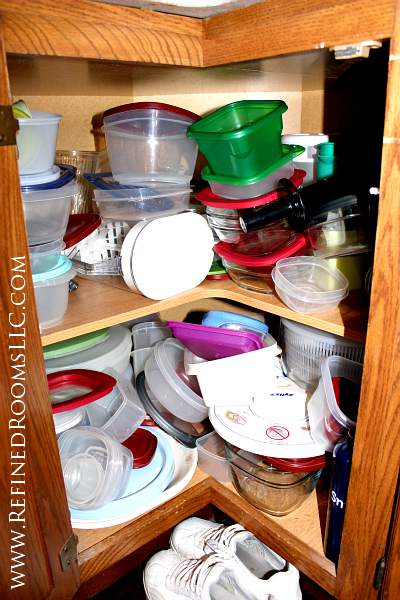
Are you tired of opening your kitchen cabinets only to be met with a chaotic avalanche of mismatched plastic containers? You're not alone.
Many of us face the daily struggle of finding the right lid for the right container in a sea of chaos. It's frustrating, time-consuming, and let's be honest, a little stress-inducing. But imagine opening your cabinet and seeing neatly stacked containers, each with a matching lid, ready to use at a moment’s notice.
Sounds like a dream, right? With the right strategies, you can turn this dream into reality. In this guide, we'll explore simple and effective ways to organize your plastic containers, transforming your kitchen into a haven of order. Say goodbye to clutter and hello to a more streamlined, efficient kitchen experience. Keep reading to discover how you can achieve this transformation today.
Credit: refinedroomsllc.com
Assess Your Collection
Organizing your kitchen's plastic containers can be a rewarding task that not only maximizes space but also simplifies your cooking routine. A well-organized collection saves you from the frantic search for matching lids and containers. The first step to achieving this is to assess your collection. This involves understanding what you have, what you need, and what should be let go. Let’s dive into how you can effectively assess your plastic container collection.
Identify Types And Sizes
Start by laying out all your plastic containers on the kitchen counter. Notice the different types and sizes you own. Are they mostly rectangular or round? Do you have a lot of small ones that rarely get used? Identifying the variety in your collection helps you understand your actual needs. If you often pack lunches, maybe you need more medium-sized containers. On the other hand, if you love batch cooking, larger containers might be more useful. Think about your cooking habits and daily needs as you categorize them.
Evaluate Condition
Now, take a closer look at the condition of each container. Are there any with cracks or stains that just won't go away? Does the lid still fit snugly, or is it loose and unreliable? It's important to be honest about what you use and what is just taking up space. Consider tossing or recycling those that have seen better days. You don’t want to rely on a container that might spill in your bag or fridge. Ask yourself, how many of these do you actually reach for on a regular basis?
Organizing your plastic containers can feel like a puzzle, but assessing your collection is a crucial first piece. By knowing exactly what you have and what condition it's in, you're setting yourself up for a more efficient, clutter-free kitchen. Remember, the goal is to make your kitchen work for you, not the other way around.
Credit: thehomesihavemade.com
Declutter Unnecessary Items
Organize your kitchen by sorting plastic containers by size and shape. Stack them neatly to save space. Use labels to identify contents easily and keep lids together to prevent loss.
Organizing your kitchen can feel overwhelming, especially when it comes to tackling that mountain of plastic containers. A key step to achieving a more organized space is to declutter unnecessary items. This process not only frees up valuable storage but also makes it easier to find what you need. Imagine opening your cabinet and not having an avalanche of mismatched lids and containers tumbling out. Sounds dreamy, right? Let's dive into how you can make this a reality by focusing on removing damaged containers and donating or recycling excess items.
Remove Damaged Containers
Start by pulling out all your plastic containers and inspecting each one closely. Look for cracks, warps, and stains that just won’t go away. If a container is damaged, it’s not serving you well. Keeping broken items around can be frustrating. Why struggle with a lid that doesn’t fit or a container that leaks? Toss these unusable items without guilt, as they only add to the clutter and chaos. Think about it: wouldn’t you prefer a smaller, functional collection over a huge, chaotic one? This simple step makes a world of difference.
Donate Or Recycle Excess
Consider how many containers you actually use. If you have more than you need, it’s time to thin the herd. An overabundance of anything can be just as frustrating as not having enough. For those in good condition, donating them is a fantastic option. Many local charities or shelters can make good use of your extras. Plus, you'll feel great knowing you're helping someone else out. If donation isn't possible, check for recycling options. Many recycling centers accept plastic containers. This ensures they don’t end up in a landfill, and you’ve done your bit for the environment. As you declutter, ask yourself: Does this item truly add value to my kitchen? By focusing on what you really need, you create a more functional, enjoyable space.
Choose Storage Solutions
Organizing plastic containers in your kitchen can transform a cluttered mess into a streamlined space where you actually enjoy cooking. One effective approach is to choose smart storage solutions that not only save space but also make it easier to find what you need. Whether you're dealing with a small kitchen or simply want to maximize the efficiency of your storage, the right solutions can make all the difference.
Opt For Drawer Organizers
Drawer organizers can be a game-changer for your kitchen. They help keep lids and containers neatly stacked, preventing the dreaded avalanche every time you open a drawer. I once sorted my plastic containers into a drawer organizer, grouping similar sizes together. It was like a mini revolution in my kitchen. Suddenly, finding the right lid became a breeze instead of a chore.
Consider adjustable organizers that can be tailored to fit your specific drawer dimensions. This ensures you utilize every inch of space without overcrowding. Imagine the joy of opening a drawer and seeing everything laid out neatly, waiting for you to grab and go.
Consider Vertical Storage
Vertical storage is perfect for tight spaces. Instead of stacking containers horizontally, store them on their sides. This approach not only saves space but also makes it easier to view and access each item. In my kitchen, I dedicated a section of a cabinet for vertical storage. It was astonishing how much more room I had for other essentials.
Use shelf dividers to keep containers in place, preventing them from tipping over. These can be particularly useful for larger items that tend to dominate space. What if you could open a cabinet and instantly see everything you need without digging through layers of containers?
Choosing the right storage solutions can make a world of difference in your kitchen's functionality. Reflect on your space and needs, and try out these practical ideas. You'll wonder how you ever managed without them!
Label And Categorize
Efficiently organize your kitchen by labeling and categorizing plastic containers. Group them by size and purpose. This simple method saves space and ensures easy access to your kitchen essentials.
Organizing plastic containers in your kitchen can be a game-changer for your daily routine. When you label and categorize them, it not only enhances functionality but also saves you time and frustration. Imagine opening your cabinet and knowing exactly which container to grab without rummaging through a cluttered mess. This section will guide you on how to effectively label and categorize your containers, making your kitchen experience smoother and more enjoyable.
Create Clear Labels
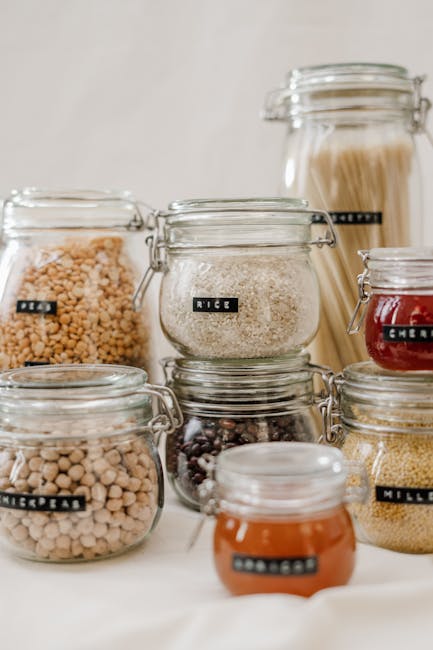
Start by creating clear labels for each container. A simple label can make a huge difference in your organization efforts. Use waterproof markers or label makers to ensure longevity. Think about the specific contents or usage of each container. Is it meant for snacks, leftovers, or baking ingredients? Write it down clearly. This practice keeps you from guessing and helps everyone in your household understand where things belong. Have you ever grabbed the wrong container in a hurry? Clear labels prevent such mishaps. They are your silent assistants, guiding you effortlessly through your kitchen tasks.
Group By Usage
Grouping containers by usage is a practical approach to enhance efficiency. Consider the activities in your kitchen—cooking, storage, meal prep. Group your containers accordingly. Place all meal prep containers in one spot, while those for storing leftovers should be easily accessible. This strategy minimizes the time spent searching for the right container. Think about your daily routine. If you frequently pack lunches, keep lunch containers grouped together. This way, when you're in a rush, you won't waste time hunting for the right lid and base. How often do you find yourself rearranging containers? Grouping by usage ensures you maintain order without constant reorganization. It’s a simple yet effective method to keep your kitchen tidy and functional.
Utilize Space Efficiently
Maximize your kitchen space by organizing plastic containers efficiently. Stack lids separately and nest containers by size to save room. Use drawer dividers or baskets to keep everything accessible and tidy.
Organizing your plastic containers in the kitchen can feel like a never-ending puzzle. The key to solving this puzzle is to utilize space efficiently. With the right strategies, you can transform your cluttered cabinets into a functional and neat storage area. Let's dive into some simple yet effective tips to maximize the available space in your kitchen.
Maximize Cabinet Space
Start by taking a good look at your cabinet space. Are you using every inch available? Often, we overlook the vertical space in our cabinets. Consider stacking containers with lids on the bottom to keep things tidy. Another tip is to use adjustable dividers. These can help you separate lids from containers, making it easier to find what you need. I once struggled with mismatched lids until I organized them with dividers. It saved me valuable time and reduced stress when reaching for a container. Remember to place frequently used items at the front. This simple habit can make your daily kitchen tasks more efficient. Ever had to dig through a pile of containers just to find that one lid? Placing essential items within easy reach can prevent such hassles.
Incorporate Shelving
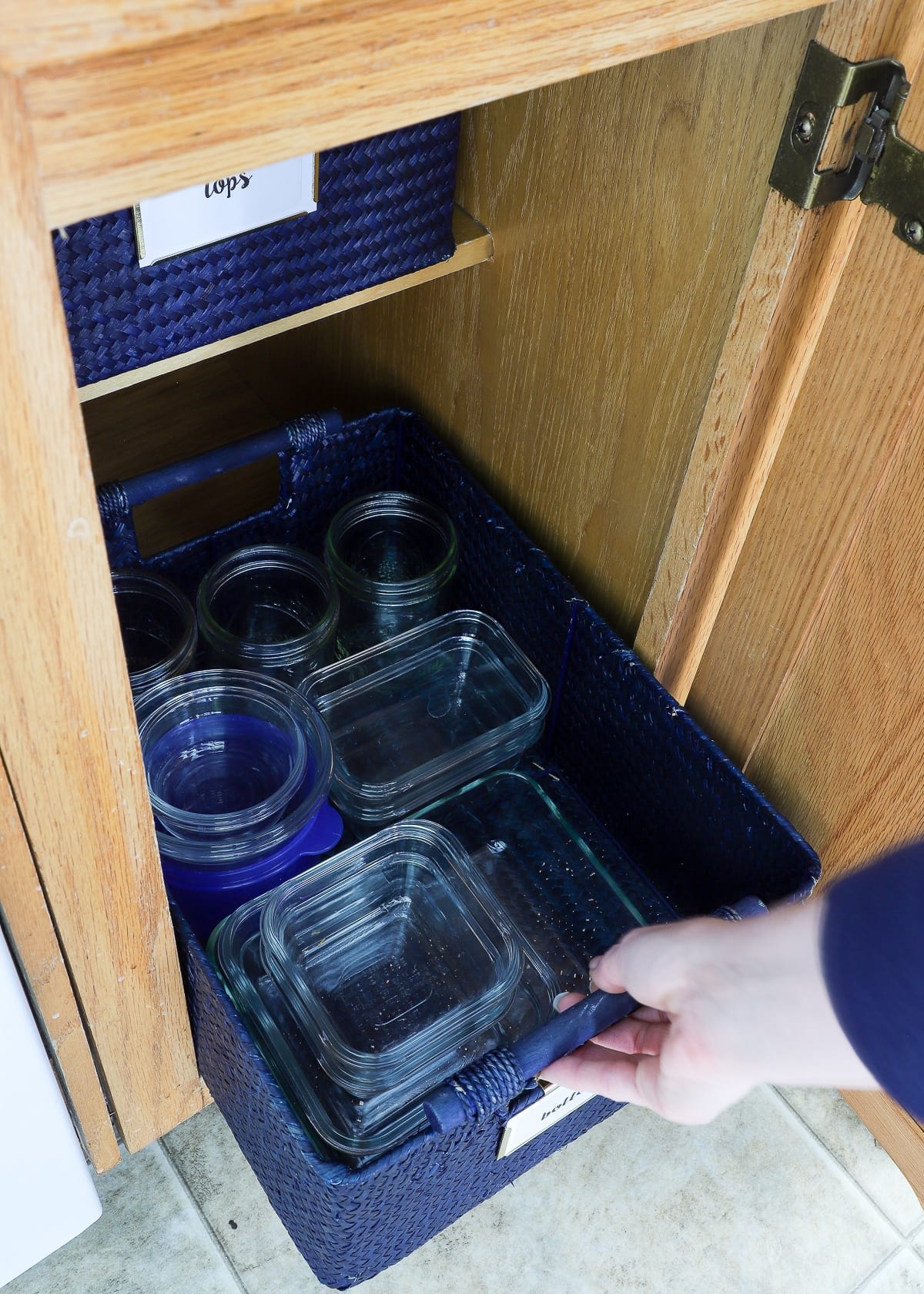
Shelving is a game-changer in kitchen organization. By adding shelves, you can double the storage capacity of a cabinet. Use small shelves to create layers for containers, maximizing space and accessibility. Consider using clear shelves for easy visibility. This way, you can quickly identify what you need without rearranging everything. Clear shelves in my kitchen transformed the way I store my containers, making it easier to maintain order. Are you utilizing the back of your cabinet doors? This often-unused space is perfect for small shelves or hooks. You can hang lids or small containers here, freeing up more space inside the cabinet. In your quest for a well-organized kitchen, think about how you can use every nook and cranny. How can you creatively use the space you already have? By asking such questions, you'll find solutions that work for your unique kitchen layout.
:strip_icc()/plastic-bins-in-cupboard-for-storage-container-organization-c532e2a5-db746fa3bbeb4c3abb005eeca27adeb9.jpg)
Credit: www.bhg.com
Maintain Organization
Arranging plastic containers in the kitchen can streamline your cooking process. Stack similar sizes together to save space. Use labeled bins or baskets for lids to avoid clutter.
Maintaining organization in your kitchen ensures efficiency and peace of mind. Properly organizing plastic containers reduces clutter and makes cooking stress-free. This section explores practical ways to keep your containers tidy and accessible.
Regularly Audit Collection
Regular audits prevent clutter from overwhelming your kitchen space. Begin by emptying your cabinet or drawer. Lay out all your containers on a clean surface. Check each container for damage or wear. Recycle or repurpose those that are cracked or without lids. This step keeps your collection manageable and ensures you use only functional items. Remove duplicates that you rarely use. Keep only the containers that suit your daily needs. This practice saves space and time while cooking.
Implement Consistent Practices
Consistency is key to maintaining order. Designate a specific spot for all plastic containers. Whether it’s a drawer or cabinet shelf, make it their permanent home. Nest containers of similar sizes to save space. Stack lids together in a separate bin for easy access. Label shelves or bins if needed. This helps everyone in the household return items to their rightful place. After each use, wash and dry containers thoroughly before putting them back. This prevents mildew and keeps the kitchen hygienic. Make a habit of these practices. Your kitchen will stay organized, and meal prep will be a breeze.
Expert Tips For Optimization
Organizing plastic containers in the kitchen boosts efficiency. Store lids and containers separately for easy access. Use clear bins to keep similar sizes together, ensuring a neat and tidy space.
Organizing plastic containers in your kitchen can be a game-changer for your daily routine. Expert tips for optimization can transform your cluttered cabinet into a streamlined space. Imagine opening your kitchen cabinet and instantly finding the right container without digging through a chaotic pile. Simple strategies can make this dream a reality.
Incorporate Nesting Techniques
Nesting is a practical way to save space and reduce clutter. Stack containers of different sizes within each other. This not only maximizes storage but also makes it easier to find the right size when you need it. Consider using larger containers as bases and smaller ones as fillers. This approach ensures you use every inch of space efficiently. Have you ever thought about labeling the lids? It helps to quickly match them with their corresponding container.
Use Multifunctional Containers
Opt for containers that serve multiple purposes. They can be used for storage, cooking, and even serving. This reduces the number of items you need in your kitchen. Clear containers allow you to see what's inside without opening them. This can be a time-saver when you're in a rush. Do you often find yourself searching for lids? Consider containers with attached lids to eliminate that problem. Do you have personal strategies that work for your kitchen organization? Sharing tips with others can create a community of organized kitchens! Adjusting small habits can lead to big changes in your daily kitchen experience.
Frequently Asked Questions
How Do You Store Plastic Containers Neatly?
Store plastic containers by stacking lids vertically and nesting containers. Use a drawer or cabinet divider for organization. This method maximizes space and keeps everything accessible. Label containers for easy identification. Regularly declutter to maintain order.
What Is The Best Way To Organize Lids?
Organize lids by using a dedicated lid organizer or rack. Keep them upright in a drawer or cabinet. Group similar-sized lids together for easy access. This method prevents clutter and makes finding the right lid quick and easy.
How Can I Maximize Cabinet Space With Containers?
Maximize cabinet space by nesting containers and using adjustable shelves. Implement pull-out drawers for easy access. Utilize vertical space with stackable bins. This approach optimizes storage and keeps containers organized.
Should I Label My Plastic Containers?
Yes, labeling containers helps in quick identification and organization. Use waterproof labels for durability. Labels prevent confusion and save time during meal prep. Regularly update labels to match contents.
Conclusion
Organizing plastic containers can simplify kitchen tasks. Start by assessing your current collection. Discard damaged or mismatched containers. Group similar sizes and shapes together. Use drawer dividers or shelves for easy access. Labels help keep track of contents. Consider a dedicated storage area for lids.
Regularly declutter to maintain order. Enjoy a neat kitchen and efficient meal prep. A well-organized space saves time and reduces stress. Keep the system simple and practical. Your kitchen will feel more spacious and functional. A tidy setup enhances cooking experiences and boosts productivity.
Happy organizing!