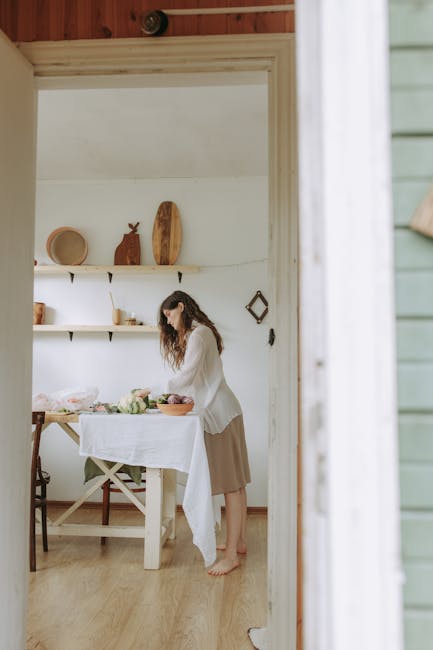

Imagine walking into your kitchen and feeling a sense of calm and satisfaction. Every item has its place, and you can find exactly what you need without a second thought.
Sounds dreamy, right? Organizing your kitchen like Martha Stewart isn’t just about aesthetics; it’s about creating a space where functionality and beauty coexist seamlessly. You deserve a kitchen that works for you, not against you. By the end of this article, you’ll have the tools and tips to transform your kitchen into a haven of order and efficiency, just like Martha Stewart would.
Ready to change the way you cook, clean, and enjoy your space? Let’s dive in and get your kitchen in tip-top shape.
Kitchen Layout Essentials
Your kitchen is the heart of your home. It's where delicious meals are crafted and cherished memories are shared. To make the most of this vital space, understanding kitchen layout essentials is key. A well-organized kitchen not only enhances functionality but also makes cooking a joy. Let's dive into the essentials that can transform your kitchen into a more efficient and inviting space.
Maximizing Space
Every kitchen, big or small, has the potential for maximizing space. Start by assessing your current layout. Are there any areas that feel cramped or cluttered? Consider using vertical space. Wall-mounted racks or shelves can hold spices, utensils, or cookware. This frees up counter space and keeps everything within reach.
Think about the storage solutions you use. Drawer dividers and cabinet organizers can help keep things tidy. You might find that storing pots and pans on hooks or rails is a game-changer. These simple adjustments can make a significant difference. Have you ever noticed how a clutter-free kitchen feels larger and more inviting?
Efficient Workflow
An efficient workflow in your kitchen is like a well-choreographed dance. Everything moves smoothly, and you rarely have to backtrack. Consider the triangle layout—sink, stove, and refrigerator—each positioned for easy access. This classic setup minimizes steps and saves time.
Place frequently used items close to your cooking space. This reduces unnecessary movement. For instance, you might store mixing bowls near the prep area or keep spices within arm's reach of the stove. These adjustments create a seamless cooking experience.
Think about how you move around your kitchen. Are there obstacles that slow you down? Clearing pathways and organizing zones for prep, cooking, and cleaning can streamline your workflow. Imagine cooking a meal without the usual chaos—what would that feel like?
Organizing your kitchen layout is more than just tidying up. It's about creating a space that supports your culinary adventures and daily routines. With these essentials in mind, you're on your way to enjoying a more functional and delightful kitchen.
:max_bytes(150000):strip_icc()/md106031_0910_pantry_0042_vert-d2f024df89264d69956e47d6c2ba8717.jpg)
Credit: www.marthastewart.com
Decluttering Techniques
Organizing your kitchen can transform the way you cook and live. Decluttering techniques bring order and peace to your cooking space. Using Martha Stewart's methods, your kitchen will become a functional haven.
Sorting And Purging
Begin by emptying all cabinets and drawers. Group similar items together. Plates with plates, pots with pots. Evaluate each item. Ask yourself, is it useful or loved? If not, it's time to let go. Donate or recycle where possible. Keep only essentials. You'll find breathing room in your kitchen.
Creating Zones
Divide your kitchen into distinct areas. Cooking, prep, and storage zones. Keep pots near the stove. Place knives and cutting boards in the prep area. Store food items in the pantry zone. This clear structure helps streamline tasks. Each item has a dedicated spot. It simplifies cooking and cleaning. Your kitchen will feel more spacious and efficient.
Storage Solutions
Organizing your kitchen can transform daily routines. Efficient storage solutions make cooking a breeze. With Martha Stewart's tips, make the most of every inch. Discover clever ideas to keep your kitchen tidy and functional.
Cabinet Organization
Cabinets hold many items. Use dividers to separate pots from pans. Arrange dishes by size. Place frequently used items within reach. Use clear bins for easy visibility. Label containers for quick identification. Keep cleaning supplies in one cabinet. Store similar items together for easy access.
Utilizing Wall Space
Walls offer untapped storage potential. Install hooks for hanging utensils. Use shelves for spices and jars. Magnet strips can hold knives safely. Hang pots and pans on wall racks. Pegboards organize tools and gadgets. Display mugs on hooks for easy access. Maximize wall space to free up counters.
Credit: www.today.com
Pantry Organization
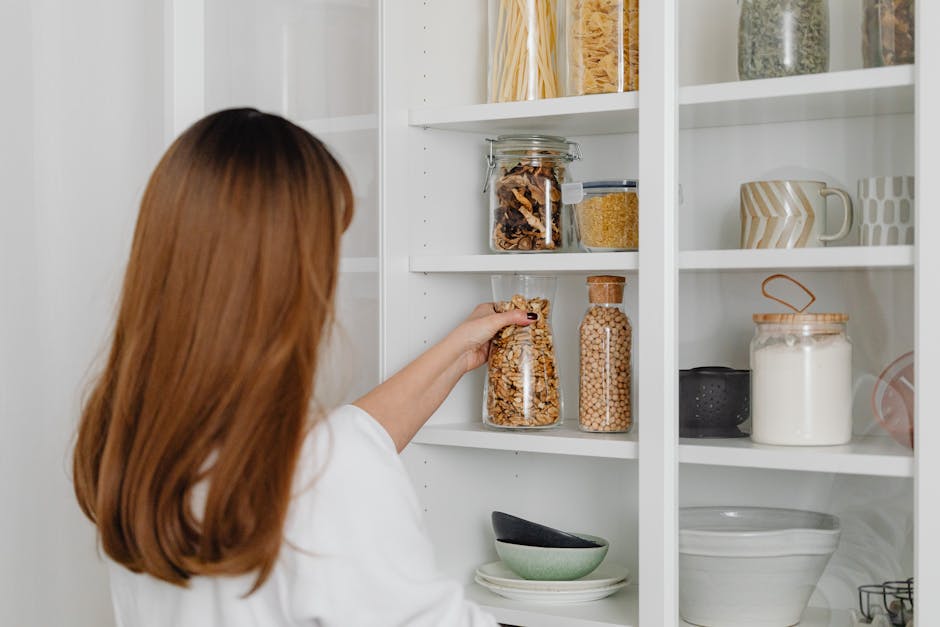
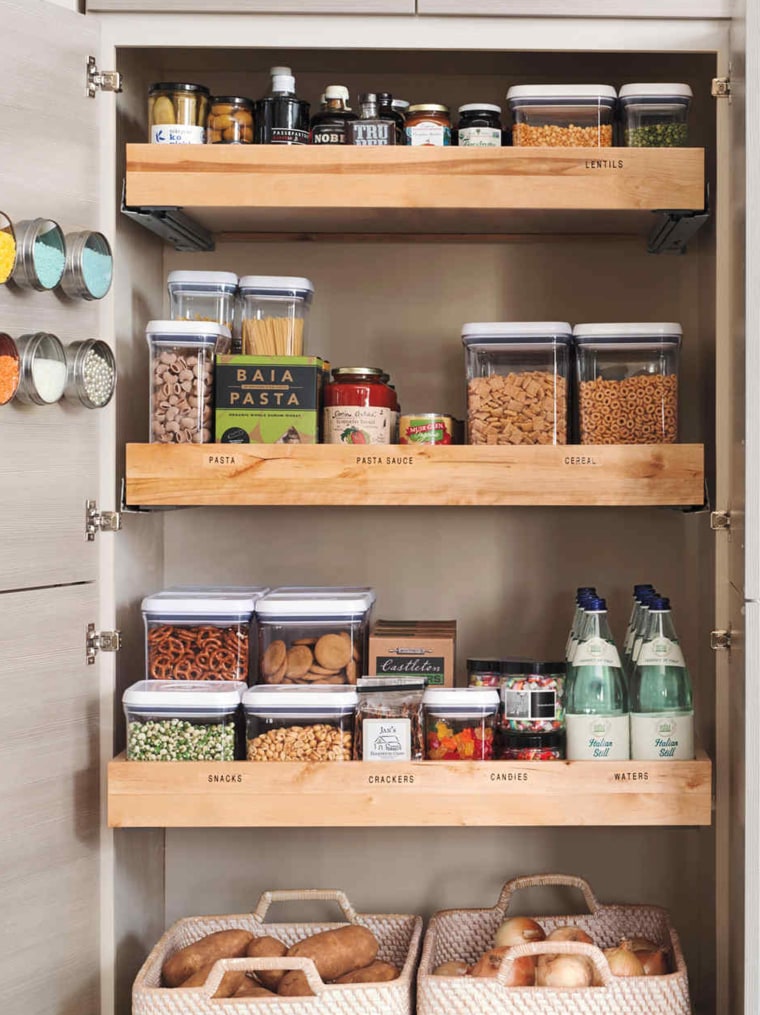
Creating an organized pantry is essential for a functional kitchen. Martha Stewart's tips can help transform a chaotic space into an efficient haven. A well-organized pantry saves time and reduces stress. It also ensures you always know what ingredients you have on hand. Let's explore effective pantry organization strategies.
Categorizing Foods
Start by sorting foods into clear categories. Group similar items like grains, snacks, and canned goods together. This makes finding ingredients much quicker. Use baskets or bins to keep small items organized. Keep everyday essentials easily accessible. Store less-used items on higher shelves. This method maximizes efficiency and space.
Labeling Systems
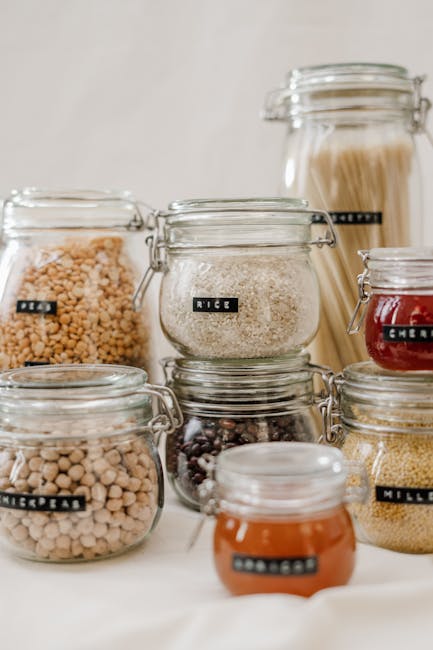
Labels are crucial for maintaining order. Use clear, large labels on all containers and shelves. Choose a consistent labeling style for a cohesive look. Chalkboard labels are a versatile option. They allow easy changes as pantry contents evolve. Labeling helps everyone in the home find what they need. It also makes restocking seamless and stress-free.
Drawer Management
Organizing kitchen drawers like Martha Stewart involves sorting items into categories and using dividers for neatness. Keep frequently used tools accessible, while grouping similar utensils together. Label sections for easy identification, ensuring a streamlined cooking experience.
Drawer ManagementOrganizing your kitchen drawers can transform the way you cook and entertain. Imagine opening a drawer and instantly finding what you need without rummaging through clutter. This is not just a dream; it's a reality that Martha Stewart herself swears by.
Utensil Arrangement
A well-organized utensil drawer is the heart of an efficient kitchen. Start by sorting your utensils into categories: spatulas, spoons, knives, and so on. Assign each group a specific spot within the drawer. Consider the frequency of use. Place everyday items in the front for easy access. Special occasion tools can reside towards the back. Labeling sections can add an extra layer of organization. It might seem unnecessary, but labels can help other family members keep the system intact.
Incorporating Dividers
Dividers are a game-changer in drawer management. They prevent items from jostling around, keeping everything in its designated place. You can buy adjustable dividers that fit any drawer size or make your own with leftover cardboard. Imagine opening a drawer and finding your measuring spoons neatly lined up, instead of tangled with other utensils. Dividers can make this a reality, saving you precious time and frustration. Have you ever opened a drawer only to be greeted by chaos? Adding dividers can turn that chaos into calm. It's a small change with a big impact. Organizing your kitchen drawers is not just about aesthetics. It's about creating a functional space that makes your cooking experience smoother and more enjoyable. How will you transform your kitchen drawers today?
Countertop Management
Organizing a kitchen can transform your cooking space. A tidy countertop makes a kitchen more inviting. It also boosts efficiency during meal prep. Martha Stewart's tips on countertop management are both practical and stylish. By following these strategies, you can maintain a clutter-free surface.
Clear Surface Strategy
Begin by clearing unnecessary items from your countertops. Keep only daily essentials within reach. This creates space for cooking and reduces stress. Store seldom-used items in cabinets or pantry. Use trays to group similar items. This keeps your space orderly. A clear surface makes cleaning easier too.
Appliance Placement
Arrange appliances based on use. Place frequently used ones like toasters and coffee makers at the front. Store larger appliances, like mixers, in lower cabinets. This maximizes countertop space. Ensure all cords are tucked away neatly. Use cord organizers to prevent tangles. This keeps your kitchen looking neat and safe.
Eco-friendly Practices
Transform your kitchen into an eco-friendly space using Martha Stewart's tips. Choose reusable containers and compost food scraps. Organize efficiently to reduce waste and save energy.
Organizing your kitchen with eco-friendly practices is not just a trend; it’s a lifestyle choice that benefits both you and the planet. By adopting sustainable habits, you can create a space that is efficient and environmentally responsible. Embrace changes that reduce your carbon footprint, and you’ll discover a more conscious way of living.
Reducing Waste
One of the simplest ways to start is by minimizing waste in your kitchen. Think about how much food you throw away each week. Could you plan meals more carefully to use up leftovers? Consider composting organic waste. It transforms scraps into nutrient-rich soil for your garden. Organize your pantry with a first-in, first-out system to ensure older items are used first. This helps prevent food spoilage and unnecessary waste.
Sustainable Products
Choosing sustainable products is another impactful step. Opt for reusable containers instead of single-use plastics. Glass jars and stainless steel containers are excellent choices. They are durable and keep food fresh longer. Switch to eco-friendly cleaning supplies. Many brands offer biodegradable options that are just as effective. These products reduce harmful chemicals in your home and the environment. Look for kitchen gadgets made from sustainable materials, like bamboo or recycled plastic. These choices contribute to a more sustainable kitchen without sacrificing functionality. Have you ever considered how your kitchen habits impact the planet? Small changes can make a big difference. What steps will you take to organize your kitchen more sustainably?
Maintenance And Cleanliness
Maintaining a clean kitchen is vital for a healthy home. A well-organized kitchen not only looks appealing but also improves functionality. Martha Stewart, a domestic guru, emphasizes the importance of regular maintenance. Keeping your kitchen tidy ensures a pleasant cooking experience. It also helps in prolonging the life of your kitchen items. Let's delve into the key aspects of routine cleaning and long-term upkeep.
Routine Cleaning
Routine cleaning is essential to keep your kitchen sparkling. Wipe down surfaces daily. This prevents grime build-up. Clean the sink and faucet regularly. They harbor germs. Sweep the floor every day to remove crumbs. A quick mop once a week keeps it fresh. Don't forget the refrigerator. Wipe spills immediately. Check for expired items weekly. These tasks take little time but make a big difference.
Long-term Upkeep
Long-term upkeep involves periodic deep cleaning. Set a monthly schedule for this. Focus on areas often overlooked. Clean the oven and microwave thoroughly. Remove the range hood filters and wash them. Organize cabinets and drawers. Discard items you no longer use. Polish wooden surfaces to maintain their shine. Regularly check for leaks under the sink. This prevents water damage. Such efforts ensure your kitchen remains in top condition.

Credit: www.youtube.com
Frequently Asked Questions
What Are Martha Stewart's Kitchen Organization Tips?
Martha Stewart suggests using clear containers for pantry items. Label everything for easy identification. Group similar items together. Frequently used tools should be within reach. Utilize vertical space with shelves. Keep countertops clutter-free by storing appliances.
How To Store Spices Like Martha Stewart?
Store spices in a cool, dark place. Use clear jars for visibility and label them. Arrange them alphabetically for easy access. Keep them away from heat sources like the stove. This ensures longevity and flavor retention.
How Does Martha Stewart Organize Kitchen Drawers?
Martha recommends using drawer dividers to separate utensils. Keep similar items together for easy access. Place frequently used tools in top drawers. Use nonslip liners to prevent movement. Regularly declutter to maintain order.
What Is Martha Stewart's Pantry Organization Secret?
Martha's secret is categorizing items by use and type. Use clear containers for visibility. Install adjustable shelves for flexibility. Label everything clearly. Keep a shopping list handy to avoid overstocking.
Conclusion
Organizing your kitchen like Martha Stewart is simpler than it seems. Start with small steps. Sort your items by use and frequency. Choose smart storage solutions. Label containers for easy access. Keep counters clean and clear. Use baskets for odd items.
Arrange cookware and utensils neatly. Store spices in reachable spots. Regularly check for expired goods. Enjoy a clutter-free space. Feel inspired to cook with ease. With these tips, your kitchen will be tidy and efficient. Remember, a well-organized kitchen saves time and energy.
Happy organizing!