Is your kitchen a cluttered battlefield that leaves you feeling stressed every time you enter? You're not alone.
Many people struggle with keeping their kitchen organized, leading to unnecessary chaos and wasted time. Imagine walking into a space where every pot, pan, and spice jar has its place. A kitchen where you can easily find what you need without rummaging through drawers or cabinets.
Sounds like a dream, right? But it's entirely achievable. In this guide, you'll discover simple yet powerful strategies to transform your kitchen into an organized haven. You'll learn how to maximize your space, streamline your cooking process, and ultimately, enjoy a more pleasant cooking experience. Ready to reclaim your kitchen and make it a joy to use? Let's dive into the secrets of organizing your kitchen like a pro.
Credit: www.houzz.com
Declutter And Clean
Organizing your kitchen can seem like a daunting task, but starting with decluttering and cleaning sets a solid foundation for a functional space. This process not only frees up valuable counter and storage space but also gives you a fresh start. Imagine opening your cabinets and drawers to find everything neatly arranged and easily accessible. Let's dive into the essential steps to achieve a clutter-free and sparkling kitchen.
Remove Unnecessary Items
Take a good look at your kitchen. How many items do you have that you haven't used in months? Keep only those you use regularly. Consider donating or discarding duplicates or broken items. It’s surprising how much space you’ll free up.
Think about gadgets you thought you'd use but never do. I once had an ice cream maker that collected dust for years. Letting go of it was liberating. What’s hiding in your kitchen that you could live without?
Make it a rule: If you haven't used it in the past year, it’s time to say goodbye. This simple guideline helps you make quick decisions without second-guessing.
Deep Clean Surfaces
With clutter out of the way, it's time to deep clean every surface. Start with countertops and work your way to appliances and cabinets. Use a mix of vinegar and water for a natural cleaning solution that cuts through grime.
Don’t forget your refrigerator shelves. A clean fridge not only looks better but also helps keep food fresher. Have you noticed how a deep-cleaned space feels more welcoming?
Pay attention to the spots that often get overlooked, like the tops of cabinets or behind the stove. You might be surprised at the amount of dust lurking there. A thorough cleaning makes your kitchen feel brand new.
By removing unnecessary items and deep cleaning surfaces, you create a kitchen that is not only organized but also a pleasure to spend time in. Are you ready to transform your kitchen into a space you love? Take the first step today!
Zoning Your Kitchen
Organizing your kitchen can transform your cooking experience. A well-zoned kitchen boosts efficiency and enjoyment. Each area has its purpose and helps maintain order. Consider creating distinct zones for cooking, storage, and cleanup. This approach simplifies tasks and reduces clutter.
Create Cooking Zones
Start by defining cooking zones. Place pots, pans, and utensils near the stove. Keep spices and oils within arm's reach. This setup saves time and effort. Use drawers or wall-mounted racks for easy access. A designated prep area can speed up meal preparation. Use counter space for chopping and mixing.
Designate Storage Areas
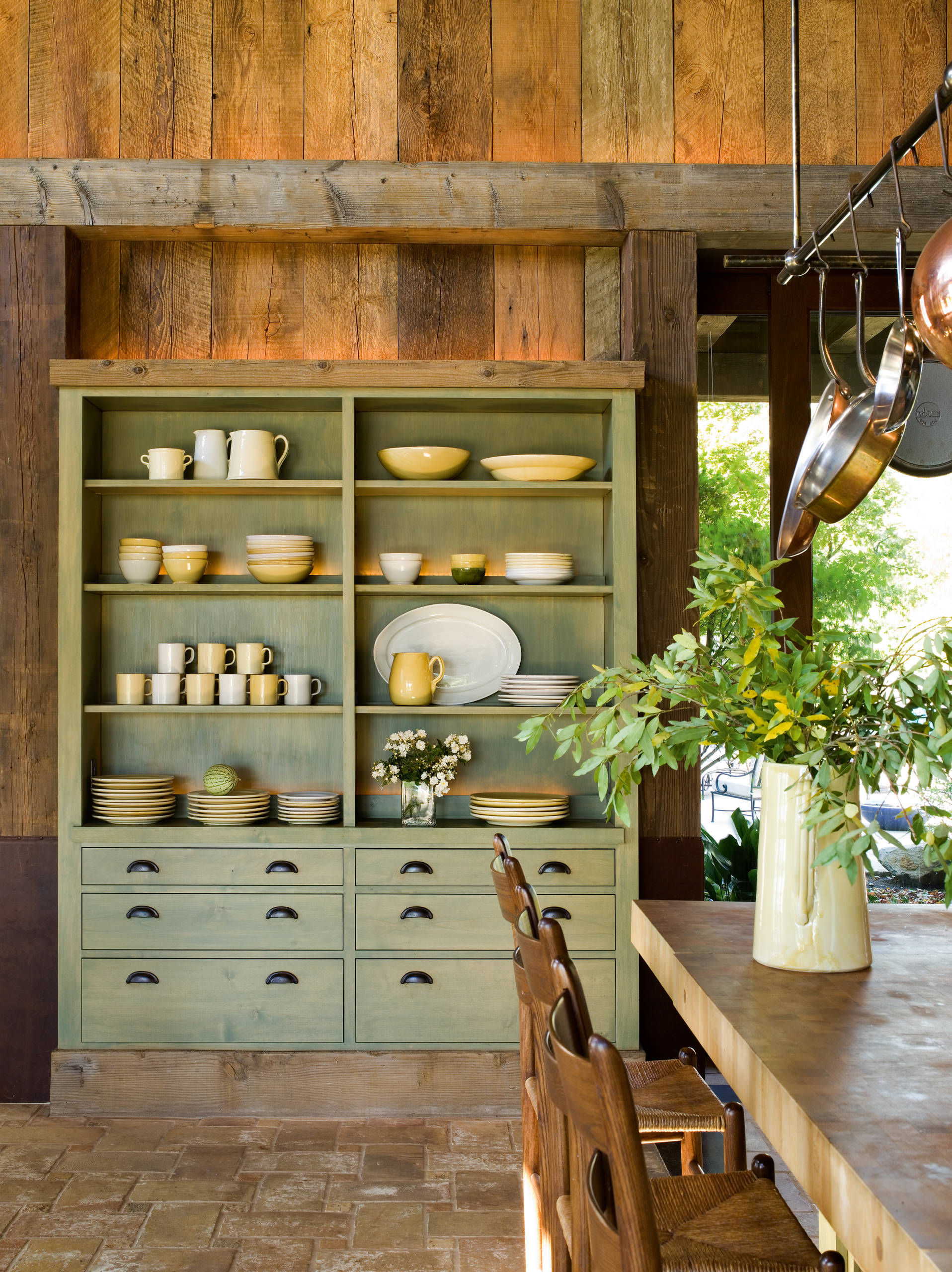
Storage areas keep your kitchen organized. Allocate specific spots for dishes and glassware. Use cabinets for larger items. Place frequently used items at eye level. Store lesser-used items higher or lower. Consider using labeled containers for dry goods. This makes finding items quicker and easier. Organize the pantry by grouping similar items together.
Smart Storage Solutions
Organizing your kitchen can be a game-changer for both efficiency and enjoyment in cooking. Smart storage solutions are key to maximizing your space and minimizing clutter. Think about how much time you spend rummaging through drawers or cabinets. With a few clever tweaks, you can transform your kitchen into a streamlined haven. Let’s dive into some smart storage solutions that will help you make the most out of your kitchen space.
Use Vertical Space
Have you ever looked up in your kitchen? Often, we overlook the potential above eye level. Utilizing vertical space is a smart way to store items you don’t use every day but still need close by. Install shelves higher up on the walls for storing baking pans, rarely used appliances, or even decorative items.
Wall-mounted racks can hold pots and pans, freeing up precious cabinet space. I once added a pegboard to an empty wall, and it became my go-to spot for hanging utensils and measuring cups. It not only saved space but also added a splash of creativity to the kitchen.
Consider magnetic strips for knives or spice jars. They can be mounted on walls or even the side of your fridge. Think of how much drawer space you can reclaim by just moving these items to the walls. What other vertical spaces can you utilize in your kitchen?
Drawer Organizers
Drawers can easily become a jumbled mess if not managed well. Drawer organizers are a simple yet effective solution. Invest in adjustable dividers to customize the space according to your needs. This way, you can keep utensils, measuring spoons, and kitchen gadgets neatly separated.
Try using small bins or trays within drawers for smaller items like spice packets or tea bags. I once used an old cutlery tray to organize my baking supplies—each compartment had its purpose, and it made finding things a breeze.
Don’t forget about those deep drawers. Use stackable organizers to create multiple levels of storage. This can be a lifesaver for storing pots and lids. Have you thought about all the things you could neatly organize with just a few drawer inserts?
Smart storage solutions can drastically change your kitchen experience. What's the next step you're going to take to make your kitchen more organized?
Credit: www.homedepot.com
Labeling System
Creating a labeling system can help organize your kitchen pantry. Use clear labels for jars, cans, and boxes. This makes finding items easier and keeps shelves tidy.
Organizing your kitchen can feel like an uphill task, especially when you can't find what you need. A good labeling system can transform chaos into order. Labels help you quickly identify items, ensuring your kitchen stays organized and efficient. Imagine reaching for a spice jar and knowing exactly what it is without opening the lid. Sounds like a dream? Let’s make it a reality with a smart labeling strategy.
Clear Labels
Clear labels are essential for a tidy kitchen. They provide immediate visibility and clarity. You can use clear adhesive labels on jars, containers, and shelves. This simple step minimizes the time spent hunting for ingredients. When creating labels, opt for waterproof options. This choice ensures that they withstand spills and frequent washing. Have you ever tried searching for flour only to find it in a mislabeled jar? Clear labels can prevent such mishaps.
Color-coding
Color-coding adds an extra layer of organization. Assign specific colors to categories like spices, grains, and snacks. This method simplifies the search process. Imagine opening your pantry and spotting a red label that instantly indicates spices. It saves time and reduces stress. Have you considered using colored washi tape for a DIY touch? It’s a cost-effective way to color-code while adding a bit of personality. Creating a labeling system tailored to your needs can make kitchen tasks more enjoyable. What labeling tips have you found useful in your own kitchen? Share your thoughts and let's make kitchen organization a delightful experience.
Efficient Pantry Organization
Efficient pantry organization can transform your cooking experience. Imagine opening your pantry and easily finding everything you need. A well-organized pantry saves you time and reduces stress.
Grouping Similar Items
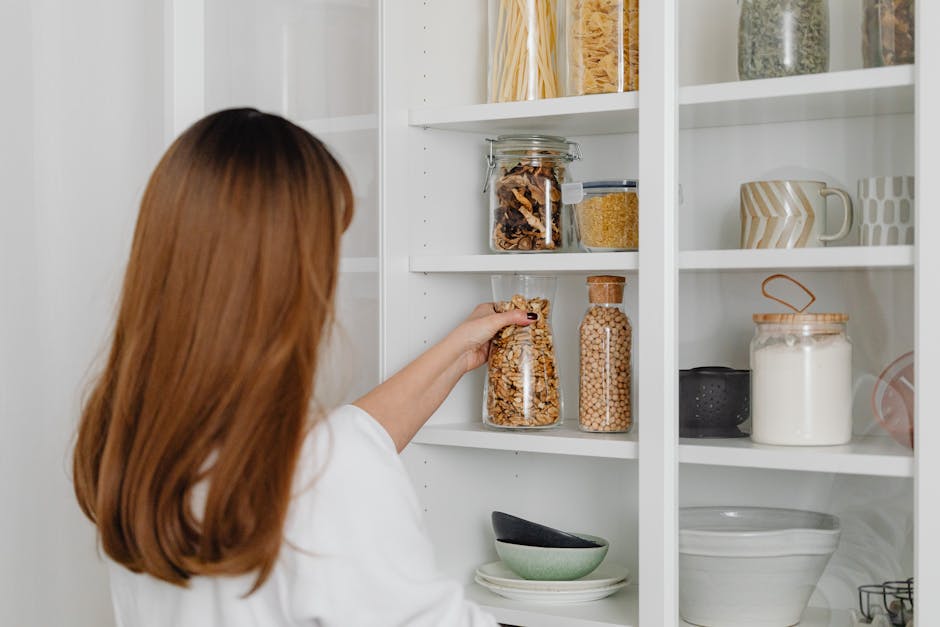
Start by sorting your pantry items into categories. Place all your canned goods together, and do the same with grains, spices, and snacks. This simple step makes it easier to see what you have at a glance.
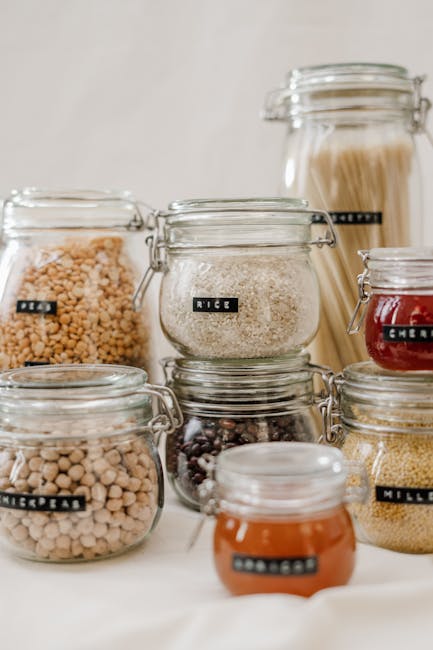
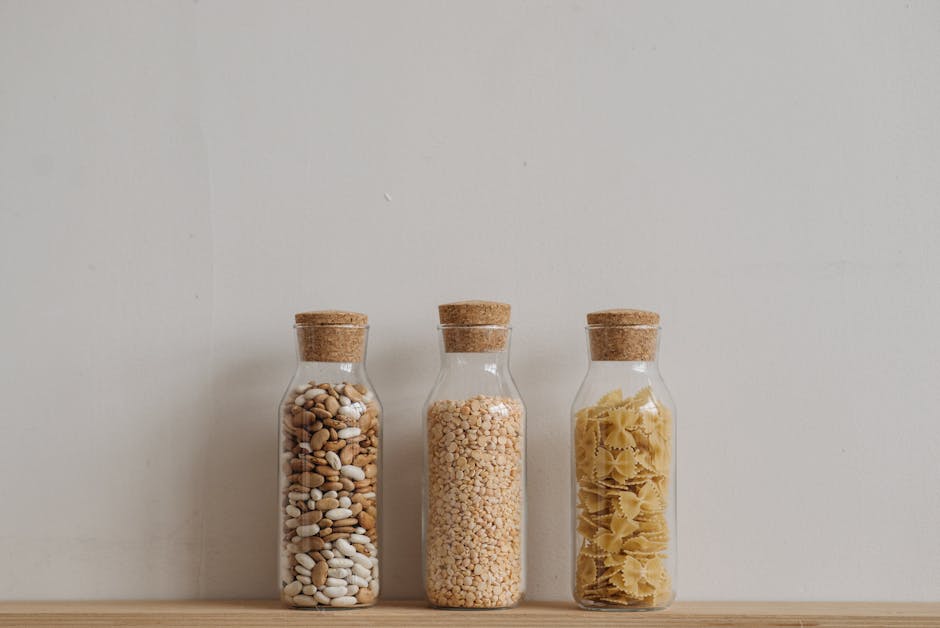
Consider using clear containers for items like pasta, rice, and cereals. Not only does this keep things tidy, but it also helps you avoid buying duplicates. Label each container so you and your family know what’s inside.
Ask yourself: how often do you lose track of what’s in your pantry? Grouping similar items is the first step to preventing this common issue. It’s like having a mini grocery store in your home.
Rotating Stock
Rotating stock is essential for keeping your pantry fresh and up-to-date. Move older items to the front and place newer purchases behind them. This ensures you use up everything before it expires.
Think about the last time you threw away expired food. It’s frustrating and wasteful. By rotating your stock, you not only save money but also cut down on food waste.
Set a reminder to check your pantry every month. It’s a quick task that can have a big impact. You’ll feel more in control and less overwhelmed by clutter.
How often do you find forgotten items in your pantry? Regularly rotating stock prevents this and keeps your pantry efficient. It’s a small habit that makes a big difference.
Organizing your pantry doesn’t have to be overwhelming. By grouping similar items and rotating stock, you’ll create a space that’s both functional and inviting. What changes will you make to your pantry today?
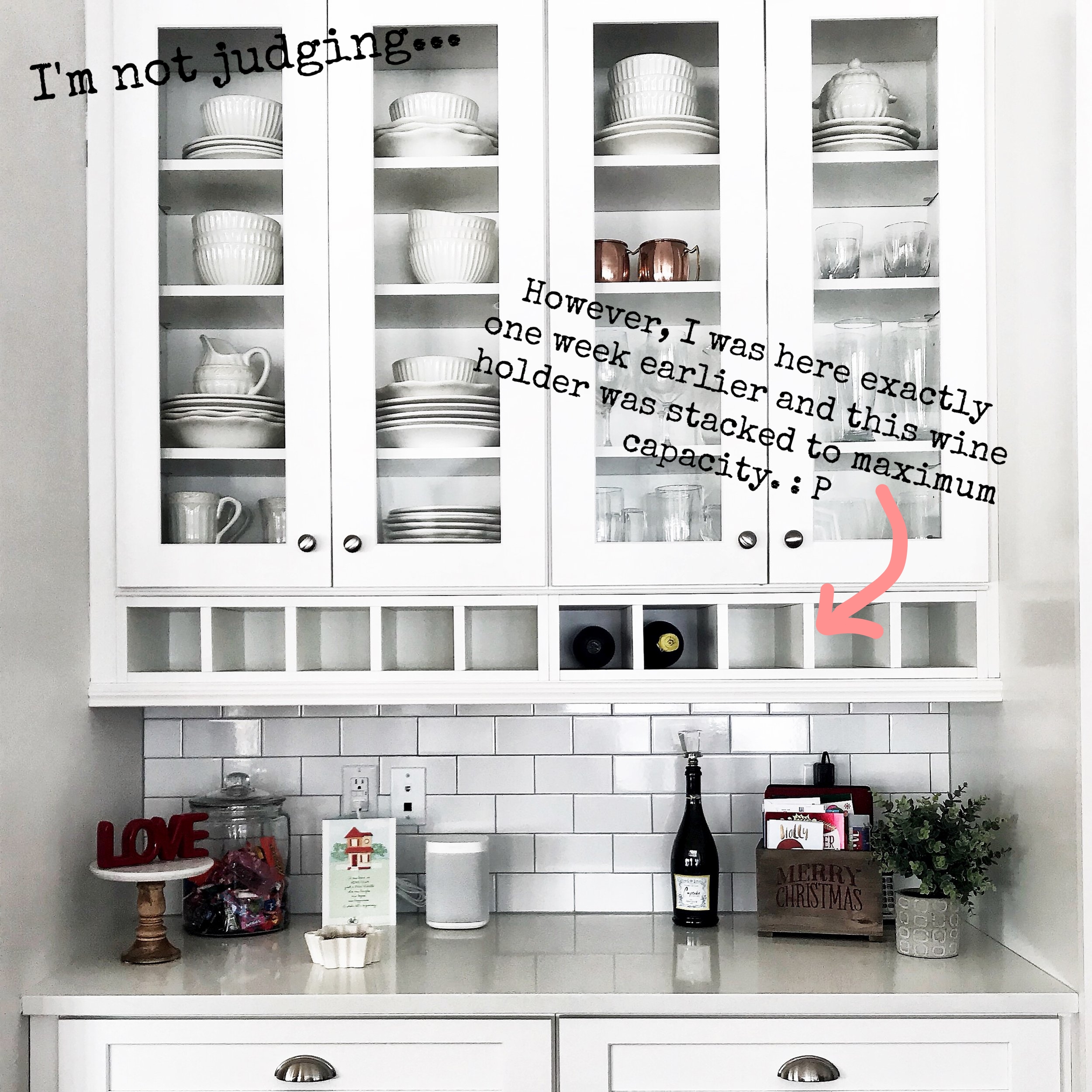
Credit: www.thedecorformula.com
Fridge And Freezer Tips
Organizing your kitchen's fridge and freezer makes cooking easier and saves time. Store similar items together for quick access. Label shelves to remind everyone where things belong.
Keeping your fridge and freezer organized can make meal prep easier, reduce waste, and save you money. It’s not just about where things go, but how you maintain them. Let's dive into some practical tips to optimize your fridge and freezer organization.
Temperature Zones
Understanding your fridge’s different temperature zones can prevent spoilage. The top shelves are usually the warmest, ideal for ready-to-eat foods like leftovers and drinks. The middle shelves are perfect for dairy, while the bottom shelf is the coldest—ideal for raw meat and poultry. The fridge door is warmer than the rest of the fridge. Store condiments here instead of eggs or milk, which need colder temperatures. Adjust your fridge thermostat to stay between 37°F (3°C) and 40°F (4°C) for optimal food safety.
Preventing Food Waste
Food waste is a common issue, but a few strategies can help you minimize it. Keep a list of what’s inside your fridge on the door to remind you of what needs to be used. Consider a weekly fridge clean-out to check expiration dates and plan meals around what you have left. Use clear containers so you can easily see what’s inside. Label and date leftovers to ensure they don’t become forgotten science experiments. You might be surprised how much money you save when you use everything you buy. Have you ever found a mystery item in the freezer? Avoid this by organizing your freezer with bins or baskets labeled by category—meat, veggies, ready-to-eat meals, etc. This not only keeps things tidy but also makes it easier to find what you need when you're cooking in a hurry. Embrace these fridge and freezer tips to create a more efficient kitchen space. What changes will you make to your kitchen today?
Maintaining Order
Creating order in your kitchen involves smart storage solutions. Use drawer organizers for utensils. Arrange spices neatly on shelves. Keep frequently used items accessible.
Maintaining order in your kitchen is a journey, not a destination. It involves consistent effort and some smart strategies. But the rewards are worth it—a kitchen that's a pleasure to use and easy to navigate. Break down tasks into manageable pieces. Small, regular actions can prevent chaos from taking over your space. Here’s how you can keep your kitchen tidy and functional.
Regular Check-ups
Make a habit of doing quick check-ups on your kitchen. Pick a day each week to glance through your pantry and fridge. Is something expired? Toss it. Consider setting a reminder on your phone. Even five minutes can make a difference in maintaining order. You’ll thank yourself the next time you’re hunting for dinner ingredients. A regular check-up also helps you spot what you’re low on. This proactive approach can save you from last-minute grocery store runs.
Seasonal Deep Cleaning
Seasonal deep cleaning is your kitchen’s reset button. Choose a season or a specific month to give your kitchen a thorough clean. It’s like spring cleaning, but for your culinary space. Gather your supplies before you start. All-purpose cleaner, sponges, and a bucket can work wonders. Don’t forget to include your trusty vacuum for those hard-to-reach nooks. Make it fun. Turn on your favorite playlist and get to work. You’ll be surprised at how satisfying it is to see your kitchen shine. Think about your last deep clean. Did you find items you forgot you had? Use this as a chance to reorganize and make room for the essentials. Maintaining order in your kitchen doesn’t have to be overwhelming. With regular check-ups and seasonal deep cleaning, you can keep your kitchen running smoothly. What’s your favorite tip for staying organized?
Frequently Asked Questions
How To Start Organizing Your Kitchen?
Begin by decluttering your kitchen. Remove items you rarely use and organize essentials into categories. Use clear containers for easy visibility and accessibility. Consider labeling shelves and bins to maintain order. This initial step will help streamline your organization process and create a more functional kitchen space.
What Are Essential Kitchen Organization Tools?
Essential kitchen tools include drawer dividers, shelf risers, and spice racks. Drawer dividers help organize utensils, while shelf risers maximize space. Spice racks keep spices easily accessible and visible. These tools help maintain an orderly kitchen, making cooking and cleaning more efficient and enjoyable.
How To Organize Kitchen Pantry Effectively?
To organize a pantry, group similar items together. Use clear bins for snacks and airtight containers for grains. Label shelves to easily locate items. Arrange frequently used items at eye level for easy access. Regularly review pantry contents to avoid clutter and expired products.
Best Tips For Small Kitchen Organization?
Maximize vertical space in a small kitchen. Use wall-mounted shelves and hooks for utensils and pots. Opt for multi-functional furniture like foldable tables. Install pull-out drawers in cabinets for easy access. Keep countertops clear to maintain an open feel, enhancing functionality and flow.
Conclusion
Organizing your kitchen can simplify your daily cooking routine. A tidy space helps you find what you need quickly. Clear counters make meal prep easier. Use shelves and drawers wisely. Label containers for easy identification. Keep frequently used items within reach.
A clutter-free kitchen feels inviting. It also boosts your efficiency. Remember, small changes make a big difference. Regular maintenance keeps the space neat. Enjoy cooking in your organized kitchen.