Imagine stepping into your kitchen and feeling an immediate sense of calm and order. As an essential part of your home, your kitchen deserves to be a space where you can cook efficiently and enjoyably.
If you're looking to transform your kitchen into a well-organized haven, especially with the unique charm and complexity of Indian culinary needs, you're in the right place. Indian kitchens are known for their rich flavors and diverse ingredients, which can sometimes lead to clutter and confusion.
But don't worry, organizing your kitchen doesn't have to be overwhelming. With a few strategic tweaks, you can create a space that not only looks great but also works seamlessly for you. We'll guide you through practical steps to organize your kitchen while keeping the essence of Indian cooking intact. You'll discover how to optimize storage, manage spices, and streamline your cooking process without losing the traditional touch. Get ready to transform your kitchen into a functional and inviting space, making cooking a delightful experience every single day. Let's dive in and start organizing!

Credit: www.mylittlemoppet.com
Kitchen Layout Design
Organizing your kitchen with an efficient layout is essential for maximizing functionality, especially in Indian homes where cooking is a daily ritual. A well-thought-out kitchen layout design not only enhances your cooking experience but also ensures that every inch of space is utilized effectively. Whether you're a seasoned chef or a novice cook, a strategic kitchen layout can make a world of difference in your culinary adventures.
Optimizing Space
Space is a premium in any kitchen, particularly in Indian kitchens where multiple appliances and cookware are needed. Begin by assessing the available space and categorizing areas into zones. Think of zones as specific areas for different tasks—cooking, prep, storage, and cleaning.
Consider vertical storage solutions like wall-mounted racks or cabinets to free up counter space. These are perfect for storing spices, utensils, and small cookware. You might find it easier to reach for your masala dabba or spatula when they're neatly hung at eye level.
Imagine the ease of having all your essential items within arm's reach. What would you do with the extra counter space? Perhaps you'll finally have room for that pasta maker you've been eyeing!
Choosing The Right Appliances
Your kitchen’s efficiency hinges on selecting appliances that fit both your space and cooking style. Compact appliances like a small mixer grinder or induction cooktop can save space while still delivering powerful performance.
Consider energy-efficient models that can reduce electricity bills. Even a small fridge can be optimized with smart storage, ensuring you have room for all your ingredients without clutter. Look for appliances that offer multiple functions, such as a microwave with grilling features. This could mean fewer gadgets and more space for cooking.
Does your current appliance lineup support your cooking needs? If not, it might be time to make a change. Imagine the ease of preparing a full meal with appliances that complement your workflow.
Storage Solutions
Optimize your Indian kitchen with clever storage solutions. Use stackable containers for spices and grains. Hang pots and pans to save space. Keep everyday essentials within easy reach to streamline cooking.
Organizing your kitchen can be a game-changer, especially in Indian households where the kitchen is a bustling hub of activity. With the right storage solutions, you can make cooking a joy rather than a chore. Think about how much easier it would be if everything had a place and was within arm's reach.
Utilizing Cabinets And Drawers
Cabinets and drawers are the backbone of kitchen storage. Start by assigning each cabinet a specific purpose. Dedicate one cabinet for your spices and masalas, ensuring they are easily accessible while cooking. Imagine the ease of having all your spices neatly lined up, ready to turn any meal into a flavorful dish. For drawers, invest in organizers. Use them to separate your utensils, cutlery, and small kitchen tools. Drawer organizers keep things neat and prevent the frustrating morning search for your favorite spatula. Have you ever wasted time digging through a messy drawer? With a well-organized system, you can avoid such hassles.
Effective Use Of Shelves
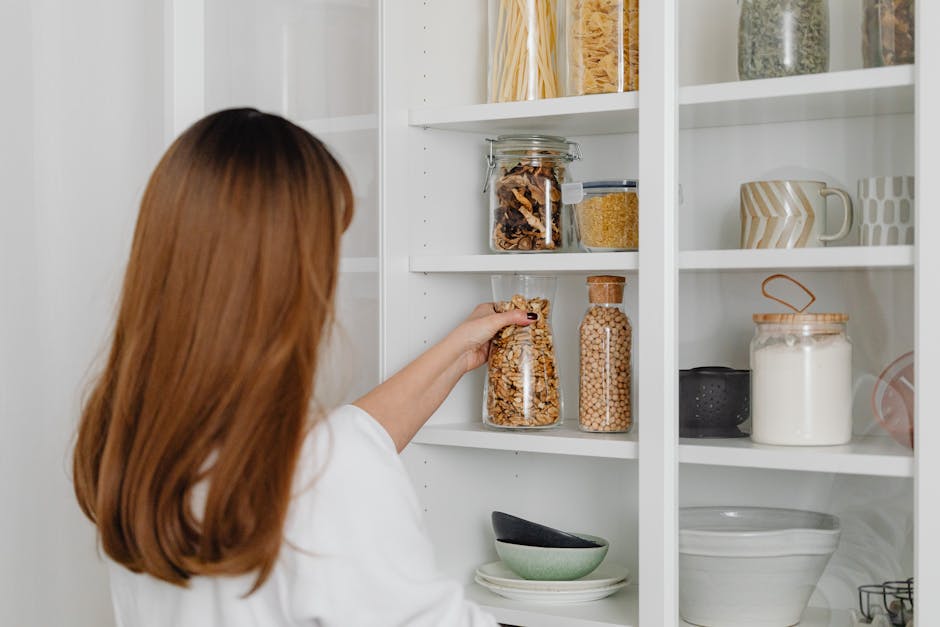
Shelves are perfect for maximizing vertical space. Use them for items you need regularly but don't want cluttering your countertops. Place your most-used pots, pans, and serving dishes on lower shelves for easy access. Higher shelves can store less frequently used items like special-occasion crockery. Consider adding floating shelves for a modern touch. They not only provide extra storage but also allow you to display beautiful dishware or glass jars filled with vibrant lentils and pulses. Isn’t it satisfying when practicality meets aesthetics? With shelves, your kitchen can be both functional and visually pleasing. Are you ready to transform your kitchen into a well-organized space? By making small changes, you can create an efficient and enjoyable cooking environment. What storage solution will you try first?
Indian Spices And Ingredients
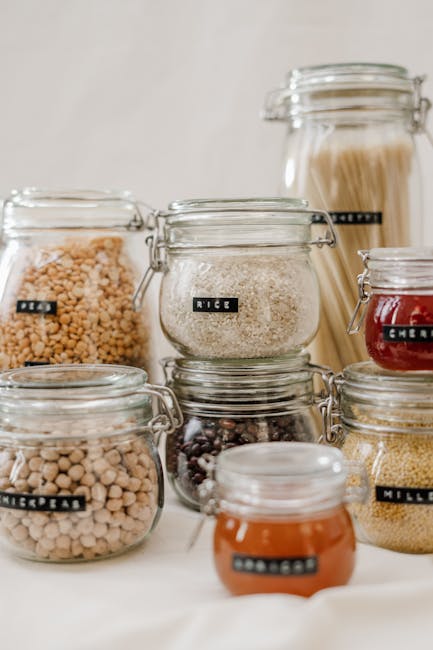
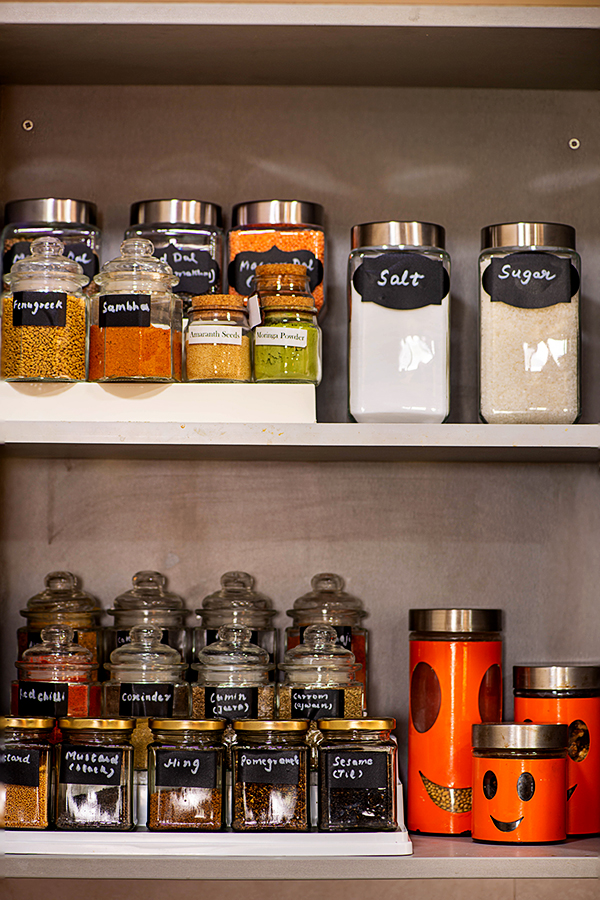
Spices like turmeric, cumin, and coriander bring vibrant flavors to Indian cuisine. Organizing these spices in your kitchen can simplify cooking. Use labeled jars and arrange by frequency of use. Keep them in a cool, dry place to maintain freshness.
This makes meal preparation more efficient and enjoyable.
Indian kitchens are vibrant and full of life. They are famous for their aromatic spices and rich ingredients. These elements create flavorful dishes that delight taste buds. Proper organization of these spices and ingredients is key. It enhances cooking efficiency and maintains their freshness.
Storing Spices Properly
Spices are the soul of Indian cooking. They need careful storage to retain their aroma. Use airtight containers for spices like turmeric and cumin. It prevents moisture and preserves their quality. Glass jars work well for this purpose. Label each jar clearly. It saves time during cooking. Keep spices away from direct sunlight. Light can affect their potency. Store them in a dark, cool place. Consider a spice rack inside a cupboard. This keeps them accessible and organized. Regularly check for expired spices. Replace them to ensure freshness.
Organizing Essential Ingredients
Indian dishes rely on a variety of ingredients. Lentils, rice, and flour are staples. Use transparent bins for these essentials. It helps in easy identification. Group similar items together. For example, place all lentils in one section. This method reduces clutter. Keep frequently used ingredients at the front. It makes cooking smoother. Use small baskets for vegetables like onions and potatoes. This prevents spoilage. Ensure proper ventilation to maintain their freshness. Always keep a shopping list handy. It helps in restocking essentials efficiently.
Efficient Cooking Zones
Efficient cooking zones in an Indian kitchen enhance workflow. They simplify meal preparation and reduce cooking time. Organizing these zones allows you to move smoothly while cooking. Everything you need is within reach. This approach makes the cooking process enjoyable and stress-free.
Creating Prep Areas
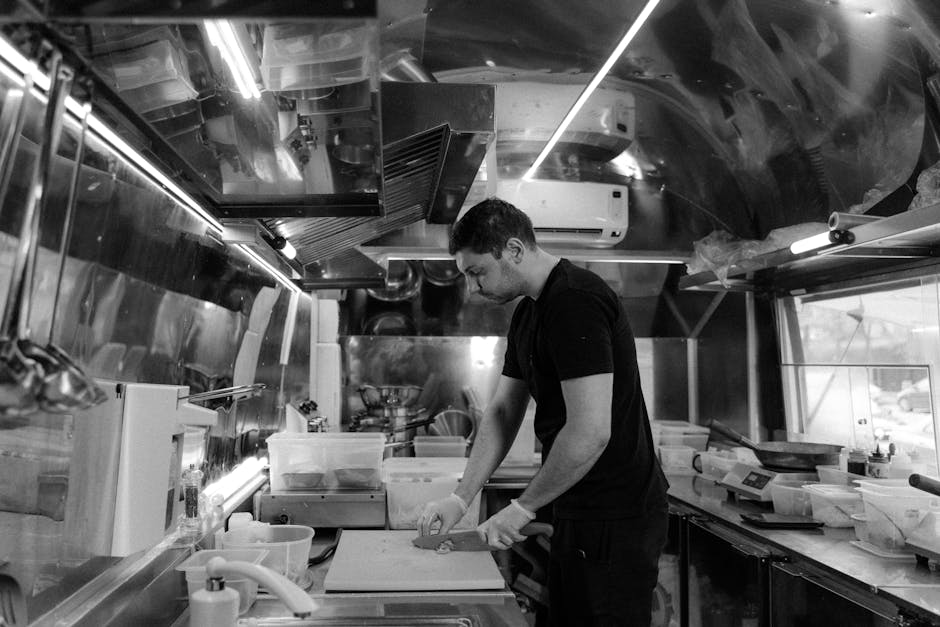
Start by designating a prep area for chopping and slicing. Place cutting boards and knives here for easy access. Store frequently used items like onions, garlic, and spices nearby. This setup minimizes movement and saves time. Ensure the area is well-lit for safety.
Keep a trash bin or compost nearby. This helps in quick disposal of waste. A tidy prep area boosts efficiency and keeps the kitchen clean.
Setting Up Cooking Stations
Designate specific zones for cooking tasks. Place cookware and utensils near the stove. Keep pots, pans, and cooking oils within arm’s reach. This setup reduces unnecessary movement while cooking.
Store spices and condiments nearby for quick access. Arrange them in order of frequency of use. This ensures smooth transitions between cooking tasks.
Maintain a clean and organized cooking station. It enhances focus and efficiency. A well-organized kitchen makes cooking a delightful experience.
Cleaning And Maintenance
Keeping an Indian kitchen clean requires regular effort. The spices and oils used in Indian cooking can create messes. Proper organization and maintenance help maintain a hygienic environment. With a structured cleaning routine, your kitchen stays inviting and functional.
Daily Cleaning Routines
Start with wiping down countertops and stoves. Oil splatters are common in Indian cooking. Use a damp cloth with mild detergent for surfaces. Sweep the floor to collect crumbs and debris. Clean as you cook to minimize end-of-day tasks. Daily tasks prevent build-up and keep the kitchen tidy.
Long-term Maintenance Tips
Deep clean appliances like microwaves and ovens monthly. Remove lime scale from taps and sinks regularly. Organize pantry items in airtight containers. This keeps spices fresh and prevents pests. Check for expired items every three months. Reorganize shelves and drawers twice a year. This makes cooking easier and more efficient.
Sustainable Practices
Incorporating sustainable practices in organizing an Indian kitchen involves using eco-friendly materials and reducing waste. Opt for reusable containers and cloth bags for storage. Efficiently organize spices and grains to minimize clutter and maximize space.
Sustainable practices in the kitchen are not just a trend; they are a necessity for a healthier planet and a more organized home. By adopting eco-friendly methods, you can significantly reduce your environmental footprint while keeping your kitchen neat and efficient. Imagine transforming your Indian kitchen into a space where sustainability meets functionality.
Reducing Waste
One of the easiest ways to start is by minimizing waste. Start with your grocery shopping—plan your meals and create a detailed list to avoid buying unnecessary items. In my kitchen, I've found that storing grains and spices in glass jars not only reduces plastic waste but also keeps everything organized and easy to find. Have you ever thought about how much food you throw away? Composting can turn your vegetable peels and leftovers into nutrient-rich soil. Think about how you store your food. Utilize every inch of your refrigerator and pantry by organizing items based on their lifespan. This way, you prioritize using older items first, reducing the likelihood of spoiled food.
Eco-friendly Options
Choose eco-friendly alternatives to everyday kitchen items. Swap out plastic wrap for beeswax wraps or silicone lids. These options are reusable, reducing your reliance on single-use plastics. In my experience, they work just as well and add a colorful touch to your kitchen storage. Investing in high-quality, reusable products can make a big difference. Consider cloth napkins instead of paper ones, which can be washed and reused multiple times. It’s a small change that significantly cuts down waste. Think about your cleaning products. Many commercial products are filled with harsh chemicals. Opt for natural cleaners like vinegar and baking soda, which are effective and safe for both your home and the environment. Are you ready to make your kitchen a beacon of sustainability? Start with these small changes and watch as they transform your culinary space into a green haven.
Smart Gadgets And Tools
Efficient kitchen organization becomes effortless with smart gadgets and tools. These devices simplify storage and accessibility, enhancing the functionality of Indian kitchens. Keep spices, utensils, and cookware neatly arranged for easy access during cooking.
Organizing an Indian kitchen can be both exciting and challenging, especially with the variety of spices, grains, and utensils involved. Smart gadgets and tools can significantly enhance your kitchen's functionality, making cooking more enjoyable and efficient. These tools not only save time but also ensure that your kitchen remains clutter-free and easy to navigate.
Must-have Kitchen Gadgets
Every Indian kitchen benefits from gadgets that simplify repetitive tasks. A mixer grinder is essential for grinding spices or making chutneys quickly. Owning a rice cooker can change how you approach meal prep, offering perfectly cooked rice without supervision. A pressure cooker is a staple, reducing the cooking time for dals and curries, making it a must-have in your culinary arsenal. Is your kitchen missing these essentials? Consider adding them to streamline your cooking process.
Efficiency-boosting Tools
Efficiency-boosting tools transform how you manage your kitchen space and time. Magnetic spice racks or jars keep your spices organized and within easy reach, ensuring you never fumble around for the right flavor. Chopping boards with containers allow you to chop and store ingredients without extra mess, saving precious minutes during meal prep. If you've ever found yourself juggling too many tasks at once, these tools can be game-changers. Investing in a multi-tiered steamer can help you cook multiple dishes simultaneously, making it a great asset for preparing elaborate meals or when hosting guests. How would your cooking routine improve with these tools at your disposal? Ultimately, the goal is to enhance your kitchen experience, making each cooking session less daunting and more rewarding. With the right gadgets and tools, your Indian kitchen can become a hub of efficiency and culinary delight.
Credit: mytastycurry.com

Credit: rakskitchen.net
Frequently Asked Questions
How To Declutter An Indian Kitchen?
Decluttering an Indian kitchen involves removing unused items and organizing essentials. Start by sorting utensils, spices, and cookware. Donate or discard items you rarely use. Use labeled containers for spices and clear bins for pantry items. Keep countertops clear for easy meal prep and cooking.
Regularly clean and organize to maintain order.
What Are Essential Tools For Indian Cooking?
Essential tools for Indian cooking include a pressure cooker, non-stick pan, and mixer grinder. A spice box (masala dabba) is crucial for easy access to spices. Keep a rolling pin and board for making chapatis. Ensure you have quality knives and a cutting board for efficient food preparation.
How Do I Organize Spices Efficiently?
Organizing spices efficiently involves using a spice rack or masala dabba. Label each container for easy identification. Group similar spices together for quick access. Regularly check for expired spices and replace them. Keep frequently used spices near the cooking area for convenience.
Maintain a clean and tidy spice storage area.
What Are Storage Tips For Indian Kitchens?
Maximize storage by using vertical space with shelves and wall hooks. Utilize drawer dividers for utensils and kitchen tools. Store grains and pulses in airtight containers to keep them fresh. Use stackable containers to save space. Regularly assess and reorganize to ensure efficient use of kitchen storage areas.
Conclusion
Organizing an Indian kitchen can be simple and rewarding. Start small. Tackle one section at a time. Use clear containers for spices. Label them for easy access. Arrange utensils by frequency of use. Keep essentials within arm's reach. Designate a spot for appliances.
This saves counter space. Clean as you go. This avoids clutter. An organized kitchen makes cooking enjoyable. You save time and reduce stress. Enjoy your meals in a neat space. Happy cooking!