
Imagine walking into your kitchen and finding everything exactly where it should be. No more frantic searches for the elusive spatula or the missing lid for your favorite pot.
Organizing your kitchen better can transform your cooking space into a haven of efficiency and tranquility. It's not just about tidying up; it's about creating a space that works for you and makes your daily routine smoother and more enjoyable.
With just a few smart strategies, you can turn your cluttered kitchen into a well-organized masterpiece. This isn't just about aesthetics—it's about making your life easier and saving you time. You deserve a kitchen that enhances your culinary creativity and helps you whip up meals with ease. So, are you ready to unlock the secrets to a more organized kitchen? Let's dive in and discover how a few simple changes can make a world of difference.
Credit: www.youtube.com
Maximizing Space
Transform your kitchen by maximizing space with clever organization. Use shelves and hooks to keep tools within reach. Arrange items by frequency of use to enhance efficiency.
Maximizing space in your kitchen can transform the way you cook, clean, and even entertain. It's not just about cramming more into every nook and cranny but about creating a flow that makes your daily tasks easier. If you constantly find yourself frustrated by cluttered countertops or hard-to-reach items, it's time to rethink your approach to kitchen organization. Let's dive into some effective strategies to make every inch count.
Smart Storage Solutions
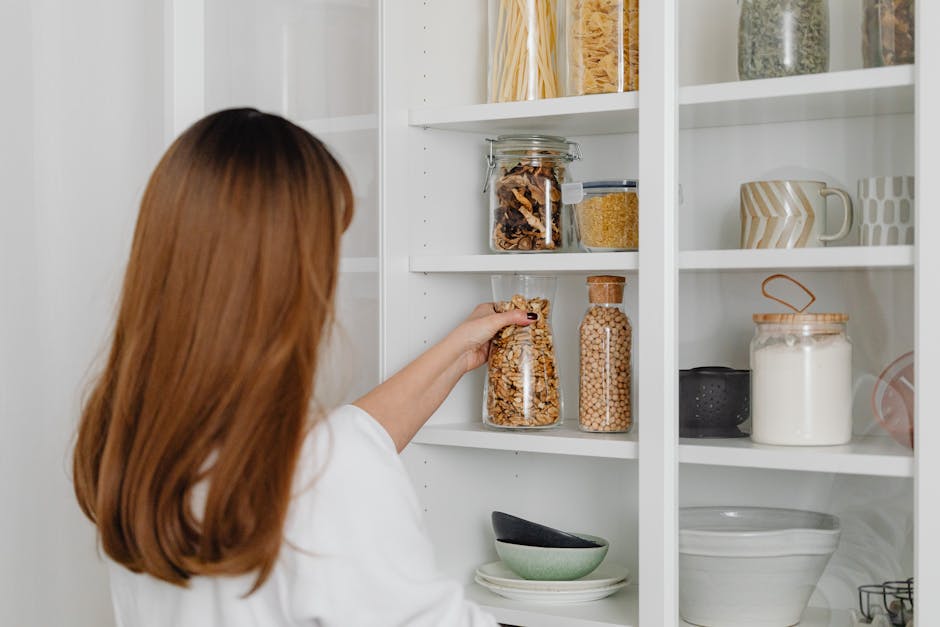
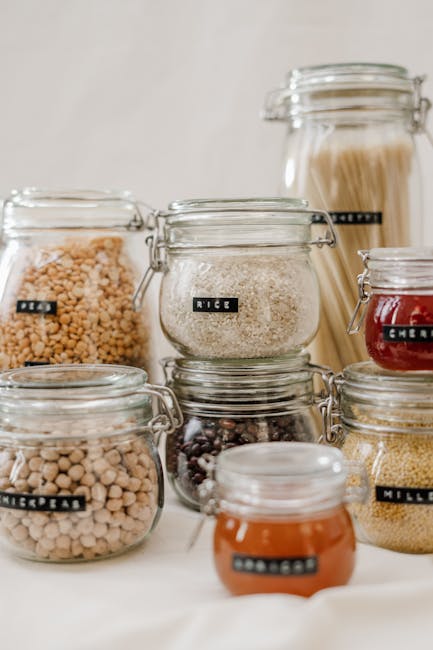
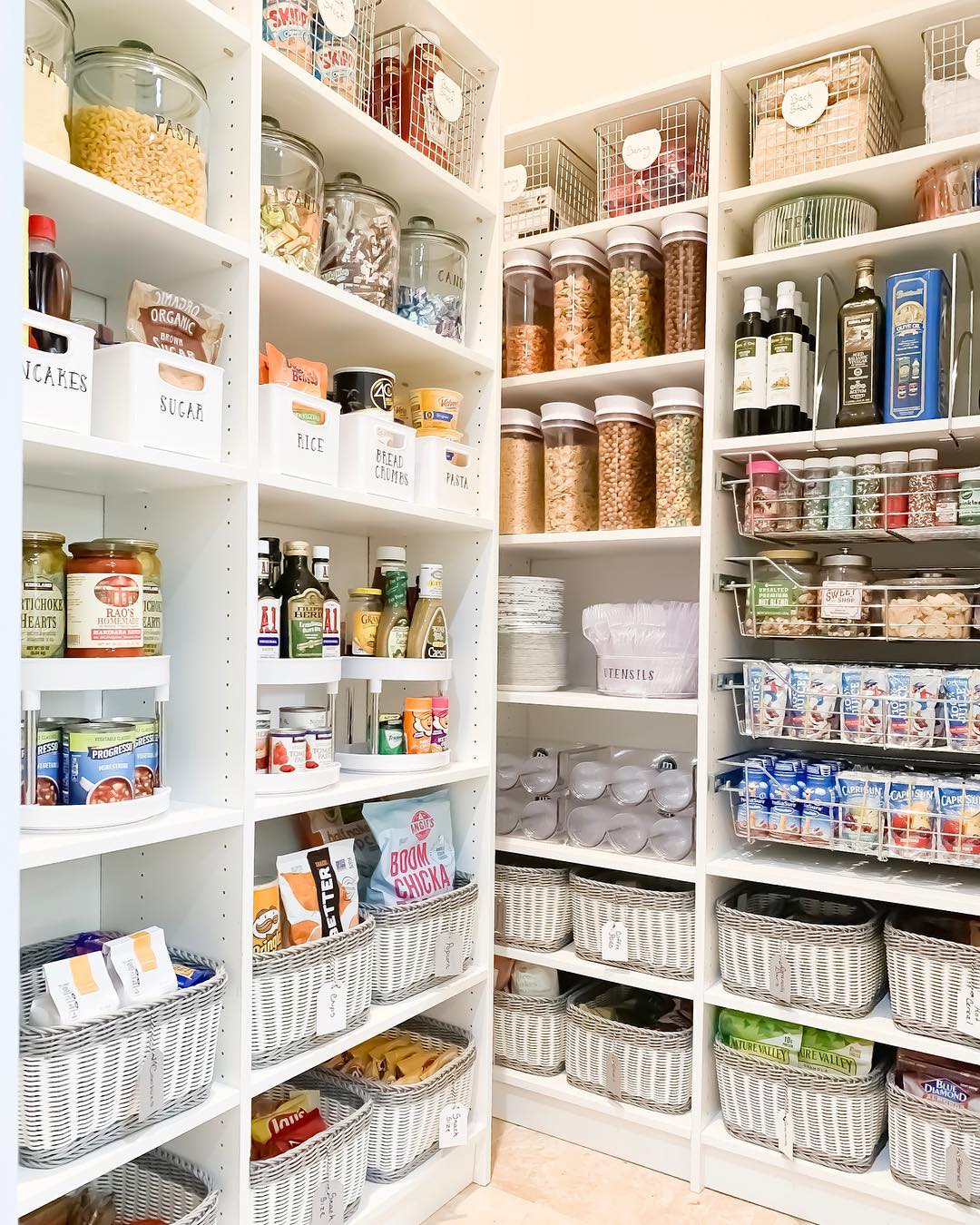
Start by evaluating the items you use most frequently. These should be easily accessible. Consider installing pull-out shelves or lazy Susans in your cabinets to keep things tidy and within reach. Drawer dividers can work wonders for organizing utensils and gadgets. They prevent clutter and make it easy to find what you need quickly. Think about using clear containers for dry goods. This not only looks appealing but also lets you see when you're running low on essentials like pasta or rice.
Efficient Use Of Cabinets
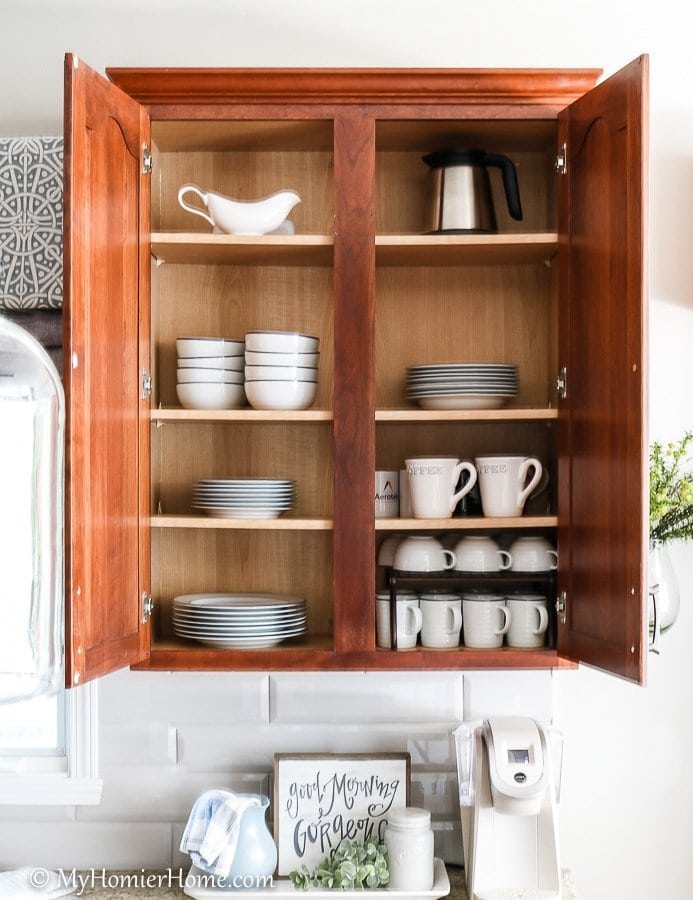
Often, the space inside cabinets is underutilized. Add stackable shelves to double the storage capacity without overcrowding. This is particularly useful for mugs and small bowls. Consider using the inside of cabinet doors for additional storage. Attach hooks or small racks for hanging measuring spoons or pot lids. If you're struggling to keep track of pantry items, try using bins or baskets. Label them for easy identification and to maintain order.
Utilizing Vertical Space
Look up and see how much vertical space you have. Wall-mounted racks or pegboards can hold pots, pans, and even spices. This not only saves space but also adds a visual interest to your kitchen. Consider hanging baskets for fruits and vegetables. This frees up counter space and keeps produce fresh longer. If you're short on cabinet space, think about installing shelves above windows or doors. These are perfect for storing items you don't use every day. Do you find yourself constantly battling with space issues in your kitchen? By implementing these strategies, you can create a more functional and enjoyable cooking environment. With a little creativity and effort, you can transform your kitchen into a well-organized space that meets your needs.
Decluttering Strategies
Keeping a kitchen organized can be challenging. Finding the right decluttering strategies helps immensely. It leads to a more functional and relaxing space. The key is removing items that clutter your kitchen. This section will guide you through effective decluttering methods.
Identifying Unnecessary Items
Start by examining what you have in your kitchen. Look for items you rarely use or duplicates. Old gadgets or expired food take up valuable space. Make a list of these unnecessary items. This list helps visualize what needs to go.
Once identified, decide which items are truly essential. If an item hasn't been used in months, it's likely not needed. Keep only what you use regularly. This makes your kitchen feel spacious and efficient.
Effective Donation And Disposal
After identifying unnecessary items, consider donating them. Many organizations accept kitchen goods. This helps others and declutters your space. If items are too worn or broken, dispose of them responsibly.
Recycling is another option for disposal. Check local recycling programs for kitchen items. Proper disposal keeps your kitchen tidy and eco-friendly. It frees up space for items that matter.
Maintaining A Minimalist Approach
Embrace a minimalist approach in your kitchen. Keep counters clear and organized. Store away small appliances when not in use. Limit decorations to essentials only.
Regularly assess your kitchen to maintain minimalism. Every few months, review your items again. Remove anything new that clutters your space. This keeps your kitchen organized and stress-free.
Organizing Essentials
Organizing your kitchen is essential for a smooth cooking experience. It saves time and reduces stress. With the right tools and strategies, you can create an efficient kitchen space. This section focuses on the essentials needed for a well-organized kitchen.
Must-have Kitchen Tools
Invest in quality knives. They are crucial for preparing meals efficiently. Choose a sturdy cutting board to protect your counters. Measuring cups and spoons are vital for accurate recipes. A reliable set of pots and pans ensures you can cook anything. Keep a good set of mixing bowls for various tasks. A colander helps with draining pasta and vegetables.
Optimal Pantry Organization
Start by decluttering your pantry. Remove expired items. Group similar foods together for easy access. Use clear containers for grains and cereals. Label them for quick identification. Store canned goods in stackable shelves to save space. Keep spices in a dedicated rack. It enhances visibility and accessibility.
Categorizing Kitchenware
Separate your kitchenware by function. Store baking tools in one drawer. Keep cooking utensils nearby the stove. Group your dishes and glasses in easy-to-reach cabinets. Organize pots and pans based on size and use. Use dividers for drawers to keep everything neat. Categorizing helps to find items quickly.
Credit: myhomierhome.com
Creating Functional Zones
Designing functional zones in the kitchen boosts organization and efficiency. Group items by task. Cooking, cleaning, and storage areas should be distinct. This reduces clutter and streamlines meal preparation.
Creating a well-organized kitchen is more than just tidying up. It’s about creating functional zones that streamline your cooking and cleaning processes. When each area has a specific purpose, you can work more efficiently and enjoy spending time in your kitchen. Imagine having everything you need within arm's reach while cooking or cleaning—it’s possible with the right setup. Let's explore how you can design these functional zones to transform your kitchen.
Designing Cooking Areas
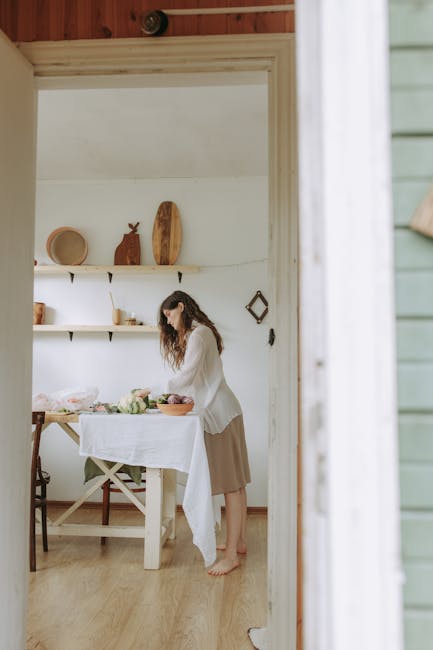
Start by evaluating where you naturally gravitate to cook. Is your stove the focal point? Consider placing frequently used pots, pans, and utensils nearby. Think about the flow. You want to move seamlessly from the fridge to the stove to the counter. Store oil, spices, and other essentials within reach to save time. Use vertical space. Install hooks for pots and pans or magnetic strips for knives. This not only saves counter space but also keeps your tools accessible.
Establishing Cleaning Zones
The sink is typically the hub of your cleaning zone. Keep dish soap, sponges, and towels within easy reach to make the cleaning process effortless. Under-sink storage can be a lifesaver. Use bins or pull-out shelves to organize cleaning supplies like detergents and brushes. Consider a drying rack with a drip tray or a dishwasher close to the sink. This setup minimizes wet floors and keeps your kitchen tidy.
Setting Up Preparation Stations
Designate a clear counter space for food preparation. This area should be free of clutter to give you ample room to chop, mix, and assemble. Keep cutting boards, knives, and mixing bowls nearby. Having these items on hand makes meal prep more efficient and enjoyable. Think about adding a small waste bin or compost container close by. This makes it easy to dispose of scraps while preparing meals, keeping your workspace clean. By creating functional zones, you can transform your kitchen into a more efficient and enjoyable space. What changes will make the biggest impact in your kitchen? Take a moment to visualize your ideal setup and start implementing these ideas today.
Innovative Storage Ideas
Keeping your kitchen organized can make cooking easier and more enjoyable. Innovative storage ideas help to use space efficiently and reduce clutter. Whether you have a small kitchen or a large one, smart storage can transform your cooking space. Discover how to maximize your kitchen's potential with these creative solutions.
Drawer Dividers And Inserts
Drawer dividers help keep your utensils neat and easy to find. They prevent items from getting mixed up. You can use inserts to organize knives, spoons, and forks. Adjustable dividers fit any drawer size, ensuring a perfect fit. This organization saves time during meal prep.
Rotating Shelves And Lazy Susans
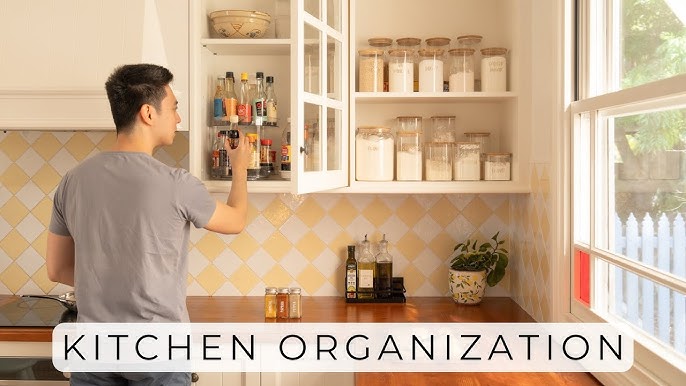
Rotating shelves make it easy to reach items stored in corners. Lazy Susans keep spices and condiments within easy reach. These shelves maximize space in cabinets. You can find what you need without digging through piles. They are ideal for storing cans and jars efficiently.
Hanging Storage Solutions
Hanging storage frees up valuable counter and cabinet space. Use hooks to hang pots, pans, and mugs. Magnetic strips hold knives safely on the wall. Pegboards offer customizable storage for various kitchen tools. These solutions keep your kitchen tidy and spacious.
Maintaining Organization
Keeping your kitchen organized requires consistent effort. It's not just about arranging items. It's about maintaining the order you create. Establishing a routine is key. It helps ensure that your kitchen remains functional and tidy. Follow these simple strategies. They will help you maintain an organized kitchen effortlessly.
Routine Cleaning Habits
Cleaning regularly prevents clutter from building up. Set a schedule for wiping surfaces daily. This keeps countertops free from crumbs and spills. Make sure to clean appliances weekly. This includes the microwave and refrigerator. Empty the trash regularly. It avoids odors and mess. These habits keep your kitchen fresh and organized.
Regular Inventory Checks
Keep track of your kitchen items. Check pantry and fridge supplies monthly. Remove expired or unused items. This frees up space for essentials. Keep a list of what you need to restock. Update it as you notice items running low. This ensures you only buy what's necessary. It prevents clutter from excessive shopping.
Adapting To Changing Needs
Your kitchen needs may change over time. Adjust your organization as required. If your family grows, you might need more storage. Consider adding shelves or baskets. If you start cooking more, rearrange your tools for easy access. Keep your setup flexible. It ensures your kitchen continues to meet your needs.
Credit: www.extraspace.com
Frequently Asked Questions
How Do I Declutter My Kitchen Efficiently?
Start by removing items you rarely use. Categorize and store essentials in accessible places. Use clear containers for easy identification. Regularly assess and donate unused items. Keep countertops clear to maximize space. Implement a cleaning routine to maintain order. Efficient decluttering creates a functional and inviting kitchen.
What Are Space-saving Kitchen Organization Tips?
Use vertical storage solutions like shelves and hooks. Opt for multipurpose kitchen tools. Install pull-out drawers in cabinets. Utilize inside cabinet doors for storage. Stack pots and pans to save space. Hang utensils for easy access. These space-saving tips help maximize kitchen functionality.
How Can I Organize Kitchen Cabinets Smartly?
Group similar items together. Use adjustable shelves for flexibility. Store heavy items at lower levels. Label containers for easy identification. Consider drawer organizers for utensils. Keep frequently used items within reach. Smart cabinet organization enhances efficiency and accessibility in your kitchen.
What Are Effective Kitchen Storage Solutions?
Use baskets and bins for grouping items. Magnetic strips can hold knives and utensils. Over-the-door racks utilize space smartly. Drawer dividers keep cutlery organized. Lazy Susans provide easy access to spices. Effective storage solutions maximize space and keep your kitchen tidy.
Conclusion
Organizing a kitchen doesn't need to be difficult. Start with sorting items by use. Store cookware near the stove. Keep utensils handy. Use shelves and bins for storage. Label containers for easy access. Clear counters to make cooking easy. Donate items you rarely use.
This keeps your kitchen clutter-free. Make cleaning a routine task. A tidy kitchen makes cooking a joy. Organizing a kitchen saves time. It creates a peaceful space. Follow these tips to enjoy a better cooking experience. Your kitchen can be neat and efficient.
Happy cooking!