Are you tired of rummaging through cluttered kitchen cabinets, trying to find that elusive spice or missing pot lid? You're not alone.
A disorganized kitchen can turn meal prep from a joy into a chore. But don't worry—there's a simple solution. By following a step-by-step guide, you can transform your kitchen cabinets into a harmonious space that not only looks appealing but also boosts your efficiency.
Imagine reaching for any item and finding it immediately—satisfying, isn't it? We'll walk you through 15 easy steps to organize your kitchen cabinets, complete with pictures to make the process a breeze. Ready to transform your kitchen into a streamlined space? Let’s get started!

Credit: www.rd.com
Assess Your Storage Needs
Assess your storage needs to better organize kitchen cabinets. Consider available space, items you use frequently, and those you rarely need. Efficient storage makes your kitchen tidy and accessible.
Organizing your kitchen cabinets begins with understanding what you need to store. Before diving into arranging your space, it’s essential to take a step back and assess your storage needs. This means considering the type and quantity of items you have, and how frequently you use them. Doing this will not only help you utilize every inch of space efficiently but will also make your kitchen a joy to use.
Identify Your Kitchen Essentials
First, make a list of your kitchen essentials. These are the items you use on a daily basis, like plates, cups, and cooking utensils. Keep these items within easy reach. If you find duplicates or unused items, consider donating them. Streamlining your essentials saves space and reduces clutter.
Evaluate Your Cooking Habits
Think about your cooking style. Do you bake often or prefer stovetop cooking? This will determine the kind of storage you need. If you bake, you might want more shelf space for baking sheets and mixing bowls. For stovetop cooking, pots and pans should be more accessible. Tailor your storage to suit your cooking preferences.
Consider Your Available Space
Take a good look at your cabinet space. Measure the height, width, and depth of your cabinets. This helps you decide which items can fit where. If your cabinets are tall, consider adding shelf risers for additional layers of storage. Maximizing vertical space is a smart way to keep your kitchen organized.
Plan For Special Items
Do you own any special kitchen gadgets or large appliances? Plan where these items will go. Appliances like slow cookers or food processors can take up significant space. Store them in lower cabinets if they are heavy, or in less accessible areas if they are used infrequently. This strategy keeps your daily-use areas clutter-free.
Think About Future Needs
Consider your future needs as well. Are you planning to expand your cookware collection or try new cooking techniques? Leave some space available for new items. This foresight prevents overcrowding and helps maintain organization over time. By planning ahead, you create a flexible and adaptable kitchen.
Reflect on your unique kitchen needs and habits. Do you find yourself constantly reaching for items in hard-to-access spaces? Adjusting your cabinet organization to better fit your lifestyle can make cooking more enjoyable and efficient.
Credit: m.youtube.com
Empty Cabinets Completely
Organizing kitchen cabinets can be a daunting task. The first step is to empty them completely. This step is crucial. It sets the foundation for a more organized kitchen. By clearing out your cabinets, you can see what you have and decide what you need.
Removing every item allows you to clean the shelves properly. It also helps in discarding expired or unused items. An empty cabinet gives you a fresh start. It makes the organization process much easier and more efficient.
1. Remove All Items
Take everything out of the cabinets. Place items on a table or counter. This makes sorting easier. You can see everything at a glance. Assess what you have and categorize items.
2. Clean Shelves Thoroughly
Use a damp cloth to wipe down shelves. Remove dust and crumbs. Consider using a mild cleaner for sticky spots. Clean shelves help keep your items fresh and hygienic.
3. Inspect for Damages
Check for any damages in your cabinets. Look for loose hinges or broken shelves. Fix these issues before returning items. This ensures cabinets are sturdy and safe.
4. Discard Unwanted Items
Sort through your items. Discard expired food or broken utensils. Donate items you no longer use. This reduces clutter and creates more space.
5. Plan Your Layout
Think about how you use your kitchen. Plan where to place items for easy access. Group similar items together. This makes your kitchen more efficient.
Sort And Declutter Items
Organizing kitchen cabinets might seem like a daunting task, but sorting and decluttering items can transform your cooking space into a more functional and enjoyable area. Imagine opening a cabinet and knowing exactly where your favorite saucepan is or effortlessly finding the spice you need. Let's dive into how you can start by sorting and decluttering your kitchen items.
Categorize Kitchen Items
Begin by taking everything out of your cabinets. Yes, everything! This allows you to see what you actually have. Sort items into categories such as cookware, utensils, bakeware, spices, and pantry staples. This step not only helps you understand what belongs together but also highlights any unnecessary duplicates. As you create categories, think about how often you use each item. Does that oversized punch bowl really need prime cabinet space?
Discard Unused Items
Now that you've categorized your kitchen items, it's time to declutter. Consider if you really need that appliance you haven't touched in years or those mismatched mugs gathering dust. It's easy to hold onto things "just in case," but freeing up space is more rewarding. Ask yourself: When was the last time I used this? If you can't remember, it's time to let go.
Donate or recycle items that are in good condition. Toss anything broken or beyond repair. You'll be surprised at how much space you can reclaim. Think about the joy of opening a cabinet and seeing only what you love and use regularly. Isn't that worth a few tough decisions?
As you declutter, keep your goals in mind. Are you striving for a minimalist kitchen or just looking to make daily tasks easier? Your answer will guide how ruthless you are with discarding. Embrace the freedom of a clutter-free kitchen and enjoy the newfound space to breathe and move.
Have you ever felt overwhelmed by the clutter in your kitchen? Taking these steps can help you regain control and create a space that works for you. What's the one item you know you need to let go of today?
Clean Shelves And Interiors
Organizing kitchen cabinets starts with clean shelves and interiors. Clean surfaces make your kitchen look fresh and tidy. Dust and grime can build up over time. Cleaning ensures your cabinets are ready for storage.
Vacuum Loose Debris
Use a vacuum to remove crumbs and dirt. A handheld vacuum works best for this task. Focus on corners and hard-to-reach areas. This step prevents residue from sticking during cleaning.
Wipe Down All Surfaces
Grab a damp cloth and mild cleaner. Wipe shelves, doors, and walls. Pay attention to sticky spots. Rinse the cloth often to avoid spreading dirt. Clean surfaces help prevent bacteria buildup.
Dry Thoroughly
Use a dry cloth to remove moisture. Wet cabinets can warp or grow mold. Ensure all surfaces are dry before proceeding. Proper drying maintains the integrity of your cabinets.
Inspect For Damage
Check for any signs of damage. Look for scratches, dents, or peeling paint. Address minor issues promptly. Fixing these helps extend the life of your cabinets.
Refresh With Baking Soda
Sprinkle baking soda on shelves. Let it sit for a few hours. This neutralizes odors naturally. Wipe away the powder with a damp cloth. Your cabinets will smell fresh and clean.
Plan Cabinet Layout
Planning your kitchen cabinet layout is essential. It ensures efficiency and accessibility. A well-organized kitchen saves time and reduces stress. The layout should suit your specific needs. This guide will help you design a functional space.
Consider Accessibility
Place items you use daily within easy reach. Store dishes and glasses near the sink. This minimizes movement and makes tasks quicker. Ensure frequently used utensils are at eye level. Avoid storing them in hard-to-reach corners. Keep heavy pots in lower cabinets. They are easier to lift from there.
Optimize Space Usage
Maximize cabinet space with adjustable shelves. They adapt to various item heights. Use stackable containers for better organization. They save space and keep items neat. Install pull-out shelves for deep cabinets. They allow easy access to items in the back. Consider using door-mounted organizers. Perfect for small items like spices. Utilize every inch wisely.
Group Similar Items Together
Organizing kitchen cabinets effectively can make your cooking experience smoother. Grouping similar items together is a simple yet powerful strategy. This method helps you locate items quickly, saving time and effort. It also ensures that your kitchen remains tidy and clutter-free. Let's dive into some practical tips for grouping similar items together in your kitchen cabinets.
1. Group by Function
Keep items with similar functions in the same area. For example, store baking supplies like flour, sugar, and baking powder together. This makes baking tasks easier and faster. Place all your cooking oils and spices in one spot. This organization helps during meal preparation.
2. Sort by Frequency of Use
Put frequently used items within easy reach. Keep those less often used items on higher shelves. This arrangement reduces unnecessary bending or stretching. It also optimizes your kitchen workflow, making cooking more enjoyable.
3. Utilize Containers for Small Items
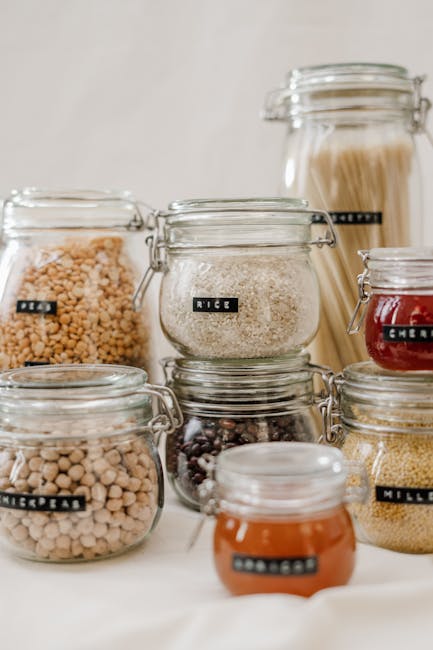
Use containers for small items like tea bags, snack packets, or herbs. This prevents these items from scattering around. Clearly labeled containers make identification quick and hassle-free. You can see everything at a glance, maintaining order.
4. Store Similar Shapes Together
Arrange items of similar shapes together. Stack round containers with round lids. Group square items with other square items. This maximizes your cabinet space and keeps it organized.
5. Label for Easy Identification
Label shelves and containers for easy identification. This eliminates guesswork when searching for items. Labels can be simple sticky notes or fancy printed ones. Choose what suits your kitchen style best.
Organizing your kitchen cabinets by grouping similar items streamlines cooking. It enhances the overall functionality of your kitchen. Start organizing today and enjoy a more efficient kitchen space.
Use Storage Solutions
Organizing kitchen cabinets can feel overwhelming, but using smart storage solutions can make it a breeze. By taking advantage of modern storage tools, you can maximize your space and keep everything accessible. Let’s dive into some practical ideas that can transform your kitchen into an organized oasis.
Incorporate Shelf Dividers
Shelf dividers are a game-changer for anyone who finds their kitchen cabinets cluttered. These handy tools help you make the most out of vertical space, allowing you to stack items without creating a mess. Imagine being able to separate your baking sheets, trays, and cutting boards easily. It not only keeps them organized but also prevents them from toppling over every time you need just one.
Think about that time you spent five minutes untangling pots and pans to find the right one. With shelf dividers, you can say goodbye to that hassle. They're simple to install and can be adjusted to fit your specific needs. Your cabinets will thank you for it, and you’ll save precious time.
Utilize Lazy Susans
Lazy Susans might just be the unsung heroes of kitchen organization. These rotating trays allow you to access items at the back of your cabinet with a simple spin. Have you ever forgotten about a spice because it was hidden away? A Lazy Susan can bring those neglected items to the front, ensuring nothing goes unused.
Consider placing a Lazy Susan in your corner cabinets, where space often gets wasted. It’s a practical solution that can hold anything from canned goods to condiments. You’ll be amazed at how much easier it is to find what you need. Plus, it turns your cabinet into an interactive space that your whole family can enjoy.
Have you ever thought about how these small changes can save you time and frustration? By using storage solutions like shelf dividers and Lazy Susans, you're not just organizing your kitchen. You're creating a space that works for you, not against you. What other little changes could make a big difference in your daily life?
Label Shelves And Containers
Organizing kitchen cabinets can feel like a big task. But labeling shelves and containers makes it easier. Labels help find items quickly and maintain order. They ensure everything has its place. This method saves time during cooking and cleaning.
Choose The Right Labels
Use clear, waterproof labels. These last longer and are easy to read. Consider using a label maker for neat and uniform labels. Write in large, bold letters for better visibility.
Label By Category
Group similar items together. Label shelves by category, like "Spices" or "Snacks." This method helps everyone in the home find items quickly. It keeps the kitchen organized and efficient.
Label Containers For Clarity
Use labels on jars and boxes. This helps identify contents at a glance. Even similar-looking containers need labels. It prevents confusion, especially with items like flour and sugar.
Use Color Coding
Consider color-coded labels. Use different colors for different categories. For example, green for vegetables and red for sauces. This adds a visual cue, speeding up the search process.
Regularly Update Labels
Keep labels accurate. As items change, update the labels. Check for fading or peeling labels and replace them. A well-maintained label system keeps the kitchen running smoothly.
Involve The Family
Get family members to help label. This teaches them where items belong. It encourages everyone to keep the kitchen tidy. A team effort ensures long-term organization.
Store Frequently Used Items Up Front
Organizing kitchen cabinets efficiently can make cooking a breeze. Storing frequently used items up front saves time and reduces clutter. This strategy enhances kitchen functionality and streamlines daily tasks.
Why Keep Essentials Within Reach?
Daily used items should be easily accessible. This minimizes effort during meal preparation. It also keeps your kitchen tidy and organized.
Identify Your Most Used Kitchenware
First, assess which items you use daily. These might include plates, cups, or pots. Prioritize these for front-of-cabinet storage.
Keep similar items together for easy access. Grouping simplifies finding what you need quickly. It also maintains order in your cabinets.
Use Clear Containers For Visibility
Clear containers help in identifying contents at a glance. They reduce the need to rummage through cabinets. This saves time and effort.
Adjust Shelves For Optimal Space Use
Adjustable shelves can accommodate items of varying sizes. This flexibility maximizes storage space. It also prevents overcrowding.
Label Shelves For Quick Retrieval
Labeling shelves can be a game-changer. It guides everyone in the household. This ensures items return to their designated spot.
Consider Accessibility For All Users
Think about the height and reachability of items. Make sure everyone can access what they need. This includes children and shorter adults.
Arrange Pots And Pans Efficiently
Organizing kitchen cabinets can be a challenging task. Efficiently arranging pots and pans makes cooking easier and faster. This section will guide you on how to store pots and pans neatly.
Hang Pots And Pans
Hanging pots and pans saves cabinet space. Use hooks or a hanging rack. Place them above the stove or on a wall. This keeps them within reach while cooking. Hanging racks can hold various sizes. Choose a sturdy rack to avoid falls. Hanging also keeps pots from cluttering drawers.
Stack For Space Saving
Stacking pots and pans maximizes cabinet space. Use lids as separators. Place the largest pot at the bottom. Stack smaller pots inside. Align handles for easy access. Make sure stacks are stable. Use a pan organizer for vertical stacking. This technique keeps cabinets neat and organized.
Organize Spices And Condiments
Organizing spices and condiments can transform your kitchen into a more functional and enjoyable space. Imagine reaching for a spice during cooking and finding it effortlessly. This section offers practical steps to help you achieve that. By organizing your spices and condiments effectively, you can save time, reduce stress, and enhance your cooking experience.
Use Spice Racks
Consider using spice racks to keep your spices visible and accessible. Wall-mounted racks can save counter space and keep your spices at eye level. You might choose a tiered rack inside your cabinet, where the spices are easy to reach and see.
Spice racks come in different styles and sizes; pick one that fits your kitchen’s aesthetic. Think about how much space you have and whether you want a rotating rack or a stationary one. A rotating rack can be a lifesaver if you have a vast collection.
A personal tip: arrange your spices alphabetically on the rack. This method saves time when you're hunting for a specific spice during cooking. You'll appreciate not having to sort through a hodgepodge of containers each time.
Group By Usage
Grouping spices by usage is another effective strategy. Place frequently used spices like salt, pepper, and garlic powder towards the front or in easy-to-reach spots. Less commonly used spices can go further back or higher up.
This tactic makes cooking more efficient because you don’t have to search through the whole collection each time. Have you ever found yourself frustrated searching for that elusive spice in the middle of cooking? Grouping by usage eliminates that hassle.
Consider how you cook and what spices you use most frequently. Are there spices you use daily or for specific cuisines? Group them together for easy access. This way, you create a system that suits your unique cooking style.
Organizing your spices and condiments is more than just tidying up; it's about enhancing your culinary experience. What small change can you make today that will make cooking more enjoyable tomorrow?
Maximize Vertical Space
Discover clever ways to utilize every inch of your kitchen cabinets. Arrange items vertically to save space and keep essentials within easy reach. Elevate your organizing skills with practical tips and step-by-step images.
Maximizing vertical space in your kitchen cabinets can be a game-changer for organization. Have you ever opened a cabinet only to find wasted air above your neatly stacked items? It's like an invitation to rethink how you use that space. By leveraging the height of your cabinets, you can create more storage and keep your kitchen tidy. Let's dive into some practical tips that can help you transform your kitchen cabinets into efficient storage hubs.
Install Hooks
Hooks can be your best friends when it comes to utilizing vertical space. They allow you to hang items that might otherwise clutter your shelves. Imagine freeing up shelf space by hanging coffee mugs or measuring cups underneath them. Adding hooks is straightforward. Use adhesive hooks or screw-in hooks, depending on the weight of the items. Consider the placement carefully; hooks should be easily accessible but not obstructive. Why not hang small pots or pans on hooks installed inside your cabinet doors? This not only saves space but also keeps your cookware within easy reach. You'll find cooking less stressful when your tools are organized.
Use Tall Containers
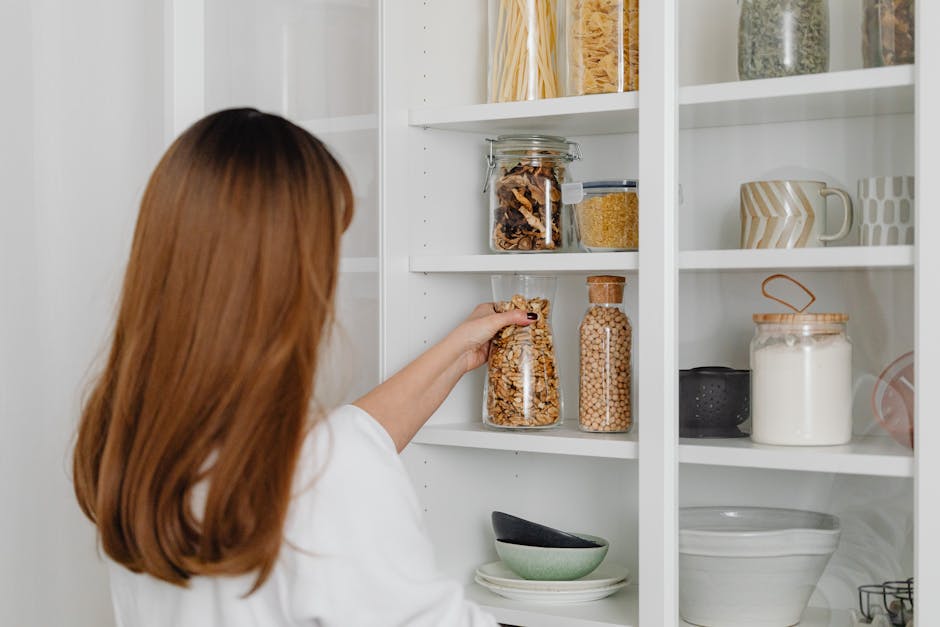
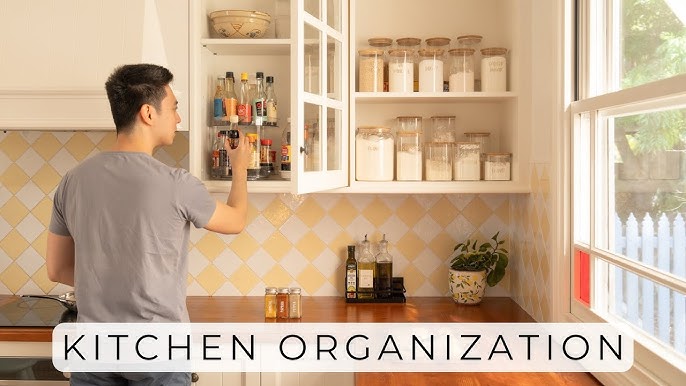
Tall containers are a secret weapon for maximizing vertical space. They allow you to stack items upwards instead of spreading them out horizontally. This is especially useful for storing dry goods like pasta, cereals, or snacks. Choose clear containers to easily see the contents and track inventory. A uniform set of containers can make your cabinet look neat and organized. You'll also find it easier to grab ingredients when cooking. Consider placing tall containers on the back of the shelf. This way, shorter items can be stored in front without getting lost. It's a simple trick that keeps your pantry items visible and accessible. Are you ready to transform your kitchen into an efficient workspace? With hooks and tall containers, you'll be amazed at how much more organized your kitchen cabinets can become. What creative ideas do you have for using vertical space in your kitchen?
Keep Cleaning Supplies Handy
Keep cleaning supplies within reach to maintain tidy kitchen cabinets effortlessly. Easy access simplifies cleaning spills and crumbs. Organizing supplies efficiently ensures quick clean-ups, making your kitchen sparkle with minimal effort.
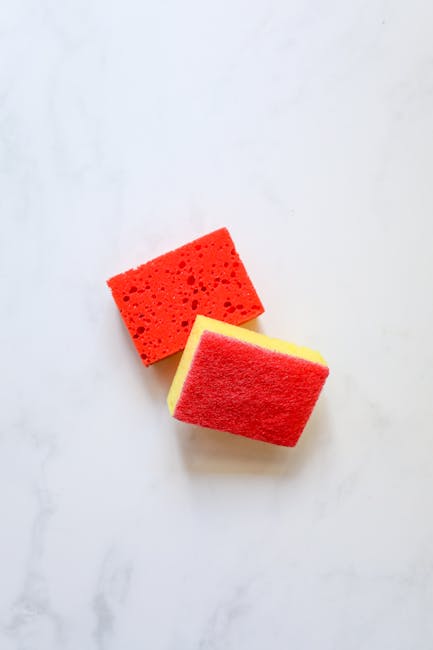
Organizing your kitchen cabinets can seem like a daunting task, but keeping cleaning supplies handy can make a world of difference. Imagine reaching for a sponge and cleaner right when you need them, without digging through clutter. This simple organization trick not only saves time but also keeps your kitchen looking pristine. Let's dive into how you can effectively manage your cleaning supplies within your kitchen space.
Designate A Cleaning Supply Zone
Start by choosing a specific cabinet or shelf for your cleaning supplies. Keeping them together ensures you won't waste time searching for what you need. Think about the cabinets near your sink or the area where you do most of your cleaning tasks.
Use Clear Containers
Store your cleaning supplies in clear containers. This allows you to see what's inside without opening each box. Plus, it helps in quickly identifying when you're running low on essentials like dish soap or sponges.
Label Everything
Labels can be your best friend in maintaining order. Use a label maker or simple sticky notes to tag each container. This way, everyone in the household knows exactly where each item belongs.
Keep Frequently Used Items At The Front
Place the items you use most often right at the front of your designated area. Why reach past things you rarely use? Make everyday cleaning tasks easier by prioritizing accessibility.
Consider Vertical Storage Solutions
If space is tight, think vertically. Stackable shelves or tension rods can be used to maximize the vertical space in your cabinets. Vertical storage helps keep the area neat and makes finding items quicker.
Think About Safety
Safety first! Make sure that any hazardous cleaning chemicals are stored securely, especially if children are around. Keep these items higher up or consider child-proof locks.
Evaluate Regularly
Organizing isn’t a one-time event. Regularly evaluate your cleaning supply zone to ensure it’s functioning well. Are there items you no longer use? Is there a better way to arrange things?
Rotate Stock
When you buy new supplies, rotate your stock. Place new items at the back and older items at the front to use them first. This prevents wastage and keeps everything fresh.
Utilize Door Space
Don’t overlook the inside of cabinet doors. Attach small racks or hooks to store lighter items like brushes or cloths. This makes use of every inch of available space.
Maintain A Consistent System
Stick to a system that works for you. Consistency is key to maintaining an organized space. If you change things too often, it might lead to confusion and clutter.
Involve Family Members
Get your family involved in maintaining the organization. Teach them where things belong. This ensures that everyone can contribute to keeping the kitchen tidy.
Embrace Minimalism
Consider whether you need all the cleaning supplies you currently have. Sometimes less is more. Fewer items mean less clutter and easier management.
Invest In Quality Supplies
Invest in quality cleaning supplies that last longer. Durable items mean fewer replacements and less clutter over time.
Reflect On Your Needs
Reflect on whether your current system truly meets your needs. What works for one person might not work for another. Tailor your organization strategy to fit your lifestyle.
Ask For Feedback
Ask family or friends for feedback on your organization. Sometimes an outside perspective can offer valuable insights into improving your system. By keeping cleaning supplies handy and organized, you turn chaos into calm. Imagine the satisfaction of a kitchen that’s always ready for action, with everything in its right place. Are you ready to transform your kitchen cabinets?
Utilize Drawer Organizers
Drawer organizers make finding kitchen items easier and faster. They keep utensils and tools neatly sorted. This ensures a clutter-free cabinet space.
Organizing your kitchen cabinets can feel like a daunting task, but it doesn’t have to be. One of the most effective ways to transform your space is by utilizing drawer organizers. These handy tools can streamline your cooking process, making meal prep a breeze. Have you ever rummaged through a drawer trying to find that one spatula? With drawer organizers, everything has its own place. Think about how much time you could save if your kitchen utensils were neatly arranged.
Choose The Right Drawer Organizer
Not all drawer organizers are created equal. Consider the size of your drawers and the items you need to store. Adjustable organizers offer flexibility, allowing you to customize compartments to fit your needs.
Sort By Frequency Of Use
Place items you use daily in the most accessible compartments. This means you won't have to dig through lesser-used tools just to find a whisk. You'll find that preparing meals becomes quicker and more enjoyable. Keep all your measuring spoons in one section, spatulas in another. This helps you quickly locate what you need without disrupting the entire drawer. It’s all about creating a system that works for you.
Label For Easy Identification
Label each section of your drawer organizer. Even if you think you’ll remember where things are, labels add an extra layer of organization. Plus, it helps family members or guests find items without needing your assistance.
Maximize Space With Stackable Organizers
If your drawers are deep, consider stackable organizers. This allows you to use vertical space effectively. You can store less-used items underneath without sacrificing accessibility.
Keep Drawers Clean
Drawer organizers make cleaning easier, too. Simply lift out the organizer to wipe down the drawer. A clean kitchen starts with clean drawers, reducing the risk of pests and keeping your space hygienic.
Test Your Setup
After organizing, test your setup for a week. Note any frustrations and make adjustments as needed. Your kitchen should work for you, not the other way around. Drawer organizers can truly revolutionize your cooking space. Once you see the difference, you might wonder how you ever functioned without them. What organizing tip have you found most helpful in your kitchen? Share your thoughts in the comments below!
Maintain Organization Regularly
Keeping kitchen cabinets organized requires regular maintenance. It's not a one-time task. It's a continuous process. Regular checks prevent clutter. They keep your cabinets tidy and functional. This practice saves time. It reduces stress during meal prep.
Schedule Periodic Checks
Set a routine for cabinet checks. Monthly or quarterly works well. Frequent checks ensure everything stays in place. You can easily spot misplaced items. This habit keeps your kitchen efficient. It also helps in avoiding expired food.
Adjust As Needed
Flexibility is key to maintaining order. Adjust the arrangement based on usage. Some items may need relocation. Seasonal changes affect storage needs. Adapt your organization to suit these changes. This keeps your kitchen running smoothly.

Credit: www.pinterest.com
Frequently Asked Questions
How Do I Start Organizing My Kitchen Cabinets?
Begin by emptying all items from your cabinets. Sort them into categories like utensils, pots, and pantry items. Clean the shelves thoroughly. Measure each space to understand the storage capacity. This will help you decide the best organizational tools and layouts for your kitchen.
What Are The Best Tools For Cabinet Organization?
Use shelf risers for maximizing vertical space. Drawer organizers keep utensils tidy. Lazy Susans are great for corner cabinets. Consider clear storage containers for pantry items. These tools help maintain an organized kitchen and make items easily accessible.
How Often Should I Reorganize My Kitchen Cabinets?
Reorganize your kitchen cabinets every six months. This helps maintain efficiency and cleanliness. Regularly sorting ensures expired items are removed. It also allows you to adapt storage solutions as your kitchen needs change. This habit keeps your kitchen functional and tidy.
How Can I Maximize Small Kitchen Cabinet Space?
Utilize vertical space with stackable shelves. Use cabinet doors for hanging storage. Install pull-out drawers for deep cabinets. Consider space-saving containers for pantry items. Efficient storage solutions make even small kitchens feel spacious and organized.
Conclusion
Organizing kitchen cabinets doesn't have to be hard. Follow these 15 steps. Your kitchen will look tidy and neat. You’ll find items faster and easier. Cooking becomes more enjoyable in an organized space. Plus, you'll save time and effort. Start today and see the difference.
Remember, small changes make a big impact. Enjoy your newly arranged kitchen cabinets. Share your success with friends and family. They might want to organize their kitchens too. Happy organizing!