Are you tired of your kitchen being cluttered with plastic containers and bags? You're not alone.
Many people are seeking ways to reduce plastic use, not just for environmental reasons, but also for the health and aesthetic benefits. Imagine opening your kitchen cabinets and seeing neat, sustainable alternatives that not only keep your space organized but also reflect a more mindful lifestyle.
This is more than just a trend; it's a move towards a healthier home environment. You'll discover simple and effective strategies to organize your kitchen without relying on plastic. Get ready to transform your kitchen into a more eco-friendly and inviting space, all while making your daily routines smoother and more enjoyable. Dive in to find out how you can make these changes effortlessly.

Credit: www.tiktok.com
Benefits Of A Plastic-free Kitchen
Embracing a plastic-free kitchen offers numerous benefits. It promotes a healthier living environment and reduces environmental impact. A kitchen without plastic encourages sustainable choices. It also enhances the aesthetic appeal of your home. Let's explore the key benefits of transitioning to a plastic-free kitchen.
1. Environmental Impact
Plastic waste contributes significantly to pollution. Choosing alternatives reduces landfill waste. It also minimizes ocean pollution. A plastic-free kitchen helps preserve natural resources. This small change can make a big difference.
2. Healthier Lifestyle
Plastic can leach harmful chemicals into food. By avoiding plastic, you reduce this risk. Glass, stainless steel, and wood are safer options. They do not release toxins. This choice supports a healthier lifestyle for your family.
3. Improved Food Taste
Plastic containers can alter food taste. Non-plastic options preserve flavor better. Glass and stainless steel maintain food's natural taste. This enhances your dining experience. Enjoy meals the way they should taste.
4. Aesthetic Appeal
A plastic-free kitchen looks more organized. Natural materials add elegance. They create a warm, inviting atmosphere. Your kitchen becomes a stylish space. Friends and family will admire your eco-friendly choices.
5. Cost-effective In The Long Run
Investing in durable materials saves money over time. Non-plastic items last longer. You spend less on replacements. This leads to long-term savings. A wise investment for your household budget.
Choosing Sustainable Materials
Choosing sustainable materials for your kitchen is a rewarding endeavor. It not only reduces your environmental footprint but also introduces a new level of aesthetic appeal to your space. You might be wondering how to start replacing plastic items with sustainable alternatives without compromising functionality. Let's dive into some practical options.
Bamboo And Wood Alternatives
Bamboo and wood are excellent choices for replacing plastic in your kitchen. These materials are durable and naturally biodegradable. Imagine switching your cutting boards and utensils to bamboo. Not only do they look beautiful, but they also add a touch of nature to your kitchen.
Consider wooden storage containers for dry goods. They maintain freshness and offer a rustic charm. Have you tried bamboo dish racks? They’re sturdy and can enhance your kitchen’s aesthetic while keeping plastic at bay.
Glass And Stainless Steel Options
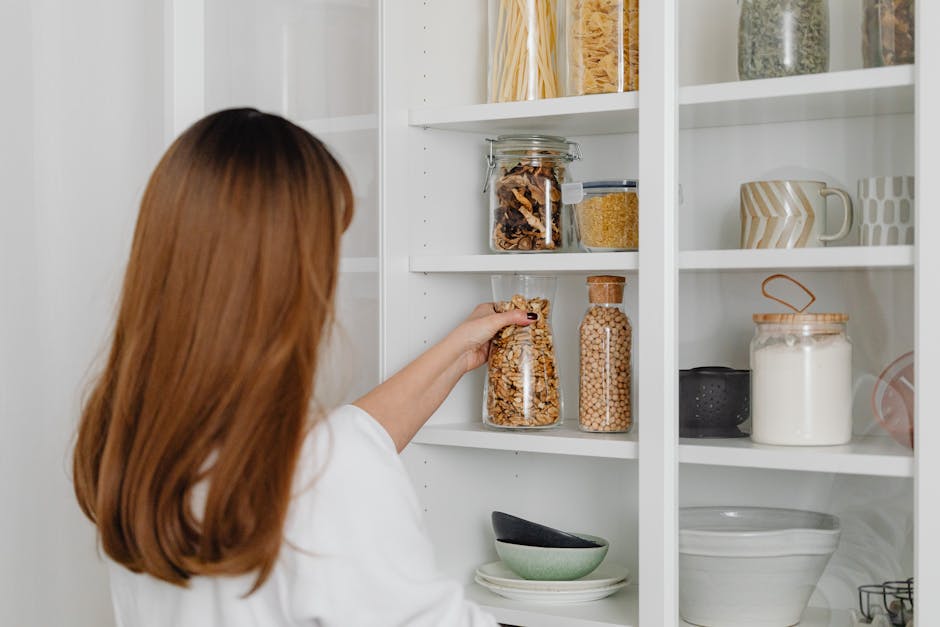
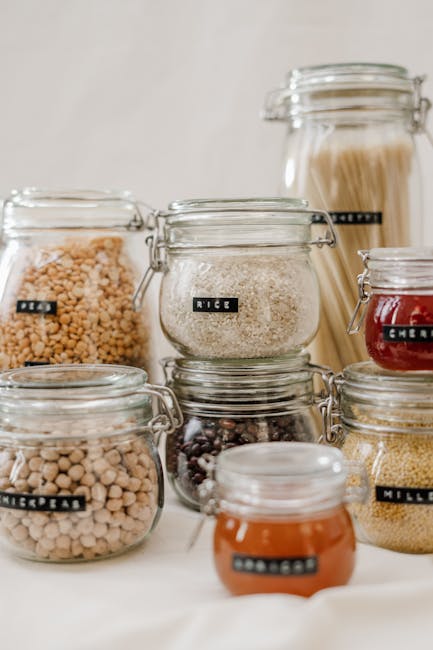
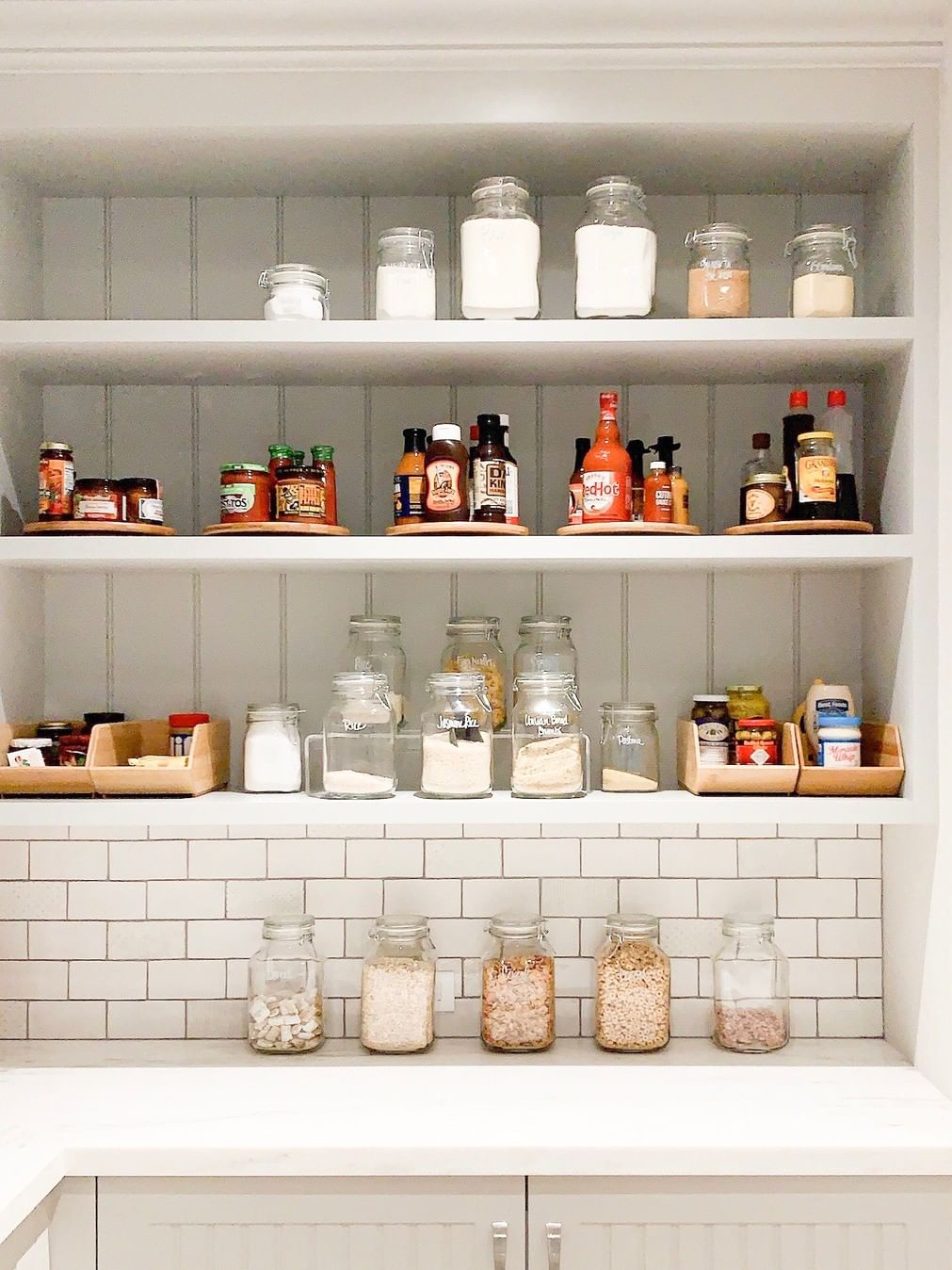
Glass and stainless steel are perfect replacements for plastic storage containers. They are non-toxic and incredibly durable. Picture your pantry organized with gleaming glass jars. They allow you to see what's inside, making it easier to keep track of your supplies.
Switching to stainless steel water bottles can be a game-changer. They keep your beverages hot or cold for hours, eliminating the need for plastic bottles. How about stainless steel bowls for food prep? They are versatile and easy to clean.
Natural Fiber Cloths And Sponges
Natural fiber cloths and sponges are a sustainable choice for cleaning. Unlike plastic-based cleaning materials, they break down naturally and don't release harmful microplastics. Think about using cotton or linen dishcloths. They’re absorbent, easy to wash, and add a homey feel to your kitchen.
Have you tried loofah sponges? They are great for scrubbing and can be composted when worn out. What’s stopping you from making this simple yet impactful switch?
Embracing these sustainable materials can transform your kitchen into a greener space. Isn't it exciting to see how each choice can make a difference? What steps will you take today to start your plastic-free kitchen journey?
Storage Solutions
Organizing a kitchen without plastic is a great way to go green. Many people are looking for sustainable alternatives for storage. This section will guide you through eco-friendly storage solutions. These options are not only durable but also stylish. They will help you keep your kitchen tidy and organized.
Glass Jars For Food Storage
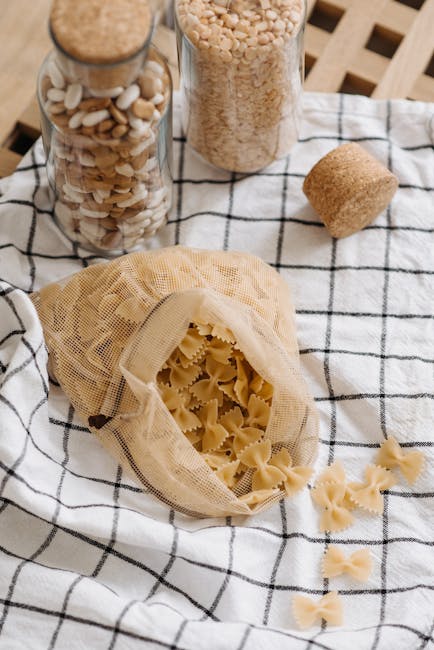
Glass jars are perfect for storing dry foods. They keep grains and spices fresh. You can see the contents easily through the clear glass. This makes it simple to find what you need. Glass is non-toxic and doesn't leach chemicals into food. These jars are easy to clean and reuse.
Metal Containers For Leftovers
Metal containers are ideal for storing leftovers. They are sturdy and last a long time. Metal doesn't stain or retain odors. This makes them perfect for different types of foods. Choose containers with airtight lids to keep food fresh. They are available in many sizes to fit your needs.
Fabric Bags For Bulk Shopping
Fabric bags are great for buying bulk items. They are light and easy to carry. Use them to store grains, nuts, and beans. Fabric bags are washable and reusable. They reduce the need for single-use plastics. Choose bags made from natural fibers for better sustainability.

Credit: www.simplyproductive.com
Eco-friendly Cooking Utensils
Transform your kitchen by choosing eco-friendly cooking utensils. Replace plastic with bamboo, metal, or glass tools. Organize neatly with natural baskets and racks for a clutter-free, green cooking space.
Switching to eco-friendly cooking utensils can transform your kitchen into a sustainable haven. Not only do these choices help the environment, but they also bring a natural, timeless aesthetic to your cooking space. By opting for materials like wood, stainless steel, and silicone, you can reduce your plastic usage significantly and still enjoy a fully functional kitchen.
Wooden Spoons And Spatulas
Wooden utensils are a fantastic alternative to plastic. They are sturdy, biodegradable, and gentle on cookware surfaces. In my own kitchen, I love using wooden spoons for stirring soups and sauces. They don't scratch my pots, and they have a comforting feel. When choosing wooden utensils, look for sustainable sources like bamboo. Plus, they're easy to clean—just avoid soaking them in water for too long.
Stainless Steel Cookware
Stainless steel is a powerhouse in the kitchen. It's durable, resistant to rust, and conducts heat evenly. I swapped out my non-stick pans for stainless steel ones years ago, and I've never looked back. They might require a bit more oil when cooking, but the even heat distribution is unbeatable. Imagine cooking in a kitchen where your pots and pans don't degrade over time. That's the magic of stainless steel. Plus, they're dishwasher safe, making cleanup a breeze.
Non-plastic Baking Tools
Baking without plastic is easier than you think. Consider using silicone baking mats, which are reusable and perfect for non-stick baking. I remember the first time I used a silicone mat; it was life-changing. No more parchment paper waste, and my cookies baked evenly every time. Glass or metal mixing bowls also make great alternatives to plastic. They are sturdy and don't retain odors, ensuring your baked goods taste perfect every time. By choosing these eco-friendly cooking utensils, you're taking a significant step toward a more sustainable kitchen. What's your favorite eco-friendly swap you've made in your kitchen?
Waste Reduction Strategies
Organizing a kitchen without plastic requires innovative waste reduction strategies. Embracing these methods helps maintain a sustainable home. It also reduces environmental impact. Simple changes in daily habits can make a big difference. Let's explore effective ways to manage waste.
Composting Organic Waste
Composting is a natural way to handle organic waste. Turn kitchen scraps into nutrient-rich compost. Use fruit peels, coffee grounds, and vegetable scraps. Create a compost bin in your backyard. Or use a small indoor compost container. This reduces landfill waste and enhances garden soil.
Recycling And Upcycling Ideas
Recycling helps reduce kitchen waste. Sort materials like glass, metal, and paper. Check local recycling guidelines for proper disposal. Upcycling is a creative way to reuse items. Transform glass jars into storage containers. Use old tins as plant pots. These ideas give waste a new purpose.
Minimizing Food Packaging
Choose products with minimal packaging. Buy in bulk to reduce waste. Use cloth bags or glass jars for storage. Avoid single-use plastic bags and wrappers. Opt for fresh produce and whole foods. These choices cut down on packaging waste. They also promote a healthier lifestyle.
Shopping For A Plastic-free Kitchen
Organizing a kitchen without plastic involves choosing glass, stainless steel, or bamboo for storage. Opt for reusable cloth bags and wooden utensils to reduce waste. Simplify by using minimalistic designs and sustainable materials to create an eco-friendly space.
Shopping for a plastic-free kitchen can be an exciting challenge. Imagine walking into a store and knowing that every product you choose supports a healthier planet. Transitioning to a plastic-free kitchen means you’re not just buying products, but you're making a statement about your values. Let’s dive into how you can make savvy shopping decisions that contribute to a sustainable lifestyle.
Selecting Eco-friendly Brands
Choosing brands that prioritize sustainability can make a significant difference. Look for companies that use glass, stainless steel, or bamboo for their kitchen products. These materials are durable and often recyclable. Brands like Bee's Wrap offer alternatives to plastic wrap, using beeswax-coated cloth. When you pick eco-friendly brands, you not only reduce your plastic footprint but also inspire others to follow suit.
Avoiding Plastic Packaging
Have you noticed how much plastic surrounds the products you buy? Start by bringing your own reusable bags and containers when shopping. This simple step can drastically cut down on plastic waste. Try shopping at stores that sell items in bulk. Use your containers to fill up on essentials like grains, spices, and nuts. It's a small change that makes a big impact on reducing plastic packaging.
Supporting Local Producers
Supporting local farmers and artisans can help you avoid plastic packaging. Visit farmers' markets where produce is often fresher and free from unnecessary wrapping. You can also bring your own bags to carry fruits and vegetables. Local producers are more likely to use sustainable practices, which helps the environment. Plus, buying local means you're supporting your community and getting to know the people behind your food. Making these shopping choices can transform your kitchen into a plastic-free zone. Are you ready to take the leap and see the difference it makes?
Maintaining A Sustainable Kitchen
Maintaining a sustainable kitchen means reducing waste and using eco-friendly alternatives. This approach not only benefits the environment but also creates a healthier home. A kitchen free from plastic can lead to a cleaner, more organized space. Enjoy the peace of mind that comes with sustainable choices.
Cleaning With Natural Products
Natural cleaning products are gentle on your kitchen and the environment. Vinegar and baking soda work well for most cleaning tasks. They leave surfaces sparkling without harmful residues. Lemon juice can tackle tough stains and odors. Essential oils add a pleasant aroma to your cleaning routine. These options are both effective and safe for your family.
Organizing With Minimalism In Mind
A minimalist approach keeps your kitchen clutter-free and efficient. Use glass jars or metal containers for food storage. Avoid plastic bags and containers. Keep only what you need and use regularly. Open shelves can help you see items at a glance. This method saves time and reduces waste.
Regularly Reviewing Kitchen Supplies
Regular checks of your kitchen supplies help maintain order. Assess your pantry and fridge weekly. Identify items nearing expiration and plan meals around them. Donate or compost items you won't use. This habit minimizes waste and keeps your kitchen organized. A well-stocked kitchen ensures you always have what you need.
Credit: www.domino.com
Frequently Asked Questions
What Are Alternatives To Plastic Containers?
Alternatives to plastic containers include glass, stainless steel, and bamboo. These materials are durable and eco-friendly. They are also safe for storing food. Additionally, ceramic and silicone options are available. These alternatives help reduce plastic usage in the kitchen. Choose options that suit your storage needs.
How Can I Store Food Without Plastic?
Use glass jars or stainless steel containers for food storage. Beeswax wraps are ideal for wrapping leftovers. Silicone bags are reusable and versatile. Cloth bags can store dry goods. These alternatives are sustainable and safe. They help reduce plastic dependency in kitchens.
Are Bamboo Utensils A Good Choice?
Bamboo utensils are an excellent choice for eco-friendly kitchens. They are durable, lightweight, and biodegradable. Bamboo is a renewable resource, making it sustainable. It doesn't scratch cookware surfaces. Additionally, bamboo utensils add a natural aesthetic. Choose high-quality bamboo products for long-lasting use.
How To Replace Plastic Wrap Effectively?
Beeswax wraps are a great alternative to plastic wrap. They are reusable, eco-friendly, and versatile. They mold around food and containers easily. Silicone lids can also replace plastic wrap. They create airtight seals. These options help reduce waste and protect the environment.
Conclusion
Organizing a kitchen without plastic can be simple and rewarding. Choose glass jars for storage. Use wooden utensils to stir and serve. Consider metal containers for leftovers. Cloth bags work well for produce. Explore bamboo options for cutting boards. A tidy kitchen feels good and helps the planet.
Small changes make a big difference. Feel proud of your eco-friendly choices. Cooking becomes more enjoyable in a clean, organized space. Embrace sustainable habits for a healthier home. Happy organizing!