
Are you tired of wrestling with your kitchen cabinets every time you need a pot or pan? Do you find yourself opening every door, searching for that one elusive spice, only to end up in a cluttered mess?
A small kitchen can present big challenges when it comes to organization, but it doesn't have to be this way. Imagine opening your cabinets and finding everything neatly in its place, ready for you to whip up your favorite meal effortlessly.
This isn't just a dream; it's a reality you can achieve. By learning how to organize your kitchen cabinets effectively, you can transform your cooking space into a model of efficiency and style. Ready to make your kitchen work for you? Let’s dive into simple, practical strategies that will make your cabinets the envy of every home chef.

Credit: www.alicialarie.com
Maximizing Space
Maximizing space in a small kitchen can seem challenging. But with smart strategies, it's doable. Effective organization creates a functional and inviting cooking area. Utilize every inch to its fullest potential. Small kitchens can be both efficient and stylish. Let's explore some ingenious ideas to make it happen.
Vertical Storage Solutions
Vertical storage is key in a compact kitchen. Tall shelves can store items you rarely use. Stackable containers help save space. Store pots, pans, and lids vertically. This reduces clutter and makes them easy to access. Magnetic strips can hold knives or spice jars on walls. Use the space above cabinets for baskets or decorative items. A step stool helps reach high places safely.
Utilizing Cabinet Doors
Cabinet doors can offer more storage options. Install hooks inside doors for small utensils. Hang measuring spoons or oven mitts here. An over-the-door rack can store pan lids. Use adhesive bins for spices or cleaning supplies. This keeps counters clear and organized. Chalkboard paint on cabinet doors allows for a grocery list. It's practical and adds a personal touch.
Credit: nestingwithgrace.com
Categorizing Kitchen Items
Ever find yourself rummaging through your kitchen cabinets, only to realize you have too many things and not enough space? Organizing a small kitchen can be a challenge, but categorizing your kitchen items effectively can transform your cooking space into a well-oiled machine. The key is to be smart about how you sort and store your items. By focusing on what you use most and grouping similar items together, you can maximize efficiency and minimize clutter. This approach not only saves time but also makes your kitchen a joy to work in. Ready to give it a try?
Sorting By Frequency Of Use
Think about the items you reach for daily. These should be easily accessible. Place them on the lower shelves or at the front of your cabinets. This might include coffee mugs, plates, or even your favorite spatula. You’ll save precious time by not having to dig around.
Items used less frequently, such as cake pans or that fancy juicer, can be stored higher up or towards the back. This way, you create space for essentials while keeping everything organized. It's like giving your kitchen a mini makeover without any major changes!
Grouping Similar Items
Have you ever wasted time trying to find all the ingredients for a recipe? Grouping similar items together can solve this problem. For instance, keep all your baking supplies—flour, sugar, baking soda—in one spot. This makes it easy to grab what you need.
Consider using baskets or bins for small items. Label them clearly, so you know exactly where things are. This not only keeps your cabinets tidy but also speeds up your cooking process. It’s about creating a system that works for you.
By organizing your kitchen items based on these simple categories, you can turn chaos into order. What will you discover as you declutter your space? Maybe you'll find that long-lost spice you needed for your favorite dish! So, roll up your sleeves and start categorizing. Your future self will thank you.
Innovative Storage Tools
Transform small kitchen cabinets with innovative storage tools. Maximize space with stackable shelves and pull-out organizers. Keep essentials accessible and tidy.
Organizing a small kitchen can feel like solving a complex puzzle. Space is limited, yet the need for functionality is paramount. Thankfully, innovative storage tools can transform your cabinets into efficient and accessible spaces. These tools not only maximize your available area but also make your daily kitchen tasks smoother and more enjoyable. Let's explore some of these ingenious solutions.
Pull-out Shelves
Imagine reaching for a pan at the back of your cabinet without having to move everything else. Pull-out shelves offer this convenience. They glide out effortlessly, bringing items from the back to the front, right where you need them. I once installed pull-out shelves in my kitchen, and it was a game-changer. Suddenly, I could find all my pots and pans without bending or stretching awkwardly. This simple adjustment saved me time and kept my kitchen organized. Think about your cabinet's contents. Are there items you rarely use because they're hard to reach? Pull-out shelves can solve this issue, making everything easily accessible and keeping your kitchen clutter-free.
Lazy Susans
Lazy Susans are a classic yet effective tool for organizing your cabinet space. These rotating trays allow you to store and access items with a simple spin. Perfect for corner cabinets where items tend to hide out of sight. When I placed a Lazy Susan in my corner cabinet, spices and small kitchen gadgets became easy to find and grab. No more digging through a messy pile of jars and bottles. Ask yourself: How much time do you spend searching for that elusive spice or condiment? A Lazy Susan can streamline your cooking process, bringing your essentials within reach and making meal prep more efficient. These tools might seem simple, but they can have a profound impact on your kitchen organization. Are you ready to transform your small kitchen cabinets into a model of efficiency?
Decluttering Strategies
Organizing a small kitchen cabinet can feel overwhelming. With limited space, every inch counts. Effective decluttering strategies can transform your kitchen into a functional and tidy space. By focusing on simple steps, you can maximize storage and minimize chaos. Let's dive into some practical decluttering strategies.
Minimizing Duplicates
Having duplicates can clutter your cabinets quickly. First, identify items you have in excess. Do you really need three vegetable peelers or four spatulas? Often, we don't. Donate or recycle what you don’t use regularly. Keep the best of each item. This frees up space and makes finding what you need easier.
Use a checklist to help identify extras. Start with pots and pans. Move to utensils, then dishes. You'll be surprised by how many duplicates you find. Remember, in a small kitchen, less is more. Keep what you truly need and use.
Regular Purge Routine
A regular purge routine helps maintain order. Plan to declutter every few months. Set a reminder on your calendar. This ensures your kitchen stays organized and efficient. During each purge, review every item. Ask yourself if you’ve used it in the last year. If not, consider letting it go.
Check expiration dates on food items. Discard anything past its prime. This not only declutters but keeps your pantry safe. A clean kitchen brings peace of mind. A regular purge prevents clutter from building up again.
Commit to these strategies. Your small kitchen can be a calm, clutter-free zone. Enjoy a more organized cooking space.
Labeling And Accessibility
Organizing a small kitchen can feel challenging. Labeling and accessibility make this task easier. A well-labeled cabinet saves time and reduces stress. It ensures that every item has its place. This method increases efficiency and order in your kitchen.
Clear Container Usage
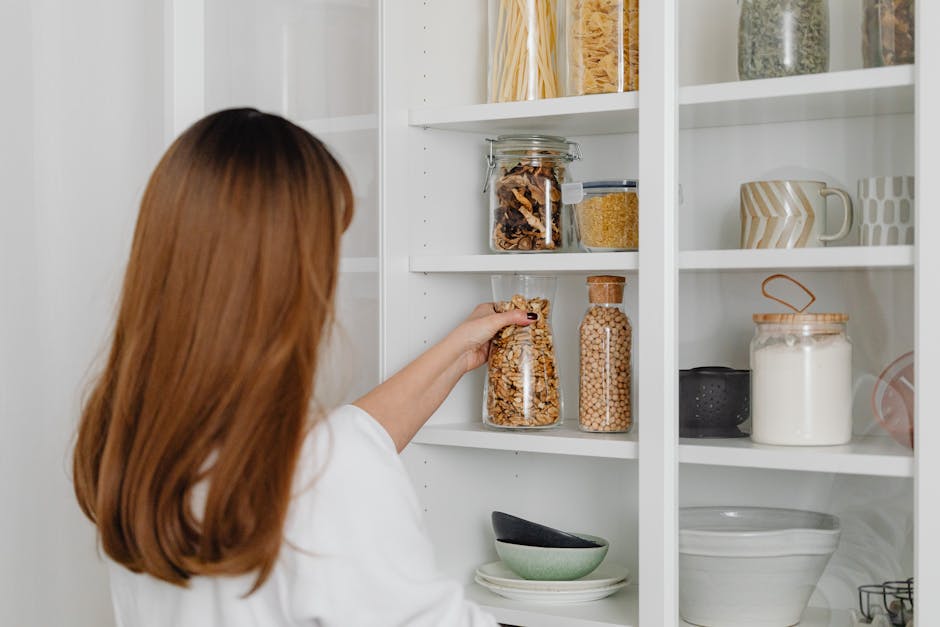
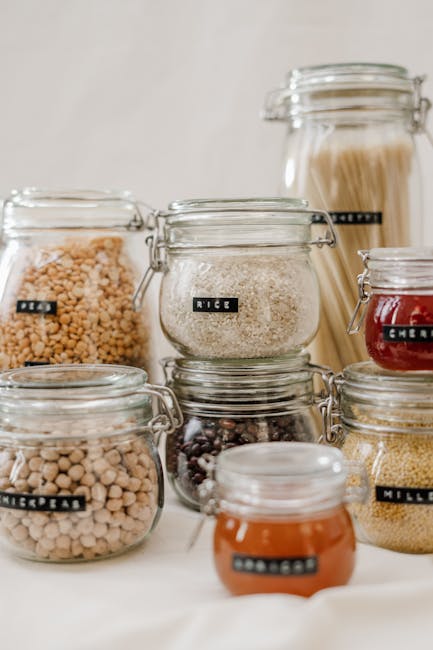
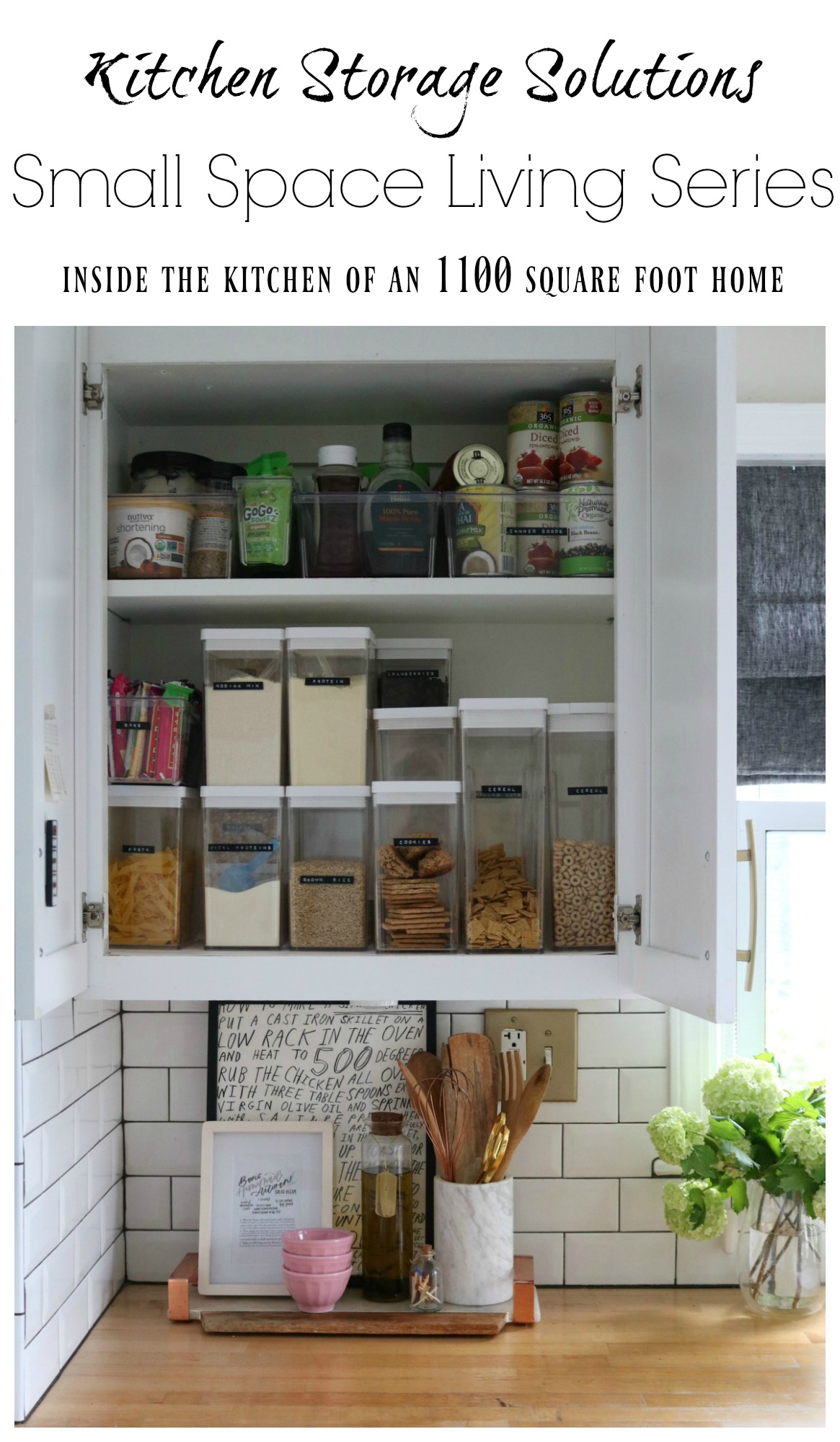
Clear containers help in easy identification. They allow you to see the contents quickly. Use them for grains, spices, or snacks. Their uniform shape optimizes space. They stack neatly on shelves, maximizing storage. Choose containers that fit your cabinet dimensions. This ensures proper use of available space.
Effective Labeling Techniques
Labels should be clear and simple. Use bold fonts for better visibility. Waterproof labels resist kitchen spills. Consider color-coded labels for quick access. For instance, use red for spices, blue for grains. Place labels at the front of each container. This makes them readable even when stacked.
Organize items based on usage frequency. Keep daily items within easy reach. Store less-used items on higher shelves. This reduces time spent searching for things. A well-organized cabinet enhances the cooking experience. It also keeps your kitchen tidy and efficient.
Maintaining Organization
Maintaining organization in a small kitchen requires consistent effort. Once you've organized your kitchen cabinets, the real challenge is keeping them that way. It's easy for clutter to creep back in. To prevent this, adopt regular habits that ensure your kitchen remains a functional and enjoyable space.
Routine Checks
Set aside a few minutes each week to assess your kitchen cabinets. Quickly glance through each shelf and drawer. Are things still in their designated spots? Is there anything that doesn't belong? Making this a habit can prevent clutter from building up. It's like a quick audit for your kitchen.
Consider setting an alert on your phone. A simple reminder every Sunday morning, for example, can make this process second nature. Soon, you'll notice the difference these routine checks make in maintaining order.
Adjusting Systems As Needed
Has your spice collection suddenly doubled? Or perhaps you've adopted a new cooking style that requires different tools. Your original organization system might need tweaking. Don't hesitate to adjust when necessary. Flexibility is key in keeping your cabinets functional.
Take a moment to evaluate if your current setup still supports your lifestyle. If not, make small changes. Maybe those frequently used items need to be more accessible. Moving things around can make your kitchen work better for you.
Remember, organization is not a one-time task. It's an evolving process that requires occasional tweaks. How do you ensure your systems adapt to your changing needs?
:max_bytes(150000):strip_icc()/cropGettyImages-532882962-359e7510c2f64c5c9661f77cfd6f0aa4-7b3b19a4a0ed4f699415d87d4a357cf0.jpg)
Credit: www.southernliving.com
Frequently Asked Questions
How Do I Maximize Small Kitchen Cabinet Space?
Maximize space by using stackable shelves and organizers. Consider adding hooks for mugs and measuring spoons. Use door racks for storing spices and oils. Prioritize frequently used items in easily accessible spots. Regularly declutter to maintain efficiency.
What Are The Best Organizers For Cabinets?
Consider adjustable shelves, pull-out baskets, and drawer dividers. Lazy Susans are excellent for corner cabinets. Use tiered racks for canned goods. Clear containers help visualize pantry items. Labeling bins enhances organization and accessibility.
How Can I Declutter My Kitchen Cabinets?
Start by removing everything and sorting items. Donate or discard unused items. Group similar items together for easy access. Utilize vertical space with stackable storage solutions. Regularly assess contents to maintain a clutter-free cabinet.
How Do I Organize Deep Cabinets Efficiently?
Use pull-out trays or baskets to reach items easily. Stack cookware vertically using racks. Store seldom-used items at the back. Utilize shelf risers for added layers. Consider using expandable organizers for adjustable storage.
Conclusion
Organizing a small kitchen cabinet is possible with smart choices. Use adjustable shelves. They help maximize space. Stack items like bowls and lids. Keep frequently used items within reach. Use hooks to hang mugs or utensils. Clear containers help you see contents easily.
Label containers for quick access. Keep countertops free from clutter. This makes cooking easier. Consider vertical storage solutions. They save room. Regular cleaning and sorting keep everything tidy. With these tips, your small kitchen feels spacious. You can enjoy cooking more.
Happy organizing!