
Sharing a kitchen with roommates can be both a delightful and challenging experience. You might be familiar with the struggle of finding your favorite mug hidden behind a mountain of mismatched bowls or wondering who left the pasta sauce splattered on the countertop.
But what if there was a way to bring harmony and order to your shared cooking space without stepping on each other’s toes? Imagine opening your kitchen cabinet to find everything neatly arranged, your favorite ingredients easily accessible, and the counters spotless and inviting.
Sounds like a dream, right? This guide will show you how to turn that dream into reality. By mastering a few simple strategies, you can transform your kitchen into a well-organized hub that caters to everyone’s needs. Ready to discover how? Let's dive in and make your kitchen a space where everyone can cook, eat, and enjoy with ease.
Setting Ground Rules
Establishing clear ground rules helps organize a shared kitchen efficiently. Decide on cleaning schedules and storage spaces. Share responsibilities fairly to maintain harmony.
Setting ground rules in a shared kitchen is essential for maintaining harmony and efficiency. Imagine coming home hungry and finding the kitchen a mess because no one knows who’s responsible for cleaning. Setting clear expectations can prevent such chaos and ensure that everyone respects shared spaces. You might wonder how to start this conversation without sounding bossy or overbearing. The key is to approach it as a team effort for everyone's benefit.
Establishing Shared Responsibilities
Begin by having an open discussion with your roommates about what needs to be done in the kitchen. Make a list of all tasks, such as washing dishes, taking out the trash, and restocking pantry items. Be specific about who will handle each task. You could even create a simple table that assigns each task to a roommate. For instance: | Task | Roommate Responsible | |------------------|----------------------| | Washing Dishes | Jamie | | Taking Out Trash | Alex | | Restocking Items | Taylor | This visual aid makes it easy for everyone to see their duties at a glance. When everyone knows what they need to do, it reduces misunderstandings and resentment.
Creating A Cleaning Schedule
A cleaning schedule is a great way to keep the kitchen tidy without last-minute scrambles. Decide together how often tasks should be done. Should the kitchen be cleaned daily, or is a weekly deep clean more practical? Use a calendar to mark cleaning days. You can use a physical calendar on the fridge or a shared digital calendar. For example, set Mondays for deep cleaning and Wednesdays for a quick tidy-up. This keeps everyone accountable and prevents the “I thought you were doing it” scenario. Ask yourself, how can you make this fun and not just a chore? Perhaps you can play music during cleaning or reward yourselves with a shared meal afterward. Setting ground rules might feel like a formal task, but it ensures that everyone contributes equally. It’s about creating a respectful and enjoyable living environment. How will you and your roommates make the kitchen a harmonious space?
Designating Storage Areas
Organizing a shared kitchen becomes easier by designating storage areas for each roommate. Label shelves or cabinets for individual use. This method ensures everyone has their own space, reducing clutter and confusion.
Organizing a kitchen with roommates can be a fun yet challenging task. One effective way to maintain harmony is by designating storage areas. When everyone knows where things belong, it minimizes confusion and keeps the kitchen tidy. Imagine the ease of finding your favorite mug or spices without rummaging through every cupboard. Let's dive into some practical steps for organizing shared kitchen spaces.
Allocating Cabinet Space
Start by evaluating the available cabinet space. Divide the cabinets based on the needs of each roommate. Consider creating zones, such as a section for cooking essentials and another for snacks. You might find it helpful to assign specific cabinets to each roommate or designate communal areas for shared items. Think about how to maximize space by using organizers or stacking solutions. This not only saves space but also makes it easier to access items.
Labeling Shelves And Drawers
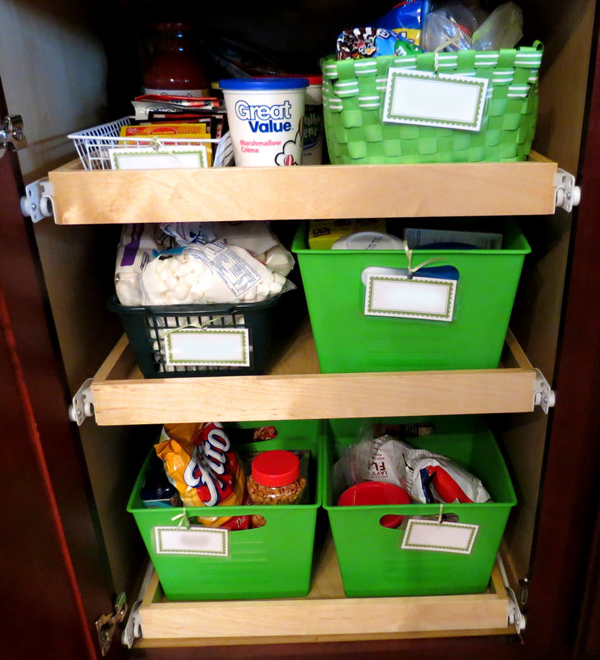
Labels can be a game changer in shared kitchens. They help everyone remember where things go and reduce mix-ups. Use simple labels for shelves and drawers, indicating what belongs where. This makes it easier to maintain order and ensures items are returned to their rightful place. You can use sticky notes, printed labels, or even a label maker for a more professional touch. The key is to make them clear and visible. Have you ever spent ages searching for a spatula? Labels reduce that hassle, saving time and preventing frustration. Designating storage areas with labels also encourages a sense of responsibility among roommates. When everything has a designated spot, it's easy to keep the kitchen organized and clutter-free. Remember, the goal is to create a space that works for everyone. As you implement these strategies, consider asking your roommates for input. What ideas do they have for a more efficient kitchen?
Managing Shared Supplies
Sharing a kitchen with roommates can be tricky. Labeling shelves helps keep food separate and organized. Use clear bins for shared supplies, ensuring everyone knows where to find essentials like spices and utensils.
Sharing a kitchen with roommates can be fun and challenging, especially when it comes to managing shared supplies. You might find yourself wondering how to keep track of common ingredients, avoid duplicate purchases, and maintain harmony over shared groceries. The key is communication and a bit of organization. Here’s how you can manage shared supplies effectively.
Tracking Common Ingredients
Imagine you’re about to cook dinner, and you discover there's no olive oil left. Frustrating, right? Tracking common ingredients helps prevent these surprises. Consider setting up a simple inventory system. A small whiteboard on the fridge can work wonders. You can jot down what’s running low and who’s responsible for replenishing it. Alternatively, create a shared digital document or app where everyone can update what's missing. This way, you can avoid those awkward moments when two of you buy the same item unknowingly. A little organization goes a long way in keeping the kitchen stocked.
Setting Up A Shared Grocery List
A shared grocery list is essential for roommates who frequently cook together or use the same ingredients. You might have experienced the chaos of separate lists leading to duplicates or forgotten items. Why not combine forces for efficiency? Use apps like Google Keep or AnyList to create a shared list accessible to everyone. Each roommate can add items as needed, and you can mark them off once purchased. This collaborative approach saves time and reduces waste, as you only buy what you need. Think about having a regular discussion about your shared grocery list. Are there items that are constantly unused or always needed? This conversation can help refine your list and make shopping trips more productive. Managing shared supplies doesn't have to be a headache. With a bit of planning and cooperation, you can ensure a well-stocked kitchen and happy roommates. What's your biggest challenge when it comes to organizing shared supplies?

Credit: es.pinterest.com
Organizing Kitchen Tools
Sharing a kitchen with roommates? Label shelves and drawers for easy access to shared kitchen tools. Make a schedule to regularly clean and declutter, ensuring everyone has space for their cooking essentials.
Organizing a kitchen shared with roommates can often feel like a puzzle waiting to be solved. The heart of the kitchen, where tools and gadgets reside, can easily become cluttered and confusing. You want to make sure everyone can find what they need without a treasure hunt. Organizing kitchen tools effectively not only streamlines cooking but also builds harmony among roommates. Let’s dive into some practical steps you can take to bring order to your shared kitchen space.
Sorting Utensils And Cookware
Start by emptying all drawers and cabinets. Lay out everything on the counter. This gives you a clear view of what you have. Sort utensils into categories: spoons, forks, knives, and so on. Do the same for cookware: pots, pans, lids, etc. Ask yourself, do you really need three potato mashers? Create a list of essentials everyone agrees on. Keep only those and donate or store extras. This prevents clutter and makes finding things a breeze.
Storing Appliances Efficiently
Appliances can take up a lot of space. Consider how often each appliance is used. The blender you use daily should be more accessible than the waffle maker you use once a month. Designate specific spots for appliances. Use countertops for everyday items like toasters and coffee makers. Store less frequently used appliances in cabinets or on higher shelves. Have a conversation with your roommates. Agree on what stays out and what gets stored. This ensures everyone is on the same page and minimizes disagreements. Organizing kitchen tools with roommates doesn’t have to be a daunting task. With a bit of teamwork and planning, you can create a functional and pleasant kitchen space that everyone enjoys using. How will you take the first step in organizing your shared kitchen?
Maintaining Cleanliness
Sharing a kitchen requires clear organization among roommates. Label shelves and assign specific areas for shared items. Regularly clean surfaces to keep the space tidy and efficient.
Maintaining cleanliness in a shared kitchen can be a challenge, but it's essential for harmony. When you have roommates, organizing a cleaning schedule and sticking to it prevents chaos. A clean kitchen isn't just about aesthetics; it's about creating an environment where everyone feels comfortable cooking and sharing meals. Let's dive into practical tips to keep your shared kitchen spotless.
Regular Deep Cleaning
Setting a routine for deep cleaning is crucial. Decide whether this will be weekly or bi-weekly based on your kitchen usage. Create a checklist of tasks, such as scrubbing the sink, cleaning the oven, and mopping the floor. You can divide these tasks among roommates to ensure everyone contributes equally. Consider rotating responsibilities so everyone gets a chance to tackle different areas. This not only keeps the kitchen clean but also fosters a sense of teamwork.
Addressing Spills And Clutter Promptly
When spills happen, clean them immediately. Waiting only makes them harder to remove and can attract pests. Keep cleaning supplies accessible so everyone can grab them quickly. Discuss with your roommates the importance of clearing clutter daily. Simple habits like putting away dishes and wiping counters can prevent messes from piling up. Ask yourself: How do you feel when you enter a kitchen free of clutter and grime? A clean kitchen is inviting and encourages everyone to contribute to the cleanliness effort. By maintaining cleanliness, you ensure that your shared kitchen remains a pleasant place to cook and gather.
Credit: organizinglady.com
Communication And Conflict Resolution
Living with roommates can be a rewarding experience, but organizing a shared kitchen requires clear communication and efficient conflict resolution. When multiple people use the same space, misunderstandings and disagreements are bound to happen. By establishing open lines of communication, you can ensure everyone's needs are met and maintain a harmonious living environment.
Regular Roommate Meetings
Schedule regular meetings with your roommates to discuss kitchen organization. These meetings don't have to be formal; even a casual chat over coffee can work wonders. Discuss what's working well and what needs improvement.
Use these meetings to create or update a shared cleaning schedule. Make sure everyone agrees on what tasks need to be done and how often. You could rotate duties like dishwashing, taking out the trash, or organizing pantry items to ensure fairness.
Encourage everyone to voice their concerns or suggestions. By actively listening to each other, you'll be able to address small issues before they become big problems. Remember, the goal is to create a space where everyone feels comfortable and respected.
Handling Disagreements Amicably
Disagreements are inevitable, but how you handle them can make all the difference. Approach conflicts with a calm and open mindset. Instead of assigning blame, focus on finding solutions together.
Imagine you find your favorite mug always in the sink. Instead of fuming silently, mention it politely during a roommate meeting. You might say, "I've noticed my mug often ends up unwashed. Could we make sure to clean items right after using them?" This direct yet gentle approach can prevent resentment.
If a disagreement escalates, consider bringing in a neutral party to mediate. Sometimes, an outsider's perspective can help you see things more clearly. Ask yourself, is this issue really worth straining your relationship with your roommate?
Remember, communication is a two-way street. Be willing to compromise and understand your roommate's perspective. This will not only resolve the current issue but also strengthen your overall relationship.
How do you and your roommates ensure effective communication? Share your experiences and tips in the comments below!
Utilizing Technology
Living with roommates can be both fun and challenging. Sharing a kitchen requires coordination and communication. Utilizing technology can make this process smoother. It helps keep track of shared tasks and schedules.
Apps For Shared Lists And Tasks
Apps like Todoist and Any.do are great for managing tasks. They allow you to create shared shopping lists. Everyone can see what needs to be bought. These apps send reminders for tasks that need attention. You can assign tasks to different roommates easily. This ensures everyone knows their responsibilities.
Digital Calendars For Scheduling
Digital calendars like Google Calendar help manage kitchen schedules. You can set times for cooking or cleaning slots. This way, everyone knows when the kitchen is free. It reduces conflicts and overlaps. You can also schedule reminders for tasks like taking out the trash. This keeps everyone in sync without misunderstandings.
Credit: cookcraftlove.com
Frequently Asked Questions
How To Divide Kitchen Space With Roommates?
Start by discussing everyone's needs and preferences. Use clear labels for shelves and drawers. Consider assigning specific zones or areas for each roommate. Regularly communicate and adjust arrangements as needed to ensure a harmonious living space.
What Are The Best Storage Solutions For Shared Kitchens?
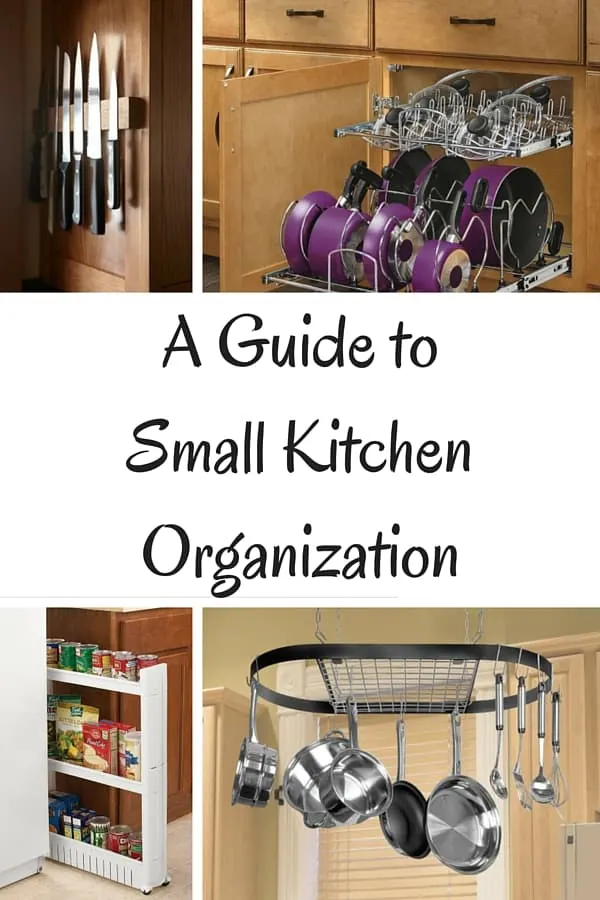
Use stackable containers and clear bins to maximize space. Label everything clearly for easy identification. Opt for magnetic strips for knives and hooks for utensils. Use vertical space with shelves and hanging racks.
How To Manage Kitchen Chores With Roommates?
Create a rotating schedule for daily and weekly tasks. Clearly define each person's responsibilities. Use a shared calendar or app to keep track. Regularly discuss the system to ensure fairness and efficiency.
How To Keep A Shared Kitchen Clean?
Set clear rules for cleaning after each use. Encourage immediate washing of dishes and wiping of surfaces. Use a checklist for weekly deep cleaning tasks. Regularly communicate about cleanliness to maintain a pleasant environment.
Conclusion
Sharing a kitchen with roommates can be fun and rewarding. Clear communication is key to avoiding conflicts. Labeling shelves and cabinets helps keep things organized. Cleaning schedules make sure everyone pitches in. Respect each other's space and belongings. Encourage open discussions about kitchen rules.
This fosters a harmonious living environment. Teamwork builds trust and friendship. Celebrate small victories like a tidy kitchen. Remember, cooperation is the secret ingredient. Embrace the challenge and enjoy cooking together. A well-organized kitchen creates a happy home. Everyone contributes to making the space functional.
Cooking becomes a shared joy, not a chore.