Have you ever opened your kitchen pantry cabinet only to be greeted by a chaotic mess of cans, boxes, and bags? You’re not alone.
A disorganized pantry can turn meal prep into a frustrating scavenger hunt, wasting both your time and money. Imagine the relief and joy of opening your pantry to find everything neatly in place, ready to inspire your next culinary creation.
Organizing your kitchen pantry cabinet doesn’t have to be a daunting task. With a few simple strategies, you can transform your pantry into a well-organized space that saves you time and reduces stress. Curious to know how you can achieve this? Keep reading to discover how you can easily bring order and efficiency to your kitchen pantry cabinet.

Credit: neatmethod.com
Assess Your Pantry Needs
Evaluate what items you need to store by checking your pantry regularly. Clear out expired goods and identify essentials. Keep similar items together for easy access.
Organizing your kitchen pantry cabinet starts with understanding your specific needs. This step sets the foundation for creating a space that works for you and your lifestyle. Assessing your pantry needs is more than just looking at what you have; it’s about envisioning how you want your pantry to function.
Identify Your Cooking Habits
Think about how often you cook and what types of meals you prepare. Do you frequently bake, or is your focus more on quick, easy meals? Your cooking habits will dictate which ingredients and tools need to be most accessible. Reflecting on this can prevent unnecessary clutter and make meal prep more efficient.
Evaluate Your Storage Space
Take a good look at your pantry space. Is it a small cabinet or a walk-in pantry? The size of your pantry will determine how you organize items. Measure the shelves and consider adding adjustable shelving or containers to maximize the space. Understanding your spatial limits helps in planning an effective layout.
Consider Your Family's Needs
Who else uses the pantry in your home? If you have kids, you might want to keep snacks and cereals within their reach. If you live alone, your needs will be different. Tailoring your pantry to fit everyone's needs ensures that the space is functional for all household members.
Analyze Frequency Of Use
Think about which items you use daily, weekly, or occasionally. High-use items should be placed at eye level or within easy reach. Rarely used items can be stored higher or lower. This way, you streamline your pantry’s efficiency and make cooking and snacking a breeze.
Plan For Future Purchases
Do you plan to buy in bulk, or do you prefer frequent trips to the grocery store? Knowing your shopping habits can influence your pantry organization. If you buy in bulk, allocate space for larger containers. This forward-thinking approach prevents your pantry from becoming overcrowded. By assessing your pantry needs with these insights in mind, you create a personalized space that caters to your daily routines. What small change can you make today that will transform your kitchen experience?

Credit: www.styleanddwell.com
Group Similar Items
Organize your kitchen pantry by grouping similar items together for easy access. Store canned goods, spices, and baking supplies in separate areas. This method keeps your pantry tidy and helps you find what you need quickly.
Organizing your kitchen pantry cabinet can feel like a daunting task, but breaking it down into manageable steps makes it easier. One effective strategy is to group similar items together. This approach not only makes your pantry look neat but also enhances functionality. Imagine reaching for a can of soup and knowing exactly where it is because you’ve grouped it with other canned goods. This method saves time and reduces stress, especially during busy meal prep times.
Group Similar Items: The Basics
Start by examining the items in your pantry. Identify categories like canned goods, dry grains, baking supplies, and snacks. Think about how you use these items daily. Creating sections based on usage will help in organizing your pantry efficiently.
Why Grouping Works
Grouping similar items together allows you to quickly find what you need. It reduces the time spent searching for ingredients while cooking. Plus, it helps prevent buying duplicates because you can easily see what you already have.
Practical Tips For Grouping
Use clear containers to store small items like spices or baking ingredients. Label these containers for added convenience. Place frequently used items at eye level for easy access. Consider using baskets or bins to keep items in their designated group.
Creating Zones
Think of your pantry as a map with different zones. Create a snack zone for quick grabs, a baking zone for all your cake and cookie needs, and a breakfast zone for cereals and oats. Ask yourself: How can you make your pantry work best for your lifestyle?
Personal Experience
When I first organized my pantry, I was amazed at how much easier meal prep became. No more hunting for the elusive bag of rice! Grouping similar items transformed my chaotic pantry into a user-friendly space. What small changes could make a big difference in your kitchen? Grouping items is not just about aesthetics; it’s about creating a functional space that simplifies your life. Give it a try and notice how much smoother your kitchen routines become.
Choose Storage Solutions
Organizing your kitchen pantry cabinet can transform your cooking experience, making meal prep smoother and more enjoyable. One of the essential steps in achieving a tidy pantry is choosing the right storage solutions. These solutions are not just about putting things away; they are about creating a system that works for you. Let's dive into some smart options that can help you maximize space and keep everything accessible.
Consider Containers
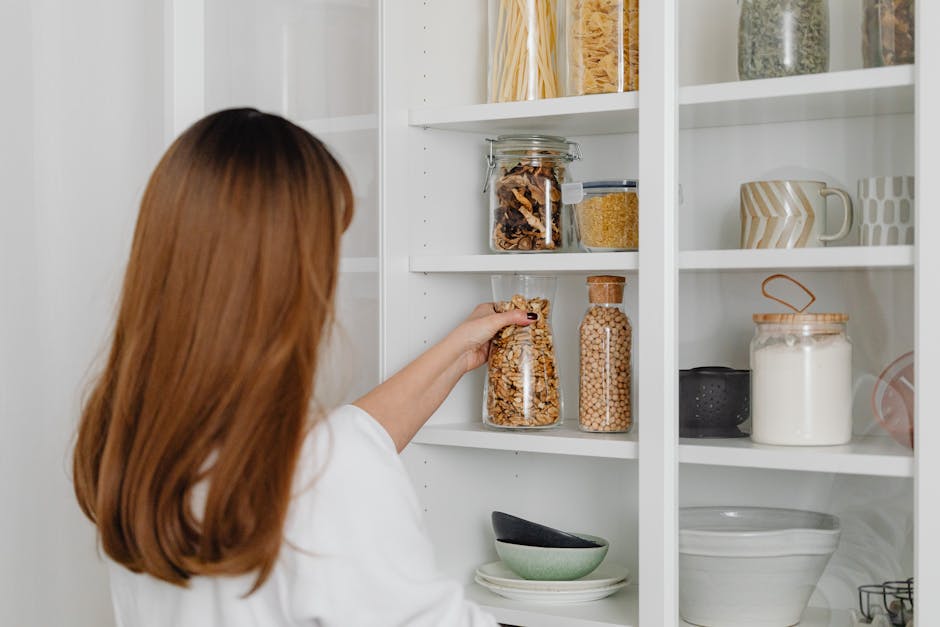
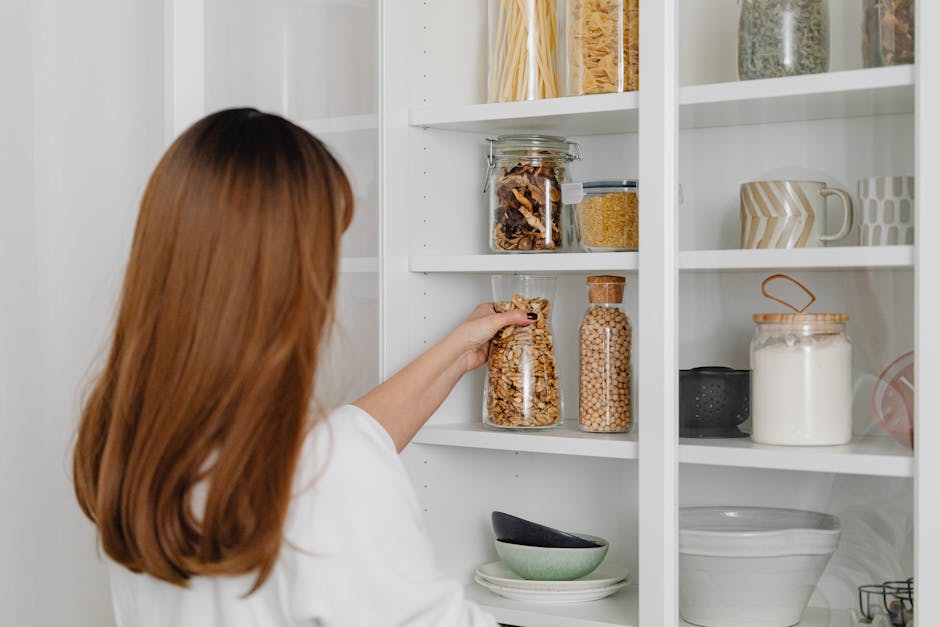
Containers are the cornerstone of pantry organization. They keep your ingredients fresh and visible. Think about the items you use most often; these should be stored in easy-to-access containers. Clear containers are great as they allow you to see what's inside without opening them. This can save you time and prevent food waste.
I once swapped my mismatched jars for a set of uniform containers. The difference was astounding. Suddenly, I could find everything I needed, and the pantry looked inviting rather than overwhelming. Have you considered how much easier cooking could be with a well-organized pantry?
Use Shelf Risers
Shelf risers are a game-changer for maximizing vertical space. They help you stack items without hiding what's underneath. This way, you can make the most of your shelves and keep everything within reach. Shelf risers are especially useful for canned goods or spices.
Imagine not having to dig through stacks of cans to find the tomato paste you need for dinner. A shelf riser can make that a reality. Do you often struggle with space in your pantry? Perhaps it's time to elevate your storage game.
Opt For Lazy Susans
Lazy Susans are perfect for corners or deep shelves. They allow you to rotate your items for easy access. No more forgetting about that jar of pickles in the back! They come in various sizes, so you can choose one that fits your space perfectly.
Using a lazy Susan in my pantry was like finding a hidden treasure. Suddenly, I could easily reach all those items I usually forget about. Have you ever thought about how a simple turn could revolutionize your pantry organization?
By choosing the right storage solutions, you can transform your pantry from cluttered chaos into a functional, inviting space. What's your next move in organizing your kitchen?
Label Everything
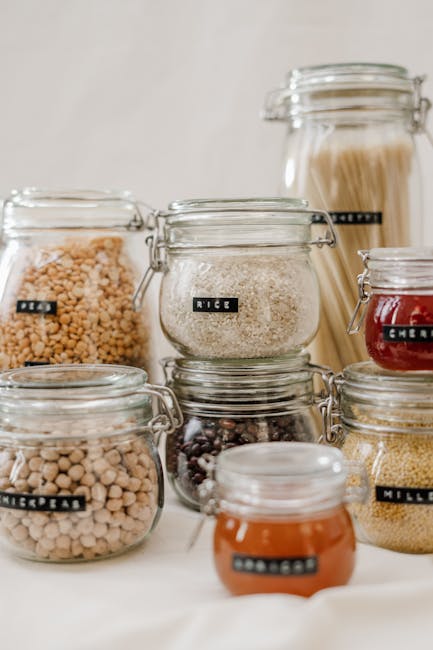
Labeling is a simple step to keep your kitchen pantry organized. It helps you find items quickly and reduces clutter. Clear labels let everyone in the house know where things go. This keeps everything in the right place. When each item has a label, it is easy to stick to a system. Labels can make your pantry look tidy and neat.
1. Use Clear Labels
Choose labels that are easy to read. Black text on a white background works well. This color combination is visible and simple. Avoid fancy fonts. Choose a font that is clean and clear. This makes it easy for all ages to read.
2. Categorize Your Items
Group similar items together. Use labels to show categories. For example, "Snacks," "Canned Goods," or "Spices." This helps you know where to find what you need. It also makes restocking quick and easy.
3. Consider Using Chalkboard Labels
Chalkboard labels are reusable. You can change them as needed. Write with a chalk pen. If you change the contents, just wipe and rewrite. This is helpful for items that change often.
4. Label Expiry Dates
Write expiry dates on labels. This helps you use items before they go bad. Check the dates regularly. This reduces waste and saves money. You will know when to use items first.
5. Match Labels To Containers
Make sure labels fit your containers. Use label sizes that match the container size. Large containers need larger labels. Small jars need small labels. This keeps everything consistent and neat.
6. Keep It Consistent
Consistency is key. Stick to one style of label. Use the same color and font throughout. This makes your pantry look organized and uniform. It also makes it easier to find items at a glance.
Maximize Space
Organizing a kitchen pantry cabinet can create more space and improve efficiency. Use clear bins and labels to find items quickly. Arrange frequently used ingredients at eye level for easy access.
Maximizing space in your kitchen pantry cabinet can make a big difference. A well-organized pantry helps you find items quickly. It also makes cooking more enjoyable. Let's explore some simple strategies to make the most of your pantry space.
Utilize Door Space
The back of your pantry door is often overlooked. Consider adding racks or hooks here. Hang small items like measuring spoons or spice racks. This creates more room on shelves for larger items. Use a magnetic strip to hold metal lids. It keeps them from getting lost or cluttered.
Incorporate Hooks
Hooks are simple but effective. Install them under shelves to hang mugs or utensils. This frees up shelf space for other essentials. You can also hang baskets on hooks. Store smaller items like snacks or packets in these baskets. It keeps everything organized and easy to find.
Stack Strategically
Stacking items can save a lot of space. Use clear containers to stack dry goods like pasta or rice. Label each container to avoid confusion. Place heavier items at the bottom for stability. Consider adjustable shelves for more flexibility. This lets you change the height to fit your needs. These simple steps can help you create a more efficient pantry. Maximizing space makes your kitchen more functional. It also makes it a pleasant place to cook and gather.
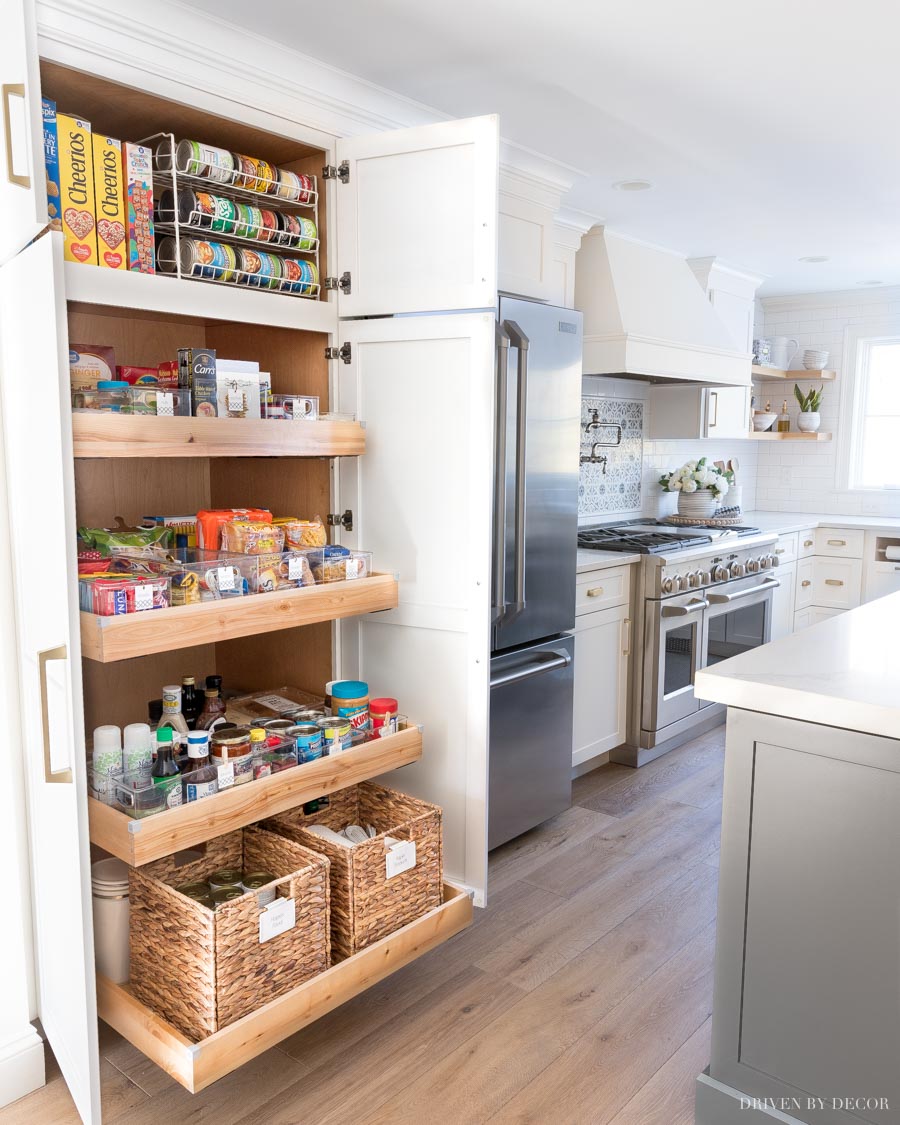
Credit: www.drivenbydecor.com
Maintain Order
Maintaining order in your kitchen pantry cabinet is crucial for a smooth cooking experience. A well-organized pantry not only saves you time but also reduces stress during meal preparation. How often have you found yourself rummaging through cluttered shelves, wondering if you have all the ingredients you need? Let’s explore practical strategies to keep your pantry in top shape.
Regularly Clean Out
Regular cleaning is essential to keep your pantry fresh and functional. Dedicate a day each month to examine the contents of your shelves. Check expiration dates and throw out anything that's past its prime. It’s surprising how those cans and boxes can accumulate over time.
As you clean, wipe down the shelves to remove any spilled items or dust. This simple task can make a world of difference. You might be amazed at how much space you actually have once the clutter is gone. Does your pantry look different now?
Reorganize Seasonally
Consider reorganizing your pantry with the changing seasons. Different times of the year bring different cooking habits and ingredients. In the summer, you might find yourself using more grilling spices, while in winter, baking essentials take center stage.
Think about what items you use most frequently during each season and adjust your pantry accordingly. This seasonal rotation not only keeps things fresh but also ensures you have easy access to the ingredients you need most. Have you noticed any seasonal patterns in your kitchen?
By incorporating these simple strategies, you can maintain order in your kitchen pantry cabinet with ease. The key is consistency and being mindful of your habits. After all, a well-organized pantry is a step towards a happier kitchen experience.
Frequently Asked Questions
How Do You Declutter A Pantry Cabinet?
Start by removing all items from the pantry. Sort them into categories, like snacks, grains, and cans. Discard expired or unwanted items. Use clear containers to store similar products. Label shelves for easy identification. Regularly review your pantry to keep it organized and clutter-free.
What Containers Are Best For Pantry Organization?
Clear, airtight containers work best for pantry organization. They keep food fresh and visible. Stackable containers maximize space. Use bins for bulk items. Label each container for quick identification. Choose durable materials, like glass or BPA-free plastic, to ensure safety and longevity.
How Often Should You Clean A Pantry?
Clean your pantry every three to six months. This routine helps maintain organization and prevents pest infestations. During cleaning, check for expired products and spills. Wipe shelves with a mild cleaner. Regular maintenance ensures a clean and efficient pantry space.
How Do You Maximize Small Pantry Space?
Utilize vertical space with stackable shelves. Use door racks for spices or small items. Install pull-out drawers for easy access. Opt for slim containers that fit tight spaces. Rotate stock to ensure older items are used first. Clever organization can significantly expand your pantry's capacity.
Conclusion
Organizing your kitchen pantry cabinet brings peace and efficiency. A tidy pantry saves time and reduces stress. Easy access to ingredients makes cooking enjoyable. Labeling containers helps find items quickly. Regularly clean and declutter to maintain order. Donate unused food to prevent waste.
Adjust shelves for better space management. Group similar items for easy retrieval. Use clear bins for visibility. Enjoy a neat pantry and spend more time cooking. Remember, a well-organized pantry supports a happy kitchen. Keep it simple, keep it neat.
Your kitchen will thank you.