Are you tired of opening your kitchen cabinets to a chaotic jumble of kids' plates, cups, and bowls? You're not alone.
Many parents find themselves in a daily struggle with cluttered kitchen spaces, leading to stress and frustration. But here's the good news: organizing your kids' plates doesn’t have to be a daunting task. Imagine opening your cabinets to find everything neatly arranged, easily accessible, and perfectly in place.
This small change can make a big impact on your daily routine, saving you time and reducing stress. You'll discover simple, effective strategies to transform your kitchen into an organized haven, making mealtime more enjoyable for you and your little ones. Dive in to find out how you can bring order to the chaos and create a kitchen that works for your family.
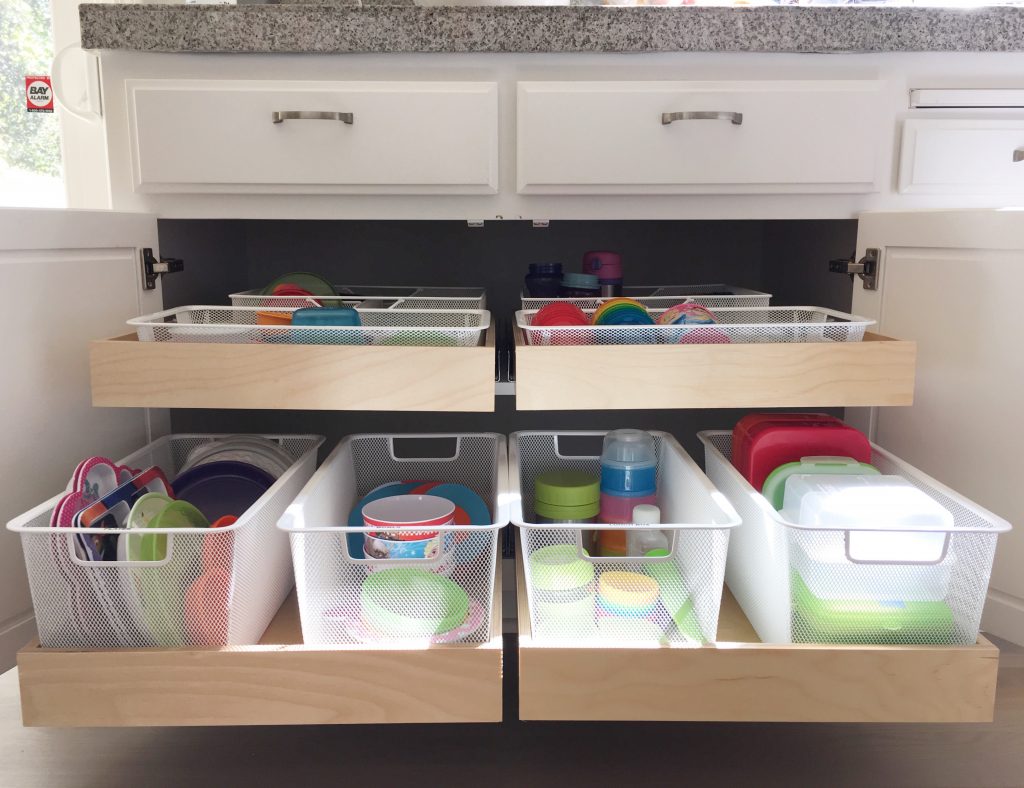
Credit: simplyorganized.me
Benefits Of A Kid-friendly Kitchen
Creating a kid-friendly kitchen encourages independence and safety. Organizing kids' plates within easy reach allows children to help themselves. This setup fosters responsibility and makes mealtime smoother for parents.
Creating a kid-friendly kitchen can revolutionize how your little ones engage with food and chores. Imagine their excitement when they can reach their own plates or help you set the table. A well-organized kitchen tailored for kids fosters independence and encourages healthy eating habits. Plus, it makes daily routines smoother for everyone involved.
Improved Safety
Having a designated space for kids' plates and utensils minimizes accidents. When children know exactly where to find their items, they're less likely to reach for things that could hurt them. Consider using lower shelves or drawers for their plates. This way, they won't have to climb or stretch to access them.
Encourages Responsibility
A kid-friendly kitchen encourages your children to take on small tasks. When they have easy access to their plates, they can help set the table. This simple act teaches them responsibility and gives them a sense of accomplishment. You might be surprised at how eager they are to help when everything is within reach.
Promotes Healthy Eating Habits
When kids have their own space in the kitchen, they're more likely to engage with food positively. Organizing their plates with colorful options can make mealtime fun. You can include sections for fruits and veggies, making them visually appealing. This encourages them to try new foods and make healthier choices.
Fosters Creativity
A well-organized kitchen can spark creativity in your kids. By giving them access to their own plates, they can experiment with food presentation. Encourage them to create fun designs with fruits and veggies. This not only enhances their creative skills but also makes mealtime an exciting activity.
Simplifies Routine
A kid-friendly kitchen simplifies your daily routine. You spend less time searching for their plates or cleaning up spills. You can focus on enjoying meals together rather than managing chaos. Wouldn’t it be great to have more time to bond over dinner? Creating a space in your kitchen that's tailored for your kids can transform how they interact with food and chores. So, why not start organizing today?
Choosing The Right Plates
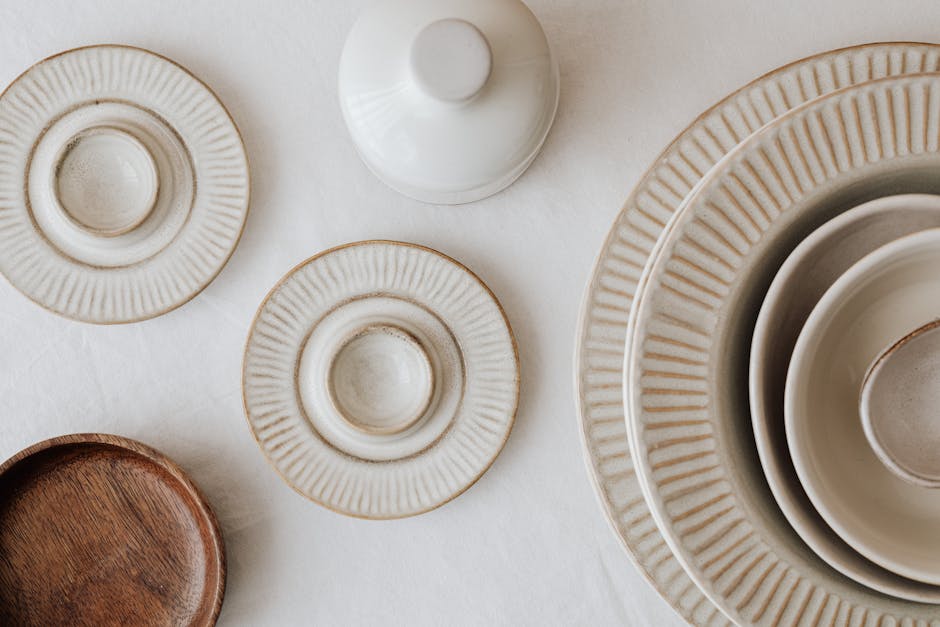
Organizing kids' plates in the kitchen requires choosing durable, colorful options. Stack them by size for easy access. Use a dedicated shelf to keep everything tidy and within reach.
Choosing the right plates for your kids can simplify mealtime and make it more enjoyable for everyone. You want plates that are not only functional but also appealing to your little ones. Let's delve into the essential aspects you should consider when selecting kids' plates.
Durable Materials
Durability is key when you're dealing with kids' plates. Plates made from materials like melamine or bamboo are tough and can withstand the inevitable drops and tosses. I've learned the hard way that glass plates are a no-go with my kids. They just don't mix well with the enthusiasm of little hands. Consider the longevity of the plates you choose, as investing in durable materials can save you money and headaches in the long run. Look for plates that are dishwasher-safe to keep things easy for you. After all, who has time for hand-washing every day?
Child-friendly Designs
Designs that cater to children can make mealtime more engaging. Bright colors and fun patterns can capture their attention and make eating a positive experience. Consider plates with sections or compartments to help with portion control and keep foods separate. This can be a lifesaver if you have a picky eater who doesn't want their peas touching their mashed potatoes. I once bought plates with cartoon characters, and mealtime became a fun event rather than a chore. What designs could spark joy for your child? Think about shapes and sizes too. Smaller, easy-to-hold plates can help little hands manage their meals better. You want to make it easy for them to eat independently and confidently.
Plate Storage Solutions
Keeping your kids' plates organized in the kitchen can feel like a juggling act. You're constantly trying to balance accessibility and efficiency. Plate storage solutions are here to save the day! With a few practical strategies, you can transform chaos into order. Here’s how you can organize those colorful plates effortlessly.
Accessible Cabinets
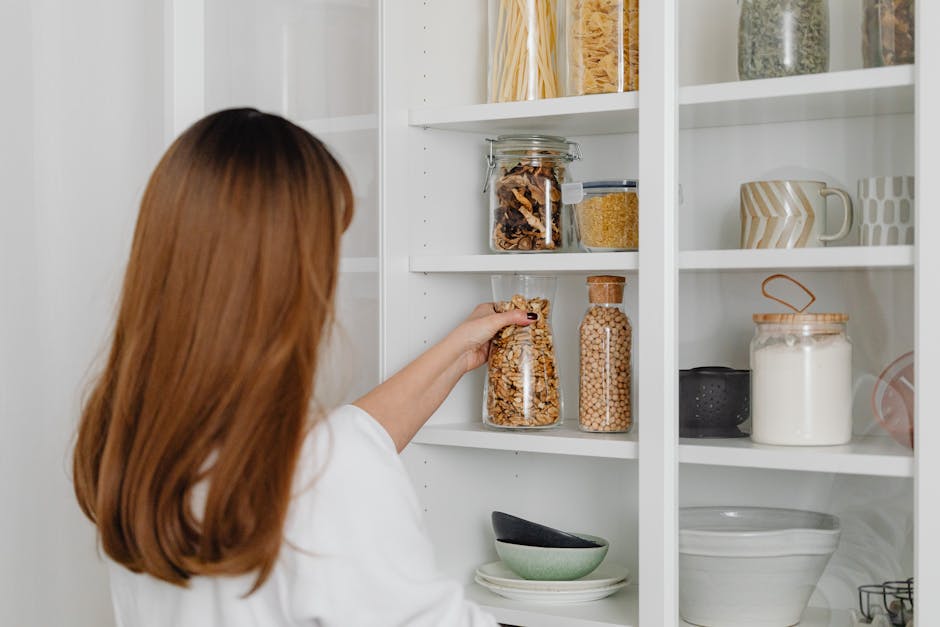
Think about the height of your kids when choosing cabinet storage. Place their plates in lower cabinets so they can easily reach them. This empowers them to help set the table and fosters independence.
Use adjustable shelves to accommodate various plate sizes and shapes. This flexibility can be a game-changer as your kids grow and their needs change.
Consider cabinets with transparent doors or labels. This visual aid can help kids identify where their plates belong, making clean-up a breeze.
Drawer Dividers
Drawers can become cluttered quickly without proper organization. Invest in drawer dividers to keep plates separated and accessible. This simple addition can save time and minimize frustration.
Divide drawers based on plate type or size. This makes finding and replacing plates straightforward for your kids, and encourages tidiness.
Personal anecdote: I once found my toddler stacking plates like a tower because they were all mixed up in a drawer. After adding dividers, the issue was solved, and stacking became a fun sorting activity!
Wall-mounted Racks
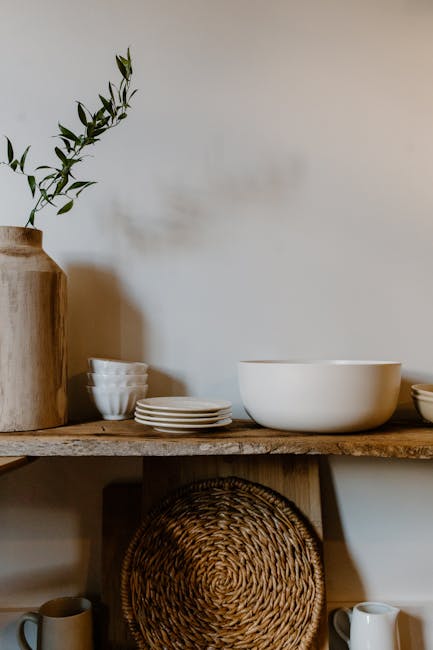
Wall-mounted racks are excellent space savers. They're perfect for small kitchens where cabinet space is limited. Plus, they add a stylish element to your kitchen decor.
Install racks at kid-friendly heights, allowing your children to grab and return their plates independently. This accessibility promotes responsibility and confidence.
Consider racks with adjustable arms. They can accommodate different plate sizes and grow with your family's needs. It's a smart investment for both style and function.
Which storage solution will you try first? Organizing your kids' plates doesn't have to be a chore. With these practical ideas, you'll create a space that's functional and kid-friendly. Have fun organizing!
Creative Labeling Ideas
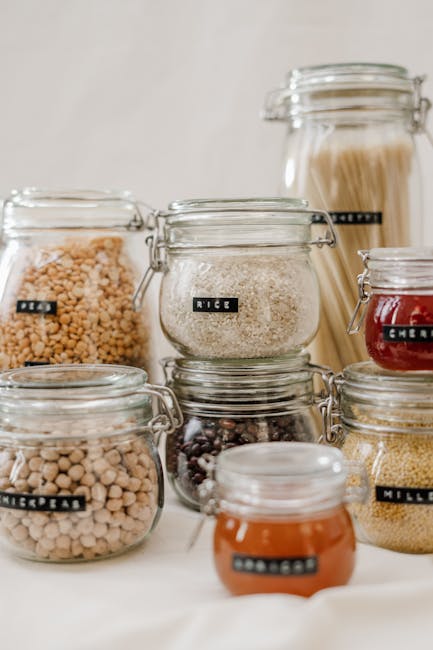
Organizing kids' plates in the kitchen can be a fun task. Creative labeling ideas make it easy and enjoyable. Labels help kids find their plates and keep the kitchen neat. Parents can involve kids in the labeling process. This helps kids learn about organization. Below are some engaging labeling ideas.
Color-coded Labels
Use different colors for each child. Assign a specific color to each child’s plates. This method makes it easy for kids to identify their items. For example, use blue labels for one child and green for another. This method reduces confusion. It also adds a splash of color to the kitchen shelves.
Picture Labels For Toddlers
Pictures help toddlers recognize their plates. Use stickers with their favorite animals or shapes. Attach these stickers to their plates or shelves. This makes it fun for toddlers to find their items. They learn to associate pictures with their belongings. It also encourages them to help with organizing.
Involving Kids In Organization
Involving your kids in organizing their plates in the kitchen is a fun and educational experience. It not only makes them feel responsible but also turns a mundane task into a bonding activity. You’ll be surprised at how enthusiastic they can be when given the chance to contribute to family chores. Let's dive into how you can make this a rewarding experience.
Assigning Tasks
Start by assigning simple tasks that match your child's age and ability. For example, younger kids can stack plates or sort them by color. Older kids might enjoy arranging them by size or type. Give clear instructions and let them know their help is important.
Have you ever noticed how kids love playing 'grown-up'? By giving them specific roles, you help them feel valued. This boosts their confidence and makes them eager to participate.
Teaching Responsibility
Organizing plates is more than just putting items in order—it's about teaching responsibility. Explain why it's important to keep things tidy. Show how it makes finding plates easier and keeps them safe.
Share a story from your own childhood, like how learning to organize your room helped you in other areas of life. These personal anecdotes make lessons more relatable for your kids. Have you considered what life skills your children might gain from this simple activity?
Involve your children in making decisions, such as choosing where to place the plates. This encourages them to think critically and understand the importance of their choices.
Ultimately, these small tasks can help your kids develop a sense of responsibility. How do you plan on nurturing these skills in your children as they grow?
Safety Tips For Kids In The Kitchen
Organize kids' plates within easy reach, ensuring a safe and convenient kitchen environment. Use low shelves for storage, keeping colorful and lightweight dishes accessible. Encourage independence while prioritizing safety by arranging utensils in designated spaces.
Ensuring safety in the kitchen when kids are involved is essential. It's not just about preventing accidents; it's about nurturing their curiosity while keeping them safe. The kitchen can be a wonderful place for children to learn and grow, but safety must always be the priority. Below are some effective strategies to keep your little ones safe while they explore the culinary world.
Childproofing Techniques
Childproofing your kitchen should be your first step. Begin by securing all cabinets and drawers with locks. This prevents access to sharp objects and cleaning supplies. Cover electrical outlets to avoid any risk of electrical shock. Use outlet covers that are easy for adults to remove but difficult for children to tamper with. Install corner guards on countertops and tables. These can prevent injuries from accidental bumps. Consider setting up a designated 'safe zone' in the kitchen. This area can be equipped with child-friendly utensils and play food items.
Safe Plate Handling
Teach your children how to handle plates safely. Start by using lightweight, durable materials like plastic or melamine. These are less likely to break if dropped. Explain the importance of using both hands to carry plates. This simple tip can prevent spills and reduce the risk of accidents. Consider using colorful, kid-friendly plates. These not only make mealtime more fun but can encourage careful handling due to their appealing designs. Supervise your child's use of the microwave or oven. If they are old enough, guide them on how to safely place and remove plates from these appliances. When was the last time you checked your kitchen for potential hazards? Make safety checks a regular routine to ensure a safe environment for your kids.
Maintaining An Organized Kitchen
Maintaining an organized kitchen can feel like a daunting task. Especially with kids' plates and utensils scattered. Keeping these items tidy ensures easy access and a clutter-free environment. A well-organized kitchen helps save time and reduce stress. Plus, it creates a pleasant space for everyone. It's about simple routines and consistent habits.
Regular Cleanup Routines
Set a daily cleanup routine for the kitchen. Clear the sink of dirty dishes every night. Wipe down countertops to keep them spotless. Ensure kids' plates are stacked neatly. Assign a specific place for them in the cupboard. This saves time and keeps everything in order. Make it a family habit to reset the kitchen every evening.
Encouraging Consistency
Consistency is key in maintaining order. Encourage everyone to put things back after use. Kids should return their plates to the designated spot. Use labels for specific storage areas. This helps them know where each item belongs. Praise their efforts to reinforce positive behavior. Consistent practices lead to a well-organized kitchen.

Credit: smallishhome.com
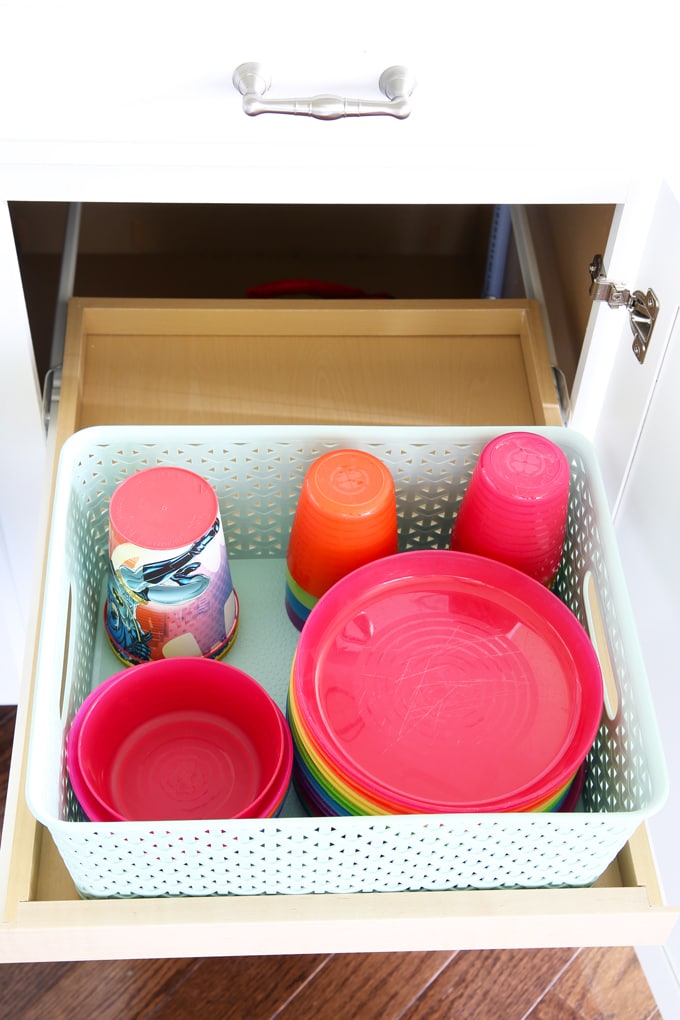
Credit: justagirlandherblog.com
Frequently Asked Questions
How Can I Organize Kids Plates Effectively?
Start by sorting plates by size and color. Use stackable storage solutions for space efficiency. Consider placing them within easy reach for kids. Use dividers or bins to separate different types of plates. Label shelves or containers for quick identification.
Regularly declutter to maintain order.
What Are The Best Storage Solutions For Kids Plates?
Opt for stackable bins or tiered racks to maximize space. Use adjustable shelves to accommodate different plate sizes. Consider drawer organizers for easy access. Wall-mounted racks can save counter space. Transparent containers can help identify contents quickly. Choose durable and safe materials for kids' use.
How Do I Make Kids Plates Accessible?
Place plates on lower shelves for easy reach. Use open shelving or transparent containers. Consider pull-out drawers for better access. Label containers to help kids find what they need. Ensure the storage area is safe and clutter-free. Regularly check and reorganize to maintain accessibility.
What Safety Tips Should I Follow For Kids Plates?
Choose non-toxic and BPA-free materials. Ensure plates are durable and shatterproof. Store them in a stable and safe location. Regularly check for wear and tear. Teach kids safe handling practices. Avoid overloading shelves to prevent accidents. Consider using silicone or melamine options for younger kids.
Conclusion
Organizing kids' plates can simplify your kitchen routine. Start small for big impact. Use shelves or baskets for easy access. Group similar items together. Label containers for quick identification. Encourage kids to help with organizing. This teaches responsibility. Keep only what you need.
Donate extra items. A tidy kitchen saves time and reduces stress. Enjoy a more efficient meal prep. A well-organized space promotes a peaceful environment. Remember, it's about making life easier. Happy organizing!