Are you tired of rummaging through cluttered kitchen cabinets every time you try to find something? If your answer is yes, then you're in the right place.
Imagine opening your kitchen cabinets and being greeted by neatly organized rows of spices, pots, and pans, all within easy reach. Sounds like a dream, doesn't it? But it’s a dream you can easily achieve. With a few smart strategies, you can transform your chaotic kitchen into an efficient, stress-free space.
This isn’t just about tidiness; it’s about creating a space where you feel comfortable and inspired to cook. By organizing your kitchen cabinets effectively, you save time, reduce stress, and even minimize food waste. This guide will show you how to arrange your items in a way that makes sense for your lifestyle. Get ready to turn your kitchen into your favorite room in the house, where everything has its place and finding what you need is a breeze. Dive in to discover how you can make this transformation happen today!
Assessing Kitchen Space
Organizing kitchen cabinets begins with grouping similar items together for easy access. Arrange frequently used items at eye level to simplify cooking tasks. Utilize vertical space by stacking items or using shelf organizers to maximize storage efficiency.
Organizing your kitchen cabinets can feel like a daunting task, but it starts with understanding your kitchen space. When you assess the space you have, you can make smart choices about where to store your items for maximum efficiency. It's not just about fitting everything in; it's about creating a kitchen that works for you, making meal prep and cooking more enjoyable.
Understanding Your Kitchen Layout
Begin by taking a good look at your kitchen's layout. Identify the areas you use most frequently and those that are less accessible. Think about the flow of your kitchen activities. For example, if you often find yourself darting from the stove to the pantry, consider a more streamlined setup. Is there a way to make this routine more efficient?
Measuring Cabinet Space
Grab a tape measure and note the dimensions of your cabinets. Knowing the exact size helps you decide what can fit where, preventing any space from going to waste. Have you ever bought storage containers only to find they don't fit? Accurate measurements help avoid such mishaps.
Evaluating Storage Needs
Make a list of items you need to store. Are you a passionate baker with countless baking pans? Or a spice enthusiast with a million jars? Identifying what you have lets you prioritize what needs prime cabinet real estate. Consider what you use daily versus occasionally.
Identifying Problem Areas
Look for areas in your kitchen that tend to get cluttered. Is there a cabinet that’s always disorganized or hard to reach? These problem zones often need a rethink. Could a lazy Susan help you access items more easily, or perhaps a pull-out shelf?
Considering Future Changes
Think about potential changes in your household. Are you planning to expand your family or try new culinary hobbies? This foresight ensures your kitchen can adapt to your evolving needs. Will you need more storage for kids' snacks or perhaps more space for new cooking gadgets? Assessing your kitchen space with these practical insights can make a big difference in how your kitchen functions. What will you discover in your own kitchen journey?
Credit: myspacematters.com
Categorizing Kitchen Items
Organizing kitchen cabinets can transform your cooking space. Properly categorizing items ensures efficiency. It helps you find things quickly. This saves time. It also makes cooking enjoyable. Below are effective ways to categorize kitchen items.
Grouping By Usage
Start by grouping items based on usage. Place baking tools together. Store cooking pots with frying pans. Keep spices near your stove. This makes meal preparation faster. You know where everything is. It reduces stress.
Separating By Size
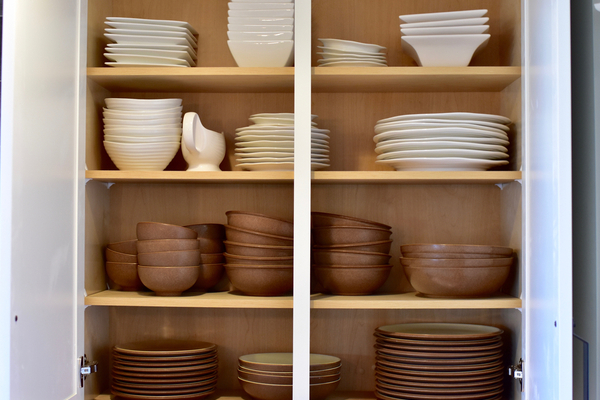
Consider the size of items. Store large pots in bottom cabinets. Place small utensils in drawers. Use shelves for medium-sized bowls. This prevents clutter. It maximizes space efficiently. Your kitchen will look neat.
Sorting By Frequency
Sort items by how often you use them. Keep daily-use items within easy reach. Store rarely used items in higher cabinets. This makes your kitchen functional. It enhances accessibility. You can focus on cooking, not searching.
Maximizing Cabinet Storage
Maximizing cabinet storage in your kitchen can be a game-changer. Imagine reaching for that spice jar without knocking over a row of other items. A well-organized cabinet isn't just about neatness; it's about efficiency and peace of mind. Let's explore some practical strategies to transform your kitchen cabinets into a model of functionality.
Utilizing Vertical Space
Ever feel like your cabinets have a lot of unused space at the top? You're not alone. Using vertical space effectively is a smart way to add more storage without clutter. Stackable shelves can double your storage area. Consider using tiered organizers for cans and jars. They let you see everything at a glance, reducing the time spent searching for that elusive tomato paste.
Hang items on hooks or racks inside the cabinet. Think mugs, measuring cups, or even small pots. Vertical space isn't just for tall items—get creative and watch your storage capacity soar.
Incorporating Pull-out Shelves
Pull-out shelves can change your life. They allow easy access to items at the back of the cabinet. No more blindly reaching or crouching down. These shelves make use of deep cabinets and keep everything within reach.
Installing pull-out shelves is easier than you think. Even a DIY novice can tackle this task. They come in different sizes and styles, ensuring a fit for every cabinet. Picture the ease of sliding out a shelf and grabbing what you need without fuss—it's a simple yet effective upgrade.
Using Door Organizers
Often overlooked, cabinet doors offer valuable storage space. Door organizers can hold spices, cleaning supplies, or even small kitchen gadgets. Imagine opening a cabinet and having everything you need right there on the door.
These organizers come in various forms—racks, pockets, or hooks. Choose the style that fits your needs. They are perfect for small kitchens where every inch counts. By using door organizers, you're maximizing space without sacrificing style or accessibility.
Have you ever thought about how much space you're wasting in your cabinets? With these strategies, you'll find new ways to store items efficiently. What's your favorite cabinet storage hack? Share your thoughts below!

Credit: www.thepioneerwoman.com
Arranging By Accessibility
Organizing kitchen cabinets by accessibility improves efficiency. Store frequently used items at eye level. Place rarely used items on higher shelves.
Organizing your kitchen cabinets by accessibility can transform your cooking experience. By making the items you use the most easy to reach, you’ll save time and effort. Imagine not having to rummage through cluttered shelves to find what you need. The key is to have a logical setup that matches your daily habits. Let’s dive into how you can arrange your kitchen items by accessibility to create a more efficient space.
Placing Daily Use Items
Start by identifying the items you use most frequently. These are the tools and ingredients you reach for every day, like plates, cups, and utensils. Place them in the lower cabinets or shelves at eye level to make grabbing them a breeze. If you drink coffee every morning, keep your favorite mug and coffee supplies within arm's reach. This small change can make your morning routine smoother and more enjoyable. Consider how your family uses the kitchen. If you have kids, ensure their bowls and snacks are at a height they can reach. This encourages independence and makes them feel included in meal prep.
Storing Occasional Items
Items that you use less often, like special bakeware or holiday dishes, can be stored in higher cabinets. This keeps them out of the way but still accessible when you need them. Think about the last time you used that fondue set. If it's been a while, it doesn’t need to be front and center in your cabinet. Rotating these items seasonally can also free up space for more commonly used things. Use labeled bins or baskets for these occasional items to keep them organized. This way, when the time comes, you can easily locate and retrieve them without turning your cabinet upside down.
Designating A Baking Zone
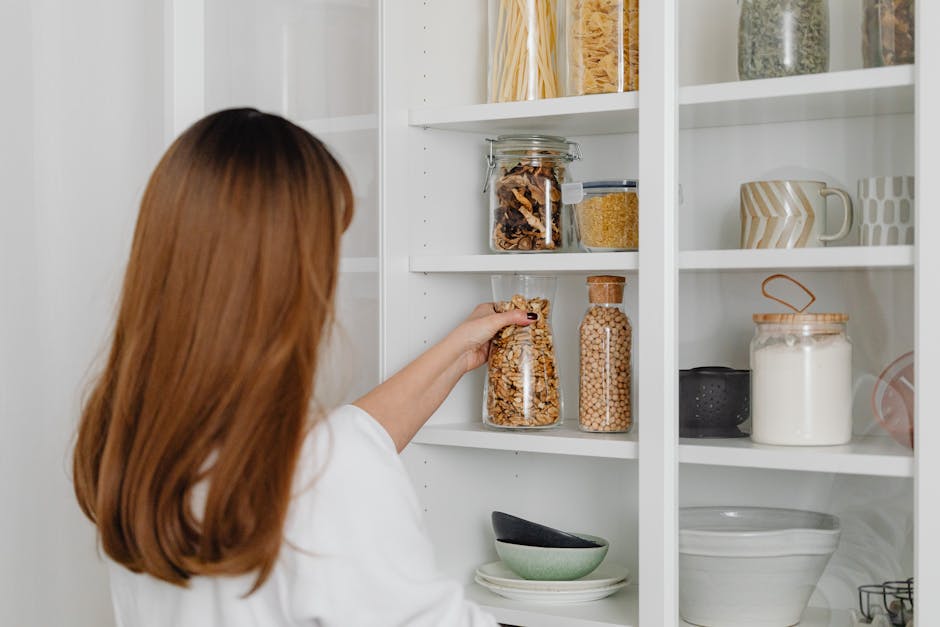
If you love baking, having a dedicated baking zone can be a game-changer. Keep all your baking essentials like flour, sugar, and mixing bowls in one convenient location. Organize this zone with clear containers for your dry ingredients. This not only looks tidy but also lets you see when you’re running low. Consider placing your mixer nearby to make it easy to whip up a cake or batch of cookies. Having everything in one place streamlines your baking process and makes it more enjoyable. Do you have a unique way of organizing your kitchen? Share your tips in the comments below! This can be a fun way to exchange ideas and learn new strategies.
Labeling And Inventory
Organizing kitchen cabinets can transform your cooking space into a haven. A well-organized kitchen saves time and reduces stress. Labeling and inventory play crucial roles in this process. They ensure you know what's inside each cabinet without guessing. Labels help you quickly find what you need. Inventory keeps track of items, preventing duplicates or expired goods. Explore how you can streamline your kitchen with effective labeling and inventory strategies.
Creating A Labeling System
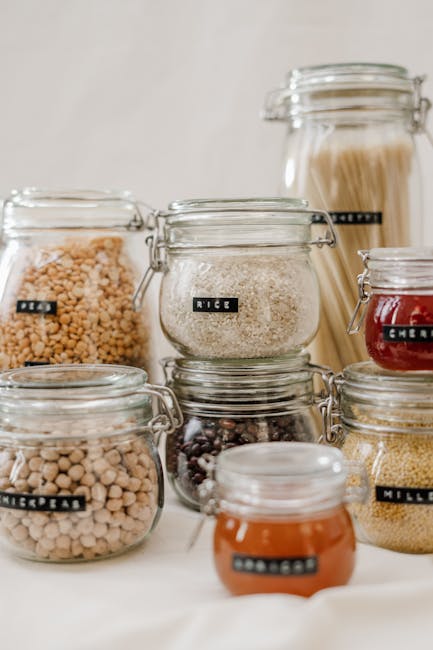
Labels guide you to the right items. Start by choosing a clear label style. Use bold letters for easy reading. Waterproof labels last longer, even in humid kitchens. Color-coded labels can help differentiate categories. For instance, red for spices, blue for baking items. Place labels in visible spots on cabinet shelves. Ensure the text is facing outward. This saves time during busy cooking sessions.
Keeping An Inventory Checklist
An inventory checklist tracks the items you own. List all items in a notebook or digital app. Update the list when adding or removing items. This prevents overbuying or missing essentials. Categorize items like grains, canned goods, and spices. Check the list before shopping. This helps avoid buying what you already have. Review the inventory weekly to keep it current.
Maintaining Organization
Keeping your kitchen cabinets organized requires ongoing effort. A well-maintained kitchen is more functional and enjoyable. Maintaining organization helps you find items quickly. It also keeps your cooking space tidy and efficient. Let’s explore some practical steps to ensure your kitchen stays organized.
Regular Cleaning Routine
Develop a routine to clean your cabinets. Wipe surfaces weekly to remove dust and spills. Use gentle cleaners to avoid damaging surfaces. Check for expired food items every month. Dispose of anything that's past its prime. This prevents clutter and keeps your kitchen fresh.
Periodic Reassessment
Regularly reassess the arrangement of your kitchen items. Evaluate which tools and ingredients you use most. Keep frequently used items within easy reach. Store less-used items in higher or lower cabinets. Consider donating or discarding items you no longer need. This frees up space for essentials.
Expert Tips And Tricks
Organizing kitchen cabinets becomes easy with practical tips. Arrange items by frequency of use, placing daily essentials upfront. Utilize stackable containers for more space, ensuring everything is visible and accessible. Label shelves to find items quickly, making cooking smoother and enjoyable.
In the heart of every home, the kitchen stands as a bustling hub. Organizing kitchen cabinets can feel overwhelming. But with expert tips, it becomes manageable. A well-organized kitchen saves time and reduces stress. Learn the tricks to transform your kitchen space efficiently.
Utilizing Lazy Susans
Lazy Susans are versatile and space-saving. Place them in corner cabinets. They allow easy access to items. No more reaching into the depths of the cabinet. Store spices, oils, or condiments on them. They rotate smoothly, making everything visible. An organized kitchen with Lazy Susans feels more functional.
Incorporating Drawer Dividers
Drawer dividers keep utensils neatly arranged. They help separate different kitchen tools. No more tangled spatulas or ladles. Choose adjustable dividers for flexibility. Customize them to fit your needs. Organize cutlery, measuring spoons, or small gadgets. Drawer dividers ensure everything has its place.
Selecting Appropriate Storage Solutions
Choose storage solutions based on your needs. Clear containers work well for dry goods. Label them for easy identification. Stackable bins maximize vertical space. Use shelf risers for added storage layers. Hooks inside cabinet doors hold mugs or pot lids. Tailor your storage to your kitchen's layout.
Credit: www.onlinehsa.com
Frequently Asked Questions
How Do I Categorize Kitchen Items?
Categorize kitchen items by function, frequency of use, and size. Store frequently used items at eye level for easy access. Group similar items together, such as baking supplies, canned goods, or cooking utensils. This helps streamline your kitchen workflow and keeps your cabinets neat and organized.
What's The Best Way To Store Pots And Pans?
Store pots and pans by stacking them with lids attached. Use cabinet organizers or racks to maximize space. Place larger pots at the bottom and smaller ones on top. Consider hanging them if space allows, ensuring easy access and preventing scratches or damage.
How Can I Maximize Cabinet Space?
Maximize cabinet space by using adjustable shelves, stackable containers, and door-mounted racks. Arrange items vertically to utilize every inch. Consider pull-out drawers for lower cabinets. Use hooks or pegboards inside doors for additional storage, keeping your kitchen clutter-free and efficient.
Should I Use Labels In Kitchen Cabinets?
Yes, using labels can enhance organization in kitchen cabinets. They help quickly identify items, saving time and reducing clutter. Labels are especially useful for storage containers and jars. Use clear, easy-to-read labels that are durable and suitable for kitchen environments.
Conclusion
Organizing kitchen cabinets can be simple and rewarding. Clear clutter for more space. Use containers for small items. Label shelves for easy access. Group similar items together. Keep frequently used items within reach. Store heavy items on lower shelves. Use vertical space with shelf risers.
Rotate items to avoid expiration. A neat kitchen saves time and reduces stress. Enjoy cooking in a tidy space. These tips can help you maintain order. Transform your kitchen into a functional, pleasant area. Feel more relaxed and efficient. A well-organized kitchen makes meal prep a breeze.