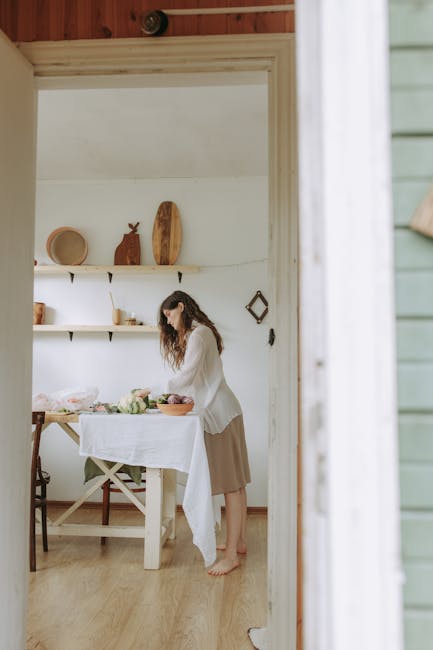
Imagine stepping into your kitchen and feeling a wave of calm wash over you. Everything has its place, and everything is in its place.
This is the beauty of a Japanese kitchen—where simplicity meets functionality, creating a space that is both practical and soothing. If you’ve ever wondered how to achieve this harmonious balance in your own home, you’re in the right place. In this guide, you’ll discover the secrets of organizing a Japanese kitchen that not only maximizes space but also enhances your cooking experience.
Ready to transform your kitchen into a haven of order and efficiency? Keep reading to uncover the steps to crafting a culinary space that makes cooking a joyful and stress-free activity.
Essentials Of A Japanese Kitchen
Organizing a Japanese kitchen involves creating harmony between functionality and aesthetics. Key elements include compact storage solutions, efficient use of space, and careful selection of essential tools. Emphasizing minimalism and cleanliness helps maintain an uncluttered environment, enhancing the cooking experience.
When setting up a Japanese kitchen, understanding its essentials is crucial. A Japanese kitchen is all about simplicity and efficiency. It brings together key tools and appliances that make cooking a seamless experience. You might find that the organization of these essentials can transform the way you prepare meals, bringing a sense of calm and order to your culinary adventures. Let's explore what makes a Japanese kitchen truly unique.
Key Tools And Utensils
A Japanese kitchen thrives on minimalism, yet it doesn't skimp on functionality. Start with a Santoku knife, revered for its versatility. This all-purpose knife helps you slice, dice, and chop with ease. Chopsticks aren't just for eating. Cooking chopsticks are longer and thicker, ideal for stirring or serving. They give you precision and control in your cooking process. Another must-have is the bamboo sushi mat. Whether you're rolling sushi or shaping rice, a bamboo mat makes the task easy. It’s simple to store and clean, adding convenience to its list of benefits. Don't overlook the mandoline slicer. It helps you achieve thin, uniform slices quickly. This is particularly useful for preparing ingredients for dishes like sashimi or pickled vegetables.
Traditional Appliances
Traditional appliances make a Japanese kitchen distinct. A rice cooker is indispensable. It ensures perfectly cooked rice every time, a staple in many Japanese meals. Have you ever wondered how you can consistently achieve that perfect texture? A rice cooker is your answer. Next is the donabe, a clay pot used for everything from soups to rice dishes. Its ability to retain heat makes it perfect for slow-cooking meals. Plus, it brings an authentic touch to your kitchen. Lastly, consider a Tamagoyaki pan. This rectangular pan is designed for making Japanese omelets. Its shape allows you to roll the omelet neatly, giving your breakfast a delightful twist. By incorporating these essentials, you can create a kitchen that not only looks organized but also enhances your cooking experience. Have you ever tried using any of these tools or appliances? How did they change the way you cook? Share your thoughts, and perhaps you'll inspire others to revamp their kitchen setup.

Credit: blog.gaijinpot.com
Maximizing Space Efficiency
Japanese kitchens are known for their efficient use of space. Every inch counts. Maximizing space efficiency is crucial in small kitchens. It requires smart planning and creativity. With limited room, organizing becomes an art. Here are some tips to help you make the most of your kitchen space.
Smart Storage Solutions
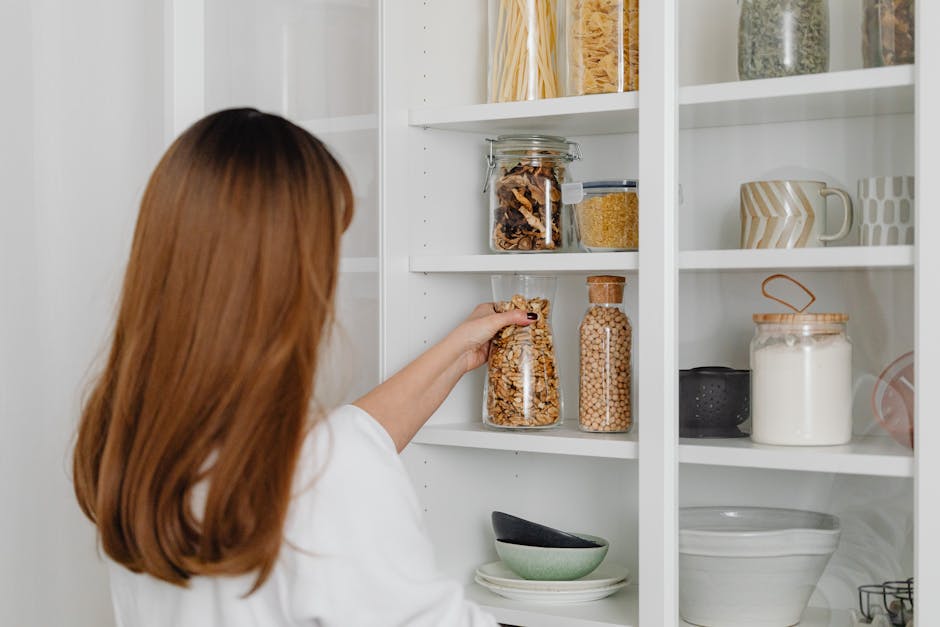
Use stackable containers to save space. They keep ingredients fresh and organized. Consider drawer dividers for utensils. They prevent clutter and make finding items easy. Sliding shelves are great for deep cabinets. They allow easy access to items at the back. Magnetic spice racks on the fridge free up counter space.
Utilizing Vertical Space
Vertical space can be a game-changer in small kitchens. Wall-mounted shelves store pots and pans. Pegboards hold utensils and add style. Install hooks under cabinets for mugs. Use tension rods in cabinets to create extra shelving. Place baskets on top of the fridge for less-used items.
Creating A Minimalist Aesthetic
Creating a minimalist aesthetic in a Japanese kitchen brings peace. It reflects simplicity and elegance. This design philosophy focuses on clarity and functionality. It helps maintain a clutter-free space, essential for cooking and dining. By focusing on simple designs and natural elements, you can transform your kitchen into a serene haven.
Choosing Simple Designs
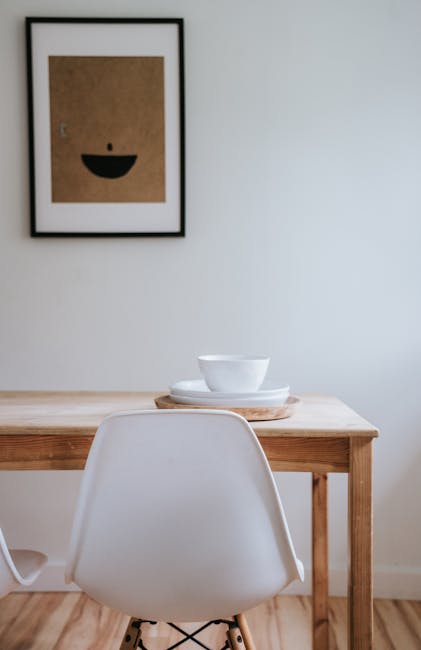
Opt for sleek and clean lines in kitchen furniture. This includes counters, cabinets, and shelves. Choose neutral colors like white, beige, or light gray. These colors enhance the minimalist feel. Avoid flashy designs or patterns. They can make the space feel crowded.
Consider using open shelving. It provides easy access to items and maintains simplicity. Use hidden storage solutions for a clean look. Keep countertops free from unnecessary items. This reduces visual clutter and creates a calm atmosphere.
Incorporating Natural Elements
Natural elements add warmth to a minimalist kitchen. Use wooden accents for cabinets or utensils. Bamboo is a popular choice in Japanese kitchens. It offers durability and an earthy look. Consider stone or ceramic tiles for flooring. These materials are both practical and beautiful.
Introduce plants to add a touch of nature. Choose small potted plants or herbs. They provide a fresh feel without overwhelming the space. Let natural light flood into the kitchen. It brightens the area and enhances the natural elements.
:max_bytes(150000):strip_icc()/organize-kitchen-cabinets-GettyImages-1407107545-983e326a93bb40d28a2640767d169805.jpg)
Credit: www.realsimple.com
Organizing By Functionality
Divide the kitchen into zones for cooking, cleaning, and storage. Keep tools and utensils near their respective areas. Ensure easy access to frequently used items to enhance efficiency and maintain a clutter-free space.
Organizing your Japanese kitchen by functionality can transform how you interact with this vital space. It’s not just about neatness; it’s about enhancing your cooking experience and efficiency. Imagine reaching for a utensil and it’s exactly where you expect it to be. By focusing on functionality, you can streamline your culinary efforts and infuse a sense of calm and purpose into your kitchen routine. Here’s how you can achieve this by zoning your kitchen and grouping similar items effectively.
Zoning The Kitchen
Zoning your kitchen means creating specific areas for different tasks. Think of areas for prep, cooking, cleaning, and storage. This method simplifies movement and reduces time spent searching for items. For a Japanese kitchen, consider a dedicated zone for sushi preparation, complete with the necessary tools and ingredients. If you love making miso soup, have a spot where your dashi, miso paste, and tofu are always within reach. Each zone should serve a clear purpose, making cooking more intuitive and enjoyable. Reflect on your cooking habits. Where do you usually chop vegetables, or where do you make tea? Use these insights to define zones that cater to your unique needs.
Grouping Similar Items
Organizing by grouping similar items together can save you time and frustration. Store all your knives in one place, spices in another, and pots and pans in a dedicated cabinet. This helps you find what you need without unnecessary searching. In a Japanese kitchen, think about grouping items like rice cookers, rice, and nori sheets together. This makes it easy when you decide to whip up a quick rice dish. Similarly, you could group all your teacups and kettles in a corner reserved for tea-making rituals. Consider using containers or baskets to keep related items together. This not only looks tidy but also makes cleaning up a breeze. When everything has a home, your kitchen becomes a space of order and tranquility. How do these organizational strategies fit into your current kitchen setup? Do you see areas where zoning or grouping could make a difference? By prioritizing functionality, you can turn your kitchen into a more harmonious and efficient space.
Incorporating Japanese Culinary Practices
Incorporating Japanese culinary practices into your kitchen brings harmony and efficiency. Japanese cooking emphasizes precision, fresh ingredients, and mindful preparation. A well-organized kitchen ensures a seamless cooking experience, essential for crafting authentic dishes.
Setting Up For Sushi And Ramen
Sushi requires a clean, spacious work area. Invest in a quality sushi mat and sharp knives. Arrange ingredients like fish, rice, and vegetables neatly. This layout speeds up the sushi-making process.
For ramen, allocate space for broth simmering. Keep noodles, toppings, and spices within reach. Organizing these elements enhances quick and efficient preparation.
Organizing For Traditional Meals
Japanese meals often include rice, miso soup, and pickled vegetables. Store rice in a dedicated container. This ensures freshness and easy access.
Arrange miso paste, seaweed, and tofu near the stove. This setup aids in swift soup preparation. Keep pickling jars visible for quick side dish creation.
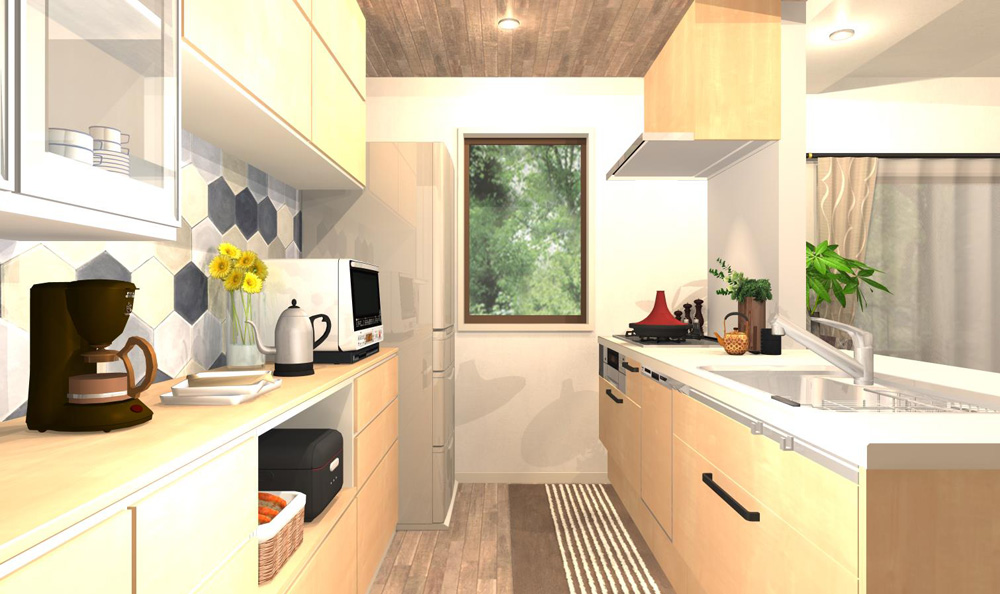
Credit: www.3darchidesigner.com
Sustainable Practices
Crafting a Japanese kitchen involves sustainable practices like using bamboo utensils and repurposing glass jars. Opt for energy-efficient appliances to minimize environmental impact. Prioritize minimalism and organization by utilizing stackable containers and vertical storage solutions.
Organizing a Japanese kitchen involves more than just arranging utensils and cookware. It's about embracing sustainable practices that reflect respect for the environment and a mindful lifestyle. By choosing eco-friendly materials and reducing waste, you can create a kitchen that not only looks beautiful but also supports the planet.
Eco-friendly Materials
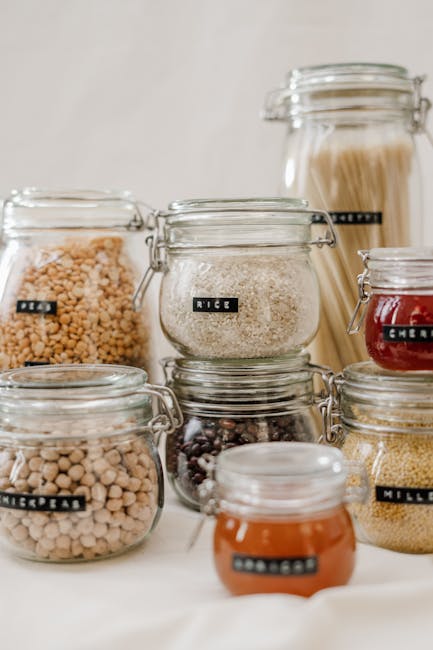
Using eco-friendly materials in your kitchen is a simple way to make a big impact. Consider bamboo for your cutting boards and utensils—it's durable and grows quickly, making it a renewable resource. Opt for storage containers made from glass or stainless steel instead of plastic, which can leach chemicals over time. When I switched to cloth napkins from paper, I noticed a significant decrease in my household waste. It's a small change that feels rewarding every time I set the table. Have you thought about what materials you use daily? Making mindful choices can lead to a healthier environment.
Reducing Kitchen Waste
Reducing kitchen waste starts with planning your meals. By only buying what you need, you can minimize food spoilage and unnecessary leftovers. Composting is another excellent practice. It transforms organic waste into nutrient-rich soil, perfect for your home garden. I once realized how much food packaging I was discarding each week. Switching to bulk buying and reusable bags reduced my trash significantly. What steps can you take today to cut down on waste? Small actions can lead to sustainable habits. By incorporating these sustainable practices, you're not only organizing your Japanese kitchen but also contributing to a healthier planet.
Maintaining Cleanliness And Order
Creating a tidy Japanese kitchen involves smart storage solutions and efficient use of space. Use vertical storage to keep counters clear. Select multipurpose tools to reduce clutter and streamline cooking tasks.
Maintaining cleanliness and order in a Japanese kitchen is essential for creating a serene and efficient cooking environment. The minimalist approach of Japanese culture emphasizes simplicity and functionality, making it crucial to regularly keep your kitchen tidy. By establishing effective routines and decluttering habits, you can transform your kitchen into a calming space that inspires culinary creativity.
Daily Cleaning Routines
Start each day with a clean slate. Wipe down your countertops and stovetop every morning. This ensures you have a fresh space to prepare meals. Make it a habit to wash dishes immediately after use. Letting them pile up can create unnecessary stress and clutter. Sweep the kitchen floor at the end of each day. Consider using a small handheld vacuum for quick touch-ups. Reflect on how a clean kitchen affects your mood. Does it make cooking more enjoyable for you?
Monthly Decluttering Tips
Set aside time each month to declutter your kitchen. Begin by examining your cabinets and drawers. Remove items you haven’t used in the past month. This might include expired spices or gadgets collecting dust. Organize your pantry by grouping similar items together. Place frequently used items at the front. Consider how much more space you have after decluttering. Does it motivate you to maintain this habit regularly? Invite family members to join you in this monthly ritual. It can be a bonding experience and helps everyone appreciate the organized space. By embracing these daily and monthly habits, your Japanese kitchen can become a place of tranquility and inspiration. What changes will you start implementing today for a more organized kitchen?
Frequently Asked Questions
What Is A Japanese Kitchen Layout?
A Japanese kitchen layout focuses on efficiency and simplicity. It often features minimalistic designs, maximizing space with smart storage solutions. Open shelving and clean lines are common. The layout is typically organized to ensure easy access to cooking tools and ingredients, enhancing the cooking experience.
How Do I Organize A Japanese Pantry?
To organize a Japanese pantry, focus on minimalism and efficiency. Use clear containers for dry goods and label them. Group similar items together and prioritize often-used ingredients. Utilize vertical space with stackable storage solutions. Keep the pantry clutter-free to maintain a clean and organized environment.
What Are Essential Tools For A Japanese Kitchen?
Essential tools for a Japanese kitchen include a sharp knife, rice cooker, and bamboo steamer. Other important items are a cutting board, chopsticks, and a donabe pot. These tools help create authentic Japanese dishes and maintain the kitchen's efficiency and organization.
How Do I Maintain A Clutter-free Japanese Kitchen?
To maintain a clutter-free Japanese kitchen, regularly declutter and only keep essential items. Utilize smart storage solutions and organize items based on usage frequency. Implement a "clean as you go" habit while cooking. This approach ensures your kitchen remains tidy and efficient for everyday use.
Conclusion
Organizing a Japanese kitchen creates a peaceful cooking space. Stick to minimalist design. Choose smart storage solutions for easy access. Keep counters clear to enhance efficiency. Use containers and labels to maintain order. Select functional tools that save space. Display only essential items.
This reduces clutter and distractions. Incorporate natural elements for a calming atmosphere. Prioritize simplicity in every choice. With these tips, your kitchen becomes a serene and functional area. Cooking becomes more enjoyable and less stressful. Experience the harmony of a well-organized space.
Embrace the art of Japanese simplicity in your daily life.