Are you tired of opening your kitchen cabinets only to face an avalanche of mismatched Tupperware tumbling out? You’re not alone.
Finding the right lid for the right container can feel like a never-ending puzzle. But imagine a world where your Tupperware is perfectly organized, making meal prep a breeze and freeing up precious time in your day. Sounds enticing, right?
We’ll uncover the secrets to transforming your kitchen chaos into a haven of order and efficiency. Get ready to discover simple, practical steps that will revolutionize how you store and access your Tupperware, making your daily routine smoother and more enjoyable. Dive in and unlock the potential of a clutter-free kitchen that you’ve always dreamed of!
Assessing Your Storage Needs
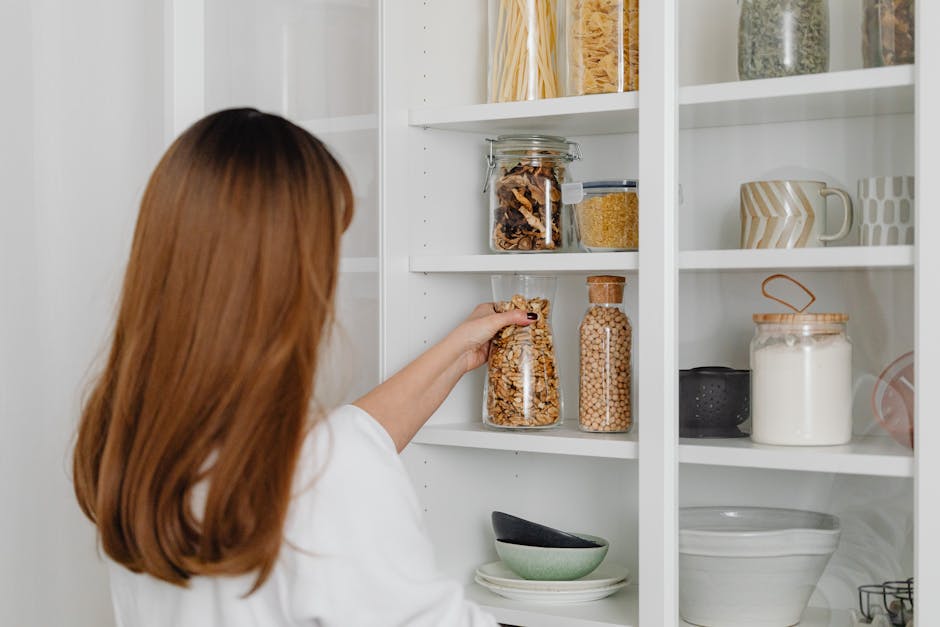
Organizing kitchen cabinets for Tupperware involves assessing storage needs. Group similar items together to save space. Utilize stackable containers for efficient use of cabinet space. Clear labels help in quick identification, ensuring easy access.
Assessing your storage needs is the first step in organizing your kitchen cabinets, especially when dealing with Tupperware. Taking the time to evaluate what you have and what you need can save you from a cluttered mess. It helps you make informed decisions about what to keep, what to toss, and how to best utilize your space.
Understand Your Current Inventory
Start by taking out all your Tupperware from the cabinets. This might seem daunting, but it's crucial to have a clear view of what you own. You might discover you have more lids than containers or vice versa.
Identify Frequent Uses
Think about how you use your Tupperware daily. Do you often pack lunches for work or school? Or maybe you store leftovers more frequently. Knowing your habits can help you prioritize which items need to be most accessible.
Evaluate Storage Space
Take a good look at your cabinet space. Is there enough room to store everything neatly? Consider the size and shape of your storage areas. Tall stacks of containers might fit better in a deep cabinet, while smaller items might work well in a drawer.
Consider Future Needs
Are there upcoming events or changes in your lifestyle that might alter your storage needs? Anticipating these changes can prevent the need for constant reorganization. Planning ahead can save you time and keep your kitchen running smoothly.
Think About Accessibility
Accessibility is key when organizing. If you constantly struggle to reach certain containers, it might be time to rearrange. Place the most-used items within easy reach to streamline your daily tasks.
Ask Yourself Tough Questions
Do you really need 20 plastic containers when you only use 5 regularly? Be honest with yourself about what you use and what just takes up space. Letting go of rarely used items can free up valuable space. Assessing your storage needs might feel like an overwhelming task, but it’s an investment in a more efficient kitchen. Imagine opening your cabinet and easily finding the exact container you need. Isn’t that worth the effort?
Sorting And Decluttering
Organize kitchen cabinets by stacking Tupperware neatly to save space. Use lids to separate containers and keep everything in place. Label shelves for easy access and avoid clutter.
Organizing your kitchen cabinets can be a game-changer, especially when it comes to Tupperware. Sorting and decluttering this area can transform chaotic piles into neat, easily accessible stacks. It's more than just tidying up—it's about creating a system that works for you. Break down the task into simple steps. You'll find yourself wondering why you didn't do it sooner.
Identifying Essential Items
Start by pulling out all your Tupperware. Spread them out on the counter or dining table. Look at each piece carefully. Ask yourself: Do you use it often? Does it have a matching lid? Is it in good condition? Keep items that tick all these boxes. These are your essentials. You might notice that certain sizes or shapes are used more frequently. Prioritize these over odd-shaped or rarely used containers.
Donating Or Recycling Extras
Now, think about those containers that rarely see the light of day. Maybe you've outgrown them or received them as gifts but never used them. Consider donating them to a local charity. Someone else might find them useful. Check if any recycling programs accept Tupperware in your area. You'll feel lighter, knowing your extras are helping others or being responsibly recycled. This simple act can make your kitchen more spacious and functional. What will you do with all that newfound space?
Choosing The Right Containers
Organize kitchen cabinets by selecting Tupperware containers that stack neatly and fit well. Choose various sizes to accommodate different food items. Clear containers help identify contents easily, saving time during meal prep.
Choosing the right containers for your kitchen cabinets makes organizing easier. Proper Tupperware can help maintain order and maximize space. Consider different types to suit your needs and keep your kitchen neat. The right choice simplifies meal prep and storage.
Stackable Options
Stackable containers save space by fitting together neatly. They reduce clutter and make finding lids easier. Look for designs with matching lids to avoid mismatches. Transparent options help quickly identify contents. Stackable sets often come in various sizes. This flexibility allows for efficient use of cabinet space.
Space-saving Designs
Space-saving designs make a big difference in cramped cabinets. Look for containers that nest inside each other. This feature minimizes space used when not in use. Slim and tall containers maximize vertical space. Consider designs with collapsible sides for extra flexibility. These features make storing and accessing Tupperware simple and efficient.

Credit: www.pinterest.com
Utilizing Vertical Space
Maximizing vertical space in kitchen cabinets can solve storage issues. It transforms cluttered cabinets into neat, organized spaces. By utilizing vertical space, you can store more items without expanding your kitchen. This approach is cost-effective and efficient. It ensures every inch of your cabinet is used wisely.
Installing Shelves
Install extra shelves to make use of vertical space. Adjustable shelves give flexibility for different sized items. Place shelves at various heights for optimal storage. This approach accommodates both tall and short containers easily. Use sturdy materials for shelves to hold weight without sagging.
Using Cabinet Door Organizers
Cabinet door organizers offer additional storage. They use space often ignored. These organizers hang on the inside of cabinet doors. They are perfect for storing lids or small containers. Choose organizers with multiple compartments for better organization. Secure them properly to avoid accidents.
Labeling And Categorizing
Organizing kitchen cabinets with Tupperware becomes easy with labeling and categorizing. Use labels to identify contents quickly. Arrange containers by size and purpose for efficient storage.
Organizing kitchen cabinets, especially those filled with Tupperware, can be a daunting task. But with a little bit of effort in labeling and categorizing, you can transform chaos into order. Imagine opening your cabinet and instantly finding the container you need. This section will guide you through effective labeling techniques and how to group your Tupperware by use or size, making your kitchen a more efficient space.
Effective Labeling Techniques
Labeling is crucial for maintaining order in your kitchen cabinets. Use waterproof labels to ensure they withstand washing and handling. You could use a label maker for a neat look or even try chalkboard labels for a fun, customizable option. Handwritten labels can add a personal touch. Ensure the labels are clear and placed on the visible part of the container. This makes it easy to identify contents at a glance, saving you time during meal prep. Consider color-coding your labels. Assign a color to different types of food storage like leftovers, snacks, or meal prep. This visual cue can help you quickly grab what you need.
Grouping By Use Or Size
Think about how you use your Tupperware. Group containers by their purpose, such as leftovers, lunches, or baking supplies. This logical categorization can streamline your kitchen workflow. Alternatively, you can organize by size. Stack similar-sized containers together to maximize space. Keep lids in a separate, easily accessible section to prevent the dreaded lid hunt. Mix and match these strategies to suit your needs. Perhaps you group your most-used containers at eye level for convenience. Or, store seasonal items like holiday cookie tins towards the back. Ask yourself, does your current system work for you? If not, these simple adjustments might be the key to a more organized kitchen. Remember, the goal is to create a system that makes your life easier. Start small, and you'll soon see big improvements.

Credit: eatingrichly.com
Maintaining Order
Keeping your kitchen neat involves smartly arranging Tupperware. Stack lids separately for easy access. Use clear bins to categorize and store containers based on size.
Keeping your kitchen cabinets organized, especially when it comes to Tupperware, can feel like a never-ending battle. Yet, maintaining order is not just about the initial setup. It’s about creating habits that ensure everything stays neat and accessible. Imagine opening your cabinet and finding just what you need without a frustrating search. Sounds ideal, right? Let's dive into some strategies to keep your Tupperware chaos in check.
Regularly Reviewing Inventory
Take a moment each month to review what Tupperware you have. It’s surprising how quickly mismatched lids and containers can accumulate. Look through your collection and identify any pieces that are missing partners or have seen better days. Consider setting a reminder on your phone. This little nudge can help you stay on top of your inventory. If you find extra pieces you never use, it might be time to donate or recycle them.
Adapting To Changing Needs
Your Tupperware needs can change over time. Maybe you started meal prepping or your family size has changed. This means your storage solutions should evolve too. Ask yourself, does your current setup still serve its purpose? If not, adjust your organization to better fit your lifestyle. Perhaps you need more small containers for snacks or larger ones for bulk items. Don't be afraid to experiment. Sometimes a small tweak can make a big difference. When I switched from stacking to nesting my containers, it freed up an entire shelf in my cabinet. What small change could transform your space?
Expert Storage Hacks
Expert storage hacks can transform your kitchen into an organized haven. Tupperware often clutters cabinets, making it hard to find the right lid or container. With smart hacks, you can easily streamline your space. This not only saves time but also reduces stress. Let's dive into some effective strategies.
Using Drawer Dividers
Drawer dividers help keep Tupperware neat and accessible. They create separate spaces for lids and containers. This way, everything stays in its place. You can adjust them to fit different sizes. This ensures you use every inch of your drawer. Consider using adjustable dividers for better flexibility. They allow you to customize the space as your needs change. This hack makes it simple to find what you need quickly.
Incorporating Lazy Susans
Lazy Susans maximize cabinet space efficiently. They make it easy to reach items in the back. Place your Tupperware on a rotating tray. This way, accessing each piece becomes effortless. You can even stack containers for more room. Choose a size that fits your cabinet perfectly. Lazy Susans help utilize corner spaces effectively. This clever hack makes organizing large collections easier.
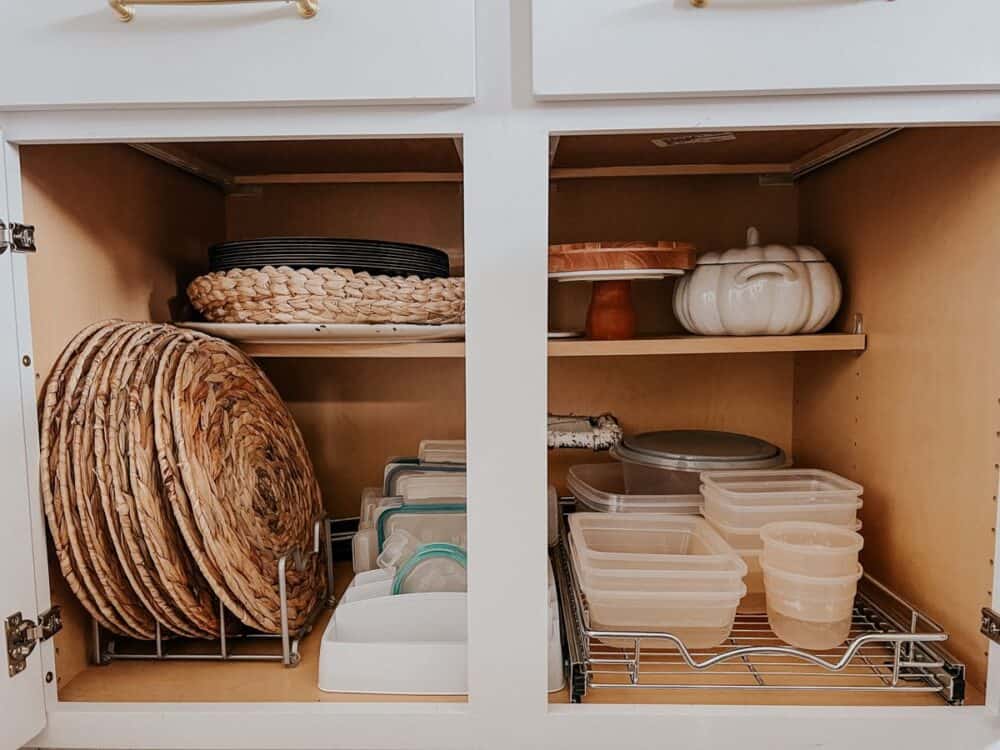
Credit: www.loveandrenovations.com
Frequently Asked Questions
How To Efficiently Stack Tupperware In Cabinets?
Organize Tupperware by size and shape to maximize space. Use nesting for similar items. Stack lids vertically in a separate container. Utilize cabinet dividers to keep things tidy. Label containers if necessary for easy identification. This method saves time and effort when accessing your Tupperware.
What Is The Best Way To Store Lids?
Store lids vertically in a bin or holder. This prevents them from cluttering the cabinet. Ensure all lids are together and easily accessible. Consider using adjustable dividers for organization. This method keeps lids from getting lost, saving space and time in your kitchen.
How Can I Prevent Tupperware From Toppling?
Use shelf dividers to separate Tupperware by size. Nest containers inside each other to stabilize. Place heavier items at the bottom. Keep frequently used items at eye level. This arrangement prevents toppling and makes it easier to find what you need quickly.
How Often Should I Reorganize Kitchen Cabinets?
Reorganize your kitchen cabinets every few months. This helps maintain order and cleanliness. Regularly check for unused items to declutter. Adjust as needed based on your cooking habits. A periodic review ensures efficiency in your kitchen space.
Conclusion
Organizing kitchen cabinets can simplify your life. Tupperware storage often gets chaotic. Neat stacking saves space. Labeling ensures easy access. Group lids and containers separately. This boosts efficiency. Use drawer organizers for small items. Keep frequently used items upfront. Reduce clutter by donating unused pieces.
Regular cleaning keeps everything fresh. This method improves your kitchen's functionality. Embrace these tips for a tidier kitchen. You’ll find cooking more enjoyable. A well-organized kitchen is always inviting. Try these steps today for a better kitchen experience. Your Tupperware will thank you!