Are you tired of rummaging through your kitchen cabinets, only to find chaos instead of the cooking essentials you need? If your kitchen feels more like a jumbled puzzle than a space of culinary creativity, then you're in the right place.
Imagine opening your cabinet doors to find everything neatly in its place, just like a perfectly solved game of Tetris. By learning how to organize your kitchen cabinets using the genius methods from The Home Edit, you can transform your kitchen into a haven of order and simplicity.
We'll guide you through practical, easy-to-follow steps to declutter and organize your kitchen cabinets. You'll discover the secrets to maximizing space, reducing stress, and creating a visually pleasing environment that sparks joy every time you cook. Stay with us, and you'll soon be experiencing the bliss of a well-ordered kitchen where everything is within reach and nothing is ever lost. Ready to turn chaos into calm? Let’s dive in!
Assessing Your Space
Start by evaluating the space inside your kitchen cabinets. Identify areas that need better organization. Utilize bins and labels to keep items sorted and easily accessible.
Organizing your kitchen cabinets can transform your cooking space into a model of efficiency and style. The Home Edit method emphasizes clarity and accessibility, and the first step in this journey is to assess your space. Understanding what you have and where it should go sets the foundation for a well-organized kitchen. This isn't just about aesthetics—it's about making your kitchen work for you. Let's dive into how you can effectively assess your kitchen space.
Understanding Your Current Layout
Begin by examining your current cabinet layout. Open each cabinet and take note of what's inside. Is everything easy to reach? Are you maximizing your space? Consider how often you use each item and whether its location makes sense. While standing in your kitchen, think about how you move around when cooking. This will help you identify areas where efficiency could improve.
Identifying Problem Areas
Look for cluttered spots or cabinets that are difficult to organize. These are your problem areas. Are your pots and pans crammed into a single cabinet? Are spices scattered across multiple shelves? Recognizing these issues is crucial. It helps you determine which areas need the most attention.
Taking Inventory
Make a list of everything in your cabinets. This might seem tedious, but it's essential. Do you have duplicates or items you never use? Once you have a complete inventory, categorize your items. Group similar items together. This will give you a clearer picture of what you own and what you need to organize.
Envisioning A Functional Space
Think about your ideal kitchen setup. How would you arrange things if you could start from scratch? Imagine each cabinet with a specific purpose. Consider the flow of your kitchen activities. Where should the coffee mugs go if you make coffee every morning? Visualizing a functional space can guide your organizing efforts.
Setting Goals
Based on your assessment, set realistic goals for your kitchen organization. What do you want to achieve? Do you need more space, or is better accessibility your priority? Having clear goals will keep you focused during the organizing process. It'll also make the end result more satisfying. Assessing your space is about more than just tidying up—it's about creating a kitchen that works for you. By understanding your current layout, identifying problem areas, taking inventory, envisioning a functional space, and setting goals, you're on your way to a streamlined and efficient kitchen. What will you discover as you open those cabinet doors?

Credit: thehomeedit.com
Decluttering Essentials
Organizing kitchen cabinets begins with decluttering essentials. A neat kitchen enhances cooking efficiency and overall satisfaction. Streamlining your space is crucial for a stress-free environment.
Assess Your Inventory
Start by assessing what you have. Identify items you use regularly. Separate these from those you seldom touch. This helps in understanding your storage needs.
Discard Unnecessary Items
Discard items you no longer need. Broken tools, expired products, and duplicates should go. Freeing up space creates room for essentials. It also reduces clutter.
Group Similar Items Together
Grouping similar items together simplifies access. Store spices in one area. Organize pots and pans in another. This method enhances visibility and accessibility.
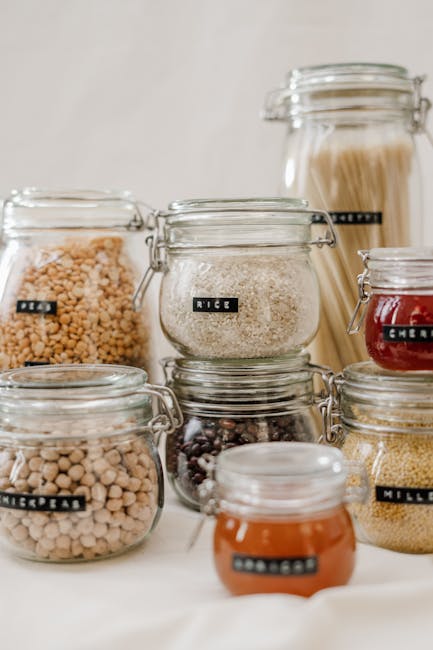
Utilize Clear Containers
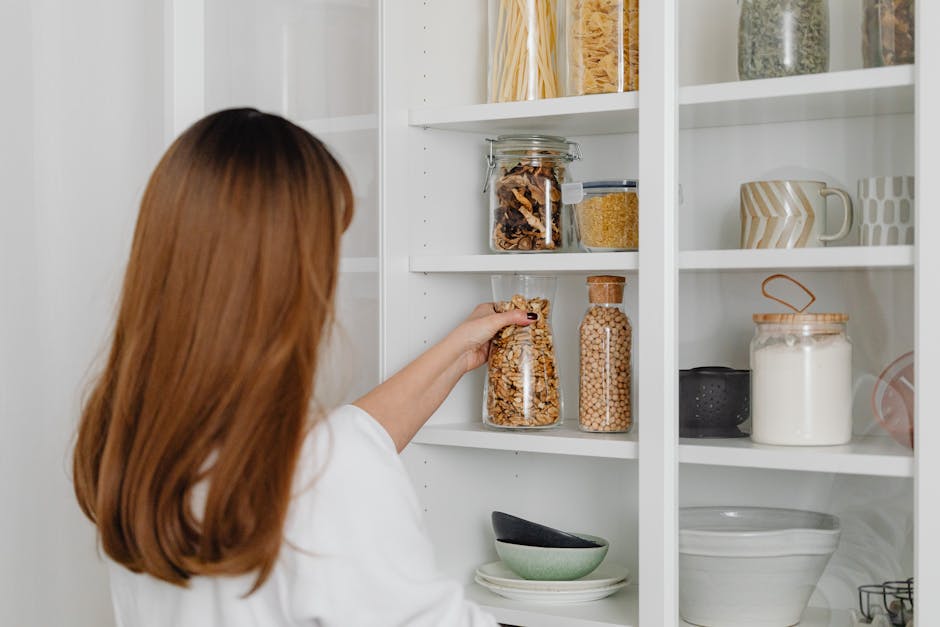
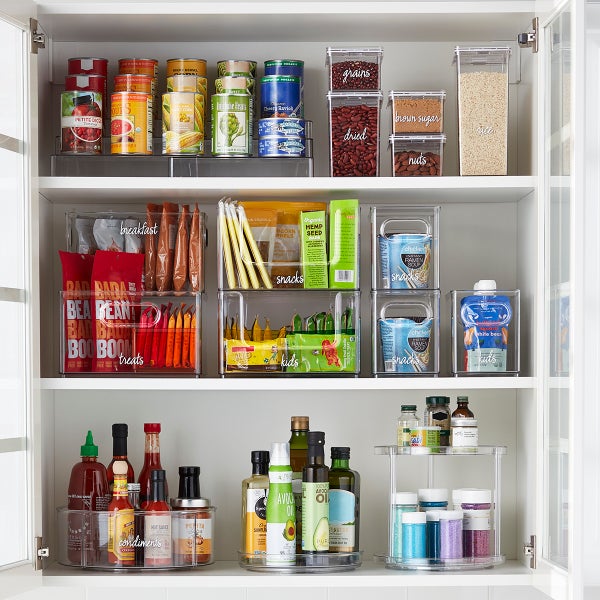
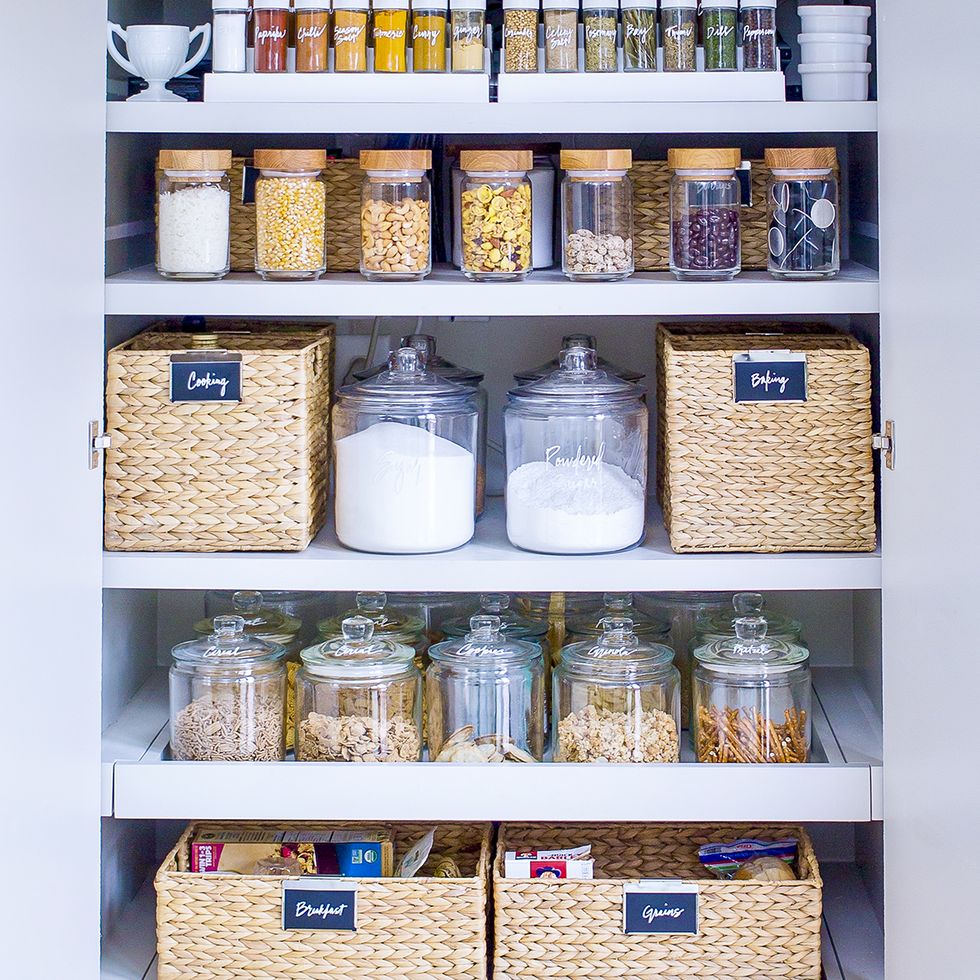
Clear containers offer transparency. They allow easy identification of contents. Use them for items like grains and snacks. This reduces the need for labels.
Label Everything
Labels add clarity. Label bins and shelves for quick identification. This saves time and prevents confusion. An organized system is easy to maintain.
Maximize Vertical Space
Maximize vertical space with shelves. Install racks for pots, pans, and lids. This technique offers more storage without a cluttered look.
Invest In Drawer Dividers
Drawer dividers keep utensils organized. They prevent tangling and mixing. Dividers make it easy to find what you need. This contributes to a tidy kitchen.
Regularly Review And Adjust
Regularly review and adjust your organization. Needs change over time. Stay flexible and adapt to new circumstances. This ensures continuous order in your kitchen.
Categorizing Kitchen Items
Organizing kitchen cabinets becomes simple with 'The Home Edit' method. Sort items by type, creating clear categories. Use labeled bins and shelves to keep everything visible and accessible.
Organizing your kitchen cabinets can feel like an overwhelming task. However, categorizing kitchen items can transform chaos into a harmonious space. When you group similar items together, it becomes easier to find what you need and maintain order.
Grouping Like Items Together
Start by gathering all your kitchen items and spread them out in front of you. Look for items that naturally go together, such as baking supplies, canned goods, or spices. This simple step sets the foundation for a well-organized space. Consider your cooking habits. If you frequently bake, keep baking essentials like flour, sugar, and baking powder in one section. This way, you won't waste time searching for ingredients.
Creating Zones For Efficiency
Think about how you use your kitchen daily. Create zones based on tasks like cooking, baking, or food prep. Each zone should house the items you use for that specific activity. For example, place pots and pans near the stove for easy access. Keep cutting boards and knives close to the food prep area. This setup minimizes unnecessary movement, making your kitchen more efficient.
Utilizing Containers And Labels
Containers can be a game-changer. Use them to group small items, like tea bags or seasoning packets. Clear containers let you see what's inside without rummaging through stacks of boxes. Add labels to your containers and shelves. Labels not only give a polished look but also help everyone in your household know where things belong. Imagine how much smoother meal prep will be when everything is in its place.
Adjusting Based On Usage
Your kitchen's needs might change over time. Maybe you've started cooking more from scratch, or you're trying new cuisines. Periodically reassess your cabinet categories to ensure they align with your current lifestyle. Ask yourself, "What items do I reach for most often?" Adjust the placement of these items for easy access. It's all about creating a system that evolves with you.
Involving Your Family
Involve your family in the organization process. Discuss the new system with them and get their input. When everyone is on board, maintaining the organization becomes a shared responsibility. Consider hosting a family challenge to keep cabinets tidy. Who can keep their section organized the longest? This way, everyone feels invested in the system. Taking the time to categorize kitchen items isn't just about aesthetics. It's about saving time, reducing stress, and creating a space that serves your needs. What changes can you make today to bring order to your kitchen cabinets?
Choosing Storage Solutions
Choosing the right storage solutions for your kitchen cabinets can transform your space. With the right tools, you can make your kitchen more functional and organized. The Home Edit style offers practical options to help maintain order in your cabinets. Let's explore some effective storage solutions to streamline your kitchen.
Bins And Baskets
Bins and baskets are perfect for grouping similar items. They keep your pantry neat and accessible. Clear bins allow you to see contents easily. Label each bin to quickly find what you need. Choose sizes that fit your shelves and cabinets. Stackable bins save space. Baskets add a rustic touch and are great for larger items.
Lazy Susans
Lazy Susans maximize corner cabinet space. They allow easy access to items at the back. Place one in your spice cabinet for a quick view of all jars. Use a larger one for bottles and jars in a pantry. They come in various sizes to fit different spaces. This makes them versatile for any kitchen area.
Drawer Dividers
Drawer dividers help organize utensils and gadgets. They prevent items from moving around. Adjustable dividers offer flexibility. You can customize them to fit your needs. Use them in deep drawers for pots and pans. They also work well in shallow drawers for cutlery. This keeps everything in place and easy to find.
Labeling For Clarity
Organize kitchen cabinets with clear labeling for better efficiency. The Home Edit method offers simple and stylish solutions. Labels help identify items quickly, making cooking and cleaning a breeze.
Labeling your kitchen cabinets can make a world of difference in how you navigate your space. It’s not just about sticking a tag on a jar; it’s about creating a system that works for you and your family. When everything has a place, and that place is clearly marked, you'll find cooking and meal prep much more enjoyable.
Why Labeling Matters
Labeling brings clarity to your kitchen. Imagine opening a cabinet and instantly knowing where everything is. A well-labeled kitchen means no more rummaging through shelves to find that one spice you need. It saves time and reduces stress.
Types Of Labels To Use
There are many types of labels you can choose from. Chalkboard labels are great because they’re reusable. Clear adhesive labels blend in with any container and look neat. You can even use a label maker for a polished look. Choose what fits your style and your kitchen’s aesthetic.
Where To Place Labels
Placement is key. Put labels where they are easy to see, like the front of jars or the edge of shelves. Ensure they are at eye level when possible. This makes it easy for anyone to find what they need quickly.
Consistency Is Key
Consistency helps maintain order. Use the same font and size for all your labels. This uniformity helps your brain process information faster. Plus, it looks visually appealing and organized.
Personal Experience: The Cookie Jar Revelation
I once spent hours looking for chocolate chips in my own kitchen. After labeling my pantry, I found them in seconds the next time. This simple change made baking stress-free and delightful. What little changes can you make to transform your kitchen?
Consider Everyone Who Uses The Kitchen
Think about everyone who uses your kitchen. Do you have kids who need to access snacks? Make sure those labels are easy for them to read. This empowers everyone in the household to help maintain the order.
Maintenance Tips For Labels
Labels can peel or fade over time. Keep a few extras on hand for replacements. Regularly check your labels and update them if the contents change. Maintaining your system ensures it continues to work effectively for you. Labeling for clarity is not just a trend; it’s a lifestyle change that makes daily tasks easier. How will you start organizing your kitchen cabinets today?
Credit: www.containerstore.com
Maximizing Vertical Space
Efficiently organize kitchen cabinets by maximizing vertical space. Use stackable bins and risers for better accessibility. Arrange items by size and frequency of use for a streamlined kitchen experience.
Maximizing vertical space in your kitchen cabinets can transform your cooking area into an organized haven. By effectively using the height of your cabinets, you can create more storage room and make everything easily accessible. This approach not only helps in decluttering but also enhances the overall functionality of your kitchen.
Understanding Your Cabinet Dimensions
Begin by measuring the height of your cabinets. Knowing this will help you choose the right organizing tools. A tape measure is your best friend here. Check the distance between shelves to see how much vertical space you can add.
Use Stackable Shelves
Stackable shelves are a game-changer. They allow you to double the space by adding an extra layer for storage. Imagine placing your plates on one level and mugs on the shelf above. It keeps everything neat and accessible.
Install Hooks Under Shelves
Hooks can be your secret weapon. Use them to hang mugs, pans, or even utensils. This not only saves space but keeps your frequently used items within reach. You might be surprised how much room you gain with just a few hooks.
Opt For Pull-down Racks
Consider installing pull-down racks in your upper cabinets. They make it easy to access items stored high up. No more straining to reach that last box of cereal. These racks bring everything down to your level.
Invest In Risers For Cans And Spices
Risers can help you see and access canned goods and spices easily. They create tiers, allowing you to stack items without hiding them behind each other. This means no more forgotten cans or spices at the back of the cabinet.
Use Bins And Baskets
Bins and baskets are fantastic for organizing grouped items. Think about storing snack packs or baking supplies in them. They slide out easily, making it simple to grab what you need without rummaging through clutter.
Leverage Door Space
Don’t overlook the inside of your cabinet doors. Attach racks or small shelves to store lids, wraps, or cutting boards. This clever use of space can free up room inside the cabinet itself. When organizing your kitchen, think about how each change can make your daily routine smoother. Are there areas where you can add a few extra hooks or shelves? Remember, maximizing vertical space isn't just about fitting more; it's about making your kitchen work better for you.
Maintaining Organization
Maintaining organization in your kitchen can be a rewarding task. A well-organized kitchen boosts productivity and reduces stress. Keeping your cabinets tidy ensures easy access to essentials. The Home Edit method offers a simple approach. Let’s dive into some effective strategies.
1. Label Everything
Labels simplify finding items. Use clear labels for easy reading. This helps everyone in your household. Consistency in labeling brings order. Labeling makes restocking a breeze.
2. Create Zones
Assign specific zones for different items. Store baking supplies together in one area. Place pots and pans near the stove. This reduces cooking time and effort. Keep snack items in a dedicated section.
3. Use Clear Containers
Transparent containers help identify contents quickly. They eliminate guessing what's inside. Clear storage brings visual appeal. Stackable containers save space. Choose containers that fit your shelf size.
4. Regularly Declutter
Regular purging prevents clutter buildup. Discard expired or unused items. Check cabinets monthly for organization. Keep only what you truly need. This habit maintains neatness.
5. Adjust Shelves
Adjustable shelves offer flexibility. Customize shelf height to fit items. This maximizes available space. Taller items fit without hassle. Use risers for double-layered storage.
6. Keep Essentials Accessible
Place frequently used items at eye level. Store rarely used items higher up. Easy access saves time during cooking. It also reduces frustration. Organize based on your cooking habits.
Credit: www.elledecor.com
Seasonal Adjustments
Organizing kitchen cabinets with the Home Edit method involves seasonal adjustments. Sort items by use and frequency, adapting storage for seasonal cooking. Keep essentials accessible while rotating seasonal tools to maximize space and efficiency.
Seasonal changes can influence how we use our kitchen. Think about the holidays, changing weather, and fresh produce availability. Adjusting your kitchen cabinets to fit these shifts can streamline your cooking and enhance your culinary experience.
Assess Seasonal Needs
Start by evaluating what you use the most during each season. In summer, you may reach for BBQ tools and fresh herbs. Winter might call for hearty spices and baking supplies. Reflect on your cooking habits and adjust accordingly.
Rotate Your Essentials
Place frequently used items within easy reach. Store winter baking pans upfront during colder months. In spring, move them to the back to make room for picnic supplies and lighter cookware. This rotation helps keep your kitchen efficient and clutter-free.
Optimize Space With Seasonal Storage
Consider using baskets or bins to categorize seasonal items. Label them clearly, like "Summer Grilling" or "Winter Baking." This method keeps everything organized and makes transitions smoother. You’ll avoid the frustration of digging through cabinets for that elusive item.
Embrace Seasonal Decor
Adding a touch of seasonal decor can brighten your kitchen. Swap out textiles like dish towels and curtains to reflect the season. A small vase of spring flowers or a bowl of autumn leaves can transform your space.
Reflect And Adjust
After the season ends, take a moment to reflect. Did your changes make cooking easier? Were there items you never used? These insights help refine your strategy for the next season. Are you ready to transform your kitchen with seasonal adjustments? Small changes can lead to big improvements. What’s your favorite seasonal shift in the kitchen?
Frequently Asked Questions
How Do I Start Organizing Kitchen Cabinets?
Begin by emptying all your cabinets. Categorize items into groups like cookware, dinnerware, and pantry goods. Assess what you use frequently and declutter items you rarely need. Consider adding shelf organizers or baskets for efficient storage. Label containers for easy identification.
This method streamlines your kitchen for everyday use.
What Are The Best Storage Solutions?
Use adjustable shelves, drawer dividers, and clear containers. Lazy Susans maximize corner space, while tension rods organize pan lids. Consider pull-out trays for deep cabinets. Utilize door-mounted racks for spices or cleaning supplies. These solutions optimize space and improve accessibility, making your kitchen more functional.
How Do I Maintain An Organized Kitchen?
Regularly declutter your cabinets every few months. Ensure each item has a designated place. After using items, return them to their spots. Avoid overcrowding by limiting purchases to essentials. Consistent organization habits keep your kitchen tidy and efficient, making meal preparation more enjoyable.
Why Use Clear Containers In Cabinets?
Clear containers allow quick identification of contents. They help in maintaining an organized look and reducing clutter. You can easily monitor stock levels, making grocery shopping more efficient. Using uniform containers maximizes space by stacking. This enhances accessibility and ensures a clean, streamlined kitchen appearance.
Conclusion
Organizing kitchen cabinets can simplify your daily cooking routine. A tidy kitchen saves time and reduces stress. Clear zones for items make everything easy to find. Labels help everyone know where things belong. Regularly review and adjust your setup. This keeps your kitchen functional and clutter-free.
Enjoy cooking more with everything in its place. Efficient cabinets make meal prep a breeze. Start small, and you'll notice big changes. Organize today for a happier kitchen tomorrow. Your kitchen will thank you!