Do you ever find yourself rummaging through a drawer full of kitchen utensils, trying to find that one elusive spatula? If so, you're not alone.
A cluttered kitchen drawer can turn cooking into a frustrating experience. But what if I told you there’s a simple way to transform chaos into order? Imagine opening your drawer to find every spoon, whisk, and peeler perfectly in place.
Organizing your kitchen utensils doesn't just make cooking more enjoyable; it saves you time and reduces stress. In this guide, we'll show you how to organize your kitchen utensils in drawers so efficiently that you’ll wonder how you ever managed without it. Let's dive in and get your kitchen running like a well-oiled machine.
Assess Your Needs
Organizing kitchen utensils efficiently starts with understanding your specific needs. Each kitchen is unique. What works for one may not work for another. Assessing your needs helps you tailor your organization. This ensures functionality and ease of use.
Assess Your Cooking Habits
Identify your most used utensils. Consider daily cooking routines. Do you bake often? Or do you cook simple meals daily? This helps prioritize which utensils need easy access.
Evaluate Available Drawer Space
Measure your drawer dimensions. Know how much space you have. Larger drawers accommodate more items. Smaller drawers need strategic placement. This ensures no space goes to waste.
Consider The Types Of Utensils
Categorize your utensils. Group by type and function. Spoons, knives, and spatulas. Each group may need different storage solutions. This keeps similar items together.
Identify Your Pain Points
What frustrates you about your current setup? Do items tangle or get stuck? Identify these issues to address them effectively. Your goal is to eliminate these annoyances.
Think About Frequency Of Use
Place frequently used items at the front. Less-used items can go in the back. This reduces time spent searching. It also makes daily cooking more enjoyable.
Sort And Categorize
Organizing kitchen utensils starts with sorting and categorizing. This method brings order to chaos. It makes cooking easier and saves time. Begin by emptying your drawers. Place everything on a clean surface. Seeing all items helps identify what needs sorting.
Identify Commonly Used Items
Separate utensils used daily. These include spoons, forks, and knives. Keep them in easy-to-reach spots. Frequent items should be accessible. This reduces frustration during meal prep.
Group Similar Tools
Group similar tools together. Gather all measuring spoons in one place. Do the same for spatulas and tongs. This makes finding them quick and simple. It eliminates searching through mixed items.
Separate Rarely Used Utensils
Identify utensils used less often. These may include pastry brushes or melon ballers. Store them towards the back of drawers. Rarely used items can stay out of sight. This frees up space for essentials.
Consider Drawer Dividers
Drawer dividers can aid in sorting. They create specific spaces for each category. Dividers keep utensils neat and organized. Invest in sturdy dividers for long-term use. Proper dividers minimize clutter.
Label Sections
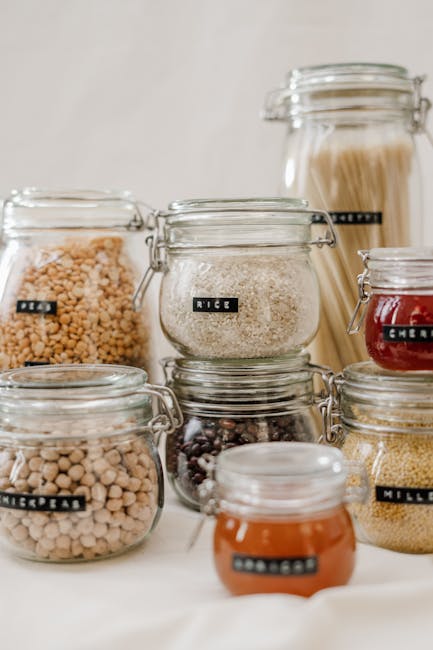
Consider labeling drawer sections. Labels make it easy to find what you need. They help maintain order over time. Use clear, simple labels for each section. This ensures everyone in the household can easily find things.
Select The Right Drawer
Choosing the right drawer helps in organizing kitchen utensils efficiently. Separate spatulas, spoons, and knives to make cooking easier. Use dividers to keep everything in place and accessible.
Selecting the right drawer for your kitchen utensils can transform chaos into order, enhancing your cooking experience. Picture this: you're in the middle of preparing dinner, and you can't find the spatula. Suddenly, a simple task becomes a frustrating scavenger hunt. Choosing the right drawer is more than just picking a spot; it's about strategizing for efficiency and ease.
Select The Right Size Drawer
The size of your drawer matters. A large drawer may seem tempting, but it can quickly become a cluttered mess. Consider what you use most often. Smaller drawers can be perfect for organizing frequently used utensils like spoons and spatulas. Are you guilty of having a 'junk drawer'? A smaller drawer can help you avoid this pitfall by limiting what you can keep.
Evaluate Your Kitchen Layout
Your kitchen's layout plays a key role in choosing the right drawer. Think about your cooking routine. Do you often move from the stove to the sink? Place utensils in drawers that align with these movements. This simple adjustment can save time and reduce stress. Imagine having your tools exactly where you need them, turning cooking into a seamless experience.
Material And Durability Matter
The material of the drawer itself can impact organization. Opt for sturdy materials that can withstand frequent use. Wooden drawers often offer durability and style, while plastic ones can be less resilient. Consider the wear and tear your drawers endure. Investing in quality now can prevent replacement costs later.
Accessibility And Convenience
Accessibility is crucial when selecting the right drawer. Do you have to bend or stretch awkwardly to reach your utensils? Position drawers within easy reach. Test the convenience of opening and closing. Smooth operations make cooking more enjoyable. If you feel like you're playing tug-of-war with your drawers, it's time for a change.
Drawer Dividers And Organizers
Once you've chosen the perfect drawer, enhance its functionality with dividers and organizers. These simple tools can revolutionize your space. Imagine opening a drawer and seeing everything neatly arranged. Drawer dividers can separate items, preventing them from jumbling together. Organizers can create designated spaces for each utensil, making it easy to grab exactly what you need. Selecting the right drawer is more than just a decision; it's a strategic move to streamline your kitchen activities. Have you ever considered how a simple change can impact your cooking routine? Take a moment to reassess your drawer choices, and watch how your kitchen transforms into an efficient haven.
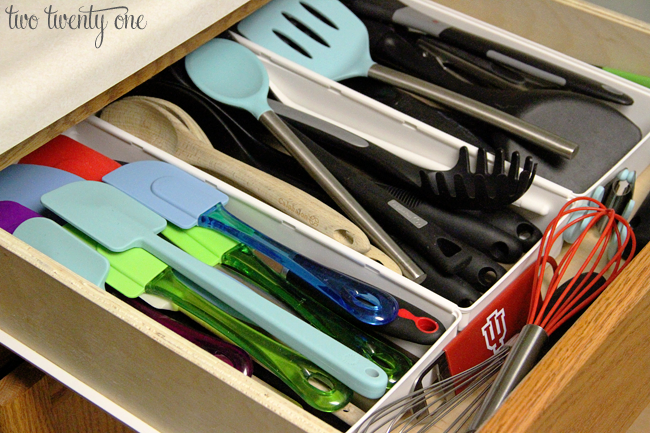
Credit: www.twotwentyone.net
Use Dividers And Trays
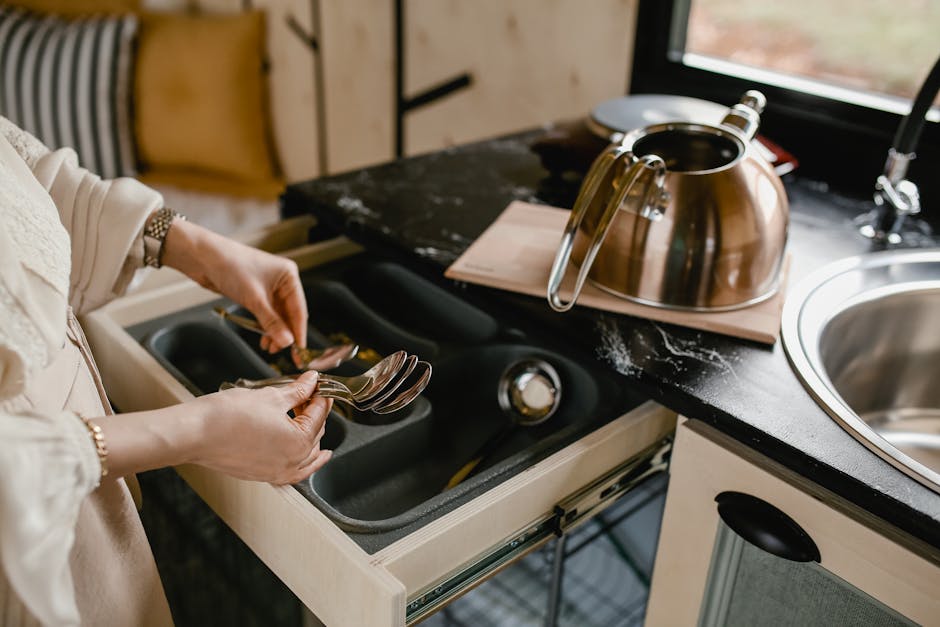
Optimize kitchen drawer space with dividers and trays. They keep utensils neatly separated and easy to find. This simple method prevents clutter and enhances kitchen efficiency.
Organizing kitchen utensils in drawers can transform your cooking space from chaotic to efficient. One effective strategy is to use dividers and trays. These simple tools can help you maintain order and ensure that everything has its place. Imagine opening a drawer and easily finding the spatula without rummaging through a tangled mess. That's the magic of dividers and trays.
Customizable Dividers For Versatility
Using adjustable dividers allows you to customize the drawer layout to fit your specific utensils. Whether you have long spatulas or small measuring spoons, dividers can be adjusted to accommodate them all. This flexibility ensures that each item has a designated spot, reducing clutter and saving time when you need to grab something quickly.
Trays For Easy Access
Trays are perfect for grouping similar items together. Place all your baking tools in one tray and your everyday cooking utensils in another. This method not only keeps things organized but also makes it easy to pull out an entire tray when needed, rather than searching through the whole drawer.
Material Matters
The choice of material for dividers and trays can affect their functionality. Consider using materials like bamboo or plastic, which are easy to clean and maintain. A quick wipe is all it takes to remove crumbs or spills, keeping your kitchen hygienic and tidy.
Maximize Space With Vertical Storage
Think about utilizing vertical space within your drawers. Some trays and dividers come with stacking options, allowing you to store more in less space. This is especially useful in smaller kitchens where every inch counts. Could this be the answer to your storage woes?
Labeling For Clarity
Labeling each section of your drawer can add another layer of organization. This is particularly helpful if multiple people use the kitchen. Labels ensure everyone knows where to return items, maintaining the system you’ve set up.
Test And Adjust
Organizing is not a one-time task. You might find that your initial setup doesn’t work as efficiently as you hoped. Be open to testing different arrangements and adjusting as needed. What might seem perfect in theory could be cumbersome in practice, so don’t hesitate to tweak the layout. Incorporating dividers and trays into your kitchen drawers is a practical step towards a more organized and efficient cooking space. By taking time to arrange your utensils thoughtfully, you can create a system that works for you, making meal prep a breeze. Have you tried organizing your kitchen drawers with dividers and trays? What changes did you notice in your cooking routine?
Maximize Space
Maximizing space in kitchen drawers can transform your cooking experience. A well-organized drawer provides easy access to utensils and enhances efficiency. It's crucial to utilize every inch of space effectively. This section explores practical strategies to make the most of your kitchen drawer space.
Utilize Drawer Dividers
Drawer dividers help separate utensils and prevent clutter. They are adjustable, fitting any drawer size. Dividers keep spatulas, spoons, and forks neatly arranged. This not only maximizes space but also saves time finding what you need.
Vertical Storage Solutions
Consider storing utensils vertically in deep drawers. This method works well for items like ladles and tongs. Vertical storage frees up horizontal space for other essentials. It also makes tall utensils easily accessible.
Group Similar Items Together
Organize utensils by grouping similar items. Place all measuring spoons in one section. Keep knives together in another. This reduces searching time and maintains order. Grouping items also makes it easier to see what you have.
Use Small Containers
Small containers can hold loose items like clips and twist ties. They fit inside drawers, utilizing space efficiently. Containers keep small items from scattering. This adds to a cleaner and more organized appearance.
Consider Custom Inserts
Custom inserts tailor to your specific utensil needs. They ensure everything has a designated spot. Inserts are ideal for uniquely shaped items. With custom inserts, you can maximize space and maintain order effortlessly.
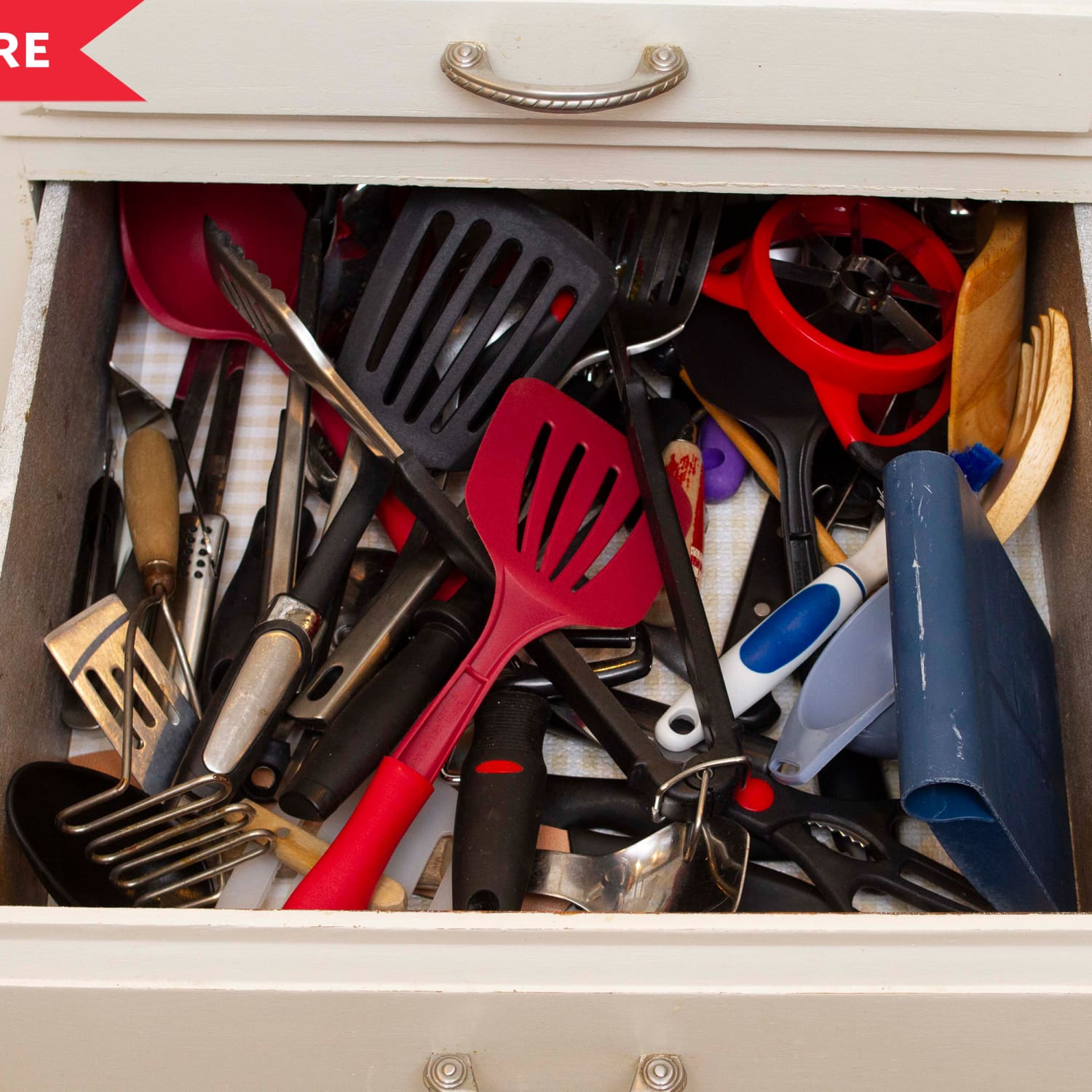
Credit: www.thekitchn.com
Consider Accessibility
Ensure utensils are easy to reach by organizing them in accessible kitchen drawers. Group similar items together for quick access. Use dividers to keep everything neat and tidy.
Organizing kitchen utensils in drawers with accessibility in mind can transform your cooking experience. Imagine reaching for a spoon or spatula and finding it instantly. This not only saves time but makes cooking more enjoyable. Let’s explore some practical tips on making your kitchen more accessible.
Think About Your Cooking Habits
Consider the utensils you use most frequently. Do you often reach for a whisk or a set of tongs? Place these items in the top drawer where they're easy to grab. Items used less frequently can be stored in lower or harder-to-reach drawers. This simple strategy reduces unnecessary movements and keeps your kitchen workflow smooth.
Group Similar Items Together
Group utensils by function to streamline your cooking process. Keep all your cutting tools in one section and stirring tools in another. You can use dividers or small baskets to keep these groups organized. This prevents clutter and ensures you know exactly where each tool is.
Utilize Drawer Organizers
Drawer organizers can be a game-changer in maximizing space. They prevent items from sliding around and help keep everything in place. Adjustable organizers allow customization to fit your needs perfectly. Try different configurations to see what works best for your drawer sizes and utensil collection.
Keep Safety In Mind
Safety is crucial, especially in a busy kitchen. Store sharp items like knives or peelers in a way that minimizes risk. Use knife guards or a designated knife block within the drawer. This not only protects your fingers but also keeps your utensils in good condition.
Regularly Reassess And Declutter
Your needs may change over time, so reassess your utensil organization periodically. Are there items you haven’t used in months? Consider donating or storing them elsewhere. Regular decluttering keeps your kitchen efficient and accessible. By focusing on accessibility, you transform your kitchen into a space that caters to your needs. How will you change your kitchen drawer organization to make your cooking experience more fluid and enjoyable?
Label For Easy Identification
Organize kitchen utensils with clear labels for easy identification. Separate spoons, forks, and knives using small containers. This approach saves time and keeps drawers neat.
Organizing your kitchen utensils can be a game changer for efficiency and ease of cooking. One simple yet effective method is using labels for easy identification. Imagine reaching for a spatula and finding it instantly, rather than rummaging through piles of utensils. Labeling helps you maintain order and saves you time, making your cooking experience more enjoyable.
Why Labeling Matters
Labels aren't just for aesthetics; they serve a practical purpose. They help you quickly identify what you need, reducing the stress of searching. When everything has its place, you’ll find cooking becomes more seamless.
Choosing The Right Labels
Consider using durable labels that can withstand wear and tear. Waterproof labels are ideal for kitchens, where spills are common. You want something that won't fade or peel after a few uses.
How To Create Easy-to-read Labels
Opt for clear, bold fonts that are easy to read at a glance. Color coding can also be helpful. Imagine having blue labels for baking tools and green for cooking utensils. This visual cue speeds up identification.
Placement Is Key
Place labels where they are visible as soon as you open the drawer. A label at the back of a drawer might be missed. Ensure they are positioned at an angle or spot that your eye naturally falls upon.
Involve Your Family
Get your family involved in the labeling process. When everyone knows where things belong, it helps keep the system in place. It also empowers kids to become more independent in the kitchen.
Update As Needed
Your kitchen needs might change over time. Be flexible and update labels as your collection grows or changes. If you add new gadgets, make space and create labels accordingly.
Reflect On Your Organization
Take a moment to consider your current setup. Are there items you can discard or reposition? An organized kitchen drawer can make meal preparation more efficient and enjoyable. Could labeling be the missing piece in your kitchen organization puzzle? By labeling your kitchen utensils, you create a system that works for you and your family. It’s a simple step towards a more organized and functional kitchen.
Maintain The System
Organizing kitchen utensils in drawers can transform your cooking space. But keeping this organization requires consistent effort. Without regular upkeep, clutter can return. A well-maintained system ensures efficiency and peace in your kitchen.
Regularly Clean The Drawers
Set a routine to clean your drawers. Remove crumbs and dust weekly. Use a damp cloth for a quick wipe-down. This keeps your kitchen utensils fresh and hygienic.
Assess And Declutter Frequently
Evaluate the utensils you use often. Remove those you rarely need. Donate or recycle excess items. This frees up space and maintains order.
Reorganize After Use
After cooking, return utensils to their designated spots. This prevents chaos from creeping back. A place for everything, and everything in its place.
Label Your Spaces
Labels can guide family members and guests. They know where items belong. This aids in maintaining the system effortlessly.
Adjust Your System As Needed
Your kitchen needs may change. Be open to adjusting your system. Flexibility ensures your organization remains effective.
Incorporate Creative Solutions
Organizing kitchen utensils in drawers can often feel like a puzzle. It requires more than just placing items randomly. Incorporating creative solutions can transform your drawer space. This approach not only saves time but also enhances the kitchen's aesthetic appeal.
Use Drawer Dividers
Drawer dividers create designated spaces for each utensil. They help prevent clutter. Adjustable dividers offer flexibility for different utensil sizes. Choose dividers made of sturdy materials. This ensures durability and a clean look.
Repurpose Small Containers
Small containers can organize smaller utensils. Think teaspoons and measuring cups. Repurpose old jars or boxes for this purpose. Arrange them neatly in drawers. This method keeps items visible and accessible.
Install A Tiered Organizer
Tiered organizers provide multiple levels of storage. They maximize vertical space efficiently. This solution suits utensils of varying lengths. Place longer tools on the bottom tier. Arrange shorter tools on the top tiers.
Consider Custom Inserts
Custom inserts fit your drawer dimensions perfectly. They hold utensils in designated spots. This reduces movement and mess. Inserts can be wooden or plastic. Choose a design that complements your kitchen.
Label Sections Clearly
Labels help identify utensil sections quickly. Use clear, simple labels for each section. This aids in maintaining order. Labeling is especially useful for shared kitchens. Everyone knows where to find things.
Seek Professional Advice
Consult an expert to effectively arrange kitchen utensils in drawers. They offer practical tips for neat and accessible storage. Expert advice helps avoid clutter and enhances kitchen efficiency.
Organizing kitchen utensils in drawers may seem straightforward, but it can quickly become overwhelming with so many items to consider. If you find yourself stuck, seeking professional advice might be the solution you need. Professionals can provide tailored suggestions, making your kitchen space efficient and aesthetically pleasing.
Benefits Of Professional Advice
Professionals bring expertise that can transform your kitchen organization. They can assess your unique space and needs, offering solutions you might not have considered. This can lead to more efficient storage and access to utensils, saving you time and hassle in the long run.
Finding The Right Professional
Choosing the right expert is crucial. Look for individuals or companies with a proven track record in kitchen organization. Read reviews and ask for recommendations from friends or family. Your kitchen should feel personal, so ensure the professional understands your style and needs.
Cost Vs. Value
Hiring a professional might seem like an added expense, but consider the value it brings. Assess the long-term benefits, such as improved efficiency and reduced clutter. Sometimes, investing upfront can save you money and stress later on.
Questions To Ask
When consulting with a professional, have a list of questions ready. What are their strategies for maximizing space? How do they handle unique utensils or items? Asking the right questions ensures you get the most out of the consultation.
Personal Experience: Worth It?
I once hired a kitchen organizer and was amazed by the results. They suggested drawer dividers I hadn't thought of, making every utensil accessible and neatly stored. This experience taught me the importance of professional insight. Have you considered what a professional could do for your kitchen? Seeking professional advice might be the key to unlocking a more organized and functional kitchen. Consider the expertise and personalized approach they offer—your kitchen drawers could be transformed more than you imagined.
:max_bytes(150000):strip_icc()/CE_qiGM4-e5468f83f50048f8b28053d661e64d98.jpeg)
Credit: www.allrecipes.com
Frequently Asked Questions
How Do I Start Organizing Kitchen Utensils?
Begin by emptying your drawers and sorting utensils. Group similar items together, such as spoons, forks, or knives. Evaluate what you use daily versus occasionally. Consider purging duplicates or unused items. Use drawer organizers to maintain order and maximize space.
Regularly reassess and rearrange to maintain efficiency.
What Are The Best Drawer Organizers For Utensils?
Choose adjustable dividers for flexibility and tailored organization. Look for sturdy materials like bamboo or plastic. Consider expandable organizers to fit varying drawer sizes. Ensure compartments are deep enough to hold larger utensils. Opt for easy-to-clean designs to maintain hygiene.
Evaluate your utensil collection to select the best fit.
How Can I Maximize Drawer Space Efficiently?
Use vertical stacking for flat utensils like spatulas or spoons. Employ tiered organizers to layer items without clutter. Consider rolling or folding smaller tools to save space. Utilize drawer dividers for clear separation. Regularly declutter to ensure only necessary items remain.
Customize solutions based on your specific utensil needs.
Should I Categorize Utensils By Use Or Type?
Categorizing by use is practical for efficiency. Group frequently used items together for easy access. Separate baking tools from cooking utensils for clarity. If space allows, categorize by type for a visually organized look. Adapt based on your cooking habits and drawer space available.
Experiment to see what works best for you.
Conclusion
Organizing kitchen utensils in drawers is easier than it seems. Start with a plan. Group similar items together. Use dividers for better order. Label sections if needed. Make cleaning simple. Arrange frequently used tools in accessible spots. Keep clutter to a minimum.
Enjoy a neat and functional kitchen space. A tidy drawer enhances cooking efficiency. Spend less time searching for tools. More time for creating delicious dishes. Embrace simplicity and organization. Your kitchen will thank you. Remember, small changes make a big difference.
Happy organizing!