Do your deep narrow kitchen cabinets feel more like a black hole than a storage solution? You’re not alone.
Many people struggle with organizing these tricky spaces. But with a little creativity, you can transform them into functional and efficient areas. Imagine opening your cabinet doors to neatly arranged rows of spices, pots, and pans, all within easy reach.
Doesn’t that sound satisfying? Knowing how frustrating it can be to rummage through clutter, this guide is here to help you reclaim your kitchen space with simple and effective tips. Get ready to turn chaos into order and enjoy a kitchen that works for you. Dive in to discover how to make the most of your deep narrow cabinets—your future self will thank you!
Credit: theorganisedhousewife.com.au
Assessing Your Space
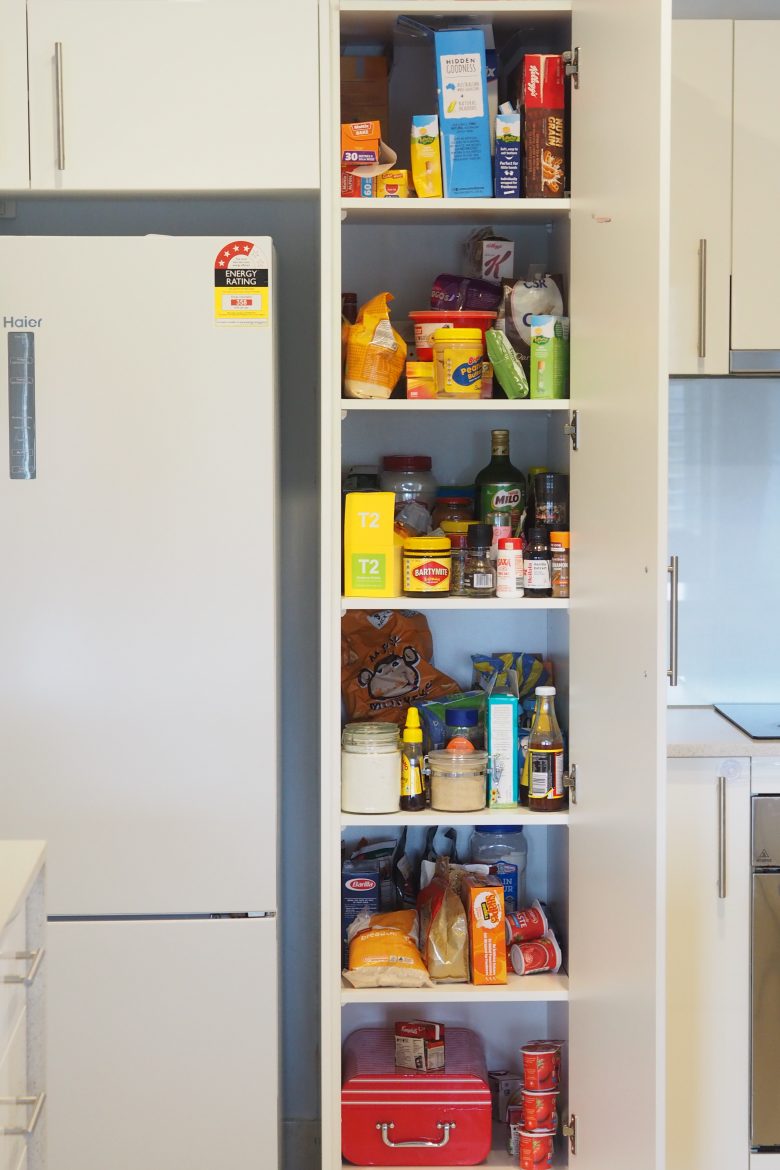
Deep narrow kitchen cabinets often become a source of frustration. Items disappear into the abyss, never to be found again. To tackle this issue, the first step is assessing your space. Understanding your cabinet's dimensions and challenges can transform storage woes into a well-organized haven.
Understanding Cabinet Dimensions
Measure the depth and height of your cabinets. Use a tape measure for accurate results. Knowing these numbers helps in selecting suitable storage solutions. Consider the vertical space as well. Tall cabinets offer opportunities for tiered storage or stacking items.
Identifying Problem Areas
Look for sections where items often get lost. These could be corners or the back of the cabinet. Recognizing these areas allows you to focus on making them more accessible. Think about visibility and ease of access.
Taking Inventory Of Items
List everything stored in your cabinets. This includes pots, pans, and small appliances. Having a clear idea of what's inside aids in organizing. You might find duplicate items or things you never use. Consider donating or repurposing these.
Evaluating Storage Needs
Consider how often you use each item. Frequently used items should be easy to reach. Rarely used items can be stored further back or higher up. Think about creating zones for different types of items.
Planning For Accessibility
Think about how you move in your kitchen. Easy access can make cooking and cleaning more efficient. Plan for quick access to daily-use items. Use pull-out shelves or lazy Susans for deep cabinets.
Prioritizing Kitchen Essentials
Organize deep narrow kitchen cabinets by prioritizing essentials. Use stacking shelves and clear containers for better visibility. Label items for easy access and consider rotating rarely used items to the back.
Organizing deep narrow kitchen cabinets can be a daunting task, especially when you're trying to make the most of every inch of space. A crucial step in this process is prioritizing your kitchen essentials. It's easy to get lost amidst the clutter, but honing in on what you truly need can transform your kitchen into a streamlined, efficient space. Imagine reaching for a spice or utensil and finding it instantly. This is the goal, and it starts with identifying what's essential for your daily cooking routine.
Identify Your Daily Necessities
Begin by taking a moment to think about what you use every day. Is it your favorite skillet, a trusty spatula, or a specific set of measuring cups? These items should be at the forefront of your cabinet organization. Place them where you can access them easily, reducing the time spent searching during cooking.
Evaluate Seasonal Items
Consider the items you use less frequently, like holiday baking tools or special occasion serving platters. These can be stored towards the back or in less accessible areas of your cabinets. By doing this, you make room for the essentials up front, while still keeping occasional items on hand for when they're needed.
Utilize Vertical Space
Many kitchen cabinets are deeper than they are wide, which can lead to wasted vertical space. Use shelf risers to stack plates or bowls, and consider hanging racks for pans. This makes it possible to store more items without losing sight of your essentials.
Think About Accessibility
Reflect on how your kitchen flow operates. Are certain items constantly being moved around to reach others? This can indicate that your organization isn't quite right. Aim to keep everyday items at eye level or within easy reach. You want your cooking process to be as smooth as possible.
Challenge Yourself To Simplify
How often do you actually use that fancy gadget or rarely-seen cookbook? Challenge yourself to simplify your selection. By reducing what you store, you make room for what truly matters. Ask yourself: Do you really need three sets of mixing bowls? Remember, organizing is not a one-time task. It requires regular reassessment to maintain a functional space. Engage with the process and you'll find your kitchen not only looks better, but works better too.
Utilizing Vertical Space
Deep narrow kitchen cabinets often feel like a puzzle. The key is maximizing vertical space effectively. This approach helps you store more items in a compact area. Strategic organization can transform your kitchen into a neat, accessible space.
Adding Adjustable Shelves
Adjustable shelves provide flexibility. These shelves allow you to tailor the space according to your needs. You can place taller items on one side. Shorter items fit nicely on the other side. This setup ensures everything has a designated spot.
Consider the materials of your shelves. Metal or wood shelves are sturdy choices. They hold various kitchen items securely. Adjusting them is simple. This makes it easy to change the layout whenever you need.
Incorporating Stackable Bins
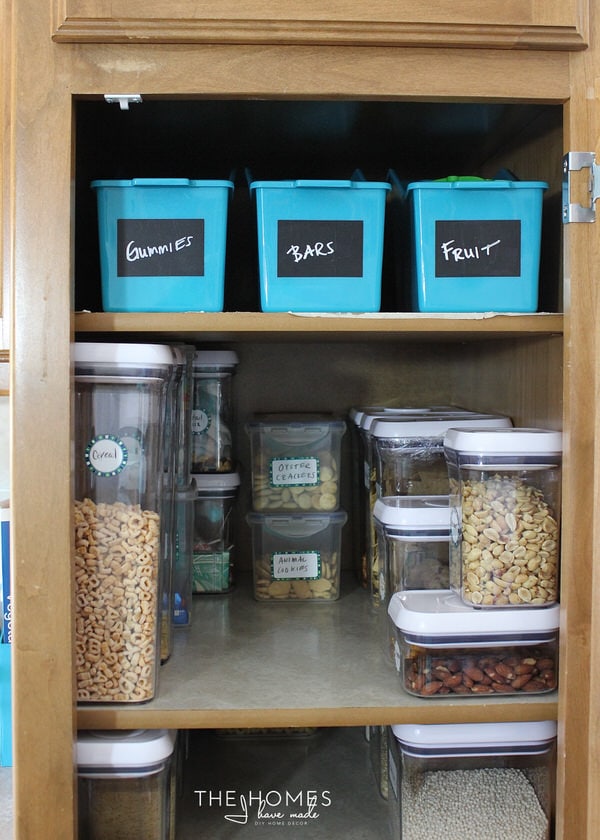
Stackable bins offer a tidy solution. They help you use every inch of space efficiently. You can organize them by category. This means items like spices or canned goods stay grouped together.
Choose transparent bins. They let you see inside without opening them. This saves time when searching for ingredients. Label each bin for easy identification. This keeps your kitchen organized and functional.
Stackable bins are versatile. They fit into different cabinet sizes. This adaptability is perfect for deep narrow spaces. Arrange them in a way that suits your cooking habits.
Credit: thehomesihavemade.com
Implementing Pull-out Solutions
Organize deep narrow kitchen cabinets by incorporating pull-out solutions. These systems transform cluttered spaces into neatly arranged storage areas. Easily access items and maximize cabinet space with pull-out drawers and shelves.
Organizing deep narrow kitchen cabinets can be a daunting task. If you've ever struggled to retrieve that elusive spice jar or found yourself on your hands and knees reaching for a forgotten pot, you're not alone. Implementing pull-out solutions can transform your kitchen experience, making it both functional and enjoyable.
Installing Sliding Trays
Sliding trays are a game-changer for deep cabinets. They allow you to access items at the back without having to remove everything in front. Imagine smoothly pulling out a tray to find your favorite baking dish right at your fingertips. Installing them is relatively straightforward, even for a beginner. Most sliding trays come with easy-to-follow instructions, and you only need a few basic tools. The key is to measure your cabinet dimensions accurately before purchasing the trays. Consider trays with adjustable dividers. They offer flexibility for storing different items, from pots and pans to canned goods. This approach keeps your kitchen organized and clutter-free.
Using Pull-out Baskets
Pull-out baskets bring a touch of elegance and practicality to your cabinets. They are perfect for storing produce or pantry items that you need to access frequently. Picture yourself effortlessly pulling out a basket filled with fresh fruits and vegetables, ready to be washed and prepared. When choosing pull-out baskets, opt for wire or mesh designs. These allow you to see what’s inside at a glance, saving you time and effort. Plus, they ensure air circulation, which is ideal for keeping produce fresh. Installing pull-out baskets can be a weekend DIY project. Secure them with sturdy brackets to ensure they glide smoothly. Consider labeling baskets for even more efficiency—labels can help everyone in your household find what they need quickly. Have you tried any pull-out solutions in your kitchen? The satisfaction of reaching for an item without digging through clutter can’t be overstated. Implementing these solutions not only maximizes your space but also enhances your cooking experience.
Optimizing Door Storage
Deep narrow kitchen cabinets can be tricky. Optimize door storage for efficient use of space. Utilize the cabinet doors to create extra storage solutions. This simple trick can transform your kitchen organization.
Attaching Hooks And Racks
Hooks and racks are versatile. Attach them to the inside of cabinet doors. They provide convenient storage for utensils. Use them to hang measuring spoons or small kitchen tools. It keeps these items accessible and tidy. Different styles and sizes are available. Choose hooks and racks that suit your needs. Ensure they are sturdy enough for the items you plan to hang. This method is straightforward and effective.
Mounting Spice Racks
Spices often clutter kitchen cabinets. Mount spice racks on cabinet doors to solve this. Choose slim racks that fit within the door space. Arrange spices neatly and keep them visible. This setup saves time during cooking. Check the size of your spice jars. Ensure the racks can accommodate them. Consider adjustable racks for flexibility. This approach keeps spices organized and easy to reach.
Maximizing Corner Cabinets
Corner cabinets often pose a challenge in kitchen organization. Their deep, narrow spaces can become a cluttered mess quickly. But with a few smart strategies, these awkward spaces can become highly functional. Transform your corner cabinets into efficient storage areas. Utilize clever solutions that make every inch count.
Lazy Susan Options
A Lazy Susan can be a great choice for corner cabinets. It provides easy access to items stored in deep corners. Opt for a two-tier Lazy Susan for more storage space. This way, you can organize your spices, jars, and cans. Choose one with a non-slip surface to prevent spills. Consider adjustable shelves for more flexibility. This solution helps maintain order and visibility in your cabinets.
Corner Drawers Ideas
Corner drawers offer a practical way to use corner spaces. These drawers pull out diagonally, maximizing space. Install deep corner drawers for storing pots and pans. Shallow ones work well for utensils and kitchen gadgets. They provide easy access without the need to dig around. Opt for soft-close mechanisms for smooth operation. This approach keeps your kitchen tidy and efficient.
Labeling And Categorizing
Organizing deep, narrow kitchen cabinets starts with labeling and categorizing items for easy access. Group similar kitchen tools together. Use bins and labels to identify contents. This simplifies finding items quickly.
Organizing deep, narrow kitchen cabinets can seem like a daunting task, but labeling and categorizing can transform chaos into order. This process not only saves time but also reduces stress while cooking. Imagine opening your cabinet and immediately finding what you need. Let’s dive into some practical strategies that will make this dream a reality.
Using Clear Containers
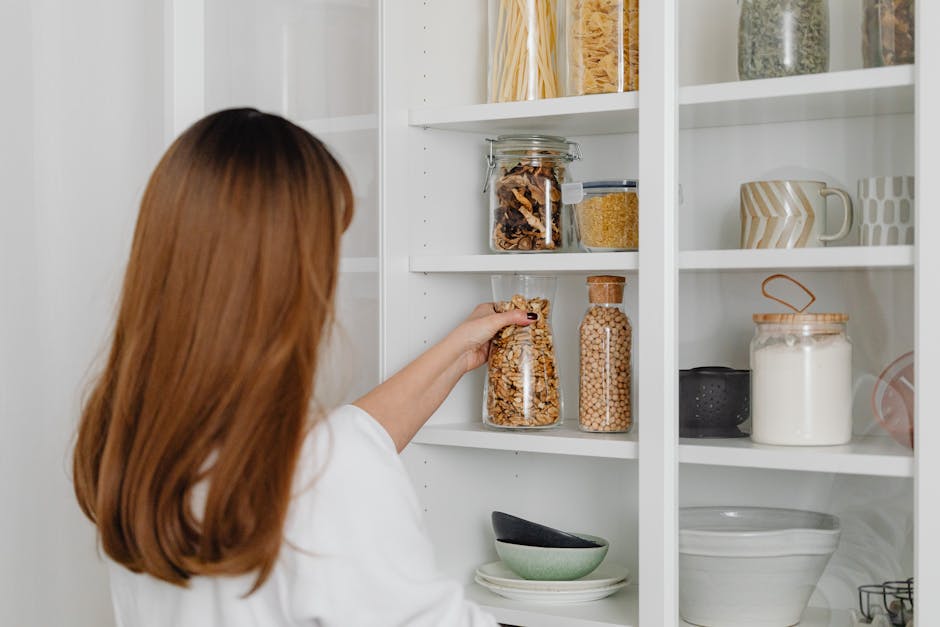
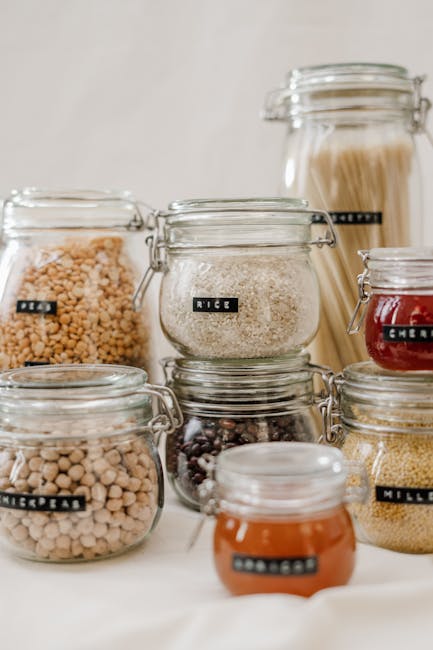
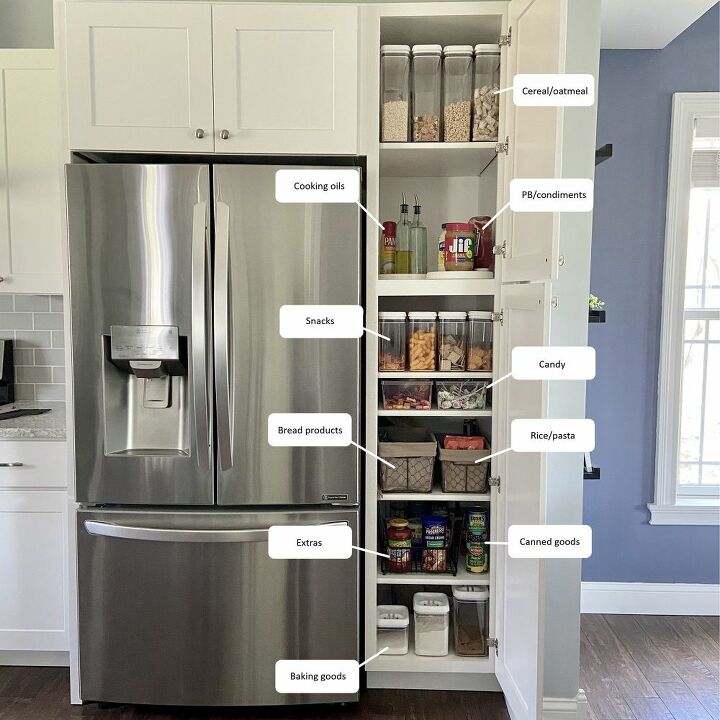
Clear containers are game-changers for organizing. They allow you to see what you have at a glance, eliminating the need to pull everything out to find a single item. Choose stackable containers to maximize vertical space in those deep cabinets. Label each container with its contents and expiration date. This helps you keep track of pantry staples and ensures nothing goes to waste. Using a consistent labeling system, like a label maker or even masking tape and a marker, keeps everything uniform and easy to read.
Creating Categories
Categorizing is essential for maintaining order. Group similar items together, such as baking supplies, canned goods, or snacks. This way, you know exactly where to look when you need something. Ask yourself, what categories make sense for your cooking habits? Maybe you have a lot of spices or baking ingredients. Tailor the categories to fit your needs and lifestyle. Consider using dividers or baskets to separate categories within each shelf. This prevents items from getting mixed up and makes it easier to pull out a whole section at once. The goal is to simplify access and save you time. By focusing on labeling and categorizing, you can transform your deep, narrow kitchen cabinets into a well-organized space. What small changes will you make today to improve your kitchen experience?
Maintaining Organization
Keeping deep narrow kitchen cabinets organized requires ongoing attention. Without regular maintenance, clutter can easily return. By implementing simple strategies, you can keep your cabinets neat and functional. Explore methods to ensure long-lasting organization in your kitchen.
Regularly Reviewing Contents
Set aside time each month to review cabinet contents. This helps identify items you no longer need. Remove expired or unused items promptly. This prevents unnecessary clutter from accumulating.
Consider seasonal changes in your kitchen habits. Adjust contents accordingly. This ensures your cabinets remain relevant to your current needs.
Implementing A Rotation System
Arrange items based on usage frequency. Place frequently used items in front. Store less-used items towards the back. This system ensures easy access to your essentials.
Rotate items periodically to prevent them from being forgotten. This encourages the use of all stored items. It also prevents waste from expired products.
Credit: www.hometalk.com
Frequently Asked Questions
How Do I Maximize Cabinet Space?
Start by using adjustable shelves to customize space. Utilize stackable containers and baskets for organization. Consider adding pull-out racks or lazy Susans for easy access. Labeling items can help maintain order and ensure efficient use of space.
What Tools Help Organize Deep Cabinets?
Pull-out drawers and lazy Susans are great for deep cabinets. Use dividers to separate items and prevent clutter. Stackable containers can maximize vertical space. Consider installing tiered racks for easier access to stored items.
How To Store Pots And Pans Efficiently?
Use pot racks or hooks to hang pots and pans. Stackable cookware organizers can maximize vertical space. Consider pull-out shelves for easy access. Arrange items by size and frequency of use for efficient storage.
Can I Use Baskets In Narrow Cabinets?
Yes, baskets are perfect for narrow cabinets. They help group similar items and keep them organized. Use labeled baskets to quickly find what you need. Opt for stackable or sliding baskets to maximize space and accessibility.
Conclusion
Organizing deep, narrow kitchen cabinets can be simple. Start by removing clutter. Use clear bins for visibility. Label everything clearly. Prioritize items you use often. Store less-used items in the back. Consider using shelf risers or lazy Susans. Keep similar items together for easy access.
Regularly clean and reassess your space. A tidy kitchen makes cooking enjoyable. With these tips, you can maximize cabinet space. Enjoy a more efficient kitchen routine. Remember, small changes make a big difference. Stay patient and adjust as needed. Happy organizing!