Are you tired of feeling overwhelmed every time you step into your kitchen? Imagine having a space where everything has its place, and cooking feels effortless.
Organizing your kitchen into zones can transform the way you cook and interact with your space. By creating designated areas for specific tasks, you’ll streamline your workflow and make meal prep a breeze. In this guide, you'll discover simple strategies to categorize your kitchen like a pro, minimizing clutter and maximizing efficiency.
Say goodbye to the chaos and hello to a kitchen that works for you. Ready to revolutionize your cooking experience? Let’s dive in and unlock the secrets to a perfectly organized kitchen!

Credit: thecrownedgoat.com
Kitchen Zones Concept
Organizing your kitchen into zones can transform your cooking experience and efficiency. The concept revolves around grouping items based on their function, creating dedicated spaces for various tasks. This approach can minimize clutter and streamline meal preparation. Imagine having all your baking essentials in one spot or your chopping tools within arm's reach. It makes kitchen tasks more intuitive and enjoyable.
The idea of kitchen zones is simple yet effective. Consider your kitchen as a series of mini-stations. Each zone serves a specific purpose, whether it's cooking, cleaning, or storage. By grouping related items together, you make your kitchen more functional.
Think about how you move around your kitchen. Do you often find yourself searching for utensils or ingredients? Organizing your kitchen into zones will save you time and energy. You'll know exactly where to find what you need.
Imagine the ease of having all your spices in one place when you're cooking. Or how about a coffee station where everything is ready for your morning brew? These are just a few benefits of zoning your kitchen.
Cooking Zone
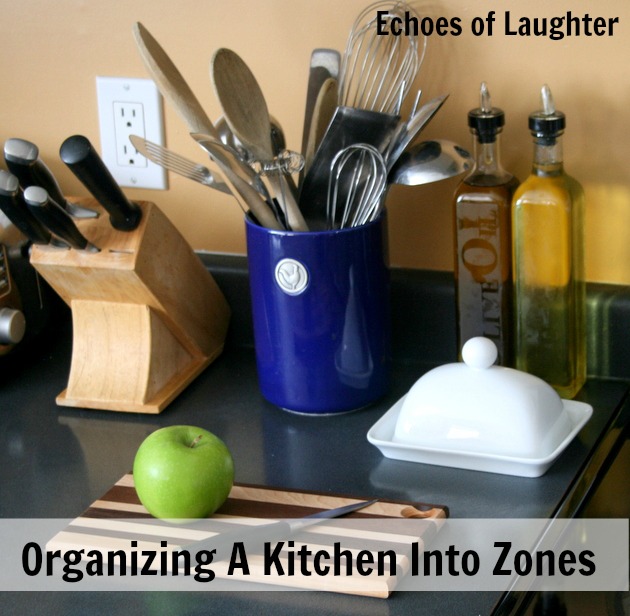
The cooking zone is where the magic happens. It's your command center for creating delicious meals. Place pots, pans, and cooking utensils near the stove. Keep oils and spices within easy reach.
Consider installing a small shelf or rack for frequently used items. This way, you won't have to rummage through drawers while your dish is in progress. It’s about making cooking seamless and stress-free.
Preparation Zone
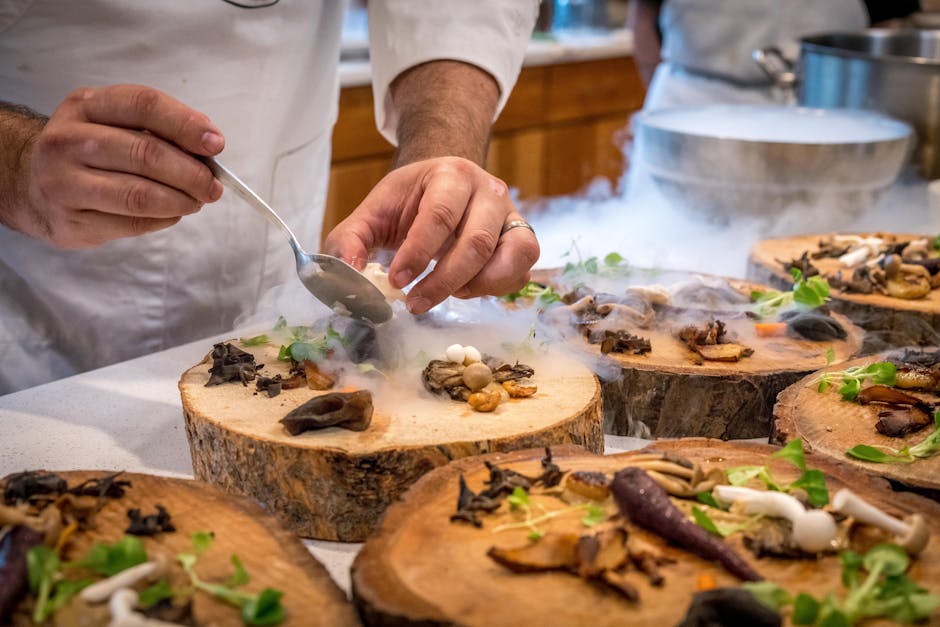
Your preparation zone is all about efficiency. Here, you'll have cutting boards, knives, and mixing bowls. This is where the chopping, slicing, and dicing takes place.
Keep this area clutter-free by using drawer dividers or wall hooks. Organize your tools so they're easy to grab when you're in the middle of meal prep. This zone should be near the fridge for easy access to fresh ingredients.
Cleaning Zone
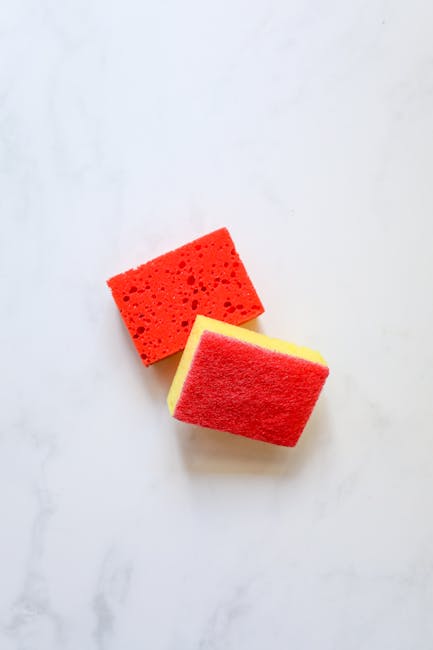
The cleaning zone is your sink area. It's where you wash dishes, clean veggies, and tidy up after cooking. Keep dish soap, sponges, and towels within easy reach.
Consider installing a pull-out trash bin nearby. This makes discarding waste quick and convenient. Having a well-organized cleaning zone ensures you can clean as you go, keeping your kitchen tidy.
Storage Zone
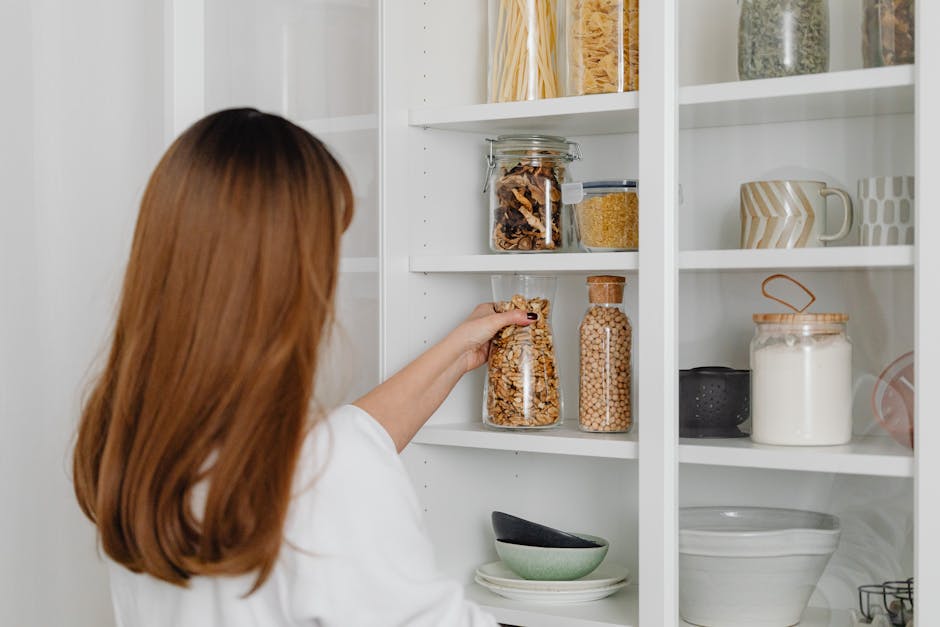
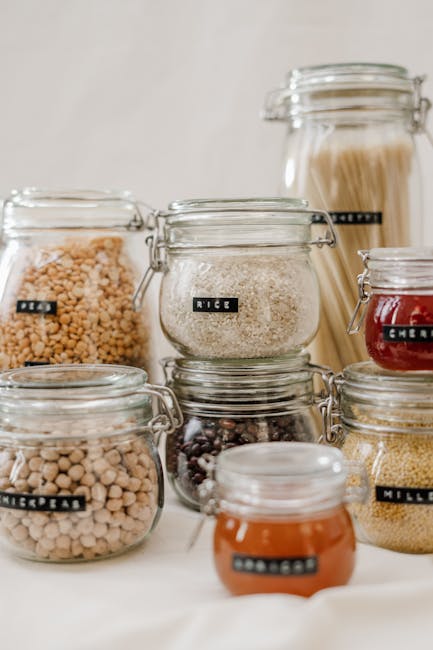
The storage zone is crucial for organization. It's where you keep pantry items, canned goods, and dry ingredients. Use clear containers for easy identification of contents.
Think about shelving units or adjustable racks to maximize space. Keep frequently used items at eye level for easy access. Label containers to avoid confusion and maintain order.
As you organize your kitchen into zones, think about what works best for your cooking style. How can you make your kitchen more intuitive? What small changes can have a big impact on your daily routine?
Remember, the goal is to make your kitchen a space where you enjoy spending time. By creating zones, you simplify your tasks, making cooking more enjoyable and efficient. What changes will you make today to transform your kitchen into a well-organized haven?
Assessing Your Space
Organizing your kitchen into zones is a great way to streamline your cooking process and create a more efficient space. A crucial first step in this transformation is assessing your space. Understanding the layout and flow of your kitchen can make all the difference in creating zones that work for you. Before you start moving things around, take a moment to truly understand what you have to work with.
Measuring Your Kitchen
Begin by measuring your kitchen. Grab a tape measure and note down the dimensions of your space. This includes counter space, cabinets, and any unique features like islands or nooks. Knowing the exact size helps you plan where to place each zone effectively.
Consider the height of your cabinets and counters. Can you reach everything comfortably? This is particularly important for overhead storage. You might need a step stool for taller cabinets, or perhaps it's time to reorganize so that frequently used items are easier to reach.
Don't forget to account for appliances. They can take up considerable space, and knowing their dimensions allows you to plan your zones without running into trouble later.
Identifying High-traffic Areas
Next, identify high-traffic areas in your kitchen. These are spots where you and your family spend the most time, like the sink, stove, and refrigerator. Observe the natural flow of movement as you cook and clean.
Think about how you move from one task to another. Is there a particular path you follow? This insight can help you place your zones where they won't interrupt the flow, ensuring an efficient and pleasant kitchen experience.
Consider how often you use certain areas. For example, is your coffee maker near the mugs, or do you find yourself crossing the kitchen every morning? Aligning zones with high-traffic areas can enhance functionality.
As you assess your space, ask yourself: How can I make this kitchen work better for me? Identifying these key areas is the first step in creating a kitchen that supports your lifestyle.
Creating Cooking Zones
Organize your kitchen into cooking zones by grouping similar tasks together. Keep prep, cooking, and storage areas separate for efficiency. This method saves time and makes meal preparation smoother.
Creating Cooking Zones in your kitchen enhances efficiency and joy. A well-organized kitchen makes meal preparation stress-free. Divide your kitchen into zones to streamline tasks. Each zone serves a specific purpose, reducing clutter and confusion. Let’s dive into the essentials of establishing cooking zones.
Setting Up Prep Areas
Designate a space for food preparation. Place it near the fridge or pantry. Ensure easy access to ingredients. Use counter space wisely. Keep cutting boards and knives handy. Store measuring cups and spoons within arm's reach. Organize bowls and mixing utensils nearby. This setup saves time and energy. You’ll enjoy a smoother cooking process.
Organizing Cooking Supplies
Arrange pots, pans, and utensils close to the stove. Store frequently used items within easy reach. Hang utensils for quick access. Use drawer dividers for smaller tools. Keep spices and oils near the cooking area. This prevents unnecessary movement. It maintains focus on cooking tasks. Group similar items together for clarity. This organization reduces cooking time. You’ll find cooking more enjoyable and efficient.
Designing Cleaning Zones
Creating a well-organized kitchen is about efficiency and harmony. One crucial aspect is designing cleaning zones. These zones help streamline tasks, making your kitchen a pleasant place. A dedicated cleaning zone ensures that everything is in its place. You save time and effort. It brings order to your daily routine.
Placing Cleaning Supplies
Keep cleaning supplies within easy reach. Store them near the sink or dishwasher. Use a cabinet or a small shelf. Include dish soap, sponges, and brushes. Keep a spray bottle for quick clean-ups. Ensure the supplies are organized neatly. This setup reduces clutter. It also saves time during cleanup tasks.
Efficient Dishwashing Setup
Position your dishwasher close to the sink. This setup minimizes movement. It also speeds up the dishwashing process. Arrange dishes and utensils nearby. Use racks or cabinets for storage. Keep a drying rack next to the sink. This helps with quick drying and organizing. A well-planned dishwashing zone improves workflow. It makes post-meal cleanup less stressful.
Establishing Storage Zones
Organizing your kitchen into zones enhances efficiency and ease. Allocate specific areas for cooking, cleaning, and storing items. This method simplifies meal preparation and keeps clutter at bay.
Establishing storage zones in your kitchen can transform your cooking experience. Imagine opening a drawer and immediately finding the spatula you need or reaching for a can of beans without a scavenger hunt. It’s all about organizing your kitchen into zones that make sense. By dedicating specific areas for different items, you’ll save time and reduce stress. Let's dive into how you can optimize your pantry space and arrange your cabinets and drawers effectively.
Optimizing Pantry Space
Your pantry can be a treasure trove or a cluttered mess. Organizing it starts with categorizing food items. Group canned goods, dry foods, and snacks separately. This way, you can quickly locate what you need. Consider using clear containers for cereals and grains. They not only keep food fresh but also let you see exactly what’s inside. Labeling is key here. Use vertical storage solutions. Stackable shelves can help utilize every inch of space. Hanging organizers on the door can store smaller items like spices or snacks.
Arranging Cabinets And Drawers
Cabinets and drawers are the backbone of your kitchen storage. Start by assessing what you use most frequently. Place these items within easy reach. Use drawer dividers for utensils. These keep everything in order and prevent clutter. You’ll never have to dig through piles of cutlery again. Store pots and pans by size. Nested stacks save space and make access easier. Use cabinet hooks to hang lids, maximizing space and minimizing hassle. Think about the last time you cooked a meal. How many times did you pause to find something? Arranging your kitchen into zones can eliminate these interruptions. Each zone should cater to specific needs, making cooking a breeze. What changes will you make to streamline your kitchen experience?
:strip_icc()/organize-your-pantry-by-zones-01-a6967797e62242518640385376099ef3.jpg)
Credit: www.bhg.com
Designing Serving Zones
Organizing your kitchen into serving zones boosts efficiency. Arrange utensils and ingredients near cooking areas. Divide spaces for prepping, cooking, and storing to streamline meal preparation.
Designing Serving Zones in your kitchen can transform your meal times and make everything from quick breakfasts to elaborate dinners more efficient. By organizing specific areas for serving, you streamline the process and reduce the chaos that often accompanies meal preparation. Imagine effortlessly moving from one task to the next, with everything you need right at your fingertips.
Arranging Dining Utensils
Start by designating a drawer or cabinet near your dining area for utensils. Group similar items together, such as forks, knives, and spoons. Use drawer organizers or dividers to keep everything tidy and accessible. Consider the frequency of use when placing items. Utensils you use daily should be within easy reach, while those reserved for special occasions can be stored slightly out of the way. This simple strategy can save you time and effort during meal setups. Labeling can also be helpful, especially if you share your kitchen with family or roommates. Clear labels ensure everyone knows where to find and return items, maintaining order in the long run.
Setting Up Beverage Stations
Creating a dedicated beverage station can elevate your kitchen’s functionality and charm. Select a spot that's easily accessible, ideally near the refrigerator or a water source. This will become the go-to place for morning coffees, evening teas, and everything in between. Equip your station with essentials like coffee mugs, tea bags, and a small kettle or coffee maker. You might also include a mini fridge for milk or cream, keeping your beverage needs centralized. If space allows, add a few fun extras. A jar of cinnamon sticks or a small dish of sweeteners can add a touch of luxury to your daily routine. Are there any special touches that would make your beverage station uniquely yours? Organizing your kitchen into serving zones is not just about efficiency but also about creating an environment that feels good to work in. What changes can you make today that will enhance your kitchen experience?
Incorporating Safety Zones
Creating safety zones in your kitchen ensures a well-organized space. Divide areas for cooking, cleaning, and food storage. This setup helps avoid accidents and makes tasks easier.
Creating a safe kitchen environment is essential, not only for efficient cooking but also to prevent accidents. Organizing your kitchen into specific safety zones can make a big difference. This approach ensures that safety is prioritized while maintaining functionality. Let’s dive into some strategies to keep your kitchen a safe haven for everyone.
Child-proofing Strategies
Children are naturally curious, and the kitchen is full of intriguing items. Start by securing cabinets and drawers with child-proof locks. Store sharp objects like knives and scissors in high cabinets or drawers with safety latches. Consider placing non-slip mats on the floor to prevent falls, especially near the sink or stove. Use stove knob covers and keep appliance cords out of reach. Is there a way to involve your children in cooking without compromising their safety?
Fire Safety Measures
Fire hazards are a significant concern in the kitchen. Ensure your fire extinguisher is easily accessible and everyone in the household knows how to use it. Install a smoke detector nearby and test it regularly to ensure it’s working properly. Keep flammable items like dish towels and paper towels away from the stove. Consider the placement of your cooking appliances; make sure they're not too close to other items that might catch fire. Have you ever thought about how quickly a small flame can turn into a big problem? By focusing on these safety zones, you can transform your kitchen into a safer space without sacrificing its functionality. Implementing these strategies will give you peace of mind and allow you to enjoy your time in the kitchen, knowing that safety is a priority.
Credit: echoesoflaughter.ca
Maintaining Kitchen Zones
Maintaining kitchen zones keeps your space efficient and tidy. Organized zones help you find items quickly. They also make cooking and cleaning easier. To keep these zones effective, follow a regular cleaning schedule. Consider seasonal reorganization too. These steps ensure your kitchen stays in top shape.
Regular Cleaning Schedule
Set a weekly cleaning routine for each zone. Clean countertops and wipe shelves. This prevents clutter from building up. Focus on one zone at a time. It makes the task less overwhelming. Regular maintenance keeps the kitchen fresh. Organized spaces reduce stress while cooking.
Seasonal Reorganization Tips
Reorganize your kitchen zones with the seasons. Adjust storage for seasonal items. Move summer items to the back during winter. Bring winter essentials forward. This method keeps your kitchen relevant. It also makes items accessible when needed. Fresh arrangements boost kitchen efficiency.
Frequently Asked Questions
What Are Kitchen Zones?
Kitchen zones are areas designated for specific tasks, like cooking, prepping, and storage. Organizing your kitchen into zones enhances workflow and efficiency. It helps in minimizing clutter and makes it easier to find items quickly. Establishing zones can streamline your cooking process and make meal preparation more enjoyable.
How To Identify Kitchen Zones?
Identify kitchen zones by analyzing your daily tasks. Common zones include cooking, prepping, cleaning, and storing. Assess your kitchen layout and determine where each activity naturally occurs. Group items by their function to create clear zones. This improves accessibility and makes your kitchen more organized and efficient.
Why Organize A Kitchen Into Zones?
Organizing your kitchen into zones boosts efficiency and reduces clutter. It allows you to quickly find and access items needed for specific tasks. This organization method enhances workflow, making meal preparation faster and more enjoyable. A zoned kitchen can also improve safety by minimizing the need to move around frequently.
How To Maximize Small Kitchen Space With Zones?
Maximize small kitchen space by clearly defining zones for specific tasks. Utilize vertical storage and multifunctional furniture to save space. Keep frequently used items within easy reach. Use organizers and containers to maintain order. An organized, zoned kitchen can create a spacious feel even in small areas.
Conclusion
Organizing your kitchen into zones simplifies cooking and cleaning. Each zone serves a purpose. Cooking, prep, and storage all have their place. This setup saves time and reduces stress. You find items quickly and easily. Meal prep becomes smooth and efficient.
Your kitchen feels more welcoming and functional. Start small, with one zone at a time. Gradually, your entire kitchen will transform. Enjoy a neat, orderly space. It makes everyday tasks a breeze. Plus, it's easy to maintain. Keep your kitchen tidy and efficient with these simple steps.
A well-organized kitchen truly enhances daily life.