Is your kitchen feeling a bit cluttered? Are your open shelves more chaotic than charming?
If you find yourself constantly searching for that missing spice jar or wondering where you put your favorite mug, you're not alone. Organizing open shelves in your kitchen can transform the space from overwhelming to welcoming, making cooking and entertaining a breeze.
Imagine easily finding everything you need, when you need it, all while showcasing your beautiful kitchenware. In this guide, you'll discover simple yet effective strategies to turn your open shelves into a functional and stylish part of your home. Ready to create a kitchen that reflects your personality and meets your needs? Let's dive in and get those shelves sorted!
Benefits Of Open Shelving
Open shelving in the kitchen offers a fresh and modern look. It combines style with functionality, providing a unique way to display and store items. Many people find open shelves more flexible and accessible than traditional cabinets. Let’s explore the benefits of open shelving in your kitchen.
1. Easy Access And Visibility
Open shelves make it easy to grab what you need quickly. Everything is visible and within reach. This can speed up meal prep and cooking tasks. You no longer have to hunt through closed cabinets.
2. Space Optimization
Open shelving helps utilize every inch of space. It makes your kitchen appear larger and more open. You can adjust shelves to fit different items, maximizing storage.
3. Aesthetic Appeal
Open shelves add a stylish touch to your kitchen. Display colorful dishes, glassware, or cookbooks. This creates a personalized and welcoming environment.
4. Cost-effective
Open shelving is usually more affordable than closed cabinets. You save money without sacrificing style. It’s a budget-friendly way to upgrade your kitchen.
5. Encourages Organization
With everything on display, you’re more likely to keep things tidy. Open shelves motivate you to organize items neatly. This can lead to a more efficient kitchen space.
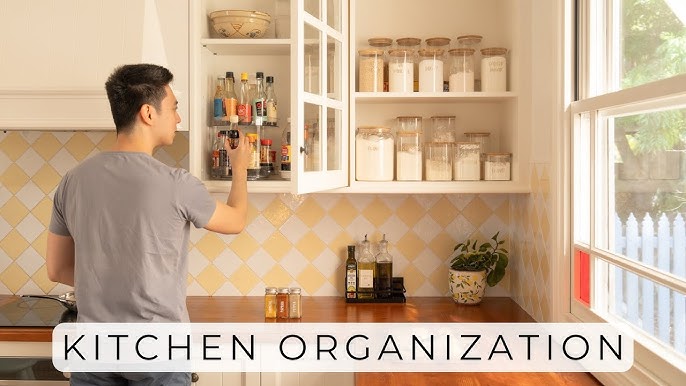
Credit: m.youtube.com
Assessing Your Storage Needs
Maximize kitchen space by assessing storage needs. Group similar items together for easy access. Use baskets and jars to keep everything tidy and visually appealing.
Organizing open shelves in your kitchen can transform the space into a functional and stylish area. But before you start rearranging, it's crucial to understand your storage needs. Taking a moment to evaluate what you have and what you need can save you time and effort in the long run. This assessment allows you to create a system that works for you and your kitchen's unique layout. Dive into the process with these practical steps.
Identify Your Essentials
Consider what items you use most frequently. Are there certain dishes, spices, or appliances that you reach for every day? Prioritize these essentials for easy access. Ask yourself: What do you absolutely need within arm's reach? Once identified, these items should be the focus of your shelf organization.
Evaluate Available Space
Measure your shelves. Knowing the dimensions helps determine what fits where. This avoids overcrowding, which can make your kitchen look cluttered. Think about vertical space. Could stacking items or using shelf risers provide more room? This can be a game-changer in maximizing storage.
Consider Visibility And Aesthetics
Open shelves make everything visible. Arrange items in a way that’s both practical and pleasing to the eye. This creates a sense of order and harmony. Do your shelves tell a story? Mixing functional items with decorative pieces can add personality and style to your kitchen.
Plan For Seasonal Changes
Do you have seasonal kitchenware or ingredients? Plan where these items will go when not in use. This keeps your shelves adaptable throughout the year. Think about rotating items based on seasonality. This keeps your shelves fresh and prevents them from becoming stagnant.
Anticipate Future Needs
Are you planning to buy new kitchen gadgets or dinnerware soon? Leave space for these anticipated purchases. This ensures your organization system remains effective. Reflect on lifestyle changes. Will your needs change if you start cooking more at home or hosting guests frequently? Planning ahead keeps your shelves ready for any occasion. By assessing your storage needs thoughtfully, you can create a kitchen space that's both functional and inviting. Remember, your shelves are an extension of your personal style and culinary habits. How will you personalize your space to fit your life?
Choosing The Right Shelves
Choosing the right shelves for your kitchen can transform the space. Open shelves offer a modern look and functional storage. Selecting the perfect shelves depends on material, size, and placement. Each aspect plays a vital role in ensuring your kitchen is organized and visually appealing.
Material Options
Material choices impact durability and style. Wood is classic and warm, adding a rustic touch. Metal offers an industrial look and is easy to clean. Glass provides a sleek, modern feel and reflects light well. Consider the overall design of your kitchen when picking materials.
Size And Placement
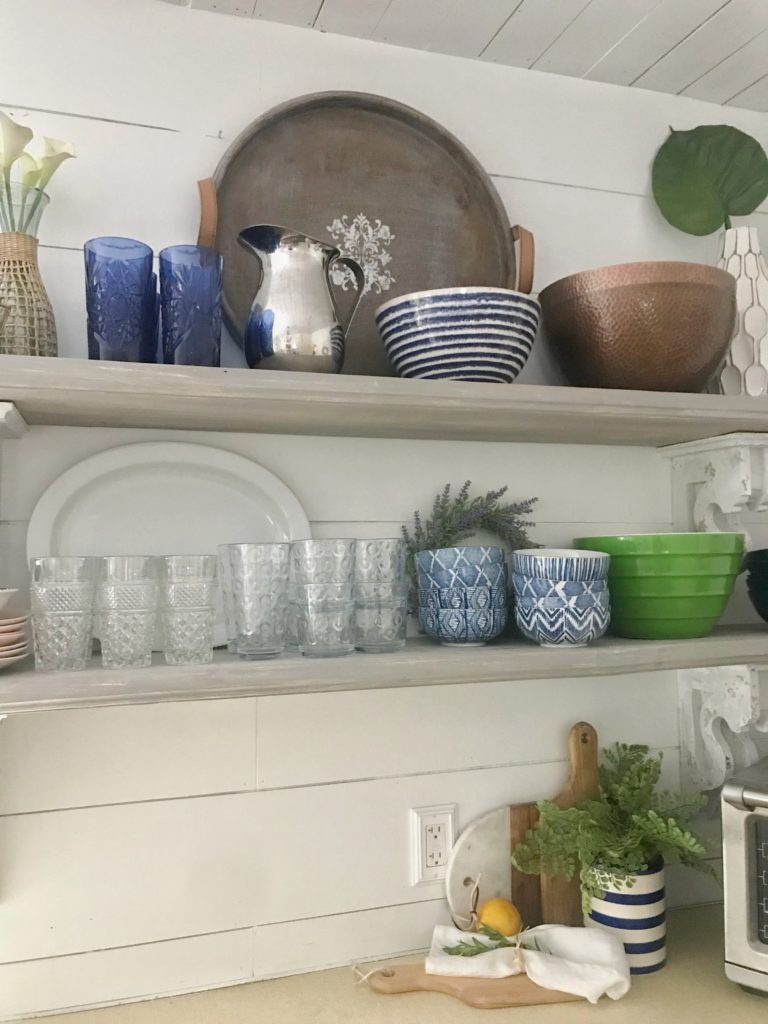
Size matters for both storage capacity and aesthetics. Larger shelves hold more items but require more wall space. Smaller shelves fit tight spaces and add subtle charm. Placement affects accessibility and design flow. Eye-level shelves are convenient for daily items. Higher shelves are perfect for decorative pieces or less-used items. Ensure shelves complement your kitchen layout.
Credit: www.hallstromhome.com
Categorizing Kitchen Items
Transform open kitchen shelves into a functional space by grouping items by category. Arrange similar cookware, utensils, and spices together for easy access. Keep frequently used items at eye level to streamline meal prep.
Organizing open kitchen shelves can transform your cooking space. A well-organized kitchen saves time and reduces stress. Categorizing kitchen items is the key. It ensures easy access and enhances the kitchen's aesthetic. Let's explore how to categorize effectively.
Cookware And Utensils
Group similar cookware on one shelf. Pots, pans, and skillets can be together. Place frequently used items at eye level. Hang utensils for easy reach. Use hooks or a wall-mounted rack. Organize by size or function. It looks neat and saves space.
Pantry Staples
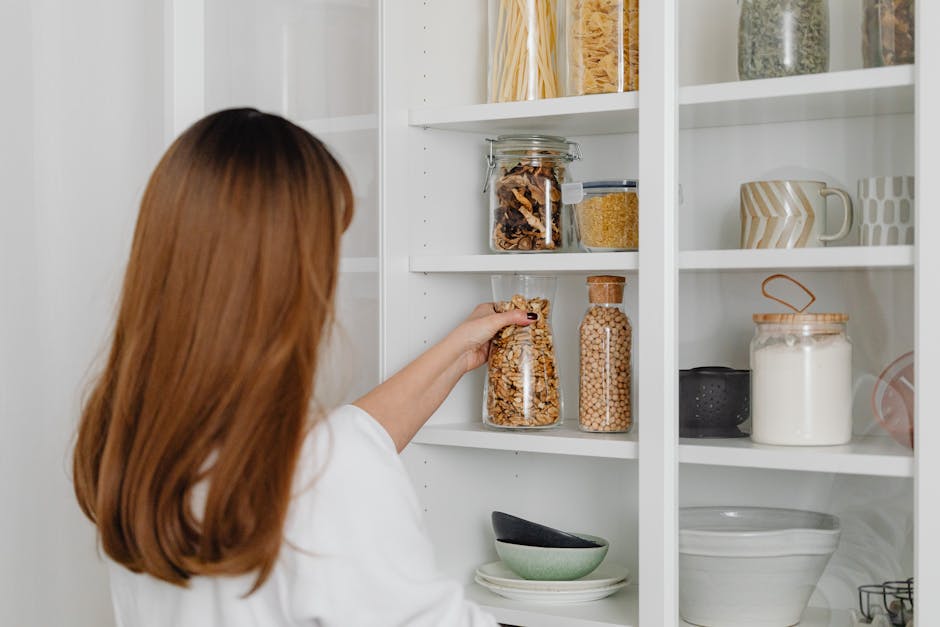
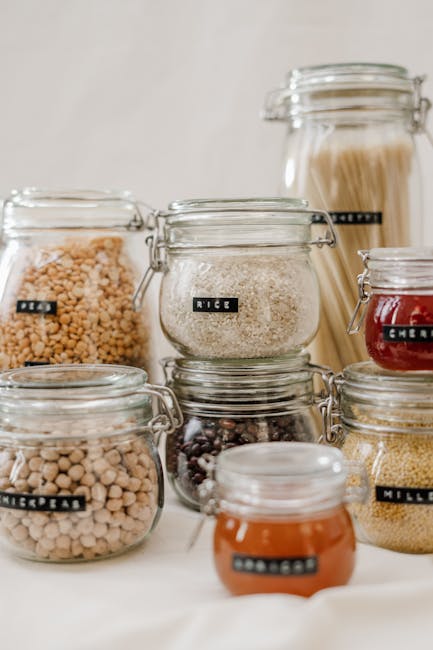
Store pantry items in clear jars or containers. Label each jar with its contents. This keeps the shelves tidy and ingredients fresh. Arrange items by type. Grains on one shelf, spices on another. Create a snack zone for quick bites. Keep it kid-friendly if needed.
Dinnerware And Glassware
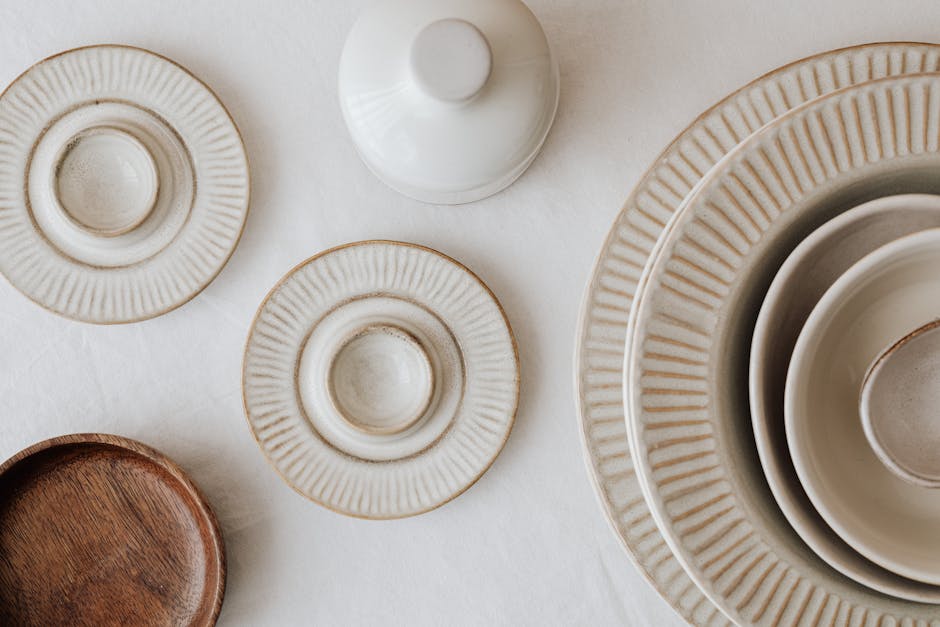
Stack plates and bowls by size. Align them neatly for easy access. Group glasses and mugs separately. Keep fragile items on a stable shelf. Consider color coordination for a cohesive look. This makes setting the table quick and easy.
Arranging Items For Functionality
Open shelves in the kitchen can be both functional and stylish. Arranging items effectively ensures ease of use and visual appeal. This strategy not only enhances efficiency but also creates a welcoming atmosphere.
Frequently Used Items
Place frequently used items at eye level for easy access. Think of everyday plates, bowls, and glasses. Store them where you can quickly grab them. This saves time during busy mornings. It also keeps your kitchen routines smooth and efficient.
Decorative And Seasonal Items
Reserve higher or lower shelves for decorative items. This could be a vase, artwork, or a unique dish. Seasonal items can add a festive touch. Rotate them throughout the year to keep the space fresh. This approach maintains an organized and visually appealing kitchen.

Credit: www.lemonthistle.com
Incorporating Decorative Elements
Incorporating decorative elements into your kitchen shelves adds charm and personality. These elements can transform open shelves from simple storage to a focal point. Carefully selected items bring warmth and character to your kitchen space. Consider adding greenery and personal touches for a cohesive look.
Plants And Greenery
Plants bring life and color to any kitchen. Small potted herbs are a practical choice. They look beautiful and serve a purpose. Succulents are low-maintenance and add a touch of nature. A trailing plant on a high shelf creates a lovely visual flow. Choose plants that thrive indoors and match your lighting conditions.
Art And Personal Touches
Art pieces add sophistication and interest to kitchen shelves. Framed photos or small prints can make the space feel personal. Choose artwork that resonates with you and complements the kitchen’s style. Decorative plates or bowls can also serve as artistic elements. Displaying unique or handmade items adds a personal touch. These items tell a story and make your kitchen unique.
Maintaining Organized Shelves
Arranging open shelves in the kitchen can be simple and effective. Start by grouping similar items together, like plates or cups, for easy access. Utilize baskets or bins to contain smaller items, ensuring everything has its place. Regularly check for unused items to maintain tidy shelves.
Keeping your kitchen open shelves organized can feel like an ongoing battle, but maintaining them doesn't have to be a chore. With a few simple habits, you can ensure your shelves remain tidy and functional. Let's explore some effective strategies to keep your open shelves looking their best.
Regular Cleaning
Dust and grime can quickly accumulate on open shelves. Set aside a time each week for a quick cleaning session. A soft cloth and gentle cleaner can keep your shelves sparkling. Consider removing all items from the shelves every month for a more thorough clean. This not only ensures cleanliness but also gives you a chance to assess the items on display. Are there items you rarely use? Consider storing them elsewhere to make cleaning easier and to keep the shelves clutter-free.
Re-evaluating Arrangements
Periodically reassess the arrangement of your items. Ask yourself if the current setup meets your daily needs. Do you find yourself reaching for items that are hard to access? Adjust the layout to prioritize frequently used items. Sometimes, simply rearranging items can breathe new life into your kitchen space. Play around with different configurations until you find one that feels just right. Maintaining organized shelves is not just about aesthetics; it's about creating a functional and enjoyable kitchen environment. What small change can you make today to improve your space?
Expert Tips For Small Kitchens
Organizing open shelves in a small kitchen can be a game-changer. With limited space, every inch counts, and strategic organization can create a tidy and functional environment. Are you tired of rummaging through cluttered shelves to find a single spice jar? These expert tips will help you transform your kitchen into an organized haven without breaking the bank.
Maximizing Vertical Space
Vertical space is your secret weapon in a compact kitchen. Use tall shelves to stack items upwards instead of outwards. This way, you make the most of the space without overcrowding it.
Consider adjustable shelves that can be moved to accommodate different sizes of kitchenware. This flexibility lets you store pots and pans alongside smaller items like cups and bowls.
Do you have a bare wall? Install a pegboard or hooks to hang utensils or mugs. It’s a simple addition that frees up shelf space and keeps items within easy reach.
Utilizing Under-shelf Storage
Under-shelf storage is often overlooked but is incredibly valuable. You can add wire baskets underneath the shelves to store kitchen essentials like tea towels or napkins.
Sliding racks can be attached below your shelves, perfect for storing spice jars or small containers. They offer easy access and keep your countertops clear.
Consider using magnetic strips under shelves for metal lids or knife storage. These strips use space that might otherwise be wasted and ensure everything stays organized.
Have you thought about how you use your space? Investing time in organizing your shelves can save you time and hassle every day. Implementing these tips will not only enhance your kitchen's functionality but also make cooking a joy rather than a chore.
Frequently Asked Questions
How Do I Start Organizing Kitchen Shelves?
Begin by decluttering items you don't frequently use. Group similar items together for easy access. Use baskets or bins for smaller items to prevent clutter. Label shelves or containers for quick identification. Ensure frequently used items are at eye level for convenience.
Regularly reassess and reorganize to maintain order.
What Materials Work Best For Shelf Organization?
Use clear bins or baskets for visibility and easy access. Wire racks can maximize vertical space. Consider drawer organizers for smaller items. Utilize tiered shelves for canned goods. Adjustable dividers can customize space for various items. Choose durable materials that are easy to clean and maintain.
How Can I Maximize Space On Open Shelves?
Use vertical space with stackable containers or risers. Utilize the back of shelves with deeper storage options. Hang hooks for mugs or utensils. Store taller items towards the back. Incorporate baskets or bins to group smaller items. Regularly rotate items to ensure optimal use of space.
How Often Should I Reorganize My Kitchen Shelves?
Reorganize your shelves every few months or seasonally. Check for expired items and rotate stock. Adjust organization based on changing needs or new items. Regular maintenance ensures optimal functionality. Keeping the space tidy prevents clutter from accumulating and maintains a pleasant kitchen environment.
Conclusion
Organizing open shelves in the kitchen brings a fresh look. It keeps items accessible and neat. Arrange items by frequency of use. Use containers to group similar items. Display colorful dishes for a vibrant touch. Make use of vertical space for more storage.
Regularly declutter to maintain order. A well-organized kitchen saves time and effort. It enhances cooking efficiency and enjoyment. Embrace creativity in your shelf arrangement. With these tips, your kitchen can be tidy and inviting. Enjoy a clutter-free cooking space every day.