Imagine walking into your restaurant kitchen and seeing it as a well-oiled machine. Every tool has its place, every ingredient is within reach, and your team moves seamlessly, creating culinary masterpieces without a hitch.
Sounds like a dream? It doesn't have to be. Organizing your restaurant kitchen is not just about tidiness; it's about boosting efficiency, enhancing safety, and ultimately, increasing your profits. Do you often find yourself or your staff scrambling to find a spatula or the right spice during the dinner rush?
Does clutter slow down your service and stress your team? You're not alone, but there’s a solution. By mastering the art of organization, you can transform your kitchen into a powerhouse of productivity and calm. In this guide, you'll discover simple, actionable strategies to revamp your kitchen layout, streamline your processes, and empower your staff to perform at their best. Get ready to turn chaos into order and elevate your restaurant's success. Read on to unlock the secrets of a perfectly organized kitchen.

Credit: www.buzzfeed.com
Kitchen Layout Optimization
Efficiently organizing a restaurant kitchen boosts productivity and enhances workflow. Arrange workstations to minimize movement and save time. Store utensils and ingredients within easy reach for quick access.
Optimizing your restaurant's kitchen layout is crucial for efficiency and success. A well-organized kitchen can make a significant difference in service speed and food quality. It ensures that your staff can move seamlessly, reducing stress and errors. Let's dive into some practical tips to help you create the ideal kitchen layout.
Work Zones Design
Designing work zones is all about creating dedicated spaces for specific tasks. Think about how your kitchen can be divided into areas like prep, cooking, plating, and cleaning. This separation helps your team focus and reduces the chaos of everyone working in the same space. Consider the type of cuisine you serve. A pizzeria might need a large area for dough preparation, whereas a sushi restaurant requires a precise, clean setup for rolling. Tailor your zones to fit your menu and staff needs.
Flow Of Movement
Imagine a busy dinner rush. Your staff needs to move quickly and efficiently without bumping into each other. The flow of movement in your kitchen is key to this. Ensure paths are clear and logical. A cook shouldn't have to walk across the kitchen to grab a pan. Keep frequently used items within easy reach to save time and energy. Ask yourself: Does the current setup allow for smooth transitions from one task to another? If not, rearrange until it does.
Equipment Placement
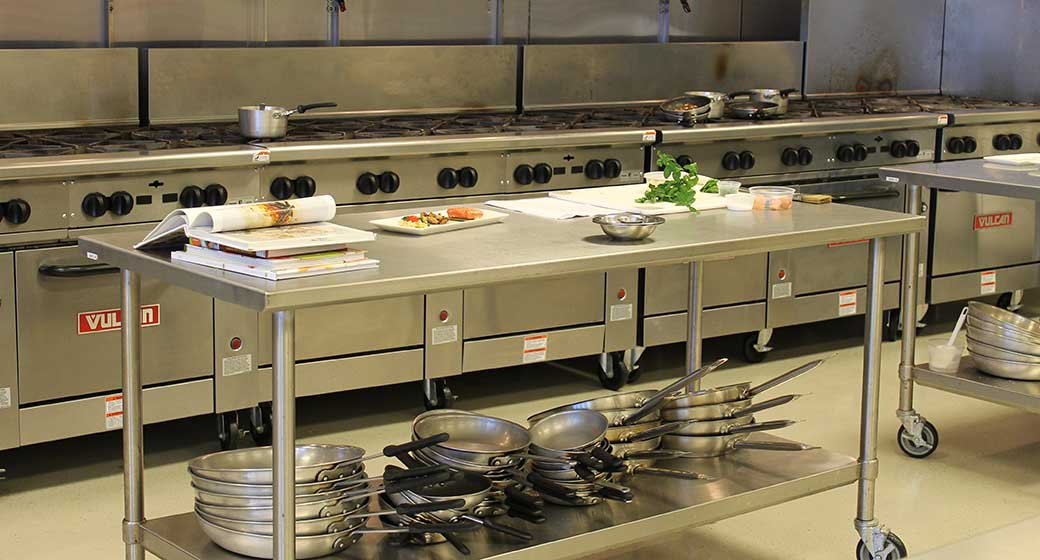
Where you place your equipment can make or break your kitchen's efficiency. Large appliances like ovens and refrigerators should be strategically positioned. Think about how often you use each piece of equipment. High-use items should be closer to their respective work zones. For instance, keep the grill near the prep station if you're constantly flipping burgers. Also, consider safety. Ensure there's enough space around hot or sharp equipment to prevent accidents. Proper placement not only streamlines operations but also keeps your team safe. Organizing a restaurant kitchen doesn't have to be overwhelming. Start with these basic principles and adjust based on your unique needs. How will you transform your kitchen into a well-oiled machine?
Inventory Management
Efficient inventory management streamlines restaurant kitchens. Organize shelves logically to minimize food waste and streamline access. Labeling items ensures quick identification, saving time during peak hours.
Organizing a restaurant kitchen effectively isn't just about keeping things tidy. It’s about creating a seamless workflow that can handle the heat of busy service times. A significant part of this is Inventory Management. By knowing exactly what you have, where it is, and how much you need, you can avoid last-minute scrambles and ensure your kitchen runs smoothly. Let’s delve into some practical strategies to master inventory management, focusing on stock rotation, labeling systems, and supplier coordination.
Stock Rotation
Implementing a stock rotation system is crucial to ensure freshness and minimize waste. Have you ever found a crate of vegetables at the back of the fridge, forgotten and spoiled? A well-practiced stock rotation method such as First In, First Out (FIFO) can prevent this. To start, place newer stock behind older items. This simple practice ensures that older ingredients are used before they spoil. Train your staff to follow this routine consistently. Regular checks are essential. Make it a habit to inspect stock levels daily. This not only prevents spoilage but also ensures you’re ready for any unexpected rush.
Labeling System
A robust labeling system can be a game changer. Have you ever seen a chef frantically searching for an ingredient in the middle of a dinner rush? Avoid this chaos by labeling everything. Use clear, visible labels indicating the item name, date of arrival, and expiration. This helps staff quickly identify what they need, saving precious time. Consider using color codes for different categories, like meat, dairy, and vegetables. This visual aid speeds up the process and reduces errors. Make sure everyone is trained to understand the system.
Supplier Coordination
Efficient supplier coordination can smooth out inventory challenges. Have you ever experienced the frustration of late deliveries or inconsistent stock? Open communication with suppliers can solve this. Share your inventory needs and expectations clearly. Build a relationship that encourages transparency and reliability. Regular communication can prevent misunderstandings and ensure timely deliveries. Consider setting up automatic reorder points with your suppliers. This ensures you never run out of critical ingredients. It can also lead to potential discounts for consistent orders, benefiting your bottom line. By focusing on these actionable strategies, you can transform your kitchen's inventory management from chaotic to efficient. What new practices will you introduce today?
Efficient Storage Solutions
Streamline your restaurant kitchen with smart storage solutions. Utilize labeled bins and shelves to keep ingredients within easy reach. Prioritize space for essential tools and equipment to boost efficiency and ensure smooth operations.
Efficient storage solutions are crucial in a restaurant kitchen. They ensure smooth operations and prevent chaos during peak hours. Proper organization saves time and minimizes stress. With the right techniques, you can maximize space, maintain order, and boost efficiency.
Shelving Organization
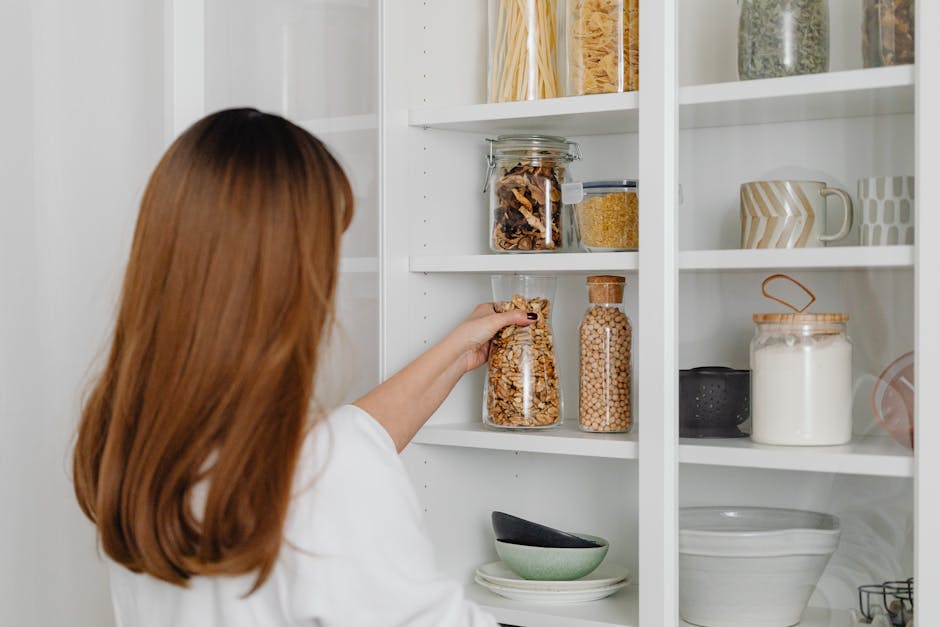
Shelving is vital for kitchen storage. Use adjustable shelves to fit various items. Group similar items together. Place frequently used items within easy reach. Label shelves to find items quickly. Use clear containers for visibility. This reduces time spent searching.
Refrigeration Techniques
Refrigeration keeps perishables fresh. Organize by food type and expiration date. Store meats at the bottom to prevent drips. Keep fruits and vegetables separate. Use clear bins for easy identification. Rotate stock regularly to avoid waste. Maintain the correct temperature for food safety.
Dry Goods Arrangement
Dry goods need special attention. Store them in airtight containers. Organize by type, such as grains or spices. Use stackable bins to maximize space. Label containers clearly for quick access. Keep heavier items at waist level. This prevents strain and makes retrieval easier. Efficient storage solutions transform kitchen chaos into order.
Streamlining Food Preparation
Organizing a restaurant kitchen is crucial for smooth operations. Streamlining food preparation enhances efficiency and reduces waste. It also ensures consistent quality in every dish. This process involves careful planning and execution. Let's explore some effective strategies to achieve this.
Pre-preparation Strategies
Pre-preparation is the key to a successful kitchen. Start by organizing ingredients and tools. Keep frequently used items within easy reach. This saves time and reduces frustration. Label and store ingredients properly to prevent confusion. Use clear containers for visibility.
Establish a routine for pre-preparation tasks. These include chopping vegetables and marinating meats. Designate specific times for these tasks. This ensures everything is ready for cooking. Train staff to follow these routines consistently.
Batch Cooking Methods
Batch cooking can greatly enhance kitchen efficiency. Cook large quantities of ingredients at once. This saves time during busy periods. Prepare sauces, soups, and bases in advance. Store them in portions for quick use.
Use batch cooking for items with long cooking times. This includes roasts and stews. Monitor cooking times to ensure consistency. Proper storage is essential to maintain freshness. Label and date each batch to avoid spoilage.
Standardizing Recipes
Standardizing recipes ensures consistent quality in every dish. Create detailed recipes for each menu item. Include exact measurements and cooking times. This eliminates guesswork and ensures uniformity.
Train staff to follow these standardized recipes. Conduct regular checks to ensure compliance. Adjust recipes based on feedback and seasonal changes. Keep updated versions accessible to all kitchen staff.
Sanitation And Safety Protocols
Sanitation and safety protocols are crucial in a restaurant kitchen. They ensure food quality and protect staff and customers. A clean kitchen prevents foodborne illnesses and accidents. Proper protocols create a safe, efficient work environment. Regular training and effective cleaning schedules are key.
Cleaning Schedules
A cleaning schedule keeps the kitchen spotless and safe. Daily cleaning tasks include wiping surfaces, mopping floors, and sanitizing equipment. Weekly tasks focus on deep cleaning ovens, refrigerators, and storage areas. Monthly tasks involve checking and maintaining ventilation systems. Clear schedules ensure no task is overlooked. Assign tasks to specific staff members. This ensures responsibility and consistency.
Cross-contamination Prevention
Preventing cross-contamination is vital in a busy kitchen. Use separate cutting boards for raw meats and vegetables. Label and color-code them for easy identification. Store raw and cooked foods separately in the fridge. Keep raw meats on the lowest shelves. This prevents dripping onto other foods. Train staff to change gloves and wash hands regularly. These practices reduce the risk of foodborne illnesses.
Staff Safety Training
Safety training is essential for all kitchen staff. Teach them proper handling of knives and hot surfaces. Conduct regular fire drills and equipment safety sessions. Provide personal protective equipment like gloves and aprons. Ensure staff know first aid procedures. Create a culture of safety and awareness. This reduces accidents and maintains a safe kitchen environment.
Credit: www.wasserstrom.com
Staff Roles And Responsibilities
Organizing a restaurant kitchen efficiently requires clear staff roles and responsibilities. Every team member must understand their duties to ensure smooth operations. Proper role definition, shift coordination, and performance monitoring are crucial. These elements help maintain a productive environment. Let's explore how to set up these crucial aspects in your restaurant kitchen.
Clear Role Definition
Assign specific roles to each staff member. This reduces confusion and boosts efficiency. Clearly define tasks like cooking, cleaning, and inventory management. Everyone knows their duties and expectations. This clarity improves teamwork and communication. It also helps in quick problem-solving during peak hours.
Shift Coordination
Plan shifts to cover all operational hours. Ensure balanced workloads for staff. Use scheduling tools to avoid overlaps or gaps. Clear shift coordination prevents burnout and maintains high morale. It also ensures that all areas of the kitchen are always staffed.
Performance Monitoring
Regularly evaluate staff performance. Provide feedback to encourage improvement. Use checklists or software for tracking tasks. Performance monitoring keeps standards high and identifies training needs. It also motivates staff by recognizing good work. This creates a positive work environment, benefiting the entire restaurant.
Technology And Tools Integration
Integrating technology and tools in a restaurant kitchen enhances efficiency. Modern tools streamline operations, reduce errors, and improve productivity. By embracing these advancements, restaurants can provide better service and maintain quality standards.
Digital Inventory Systems
Digital inventory systems simplify stock management. They track supplies in real-time, ensuring accuracy. Managers can easily monitor stock levels and avoid shortages. This system also reduces waste, saving money over time. Alerts notify staff of low stock, ensuring timely reordering.
Kitchen Display Screens
Kitchen display screens replace traditional ticket systems. Orders appear instantly on screens, minimizing confusion. Staff can view order details clearly and prioritize tasks. This reduces miscommunication and speeds up order processing. It enhances kitchen workflow and customer satisfaction.
Automated Ordering Systems
Automated ordering systems streamline the order-taking process. Customers place orders directly through tablets or kiosks. This reduces wait times and increases accuracy. The system communicates directly with the kitchen, ensuring orders are correct. It also frees up staff to focus on food preparation and service.
Continuous Improvement Practices
Efficient organization in a restaurant kitchen boosts productivity and ensures smooth operations. Arrange stations logically, grouping similar tasks together. Regularly review and adjust layouts to improve workflow.
Organizing a restaurant kitchen isn't a one-time task. It's an ongoing process that demands continuous improvement practices. Adopting a mindset of constant enhancement can transform your kitchen into a well-oiled machine. This not only boosts efficiency but also uplifts staff morale and ensures a stellar dining experience for your customers. So, how can you integrate continuous improvement into your kitchen routine? Here are some effective strategies to consider.
Regular Feedback Sessions
Regular feedback sessions are essential for a thriving kitchen environment. They provide a platform for staff to voice their concerns and share insights. Holding weekly or bi-weekly meetings can help you identify small issues before they become major problems. In one restaurant I managed, we implemented short, daily stand-up meetings. Each team member had a chance to share one positive aspect and one area for improvement. This practice led to a 20% increase in kitchen efficiency within just a few months. Feedback sessions are not just about pointing out problems. They’re also an opportunity to recognize what’s working well. This boosts morale and encourages a positive work environment.
Efficiency Audits
Conducting regular efficiency audits can uncover inefficiencies you might overlook in the daily hustle. These audits involve examining every aspect of kitchen operations, from food prep times to storage organization. Creating a checklist can be a useful way to conduct these audits. Break down tasks into small, manageable parts. For example, review how ingredients are stored and check if they’re easily accessible during peak hours. One chef I know conducted an efficiency audit and discovered that rearranging the kitchen layout saved his team 15 minutes of prep time daily. Imagine what you could achieve with a similar approach.
Incorporating Staff Suggestions
Your staff is your most valuable asset. They’re on the frontline, experiencing the kitchen’s workflow firsthand. Encouraging them to share suggestions can lead to innovative solutions and improvements. Create a suggestion box or a digital platform where staff can submit their ideas anonymously. This encourages openness and honesty without fear of judgment. Once, a line cook suggested moving the spice rack closer to the stoves, which surprisingly saved several minutes during busy shifts. It’s amazing how small changes can make a big difference. Are you leveraging the full potential of your team’s creativity? Sometimes, the best solutions come from those who are directly involved in the process daily. By integrating these continuous improvement practices, you can create a dynamic and efficient kitchen environment that not only meets but exceeds expectations.
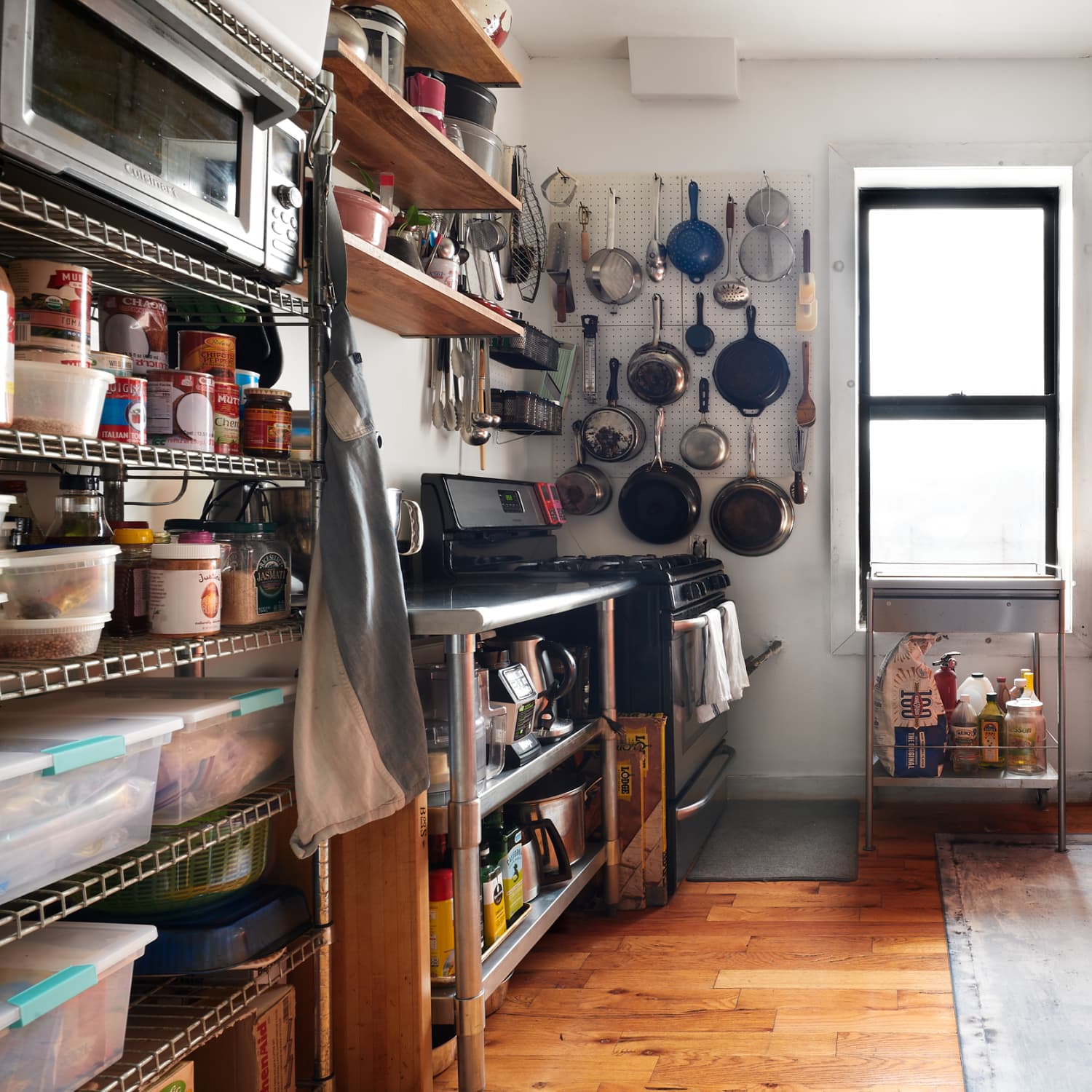
Credit: www.thekitchn.com
Frequently Asked Questions
How Can I Maximize Kitchen Space Efficiently?
Maximizing kitchen space involves strategic use of shelving, labeling, and vertical storage solutions. Prioritize frequently used items at reachable heights. Use transparent containers for visibility and easy access. Regularly assess inventory to remove unnecessary items. Efficient organization reduces clutter, enhances workflow, and optimizes space utilization in a restaurant kitchen.
What Are The Best Practices For Kitchen Safety?
Ensure kitchen safety by maintaining clean and dry floors, implementing proper knife storage, and using protective gear. Regularly check and maintain equipment. Train staff on emergency procedures and safe handling techniques. Proper organization and adherence to safety protocols minimize accidents and create a secure kitchen environment.
How Do I Improve Kitchen Workflow?
Enhance kitchen workflow by arranging stations according to meal prep stages. Ensure each station has necessary tools and ingredients. Streamline communication among staff with clear roles and efficient scheduling. Regularly review processes to identify and eliminate bottlenecks, ensuring a smooth and productive kitchen operation.
Why Is Labeling Important In Kitchens?
Labeling is crucial for quick identification and inventory management. It prevents cross-contamination and reduces prep time by ensuring staff easily find ingredients. Clear labeling supports efficient stock rotation, minimizing waste and optimizing kitchen operations. Consistent labeling practices contribute to a well-organized and safe kitchen environment.
Conclusion
A well-organized kitchen boosts restaurant efficiency. It reduces stress and errors. Clear zones for prep, cooking, and cleaning are key. Use labels to keep ingredients and tools in place. Regularly review and adjust layouts as needed. Encourage staff to maintain order daily.
Training helps everyone follow the system. Safety improves with neat workspaces. Customer satisfaction rises with faster service. An organized kitchen supports a happy, productive team. Embrace these strategies for lasting success. Your restaurant thrives when its kitchen runs smoothly. Keep it simple, but effective.
Enjoy the positive change in your culinary operations.