
Are you tired of rummaging through a pile of papers every time you need a recipe or a grocery list? The kitchen is often the heart of the home, but it can quickly become cluttered with papers, making it hard to find what you need.
Imagine the peace of mind you'll feel when you can effortlessly put your hands on that favorite recipe or important note in seconds. You'll discover simple yet effective strategies to organize papers in your kitchen. These tips are designed to transform chaos into order, saving you time and reducing stress.
Let's dive into the secrets of maintaining a tidy and efficient kitchen space that works for you.
Declutter First
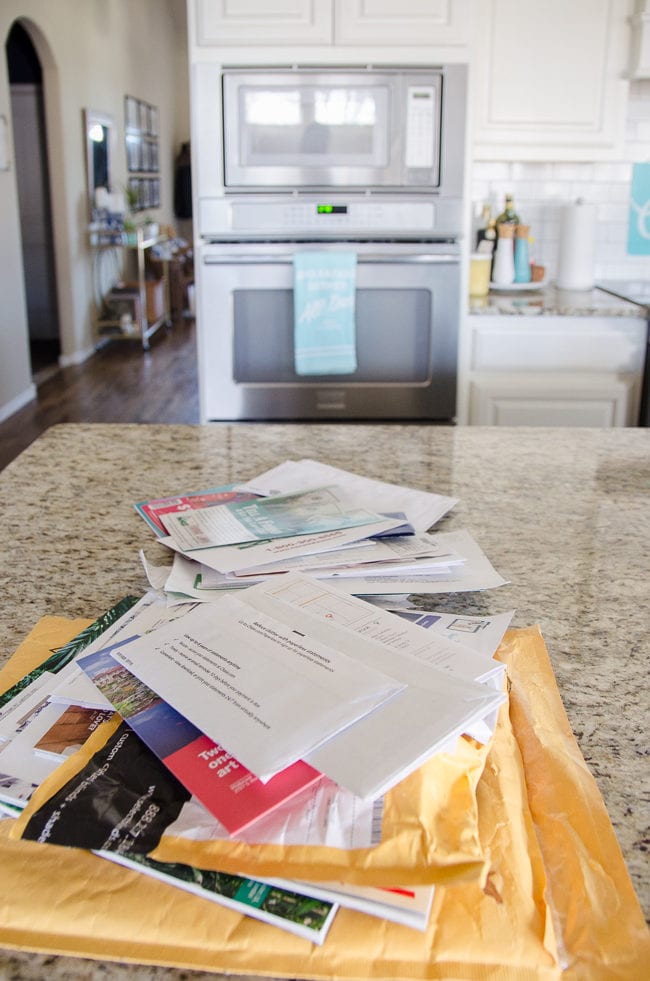
Start by sorting through all the papers in your kitchen. Keep essential documents in labeled folders. Use a dedicated shelf or drawer for easy access, ensuring a clutter-free space. Regularly review and discard unnecessary items to maintain order.
Organizing papers in the kitchen can seem like a daunting task. But one effective strategy to start with is to declutter first. This approach sets the stage for a more streamlined and functional space. By removing unnecessary items, you create room for what truly matters. This not only reduces stress but also makes finding what you need much easier. Remember, the fewer the papers, the simpler the organization process.
Identify And Gather All Papers
Start by collecting every piece of paper scattered across your kitchen. Look in drawers, on countertops, and even on the fridge. Do you have old grocery lists or expired coupons? Gather them all into one pile. This gives you a clear picture of what you're dealing with.
Sort And Categorize
Once you've gathered everything, sort the papers into categories. Consider creating piles for recipes, bills, receipts, and takeout menus. This sorting process helps you understand what you have and what you need to keep. Be decisive—if you haven't used it in the past year, it might be time to let it go.
Ask Yourself: Is It Necessary?
As you sort, ask yourself about the necessity of each item. Do you really need that old appliance manual when everything is available online? Keep only the papers that serve a purpose or bring joy. If it's just taking up space, it's time for it to go.
Recycle And Shred
After deciding what to keep, it's time to responsibly dispose of the rest. Recycle papers that can go into your recycling bin. For documents with sensitive information, use a shredder. This step not only declutters your kitchen but also protects your privacy.
Create A System For New Papers
Decluttering is not a one-time event. New papers will continue to enter your kitchen. Develop a system for dealing with them as they come in. Consider using a folder or a small basket to collect them initially. Set a weekly schedule to sort and review these papers to maintain an organized space. Do you find yourself overwhelmed by the sheer volume of papers in your kitchen? Starting with decluttering might just be the game-changer you need.
Categorize Documents
Organizing papers in the kitchen can feel like a daunting task, but categorizing your documents is a simple and effective way to bring order to chaos. By grouping your papers into specific categories, you can easily find what you need, when you need it. Imagine a kitchen where every document has its place, saving you time and stress. Let's explore how to categorize your kitchen papers for maximum efficiency.
Bills And Receipts
Have you ever searched frantically for a bill you need to pay? Avoid this hassle by dedicating a specific spot for bills and receipts. Use a small tray or folder that fits neatly in a drawer or on a shelf. The moment a bill arrives, add it to the pile. Receipts for groceries and kitchen appliances can join them too. Once a month, review the pile, pay the bills, and discard any receipts you no longer need. This simple habit keeps your finances organized and stress-free.
Menus And Coupons
Menus and coupons can quickly clutter your kitchen counters. Rather than letting them pile up, consider using a magnetic organizer on the fridge. This keeps them visible and easy to access. Every time you plan a meal or make a shopping list, check your coupons first. You might find unexpected savings or discover a new restaurant to try. When expired, toss them immediately. This ensures you only keep what's useful and current.
Recipes And Cookbooks
Recipes are the heart of any kitchen, but they can easily get lost in a mess of papers. Keep them in a dedicated binder or folder. Separate by category—desserts, main courses, appetizers. Do you often reach for a cookbook? Store it on a shelf within easy reach. This way, you can explore new recipes without the hassle of searching through piles of paper. Protect your favorite recipes with plastic sleeves to avoid spills and stains.
Miscellaneous Papers
Miscellaneous papers can be the most challenging to organize. These might include warranties for kitchen gadgets, instruction manuals, or notes from family members. Create a 'miscellaneous' folder or box. Label it clearly, so everyone knows where to look. Regularly go through this folder and remove anything outdated or unnecessary. Ask yourself: does this paper add value to my kitchen? If not, let it go. This prevents clutter and ensures your kitchen remains a hub of efficiency.
Categorizing your kitchen papers doesn't just keep things tidy—it transforms your space into a stress-free zone where you can focus on what truly matters. Which category will you tackle first?
Choose A Storage System
Organizing papers in the kitchen can be a game-changer. You know that pile of takeout menus, grocery receipts, and family schedules? It's time to give them a home. Choosing a storage system that suits your space and lifestyle is crucial. With the right system, you can transform chaos into order. Let's dive into some practical options.
Filing Cabinets
Filing cabinets aren't just for offices. They can be a perfect fit for your kitchen. Think of them as the secret weapon against clutter. A small filing cabinet tucked in a corner can hold everything from warranties to recipe printouts. You can label each drawer for easy access. Imagine opening a drawer and instantly finding what you need. Wouldn't that be satisfying?
Wall-mounted Organizers
Wall-mounted organizers take advantage of vertical space. If you're short on counter space, consider hanging an organizer. These are perfect for keeping frequently used papers within arm's reach. You can find ones with slots for mail, bills, and notes. This way, important papers don't get lost in the shuffle. Have you ever thought about how much unused space is on your walls?
Binders And Folders
Binders and folders offer a neat and portable solution. They're great for grouping similar papers together. You could dedicate a binder to recipes, another to coupons. Labeling the spine makes finding documents a breeze. It's like having a mini-library right in your kitchen. Can you picture flipping through your organized binder and not feeling stressed?
Choosing the right storage system can make a world of difference. It's not just about tidying up; it's about making your kitchen function better for you. Which system will you choose to bring order to your kitchen chaos?
Credit: www.polishedhabitat.com
Create A Labeling System
Organizing papers in the kitchen can be a challenge. A labeling system helps keep things tidy. It also saves time. You can quickly find what you need. Let's explore some easy labeling methods.
Color Coding
Color coding is a simple yet effective method. Assign different colors for different categories. For example, use red for bills and blue for recipes. This visual cue makes sorting easier. It also adds a splash of color to your space.
Alphabetical Labels
Alphabetical labels provide a clear structure. Arrange your papers from A to Z. This method works well for recipes or contacts. It ensures everything is in order. Finding a specific paper becomes a breeze.
Designate A Paper Zone
Create a dedicated paper zone in your kitchen to keep documents tidy. Use baskets or folders for recipes, bills, and mail. This simple system ensures easy access and a clutter-free space.
Organizing papers in your kitchen can transform chaos into order. Designating a specific "Paper Zone" is a game-changer. This focused area allows you to keep track of important documents, bills, and notes without cluttering your kitchen. Imagine walking into your kitchen and knowing exactly where to find that recipe you clipped from a magazine or the bill that’s due next week. Let’s dive into how you can create this efficient space in your kitchen.
Create A Dedicated Spot
Choose a location in your kitchen that’s easily accessible but not in the way. A corner of your kitchen counter or a small section on a shelf can work wonders. Keep this spot consistent so you always know where to look.
Utilize Vertical Space
Make use of vertical space to maximize storage. Wall-mounted organizers or magnetic boards can keep papers visible and off your counters. This not only saves space but also ensures important documents stay in sight.
Invest In Clear Containers
Clear containers are your best friend when organizing paper. They allow you to quickly identify what’s inside without rummaging through piles. Choose containers that fit the aesthetic of your kitchen to maintain harmony.
Implement A Filing System
Even in the kitchen, a simple filing system can be incredibly helpful. Use folders or dividers to separate different types of papers. Label them clearly to avoid any confusion later on.
Regularly Declutter
Set aside time each week to go through your Paper Zone. Remove outdated items and organize what's left. This habit prevents buildup and keeps the area functional.
Personal Story Insight
I once struggled with misplaced recipes and lost bills in my kitchen. Creating a Paper Zone changed everything. Now, I have a small magnetic board on my fridge where I pin urgent papers. This small change made my life so much easier and stress-free. Have you ever spent hours looking for a paper you swore you left on the counter? Designating a Paper Zone could be your solution. What other tips do you find helpful for organizing kitchen papers? Share your thoughts!
Credit: theinspiredroom.net
Schedule Regular Reviews
Sort papers weekly to keep the kitchen clutter-free. Assign spots for recipes, bills, and coupons. Regular reviews ensure everything stays organized and easy to find.
Keeping your kitchen organized is more than just a one-time task—it’s an ongoing commitment. One of the best ways to manage paper clutter is by scheduling regular reviews. This ensures that your kitchen remains a functional and stress-free environment. Routine evaluations not only maintain order but also free up space for the things that truly matter in your culinary haven.
Monthly Checks
Set aside a few minutes each month for a quick paper check. Go through bills, recipes, grocery lists, and any other paper items that may have accumulated. Use a simple filing system or designated folders to sort them. Keep what’s necessary and recycle the rest. Have you ever found an old recipe you forgot about? These checks can help you rediscover useful papers.
Quarterly Purges
Every three months, dig a little deeper. Beyond the usual sorting, ask yourself if each item is truly needed. This is the time to let go of outdated coupons, expired warranties, or old menus. By doing this quarterly, you’re ensuring that your kitchen remains a clutter-free zone. Consider keeping a shredder handy for sensitive documents. Can you imagine the relief of not having to sift through piles of paper when you’re in a hurry? A quarterly purge makes it possible. Regular reviews are the secret ingredient in maintaining a tidy kitchen. They’re simple, effective, and keep your space ready for whatever comes next. So, when will you start your first review?
Tips For Managing Mail
Keep kitchen papers tidy with labeled folders for easy sorting. Use a wall-mounted organizer to save space. Regularly discard junk mail to maintain order.
Organizing papers in the kitchen, especially managing the daily influx of mail, can feel overwhelming. Yet, mastering this aspect of home organization offers peace of mind and a clutter-free environment. Let's dive into practical tips that will help you handle mail with ease and efficiency.
Sorting Mail Daily
Start by dedicating a few minutes each day to sort your mail. This simple habit prevents piles from forming and ensures nothing important gets lost. You might be surprised how quickly you can sift through the day's mail when you make it a daily routine. Separate your mail into categories such as bills, personal letters, and junk. Place each category into designated spots for easy access. By doing this, you’ll save time in the long run and reduce clutter. Ask yourself: How often do you find expired coupons or missed events buried in a stack of papers? Sorting daily helps you stay on top of deadlines and seize opportunities.
Setting Up A Mail Station
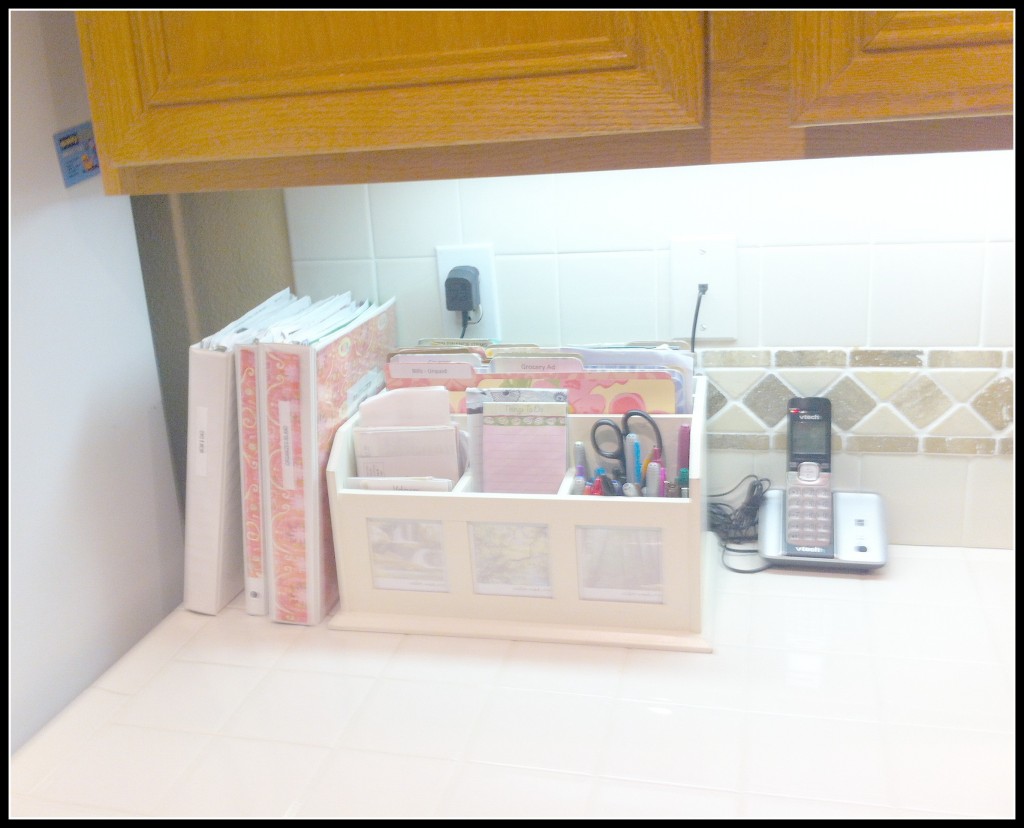
Create a dedicated mail station in your kitchen to serve as the command center for incoming and outgoing mail. Choose a spot that’s easily accessible yet out of direct view to maintain a tidy appearance. Equip your station with essentials like a letter opener, a recycling bin, and a shredder for sensitive documents. Use labeled trays or folders to keep everything organized; one for urgent tasks, one for filing, and another for outgoing mail. Imagine the satisfaction of knowing exactly where to find that bill or invitation when you need it. A well-organized mail station brings order to chaos and streamlines your daily routine. Remember, the kitchen is often the heart of the home. Keeping it organized not only enhances its functionality but also contributes to a more harmonious living space. How will these changes transform your kitchen?
Credit: www.organizedisland.com
Digital Solutions
Efficiently managing kitchen papers can simplify daily life. Utilize digital solutions to store recipes, grocery lists, and schedules. Keep your kitchen clutter-free and organized with easy-to-access digital files.
In today's digital age, organizing papers in your kitchen can extend beyond traditional filing methods. Embracing digital solutions not only saves space but also enhances accessibility and security. Imagine never having to sift through heaps of paper to find that one crucial recipe or appliance warranty. Let's dive into how you can transform your kitchen organization with technology.
Scanning Important Documents
Start by gathering all the paper documents in your kitchen—receipts, warranties, recipes, and anything else you find crucial. Use a scanner or a mobile app to digitize these documents. Scanning apps like Adobe Scan or CamScanner are user-friendly and perfect for this task. Once scanned, categorize these files into folders on your computer or cloud storage. Create folders like "Appliance Warranties," "Grocery Receipts," and "Favorite Recipes." This way, retrieving any document is just a few clicks away.
Using Apps For Organization
Leverage organization apps to streamline the process even further. Apps like Evernote or OneNote allow you to store documents, add notes, and even set reminders for expiration dates on warranties. These apps come with search functions, making document retrieval effortless. Simply type in a keyword, and the app will pull up related documents instantly. Think about the time you'll save when your documents are neatly stored and easily searchable. Plus, having digital backups can be a lifesaver if the original papers get damaged or lost. Have you considered setting up shared folders for family recipes? This way, everyone in the household can access and add their own favorites. It’s a great way to keep the family connected through shared meals. By integrating these digital solutions, you're not only organizing your kitchen but also future-proofing it. With everything a tap away, your kitchen will run more smoothly, and you'll have more time to enjoy the things you love.
Keep It Consistent
Organizing papers in the kitchen can seem overwhelming. A consistent system simplifies the process. Consistency ensures you always know where to find important documents. It reduces clutter and stress. Your kitchen becomes a more functional space. Let’s explore how to maintain this system effectively.
Maintaining The System
Consistency is key to maintaining an organized kitchen. Set specific spots for different papers. Bills in one folder, recipes in another. Label these folders clearly. Use colors to differentiate them. Each time you receive a paper, put it in its designated spot. Schedule weekly checks to clear unnecessary papers. This prevents pile-ups and keeps your system intact. Keep your system simple. Complexity leads to confusion and neglect.
Involving Family Members
Involve family members in your organization system. Explain the system to everyone. Show them where each type of paper belongs. Encourage them to use it daily. This creates a shared responsibility. It also makes the system sustainable. Assign roles to family members. For instance, one person checks bills weekly. Another handles recipes. This division of labor keeps things orderly. It teaches responsibility and teamwork.
Frequently Asked Questions
How Can I Store Recipes In My Kitchen?
To store recipes, use a dedicated binder or accordion folder. Categorize by type, such as desserts or appetizers. Include dividers for easy access. Digital options include apps or cloud storage for paperless organization. Choose a method that fits your routine and space.
What Is The Best Way To Organize Bills?
Organize bills by using a labeled accordion file or binder. Group bills by month or type, such as utilities or credit cards. Regularly review and discard outdated paperwork. Set reminders for due dates to avoid late payments. This keeps your kitchen clutter-free and finances in check.
How Do I Keep Important Documents Safe?
Keep important documents safe by using a fireproof safe or lockable cabinet. Store items like passports, birth certificates, and warranties securely. Regularly review and update contents to ensure relevance. Consider digital backups on secure cloud platforms for added protection and convenience.
What Tools Help Organize Paper Clutter?
Tools like trays, baskets, and folders can help organize paper clutter. Use labeled trays for incoming mail and action items. Baskets hold magazines or miscellaneous papers. Folders categorize documents like recipes or warranties. Regular maintenance prevents clutter buildup and keeps your kitchen tidy.
Conclusion
Organizing papers in the kitchen keeps your space neat. It helps find recipes and bills quickly. Use folders or baskets to sort them. Label each section clearly. Throw away old papers often. This saves space and reduces clutter. A tidy kitchen improves daily life and reduces stress.
Everyone enjoys a clean environment. Consistent organization makes it easier to maintain. Try different methods to find what works best. You can create a system that fits your needs. Start today to enjoy a tidy kitchen. Keep it simple and stay organized.