Is your kitchen feeling more like a chaotic puzzle than a functional space? You’re not alone.
Many people struggle with keeping their kitchens organized, which can lead to unnecessary stress and wasted time. Imagine opening a cabinet and finding exactly what you need without a frantic search. Picture preparing a meal in a space where everything has its place, and your counters are clutter-free.
Sounds like a dream, right? The good news is, it’s entirely possible! This guide will help you transform your kitchen into a haven of efficiency and order. By following these simple steps, you’ll enjoy a kitchen that not only looks great but works brilliantly for your daily needs. Let's dive in and discover how you can make your kitchen the heart of your home, effortlessly functional and beautifully organized.

Credit: thepaleodiet.com
Assessing Your Kitchen Space
Evaluate your kitchen layout to enhance its functionality. Arrange items based on usage frequency. Keep essentials within easy reach for smooth cooking.
Assessing your kitchen space is the first step to creating a functional and efficient cooking area. Before diving into organizing your kitchen, take a moment to evaluate the space you have. This process will help you identify areas that need improvement and make the most of your available room.
Measure Your Space
Start by measuring your kitchen dimensions. Knowing the size of your countertops, cabinets, and storage areas can guide you in optimizing space effectively. You'll avoid buying organizers that don't fit or planning layouts that feel cramped.
Identify High Traffic Areas
Think about where you spend the most time in your kitchen. Is it near the stove or the sink? These are your high traffic areas and should be prioritized for accessibility. Keep tools and ingredients nearby to make cooking easier and faster.
Evaluate Storage Needs
Consider what items you frequently use and where they currently reside. Do you find yourself reaching for the same pots or spices every day? Store these items within easy reach. You might realize that some lesser-used appliances could be moved to less accessible places.
Analyze Workflow
Reflect on your cooking habits. Do you move fluidly from fridge to stove, or do you find yourself zigzagging around the kitchen? A smooth workflow can save time and frustration. Arrange your kitchen so that your movements feel natural and intuitive.
Spot Underutilized Spaces
Look for areas that might be neglected. Maybe there's a corner that could house a small shelf or a wall that could have hooks for hanging utensils. Using these spaces can add valuable storage and declutter your kitchen. As you assess your kitchen space, think about your daily routines. What changes would make your cooking experience more enjoyable? Small tweaks can lead to significant improvements in functionality.

Credit: es.pinterest.com
Decluttering Essentials
Your kitchen can become a hub of chaos if clutter isn't managed properly. Decluttering is the first step towards a functional space where you can cook and entertain with ease. Imagine opening a cabinet and actually finding what you need without a scavenger hunt. By focusing on decluttering essentials, you’ll transform your kitchen into a space where everything has its place and purpose. Let's dive into the specifics of sorting and purging, followed by donation and disposal.
Sorting And Purging
Begin by tackling one section at a time. Maybe it's that drawer filled with mismatched lids or the cabinet brimming with unused gadgets. Pull everything out. Look at each item and ask yourself: Do I use this regularly? Does it serve a purpose or just take up space?
Group similar items together. You'll quickly spot duplicates and realize how many spatulas you've accumulated. Keep only what you need and what truly adds value to your cooking experience. This step is crucial to avoid the common trap of holding onto things "just in case."
Once sorted, purge without guilt. Remember the unused fancy juicer you bought? If it's just gathering dust, it might be time to let it go. Less clutter means more room for essentials and more clarity in your daily routines.
Donation And Disposal
As you clear out, you'll find items that are still in good condition but rarely used. Consider donating these to local charities or community centers. It's a win-win: you free up space while helping others.
Some items won't be suitable for donation. Broken appliances or expired food should be disposed of responsibly. Check your local waste disposal guidelines to ensure you're doing it right. You'd be surprised at how liberating it feels to part with things that no longer serve you.
Are you holding onto items because of sentimental value? It’s okay to keep a few cherished pieces, but make sure they have a designated spot. Keeping your kitchen functional means balancing nostalgia with practicality.
Decluttering your kitchen is more than a chore; it's a journey towards creating a space that supports your lifestyle. What's your biggest hurdle in decluttering your kitchen essentials?
Optimizing Storage Solutions
Optimizing storage solutions in your kitchen can make cooking easier. Efficient storage means you find things quickly. It reduces clutter and stress. With smart choices, your kitchen becomes a functional space. Let’s explore some key aspects of kitchen storage.
Choosing The Right Cabinets
Cabinets are essential for storing kitchen items. Select cabinets based on your needs. Deep cabinets hold large pots and pans. Shallow ones are better for spices and small items. Choose materials that are durable and easy to clean. Consider cabinets with adjustable shelves. They provide flexibility for different sized items. Opt for soft-close cabinets to prevent noise and damage.
Utilizing Vertical Space
Vertical space is often overlooked in kitchens. Install shelves above counters for extra storage. Use hooks to hang utensils and mugs. Pegboards can hold pots, pans, and cooking tools. Tall cabinets or pantries maximize storage from floor to ceiling. Consider a wall-mounted rack for spices and oils. Utilize the space above the refrigerator for items used less often.
Efficient Layout Design
Creating an efficient kitchen layout enhances functionality and ease of use. A well-organized kitchen saves time and reduces stress. It ensures that every activity, from cooking to cleaning, is seamless. Let's explore key elements of efficient layout design.
Work Triangle Concept
The work triangle connects the stove, sink, and refrigerator. This design minimizes unnecessary movement. It keeps essential areas within easy reach. The goal is to make cooking tasks smoother and quicker.
Maintain a triangular path between these points. The path should be free of obstructions. This promotes a natural flow during meal preparation. An ideal work triangle increases kitchen productivity.
Zoning For Functionality
Zoning divides the kitchen into specific task areas. Each zone serves a unique purpose. This approach ensures that related tasks happen close together. For example, place cooking utensils near the stove.
Store cleaning supplies under the sink. Keep food storage areas near the refrigerator. This method improves organization and reduces time spent searching. Zoning supports a logical and efficient kitchen workflow.
Smart Use Of Kitchen Tools
Organizing your kitchen efficiently involves smart use of tools. Kitchen gadgets can save time and space. They streamline cooking and cleaning tasks. Choosing the right tools enhances kitchen functionality.
Multipurpose Gadgets
Consider gadgets that serve multiple functions. These can replace several single-use items. A food processor, for instance, can chop, slice, and blend. This reduces clutter in your cabinets. A pressure cooker also acts as a slow cooker and rice maker. It saves both time and space.
Using multipurpose tools helps keep your kitchen organized. You have fewer items to store and manage. This makes finding what you need quicker and easier.
Essential Vs. Non-essential Items
Identify which items are essential for daily cooking. Keep these accessible. Items used rarely can be stored away. This frees up valuable counter space. Essential tools might include a good chef’s knife and a cutting board. Non-essential items are those used infrequently. Like holiday-themed cookie cutters.
Regularly review your kitchen tools. Donate or store items you don’t use often. This simplifies your kitchen space, making it more functional.
Organizing Pantry And Supplies
Organizing your pantry and supplies is the foundation of a functional kitchen. Imagine opening your pantry and finding everything you need at a glance. It's a game-changer for cooking and meal prep. When your pantry is organized, you save time, reduce stress, and minimize food waste. Let's dive into how you can achieve this by categorizing food items and using labeling and storage containers effectively.
Categorizing Food Items
Start by grouping similar food items together. This makes it easy to find what you need without rummaging through endless shelves. Think about how grocery stores organize products: canned goods, grains, snacks, and spices each have their dedicated space.
Consider dividing your pantry into sections based on your cooking habits. If you bake often, allocate a shelf for baking supplies like flour, sugar, and baking powder. Does your family love pasta? Create a pasta and sauce section that’s easily accessible.
Evaluate your inventory regularly. This helps you keep track of items you have and identify what needs restocking. It’s also an opportunity to spot expired products that need to be discarded.
Labeling And Storage Containers
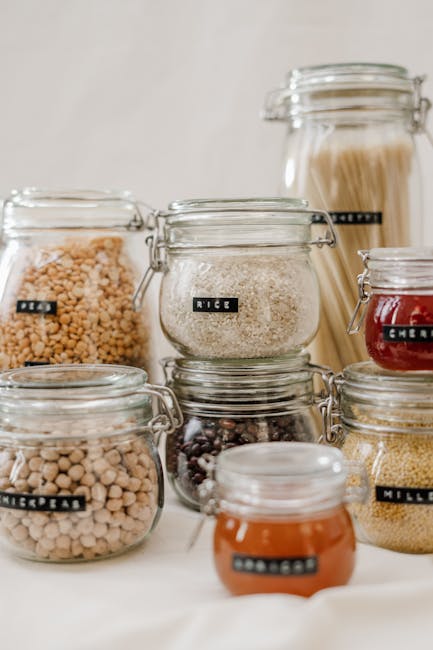
Labels are your best friend when it comes to pantry organization. They ensure everyone in your household knows where to find and return items. Use clear, legible labels that make it easy to identify contents at a glance.
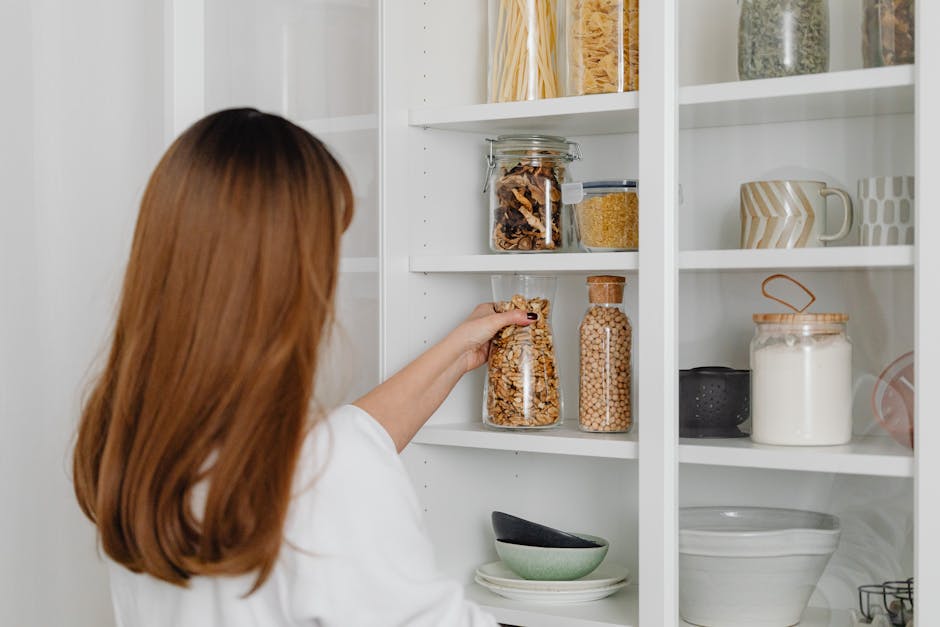
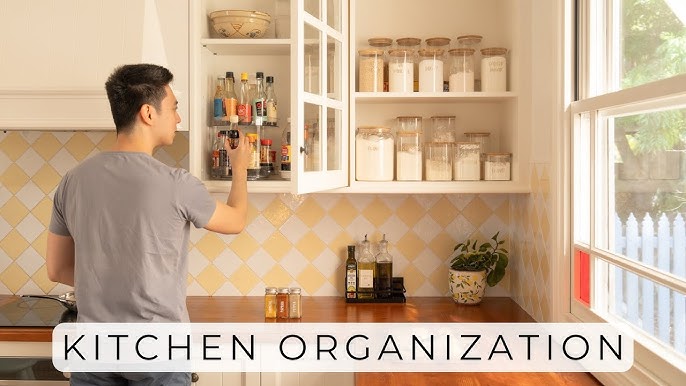
Opt for uniform storage containers to maximize space and maintain order. Transparent containers are ideal as they let you see what's inside without opening them. These containers also keep food fresh longer and prevent spills.
Think about the layout and accessibility. Store frequently used items at eye level. Less-used supplies can be placed higher or lower, making your everyday cooking routine seamless.
Reflect on how a well-organized pantry influences your meal planning. Do you find yourself cooking more creatively or saving money by using what you have? Consider taking a moment to reorganize today. You might uncover hidden gems in your pantry and reintroduce them to your meals!
Creating A Maintenance Routine
Creating a maintenance routine in your kitchen ensures it remains functional and tidy. A consistent approach will help you manage your space efficiently. By establishing a routine, you can reduce stress and enjoy cooking more. It also prolongs the life of your appliances and kitchenware. Let's explore key elements of a maintenance routine.
Regular Cleaning Schedule
Set aside time each week for a thorough kitchen clean. Focus on countertops, sinks, and appliances. Clear crumbs and spills to prevent pests and odors. Use mild cleaners to avoid damaging surfaces. Include tasks like wiping cabinet doors and cleaning the microwave. Keep your fridge organized and clean by removing expired items weekly.
Seasonal Organization Tasks
Dedicate time each season to deeper organization. Remove items you no longer use. Donate or recycle them. Check pantry staples for expiration dates. Rearrange items based on seasonal cooking needs. Clean and inspect kitchen appliances for wear. Rotate cookware and utensils, placing frequently used items within easy reach.
Incorporating Personal Style
Bring personality to kitchen organization by using colorful containers or labels. Consider open shelving to showcase unique dishware. Personal touches can make your kitchen both functional and inviting.
Adding your personal style to your kitchen doesn't just make it look great; it makes cooking more enjoyable. Imagine a space where functionality meets your unique taste, making every meal prep session a pleasure. Let's dive into how you can blend aesthetics with practicality, ensuring your kitchen not only works well but also reflects your personality.
Aesthetic Elements
Personal style starts with aesthetic choices. Think about colors, textures, and materials that you love. Perhaps you adore the look of natural wood or the sleekness of stainless steel. Consider the color palette of your kitchen. Do you prefer calming blues, vibrant reds, or neutral tones? These choices can set the mood and make the space feel truly yours. Textures play a significant role too. A mix of smooth countertops and rustic wooden shelves can add depth and interest. Even small details like the finish on your cabinet handles can enhance the overall aesthetic.
Balancing Style And Functionality
While style is important, functionality should never be compromised. A beautiful kitchen is great, but not if it hampers your cooking flow. Think about the layout of your kitchen. Is everything within easy reach? An open shelving system might look amazing but consider if it suits your storage needs. Don't shy away from mixing styles if it improves usability. A vintage farmhouse sink with modern appliances can create a unique look while ensuring efficiency. During my own kitchen makeover, I added a bright, retro clock that not only reflected my love for vintage items but also helped me keep track of cooking times. It was a small change, but it made a big difference. Ask yourself, how can your kitchen reflect your style while still being a functional space? Remember, it's about creating a kitchen that works for you, both in appearance and practicality.
Credit: m.youtube.com
Frequently Asked Questions
How Can I Maximize Kitchen Storage Space?
Maximize storage by utilizing vertical space with shelves and hooks. Use drawer organizers and stackable containers. Prioritize accessibility for frequently used items. Consider multi-functional furniture like kitchen islands with storage. Also, regularly declutter to ensure efficient use of available space, keeping the kitchen organized and functional.
What Are Essential Kitchen Organizing Tools?
Essential tools include drawer organizers, shelf risers, and magnetic strips for knives. Use clear containers for pantry items. Install hooks for utensils and pots. Consider lazy Susans for corner cabinets. These tools help maintain order, improve accessibility, and enhance the functionality of your kitchen space.
How Do I Keep My Countertops Clutter-free?
Keep countertops clutter-free by storing items in cabinets or drawers. Use trays for grouped essentials like oils and spices. Limit countertop appliances to those used daily. Regularly declutter and clean surfaces. A tidy countertop enhances workspace efficiency and contributes to a functional kitchen environment.
How Can I Organize My Pantry Effectively?
Organize your pantry by categorizing items and using clear containers for visibility. Label shelves and containers for easy identification. Regularly check and rotate stock to minimize expired items. Utilize vertical space with stackable shelves. This system ensures easy access, prevents waste, and maintains a neat pantry.
Conclusion
Organizing your kitchen can transform daily routines. A tidy kitchen saves time. Cooking becomes more enjoyable. Start small with drawers and shelves. Use containers for better storage. Label items for easy access. Regular cleaning keeps things neat. Donate or discard unused items.
Ensure everything has its place. Personalize to fit your lifestyle. Consider open shelves for easy reach. Keep counters clutter-free. Enjoy the process, not just the result. Celebrate small victories in organization. A functional kitchen brings joy. Cooking becomes a pleasure, not a chore.
Try these tips today and feel the change.