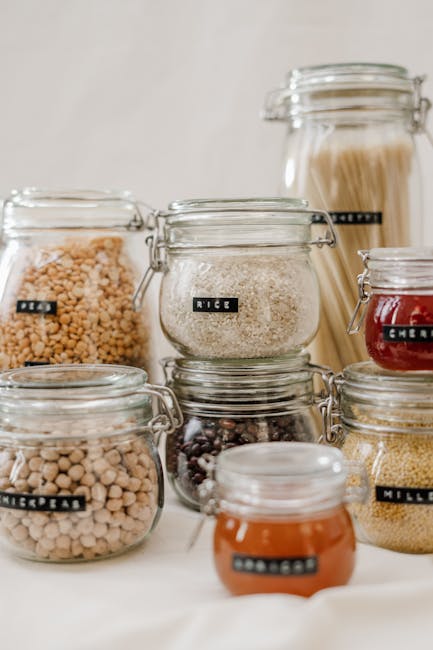

Are you tired of cluttered cabinets filled with mismatched plastic containers and elusive lids? Imagine a kitchen that's neat, efficient, and eco-friendly—without relying on plastic.
If you've ever felt frustrated by the chaos of your storage space, you're not alone. Many people are seeking smarter, sustainable solutions for organizing their kitchens. This guide is here to help you transform your kitchen into a streamlined haven, free from the hassle of plastic containers and lids.
Discover simple, effective strategies that not only reduce clutter but also align with a greener lifestyle. Dive in to learn how you can revolutionize your kitchen organization today!
:strip_icc()/BHG_10_Genius_Solutions_for_Storing_and_Organizing_Food_Storage_Containers_Alicia_Long_V1_01-4e996abc1159410e9202b3e9b73be7eb.jpg)
Credit: www.bhg.com
Eco-friendly Storage Solutions
Organizing your kitchen without plastic containers promotes a sustainable lifestyle. It reduces your environmental footprint while keeping your kitchen tidy. Eco-friendly storage solutions offer a healthier way to store food. They help you avoid harmful chemicals found in plastics. These alternatives are durable and stylish. They add a natural touch to your kitchen decor.
Glass Jars And Containers
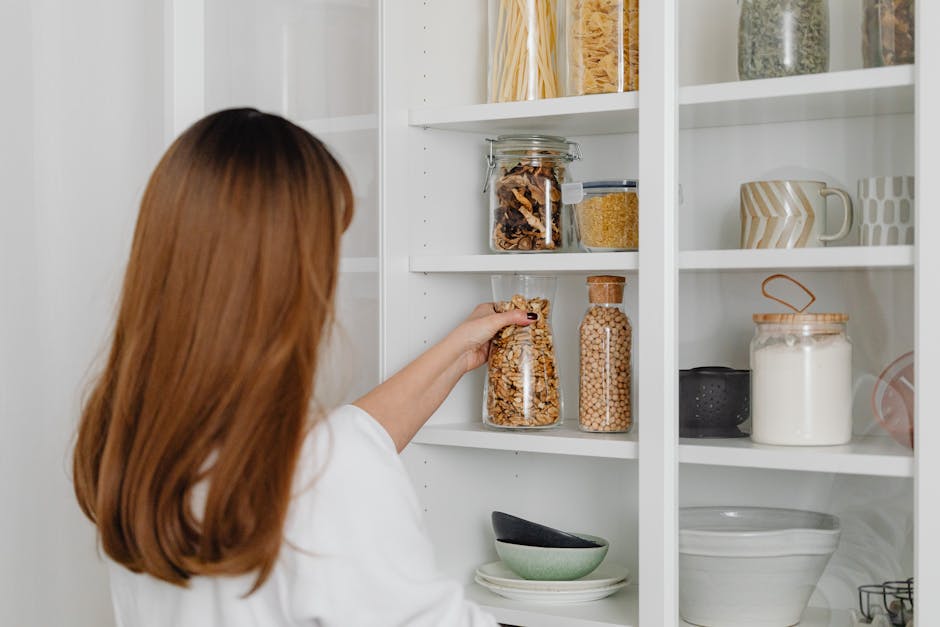
Glass jars are a great option for food storage. They are transparent, allowing you to see contents easily. They do not absorb odors or stains. This keeps your food fresh and tasty. Glass containers come in various sizes and shapes. You can use them for dry goods, leftovers, or even liquids. Their airtight seals ensure your food stays fresh longer.
Stainless Steel Options
Stainless steel containers are sturdy and long-lasting. They are resistant to rust and corrosion. Perfect for storing both cooked and raw food. These containers are lightweight and easy to clean. They do not leach chemicals into food. This makes them a safe choice for your family. Stainless steel options include lunch boxes and stackable containers.
Wooden And Bamboo Alternatives
Wooden and bamboo storage options are eco-friendly and stylish. They add warmth and charm to your kitchen. Bamboo is a sustainable material, growing quickly and renewably. Wooden containers are great for storing dry goods like grains and spices. They are biodegradable and do not harm the environment. Choosing these options supports a green lifestyle.
Sustainable Food Preservation
Preserving food sustainably is essential for a healthy planet. Avoiding plastic containers can be a challenge. Many eco-friendly options exist. They keep food fresh without harming the environment.
Wax Wraps For Freshness
Wax wraps are a natural choice for keeping food fresh. Made from beeswax, cotton, and tree resin, they create a breathable seal. This lets food stay fresh longer without plastic. Wrap sandwiches, fruits, or vegetables easily. Rinse them with cool water and reuse multiple times.
Cloth Bags For Bulk Items
Cloth bags offer a sturdy option for storing bulk items. They are perfect for grains, nuts, or pasta. These bags are washable and reusable. This makes them a sustainable choice for every kitchen. They also reduce the need for single-use plastic bags.
Compostable Packaging Choices
Compostable packaging is ideal for those wanting to go green. Made from plant materials, it breaks down naturally. This reduces waste and supports eco-friendly practices. Use compostable bags for storing leftovers or packing lunches. They are available in various sizes for different needs.
Zero-waste Shopping Habits
Embracing zero-waste shopping habits can dramatically transform how you organize your kitchen. You’ll find that reducing your reliance on plastic containers and lids starts even before you step into your kitchen. It begins with the choices you make while shopping. By adopting sustainable practices, you contribute to a cleaner environment and set the stage for a more organized kitchen.
Reusable Bags And Totes
Consider ditching single-use plastic bags for reusable ones. They are a fantastic first step toward zero-waste shopping. These bags are sturdy, can handle heavy loads, and are easy to clean. They also come in various sizes and styles, allowing you to choose what suits your needs best.
Imagine carrying your groceries in beautiful, reusable totes each week. Not only does this reduce plastic waste, but it also adds a touch of style to your shopping routine. Have you ever wondered how much plastic you could save in a year by using reusable bags? The numbers might surprise you!
Buying In Bulk
Buying in bulk is a game-changer. It cuts down on packaging waste significantly. You can bring your own containers or bags to fill up on grains, nuts, or spices. This practice helps you avoid unnecessary plastic and keep your kitchen clutter-free.
Think about the satisfaction of pouring out of your glass jars rather than fumbling with a plastic bag. Bulk shopping often saves money too. With fewer packaging costs, stores can offer better prices on bulk items. Isn’t it great to be both eco-friendly and budget-conscious?
Local And Organic Markets
Shopping at local and organic markets can be a delightful experience. Many local vendors offer fresh produce without excessive plastic packaging. You support local farmers and reduce your carbon footprint by choosing local over imported goods.
Imagine strolling through a vibrant market, selecting seasonal produce that hasn't traveled thousands of miles. It's an opportunity to interact directly with growers, learn about their practices, and choose items that align with your zero-waste goals. Have you ever thought about the impact of your food's journey to your plate?
Embracing these zero-waste shopping habits can significantly simplify your kitchen organization. Each small change contributes to a larger goal of sustainable living. Are you ready to make these habits part of your routine and transform your kitchen into a zero-waste haven?
Diy Kitchen Essentials
Embracing a plastic-free kitchen can be rewarding. With a little creativity, you can organize your kitchen using homemade solutions. These DIY kitchen essentials are sustainable and budget-friendly. They also add a personal touch to your kitchen space. Explore these projects to create a more eco-friendly kitchen.
Homemade Cleaning Solutions
Store-bought cleaners often come in plastic bottles. You can make your own cleaning solutions at home. Mix vinegar and water for an all-purpose cleaner. Add a few drops of essential oil for a pleasant scent. Baking soda is great for scrubbing tough spots. Lemon juice helps to remove stains. These natural cleaners are safe and effective.
Crafting Cloth Napkins
Paper napkins contribute to waste. Instead, make your own cloth napkins. Use old fabric or buy some that matches your kitchen decor. Cut the fabric into squares and sew the edges. Cloth napkins are reusable and easy to wash. They add charm to your dining table. Plus, they are better for the environment.
Creating Beeswax Wraps
Beeswax wraps are a great alternative to plastic wrap. They keep food fresh and are reusable. To make them, you need cotton fabric and beeswax. Melt the beeswax and brush it onto the fabric. Let it cool and harden. Use these wraps to cover bowls or wrap sandwiches. They are a natural way to store food.
Organizational Hacks
Organizing a kitchen without plastic containers and lids can seem daunting. But with the right hacks, it becomes manageable and eco-friendly. These organizational hacks will help you maintain a tidy and efficient kitchen space.
Labeling And Sorting
Labeling is key to a well-organized kitchen. Use chalkboard labels on glass jars and metal tins. This makes it easy to identify contents at a glance. Sort items by category. Keep spices in one area and grains in another. This reduces search time and maintains order.
Efficient Use Of Space
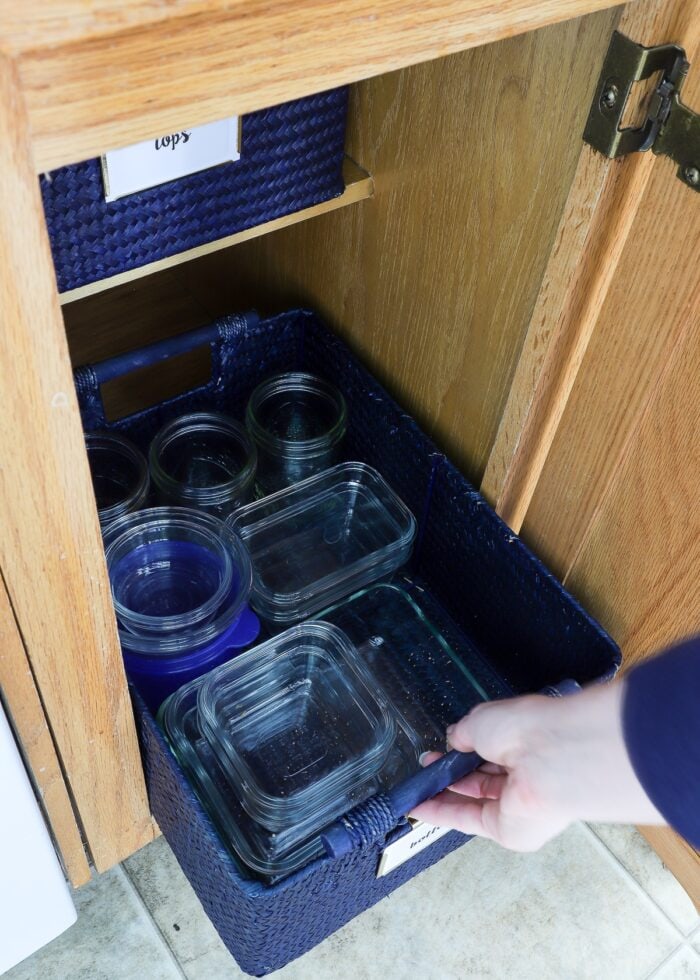
Maximize space by using vertical storage solutions. Install shelves on walls for holding jars and canisters. Use stackable bins to save cabinet space. Hang pots and pans on hooks. This frees up drawer space for other items.
Rotating Food Stock
Regularly rotate food stock to keep it fresh. Place older items at the front. This ensures they get used first. Check expiration dates frequently. This prevents food waste and keeps your inventory up to date.

Credit: www.amazon.com
Minimizing Plastic In Cooking
Organize your kitchen with glass jars, metal tins, and wooden boxes. Use cloth covers for food storage. Choose sustainable options to keep your cooking space plastic-free.
Minimizing plastic in your kitchen doesn't mean sacrificing convenience or style. It’s about making mindful choices that benefit both you and the environment. Many of us have a kitchen full of plastic without even realizing it. I remember opening my cabinet one day and being overwhelmed by a sea of mismatched plastic containers and lids. That was my wake-up call to rethink my kitchen habits. Are you ready to make the switch too? Let's dive into some practical tips.
Choosing Non-plastic Utensils
Your utensils are a great starting point for reducing plastic in your kitchen. Opt for stainless steel or bamboo tools. These materials not only last longer but also look elegant on your countertop. Wooden spoons and spatulas are excellent choices. They are gentle on your cookware and add a rustic charm. Consider silicone as well. It's durable and heat-resistant, making it perfect for high-temperature cooking. Imagine the joy of cooking with tools that don't bend or warp over time. Upgrading your utensils is a small change with a big impact.
Alternative Cookware Options
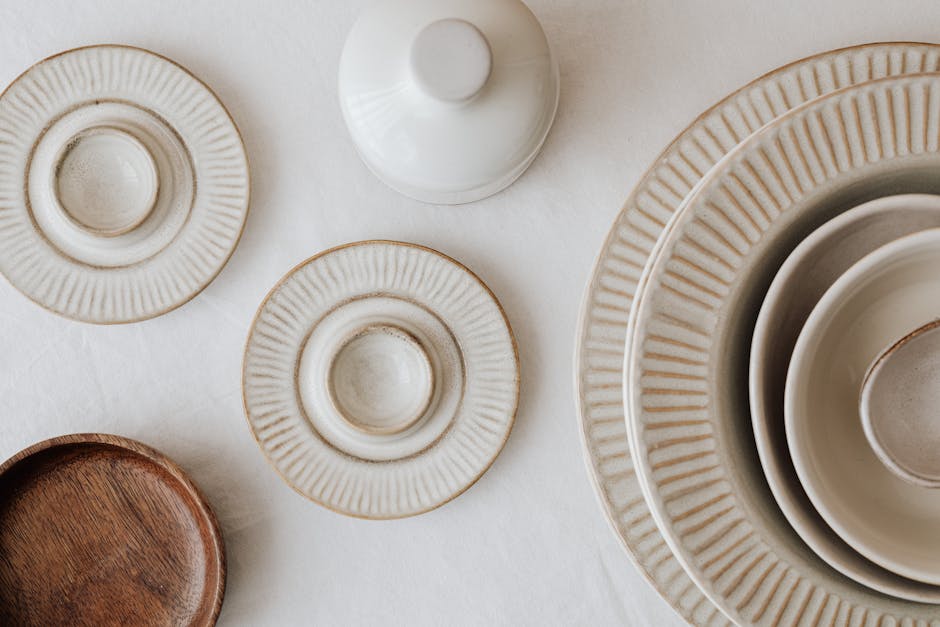
Ditching plastic doesn’t stop at utensils. Your cookware also plays a huge role. Cast iron and stainless steel pans are fantastic alternatives. They distribute heat evenly and elevate your cooking game. Glass and ceramic baking dishes are perfect for oven use. They’re non-reactive, ensuring your food tastes just as it should. Plus, they’re easy to clean. If you love non-stick surfaces, consider seasoned cast iron. It provides a natural non-stick layer without harmful chemicals. What’s your favorite cookware swap?
Natural Scrubbing Brushes
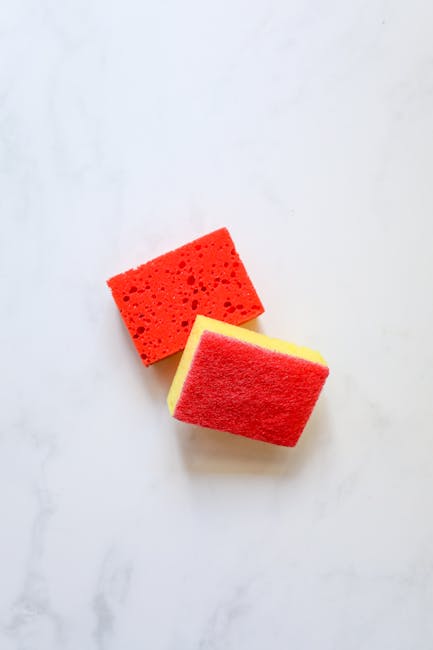
When it comes to cleaning, plastic sponges are often the go-to. However, natural scrubbing brushes are a fantastic alternative. Made from materials like coconut husk and wood, they’re tough on grime but gentle on your dishes. These brushes are biodegradable, making them an eco-friendly choice. Plus, they usually last longer than traditional sponges. You’ll find that they add a touch of elegance to your kitchen sink area. Switching to natural brushes can transform your cleaning routine. It’s a small step towards a plastic-free kitchen that makes a big difference. What kind of brush will you try first? Embrace these changes in your cooking and cleaning habits, and you'll find that minimizing plastic is not just feasible but also rewarding. With each swap, you're making a positive impact on your home and the world.
Inspiring A Plastic-free Lifestyle
Discover eco-friendly alternatives for kitchen organization without plastic containers. Use glass jars, metal tins, and wooden boxes for storage. Choose reusable cloth bags for produce and dry goods. These options maintain food freshness while reducing plastic waste. Embrace a sustainable lifestyle with these simple swaps.
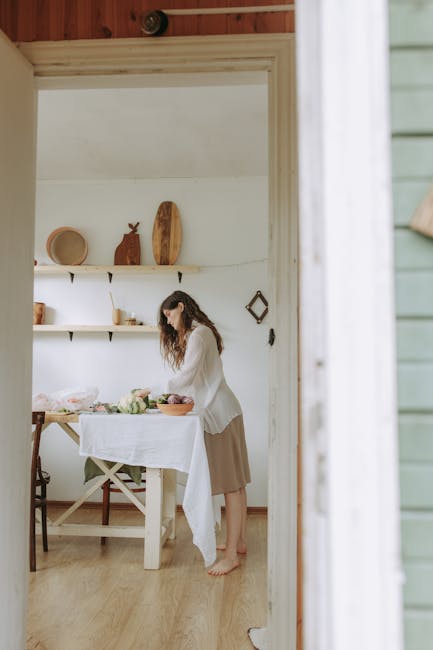
Transitioning to a plastic-free lifestyle can seem daunting, especially when it involves reorganizing your kitchen. Yet, it's a rewarding journey that can inspire not only you but also those around you. Imagine walking into a kitchen where natural materials reign supreme, and knowing that you're making a positive impact on the environment. Engaging family and friends in this endeavor can be a fun and fulfilling experience. Start by sharing why you're opting for alternatives to plastic containers. Discuss the health benefits and environmental impacts, and encourage them to join you in this change. Invite them over for a meal prepared with ingredients stored in sustainable containers, sparking curiosity and conversation.
Engaging Family And Friends
Your enthusiasm can be contagious. Host a weekend challenge where everyone swaps plastic for sustainable materials like glass, stainless steel, or bamboo. Make it a game to see who can come up with the most creative storage solutions. You'll be surprised at how quickly others will want to participate once they see the benefits.
Sharing Success Stories
People love hearing real-life stories. Share how switching to glass jars has cut down your grocery bills because you now buy in bulk. Talk about how your leftovers stay fresher in stainless steel containers. These small victories not only highlight the practicality but also motivate others to give it a try.
Advocating For Change
Becoming an advocate for a plastic-free kitchen doesn't mean lecturing others. Instead, lead by example and let your actions speak. Could you organize a community workshop to show practical ways to reduce plastic use in the kitchen? Encourage local stores to offer more sustainable options by demonstrating the demand. Inspiring a plastic-free lifestyle begins with small, actionable steps. What changes can you make today that will inspire others tomorrow? Embrace the challenge and watch your community transform, one kitchen at a time.
Credit: thehomesihavemade.com
Frequently Asked Questions
What Are Alternatives To Plastic Containers?
Consider using glass, stainless steel, or ceramic containers. These materials are durable and non-toxic. They help in keeping food fresh and safe. Mason jars and bamboo containers are also great options. These alternatives are eco-friendly and add aesthetic value to your kitchen.
How To Store Food Without Plastic Lids?
Use beeswax wraps, silicone lids, or cloth covers. These options are reusable and environmentally friendly. They effectively preserve food freshness. Beeswax wraps can mold to fit any shape. Silicone lids create an airtight seal on bowls and pots.
Are Glass Containers Better For The Kitchen?
Yes, glass containers are a great choice. They are non-toxic, durable, and microwave safe. Glass does not leach chemicals into food. It is easy to clean and odor-resistant. Using glass can enhance the sustainability of your kitchen.
How Can I Organize A Zero-waste Kitchen?
Start by eliminating single-use plastics. Use reusable containers and shop with cloth bags. Buy in bulk to reduce packaging waste. Compost kitchen scraps to minimize food waste. Opt for biodegradable cleaning supplies for a truly zero-waste kitchen.
Conclusion
Organizing a kitchen without plastic is possible and eco-friendly. Use glass jars for dry goods. They look neat and are reusable. Consider bamboo baskets for fruits and vegetables. They're stylish and natural. Wooden crates can store larger items. They add a rustic touch.
Metal tins work well for spices and snacks. Durable and easy to clean. Cloth bags can hold onions and potatoes. Breathable and reusable. By choosing these alternatives, you reduce waste. Your kitchen stays organized and sustainable. Small changes make a big difference.
Enjoy a clutter-free, plastic-free kitchen today!