Your kitchen pantry is the heartbeat of your home, a place where meals begin and memories are made. Yet, it can quickly spiral into chaos, leaving you frustrated and overwhelmed.
Imagine opening your pantry and instantly finding what you need without the stress of searching through clutter. This weekend, you can transform your pantry into a well-organized haven with just a few simple steps. Picture the joy and relief as you effortlessly locate ingredients, saving you time and energy.
Ready to turn that vision into reality? Let's dive into how you can organize your kitchen pantry this weekend and reclaim your space.

Credit: cleanmama.com
Assess Your Pantry Space
Begin by evaluating your pantry space to identify clutter and unused items. This helps create a more organized kitchen. Clear out expired products, and consider new storage solutions to optimize space.
Organizing your kitchen pantry might seem daunting, but assessing your pantry space is the first step to creating a functional and efficient storage area. By understanding the layout, dimensions, and current state of your pantry, you set the foundation for a successful reorganization. This initial assessment will guide your decisions and make the process smoother and more enjoyable.
Measure And Evaluate Your Space
Start by measuring the dimensions of your pantry. Knowing the height, width, and depth can help you plan the best use of the space. Consider how much room you have for shelves and storage bins. Think about adding hooks for hanging items or extra baskets for bulky goods.
Identify Problem Areas
Look for cluttered spots or shelves that seem overloaded. Are there items that frequently fall or get lost behind others? Recognize these problem areas to prioritize them in your organization process.
Consider Your Pantry Goals
What do you hope to achieve with your pantry reorganization? Do you want to make meal prep easier or reduce food waste? Your goals can help tailor your pantry setup to meet your specific needs.
Take Inventory Of Your Items
List down all the items currently in your pantry. Are there expired goods lurking in the corners? This inventory will help you decide what needs to stay and what can be discarded.
Think About Accessibility
Are the items you use most often easy to reach? Is there a better way to arrange them for quicker access? Strategically placing everyday items can streamline your cooking routine.
Reflect On Your Pantry Usage
How do you currently use your pantry space? Do you find yourself searching for ingredients in a rush? Reflecting on your usage can highlight what changes will truly make a difference. By taking the time to assess your pantry space, you pave the way for a transformation that suits your lifestyle. It might be tempting to skip this step, but a thorough evaluation ensures you make informed choices that enhance your kitchen's functionality. Ready to tackle your pantry this weekend? Remember, the effort you put in now will pay off in everyday convenience and efficiency.
Credit: blog.vagueetvogue.com
Declutter And Clean
Is your kitchen pantry a place of mystery, where items vanish into thin air or sit forgotten for years? It's time to transform that cluttered corner into a streamlined space. Decluttering and cleaning your pantry not only makes cooking more enjoyable but also saves you money as you stop buying duplicates of what you already have. Let's dive into this weekend project, starting with the two crucial steps: sorting and discarding expired items, and deep cleaning the shelves and containers.
Sort And Discard Expired Items
Begin by taking everything out of your pantry. Yes, everything! This allows you to see exactly what you have. Start sorting by placing items into categories: canned goods, snacks, grains, spices, etc.
Check expiration dates diligently. You might be surprised at how many expired products are lurking in your pantry. Are you holding onto that spice mix you bought on a whim two years ago? Time to let it go.
Don't just toss expired items blindly. Consider if any can be composted or recycled. This step not only clears up space but also makes room for fresh, usable products. Does it feel liberating to let go of the old to make way for the new?
Deep Clean Shelves And Containers
Once your pantry is empty, it's time to roll up your sleeves for a deep clean. Wipe down shelves with a damp cloth and a gentle cleaner. Pay special attention to corners where crumbs tend to hide.
Take a moment to examine each container. Is there a sticky residue from a long-gone spill? Soak and scrub them clean. Containers should be spotless to keep your food fresh and inviting.
Consider lining shelves with non-slip mats. They protect surfaces and make cleaning easier next time. Have you ever thought about how a clean pantry can inspire healthier eating habits?
As you embark on this decluttering journey, remember that a clean and organized pantry is more than just tidiness—it's an investment in your culinary creativity and peace of mind. Are you ready to tackle the clutter and reclaim your pantry space this weekend?
Plan Your Pantry Layout
Organizing your kitchen pantry in a weekend is achievable with a solid plan. Start by considering the layout that suits your needs. A well-organized pantry saves time and reduces stress. It ensures you find everything easily. Planning the layout involves grouping items and assigning storage zones.
Categorize Food Items
Begin by categorizing food items. Group similar items together. Place canned goods with other cans. Keep dry ingredients like flour and sugar together. Organizing by type helps locate things quickly. It also simplifies restocking. Use clear containers for better visibility.
Designate Storage Zones
Designate specific storage zones within the pantry. Assign shelves for snacks, spices, and baking supplies. Store items you use frequently at eye level. Reserve lower shelves for heavy items. Use higher shelves for less-used goods. Label each zone for easy identification.
Select Storage Solutions
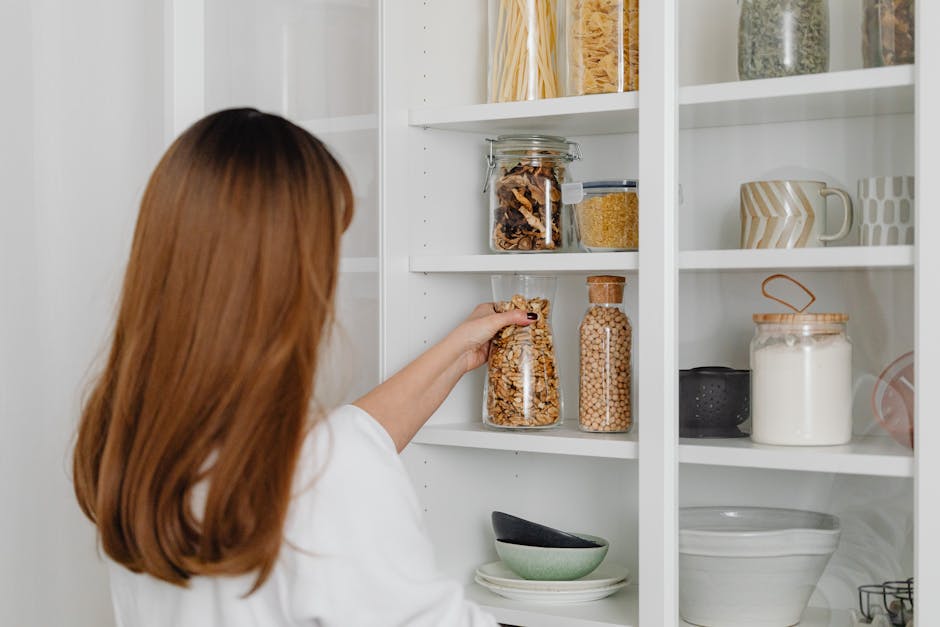
Tackle your kitchen pantry this weekend with smart storage solutions. Group similar items together for easy access. Use clear containers to see contents quickly. Install shelves to maximize space and keep everything organized.
Organizing your kitchen pantry can feel like a daunting task, but selecting the right storage solutions can make it a breeze. The right containers and organizers can transform your pantry from chaotic to calm in just a weekend. By making smart choices, you not only maximize space but also make your kitchen more functional and enjoyable to use.
Choose Bins And Baskets
Think about the types of items you store in your pantry. Do you have a lot of snacks, canned goods, or baking supplies? Bins and baskets are perfect for grouping similar items together. You might have experienced the frustration of searching for that elusive bag of rice, only to find it buried under a mountain of other items. Using bins, you can easily categorize and access your pantry essentials. Stackable bins can save precious space, while baskets with handles offer easy access to frequently used items. Choose sizes that fit your shelves and are easy to pull out. Consider using labels to keep everything organized. This makes it simple to locate what you need when you're cooking or preparing meals.
Use Clear Containers
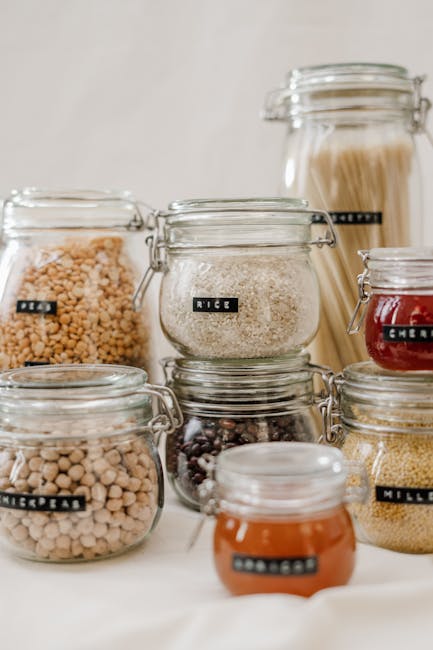
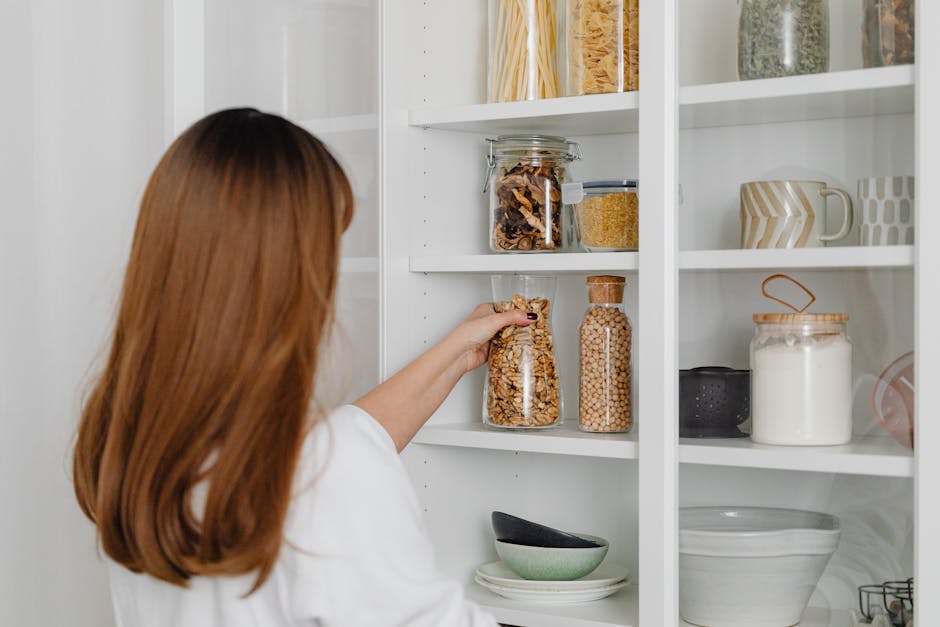
Clear containers can be a game-changer in your pantry. They allow you to see exactly what you have at a glance, preventing unnecessary purchases and reducing waste. Imagine reaching for a container of flour and knowing exactly how much is left. This visibility not only saves time but also helps you plan meals and shopping trips more effectively. Opt for airtight containers to keep food fresh and secure. Organize your dry goods, like cereals, pasta, and grains, in these containers. They create a uniform look and help maintain a tidy appearance. Plus, they eliminate the clutter of random packaging, making your pantry look sleek and organized. Have you ever thought about how much space you could save by choosing the right storage solutions? Taking the time to select the right bins, baskets, and clear containers can make all the difference in your kitchen pantry.
Label Everything
Labeling is the secret to a tidy kitchen pantry. It makes everything easy to find. Clear labels prevent chaos and save time. They help family members know where items belong. This step transforms your pantry into an organized space. Let's dive into how to label effectively.
Create Consistent Labels
Consistency is key in labeling. Choose a style and stick to it. Use the same font and size for every label. This uniformity creates a neat look. It also helps your eyes scan shelves quickly. Invest in a label maker for clear results. Or, handwrite labels using a neat style.
Use Color-coding Systems
Colors can guide and organize. Assign colors to different categories. For example, use red for spices and blue for grains. This visual aid speeds up finding items. It also adds a splash of fun to your pantry. Make sure everyone in the house knows the color code. It keeps the system working smoothly.
Implement Organization Systems
Transform your kitchen pantry into a well-organized space this weekend. Sort items by categories for easy access. Use clear containers to keep everything visible and neat.
Organizing your kitchen pantry doesn't have to be an overwhelming task that drags on for weeks. By implementing effective organization systems, you can transform your pantry in just a weekend. A well-organized pantry not only looks appealing but also makes meal prep more efficient and enjoyable. Let's dive into some practical strategies to get you started.
Establish A Rotation Method
Ensuring that older items are used before newer ones can prevent food waste and save you money. Consider arranging your pantry items in a way that the newest purchases are placed at the back, and older items are brought to the front. This simple rotation method helps you keep track of expiration dates and ensures nothing gets forgotten at the back of a shelf. A helpful tip is to use labels or sticky notes to mark the purchase dates on your food items. This visual cue can be a lifesaver when you're in a hurry. Have you ever found an expired can of soup hiding in the corner? With a rotation system, that will become a thing of the past.
Incorporate Vertical Space
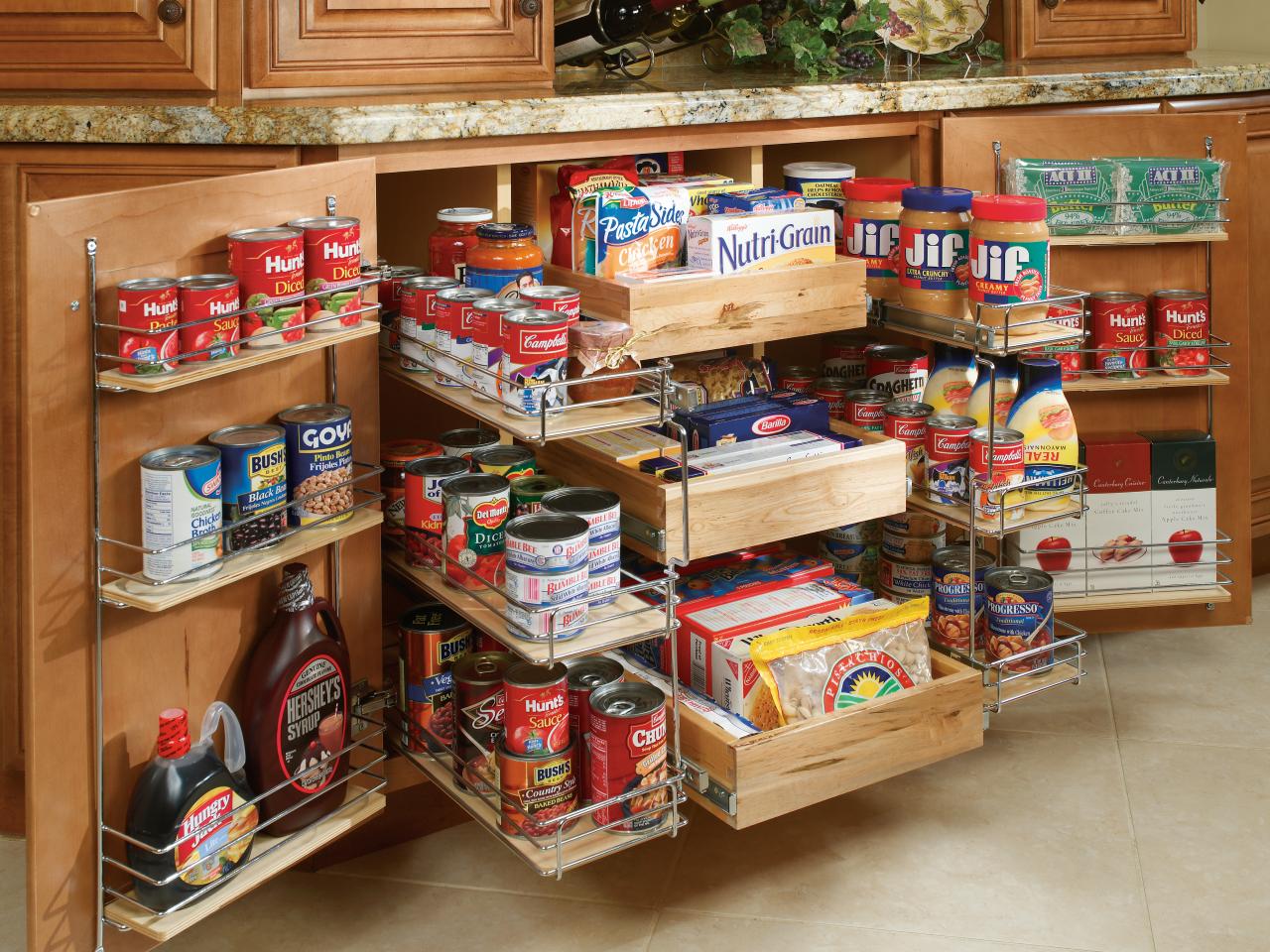
Maximize your pantry's potential by utilizing its vertical space. Shelves, stackable baskets, and hooks can help you make the most of every inch. Think of using shelf risers for canned goods or baskets for snacks. This approach not only organizes but also doubles your storage capacity. Consider installing a pegboard on the inside of your pantry door to hang measuring spoons, small bags, or other lightweight items. This not only frees up shelf space but keeps frequently used items within easy reach. Imagine the satisfaction of opening your pantry to find everything neatly in place and easily accessible. What creative solutions can you come up with to make the most of your pantry's vertical space? The possibilities are endless and can be tailored to fit your unique needs. Embrace the challenge and transform your pantry into a functional masterpiece.
Maintain And Review
Keep your pantry tidy by regularly checking expiration dates and arranging items logically. Frequent reviews ensure you use ingredients before they spoil, saving money and minimizing waste.
Maintaining and reviewing your kitchen pantry organization is key to ensuring it remains efficient and clutter-free. After putting in the effort to sort and arrange your pantry over the weekend, it’s important to establish a routine for keeping it in order. This involves setting up a regular check-in schedule and being ready to make adjustments as necessary. Let's dive into these steps to help you maintain a pantry that serves your needs efficiently.
Set A Regular Check-in Schedule
A regular check-in schedule is essential for long-term pantry organization. Decide on a frequency that suits your lifestyle; it could be weekly, bi-weekly, or monthly. Use these check-ins to assess what items you’re running low on and what might be nearing expiration. During these check-ins, take a moment to tidy up. Return any misplaced items to their designated spots. This is a great time to update your shopping list based on what’s missing or needs replenishing.
Adjust Systems As Needed
No organization system is perfect from the start. Be open to making changes if something isn’t working. Perhaps the snack bin is always overflowing, or spices are hard to reach. Think about what’s causing these issues. Are your containers too small, or do you need more space? Adjustments can be as simple as swapping shelf placements or adding extra bins. Listening to your family’s feedback can also be helpful. If they struggle to find things or put items back, it may be time to rethink your strategy. Have you found a system that works well for you? Remember, a well-maintained pantry is a living space that evolves with your needs. By regularly reviewing and adjusting, you ensure it remains a helpful and pleasant area in your home.

Credit: designthusiasm.com
Frequently Asked Questions
What Is The First Step In Organizing A Pantry?
Start by emptying your pantry completely. Assess what you have and discard expired items. Group similar items together and consider storage solutions like bins or baskets. This initial step creates a clean slate, making the organization process smoother and more effective.
How Do You Categorize Pantry Items Efficiently?
Organize items by type, such as baking supplies, canned goods, or snacks. Use clear labels to identify each category. This method simplifies finding items and maintaining order. It also helps in quickly identifying when restocking is needed, ensuring your pantry remains organized and functional.
What Tools Help In Pantry Organization?
Invest in shelves, baskets, and clear containers. Adjustable shelves maximize space, while baskets keep items grouped. Clear containers allow easy visibility and access. These tools enhance pantry functionality, helping you maintain order and quickly locate items, streamlining your cooking and meal preparation.
How Often Should You Reorganize Your Pantry?
Reorganize your pantry every few months. Regular maintenance prevents clutter and ensures freshness. It helps in adapting to changing needs, like seasonal ingredients or new dietary preferences. Frequent reorganization keeps your pantry efficient, ensuring it meets your household's evolving requirements.
Conclusion
Your kitchen pantry can be organized in just one weekend. Start with a clear plan. Sort items and group them by category. Use bins and labels to keep everything tidy. Remember to place frequently used items within easy reach. Maintain this system weekly for best results.
A well-organized pantry saves time and reduces stress. Cooking becomes more enjoyable. You find what you need quickly. Invite family to help, making it fun. Celebrate the achievement together. Your pantry transformation awaits this weekend. Enjoy a clutter-free kitchen space.
Feel the difference it makes daily.