
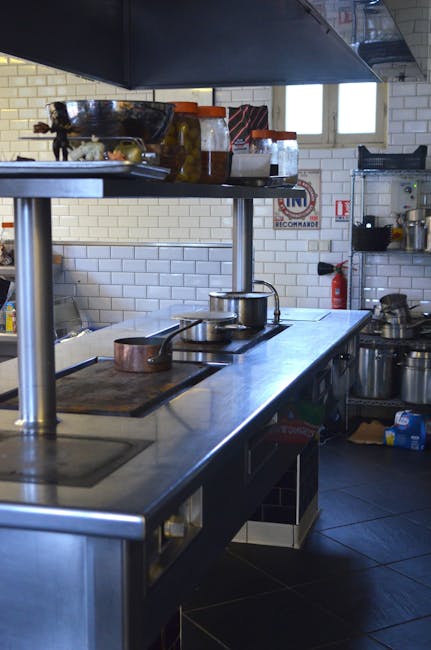
Are you feeling overwhelmed by the chaos in your commercial kitchen? You're not alone.
Many restaurant owners and kitchen managers face the same challenge. A disorganized kitchen can slow down service, increase stress, and even impact your bottom line. But there's good news—getting your kitchen in order is easier than you think. Imagine a space where everything is within reach, where your team moves seamlessly, and where efficiency is the norm.
Sounds like a dream, right? By following a few simple steps, you can transform your kitchen into a well-oiled machine. Ready to discover how to streamline your space and boost productivity? Let's dive in and unlock the secrets to a perfectly organized commercial kitchen.

Credit: greyjournal.net
Kitchen Layout Design
Designing a commercial kitchen layout involves strategic planning. It impacts efficiency, safety, and workflow. A well-organized kitchen reduces stress and boosts productivity. It ensures smooth operations and maximizes kitchen potential.
Work Zones
Divide the kitchen into specific work zones. This helps staff know their tasks. Common zones include prep, cooking, and storage. Each zone should have necessary tools nearby. This minimizes movement and saves time.
Traffic Flow
Efficient traffic flow is crucial. It prevents collisions and confusion. Create clear paths for staff movement. Avoid cross-traffic between zones. Design pathways wide enough for safe passage. This keeps operations smooth and safe.
Space Utilization
Maximize every inch of space. Use vertical storage solutions. Install shelves and racks. This keeps counters free and organized. Arrange equipment logically. Ensure easy access to frequently used items. Proper space use enhances efficiency.
Essential Equipment Placement
Organizing your commercial kitchen is crucial for efficiency and safety. The placement of essential equipment plays a key role in streamlining operations. When equipment is strategically placed, it reduces chaos and improves workflow. Let's explore how you can optimize your kitchen layout with smart equipment placement.
Cooking Stations
Cooking stations are the heart of your kitchen. Place them close to where the food will be served to minimize travel time. Consider the type of cuisine you serve; different dishes require specific setups. For example, if you're running a pizzeria, your oven should be easily accessible from the dough preparation area.
Think about your kitchen's flow. Can chefs easily move between the stove and the prep areas? If not, adjust the layout. A well-organized cooking station boosts productivity and reduces accidents.
Refrigeration Units
Refrigeration units should be near the delivery entrance. This placement speeds up unloading and stocking processes. Ensure they're also close to preparation areas for easy access to ingredients.
Consider the size and type of your refrigeration units. Walk-in refrigerators are great for large kitchens, while smaller ones suit more compact spaces. Accessibility is key; make sure staff can reach what they need without hassle.
Preparation Areas
Preparation areas must be spacious and well-lit. Place them near cooking stations for efficiency. This proximity ensures ingredients are quickly transferred to cooking stations.
Equip your prep areas with essential tools and surfaces. A personal tip: I once added extra storage under the counters, which saved time searching for utensils. How can you make your prep areas more functional?
Remember, the organization isn't just about aesthetics; it's about improving your team's performance. Are your equipment placements helping or hindering your kitchen operations?
Storage Solutions
Efficient storage solutions are crucial in a commercial kitchen. Proper storage keeps your ingredients fresh. It also helps maintain a clean and organized space. This section explores key areas to focus on. Discover ways to optimize dry storage, cold storage, and inventory management.
Dry Storage
Dry storage is essential for non-perishable items. Choose sturdy shelves that can hold heavy containers. Label each shelf for easy identification. Use clear bins to store grains, spices, and canned goods. This reduces clutter and speeds up the cooking process. Organize items by category for quick access. Ensure the area is dry and cool.
Cold Storage
Cold storage preserves perishable items. Invest in quality refrigerators and freezers. Set the temperature based on the food type. Use separate sections for meats, dairy, and vegetables. Label each section clearly. Regularly check for expired items. This maintains food safety standards. Optimize space by using stackable containers.
Inventory Management
Effective inventory management saves time and money. Keep a digital record of stock levels. Update it after each delivery. Use software to track expiration dates. This prevents waste and ensures freshness. Conduct regular inventory checks. Train staff on inventory procedures. This enhances efficiency and reduces errors.
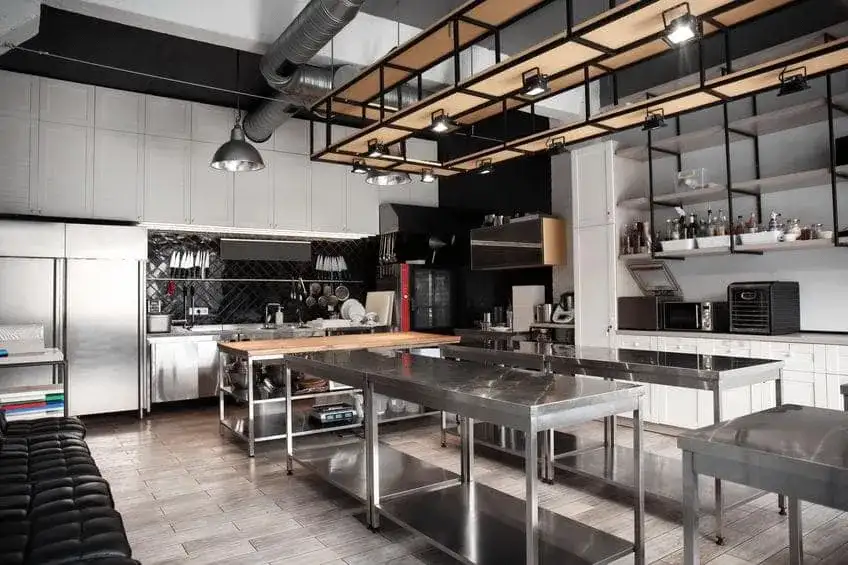
Credit: www.ckitchen.com
Safety And Sanitation
Organizing your commercial kitchen ensures safety and sanitation. Arrange tools and ingredients logically to prevent accidents. Keep surfaces clean and clutter-free for a hygienic environment. Prioritize easy access to cleaning supplies for quick spill management. Regularly inspect equipment for wear and tear to maintain safety standards.
Ensuring safety and maintaining sanitation in your commercial kitchen is not just about following rules—it's about creating an environment where both staff and customers feel secure and valued. Safety and sanitation are the backbone of any successful kitchen operation. They protect your business, your staff, and your guests. How can you effectively manage these critical aspects? Let's dive into some actionable strategies.
Cleanliness Protocols
Maintaining cleanliness is a continuous task. Start by implementing daily cleaning schedules for all surfaces, equipment, and tools. Assign specific tasks to team members, ensuring accountability and thoroughness. Use a checklist to track completed tasks. Regularly inspect the kitchen to ensure these protocols are being followed. During my first week managing a kitchen, I learned that a clean environment boosts team morale and efficiency—don’t underestimate its power.
Fire Safety
Fire safety is crucial in a kitchen where heat and flammable materials are constant companions. Ensure all staff know the location and proper use of fire extinguishers. Conduct regular fire drills to practice evacuation procedures. Install and maintain smoke detectors and fire suppression systems. These systems should be checked monthly. Have you ever thought about how a simple oversight could lead to a dangerous situation?
Health Standards Compliance
Complying with health standards protects your reputation and avoids costly penalties. Stay updated with local health regulations and ensure your kitchen meets or exceeds these standards. Schedule regular training sessions to keep your team informed about the latest health practices. Conduct self-inspections using a health department checklist. By doing so, you'll catch any issues before they become violations. Remember, compliance is not just about passing inspections but ensuring the well-being of everyone who steps into your kitchen. Incorporating these safety and sanitation strategies will not only keep your commercial kitchen running smoothly but also foster a safe and healthy environment for everyone involved. How are you ensuring these practices in your kitchen?
Workflow Optimization
Optimizing workflow in a commercial kitchen boosts efficiency. It ensures smooth operations and reduces stress. A well-organized kitchen enhances productivity and safety. It helps maintain a consistent quality of food. This article explores essential strategies for improving workflow.
Task Sequencing
Task sequencing is crucial for an efficient kitchen. Start with prepping ingredients. This includes washing, cutting, and measuring. Then, focus on cooking tasks. Align these with service times. Organizing tasks in a logical order saves time. It prevents bottlenecks in the kitchen.
Staff Coordination
Staff coordination is vital for a cohesive kitchen. Assign clear roles to each team member. Ensure everyone knows their responsibilities. Hold brief meetings before shifts. Discuss the day's tasks and expectations. This keeps everyone on the same page. It also fosters teamwork and communication.
Time Management
Effective time management keeps the kitchen running smoothly. Set realistic timelines for each task. Use timers to track cooking processes. This helps avoid overcooking or burning. Prioritize tasks based on importance and deadlines. Manage time well to improve service speed and quality.

Credit: www.buzzfeed.com
Technology Integration
Streamline your commercial kitchen by integrating technology tools. These tools help track inventory and improve efficiency. Organize tasks with digital systems to save time and reduce errors.
Integrating technology into your commercial kitchen can transform the way you operate, making processes smoother and more efficient. Imagine a kitchen where smart appliances anticipate your needs, order management systems streamline your workflow, and energy efficiency tools cut costs. It’s not just about keeping up with trends—it's about enhancing productivity and ensuring your kitchen runs like a well-oiled machine.
Smart Appliances
Smart appliances are the future of commercial kitchens, offering you a level of control and precision that was once unimaginable. Picture a smart oven that adjusts cooking times and temperatures based on the dish you're preparing. These appliances can save you time and reduce waste by optimizing cooking processes. Have you ever forgotten to reorder supplies? Smart refrigerators can monitor inventory and notify you when stock is low. This not only keeps your kitchen well-stocked but also ensures freshness and quality.
Order Management Systems
Order management systems (OMS) can greatly simplify your kitchen operations. With an OMS, you can track orders from start to finish, reducing errors and improving customer satisfaction. Imagine the peace of mind knowing every order is accurately documented and efficiently processed. These systems often integrate with your point of sale, ensuring seamless communication between the front and back of the house. No more missing tickets or miscommunication—just smooth, efficient service.
Energy Efficiency Tools
Energy efficiency tools are a game-changer for cost-saving and sustainability. Implementing energy-efficient appliances and monitoring systems can significantly reduce your utility bills. Are you aware of how much energy your kitchen uses daily? Smart meters and sensors provide real-time data on energy consumption, allowing you to make informed decisions. These tools not only contribute to a greener planet but also enhance your bottom line. Incorporating technology in your commercial kitchen is not just a luxury—it's a necessity. By embracing smart appliances, order management systems, and energy efficiency tools, you can boost productivity and cut costs. What steps will you take today to modernize your kitchen?
Staff Training And Development
Organizing a commercial kitchen involves many tasks. One essential aspect is staff training and development. Proper training ensures smooth operations and enhances kitchen efficiency. Well-trained staff can adapt to various situations, reducing downtime and errors. Let's explore key areas of staff training to optimize your kitchen's performance.
Skill Enhancement
Regular skill enhancement boosts staff confidence and productivity. Offer workshops and seminars to improve cooking techniques. Encourage staff to learn new recipes and culinary trends. This keeps the menu fresh and exciting. Provide access to online courses and culinary books. A well-rounded team improves customer satisfaction.
Safety Training
Safety training is crucial in a busy kitchen. Teach staff about food handling and storage. Reduce risks of contamination and spoilage. Regularly update them on safety regulations and guidelines. Conduct fire drills and equipment safety sessions. Well-prepared staff can handle emergencies calmly and efficiently.
Team Building
Strong teamwork is vital for kitchen success. Organize team-building activities to foster cooperation. Encourage communication among staff members. A positive work environment boosts morale and reduces conflict. Create opportunities for staff to share ideas. Regular meetings can improve team cohesion and performance.
Cost Management
Organizing a commercial kitchen involves efficient cost management. Arrange storage areas for easy access to ingredients and equipment. Regularly track expenses to avoid overspending and ensure profitability.
In the hustle and bustle of managing a commercial kitchen, cost management is critical. Keeping expenses in check not only boosts profitability but also ensures your kitchen runs smoothly. With effective strategies, you can save money without compromising quality or efficiency.
Budget Planning
Creating a budget is your first step to managing costs effectively. Start by listing all your expenses, from ingredient purchases to utility bills. Use a simple spreadsheet to track these costs monthly. Set realistic financial goals. Ask yourself, "What percentage of my revenue should I allocate to each expense?" This helps in maintaining a balanced budget. Regularly review your budget. Adjust it based on seasonal changes or special events. This keeps your kitchen financially flexible.
Cost-effective Purchases
Buying in bulk can save you money, but only if you can store it properly. Invest in quality storage solutions to prevent spoilage. Look for suppliers who offer discounts for regular purchases. Establishing strong relationships can lead to better deals. Consider local suppliers. They often provide fresh produce at competitive prices, cutting down on shipping costs.
Waste Reduction
Waste not only impacts the environment but also your bottom line. Track what you throw away each day. Implement portion control. Train your staff to serve consistent portions, reducing leftovers. Repurpose leftovers creatively. Use vegetable scraps for stocks or day-old bread for croutons. This not only saves costs but also adds variety to your menu. Cost management in your kitchen is about being smart with your resources. What changes can you make today to optimize your kitchen's efficiency? With careful planning and strategic actions, you can significantly cut costs and boost your kitchen's performance.
Frequently Asked Questions
How To Maximize Space In A Commercial Kitchen?
To maximize space, use vertical storage, and install shelving and racks. Group similar items together to streamline access. Consider multifunctional equipment to save space. Regularly declutter and reorganize to maintain efficiency. This ensures a tidy workspace and improves kitchen flow.
What Are Essential Kitchen Zones?
Essential kitchen zones include preparation, cooking, cleaning, and storage areas. Each zone should be well-defined and equipped. Proper zoning ensures a seamless workflow and minimizes cross-contamination. Organize zones based on kitchen activities for efficient operations.
How To Ensure Kitchen Safety?
Ensure kitchen safety by maintaining cleanliness and organization. Regularly check and maintain equipment. Implement clear labeling and proper storage of hazardous materials. Train staff on safety protocols. Provide adequate lighting and non-slip flooring. This reduces accidents and promotes a safe environment.
What Are The Benefits Of A Well-organized Kitchen?
A well-organized kitchen boosts efficiency and productivity. It reduces food waste and minimizes errors. Staff can access tools and ingredients quickly, enhancing workflow. It also ensures compliance with health regulations. Overall, it creates a more pleasant working environment.
Conclusion
A well-organized kitchen boosts efficiency and safety. It saves time and reduces stress. Clear workstations help staff find tools quickly. Label shelves and drawers for easy access. Regular cleaning keeps equipment in top shape. Train your team to maintain order daily.
This prevents chaos during busy hours. Use digital tools to track inventory. This minimizes waste and ensures fresh supplies. A tidy kitchen fosters creativity and teamwork. Remember, a clean space leads to happy chefs and satisfied customers. Start organizing today for a smoother operation tomorrow.