Your kitchen is the heart of your home, a place where creativity meets functionality. But let’s be honest—an unorganized kitchen can quickly turn cooking into a chaotic chore.
Imagine reaching for a spice jar and knocking over a tower of mismatched containers, or losing track of that elusive measuring cup right when you need it most. Sound familiar? If you're nodding along, you're not alone. Many of us struggle with keeping our kitchen shelves in order, but there’s good news: it doesn’t have to be this way.
Picture a kitchen where everything has its place, where you can find what you need without the stress. Organizing your kitchen shelves can transform your cooking space into a model of efficiency and inspiration. And here’s the secret: it’s not as daunting as it seems. With a few strategic tweaks, you can maximize space, streamline your cooking process, and even add a touch of aesthetic appeal to your kitchen. Ready to revolutionize your kitchen experience? In this guide, we'll walk you through simple, actionable steps to organize your kitchen shelves like a pro. By the end, you’ll have a clutter-free, efficient, and beautiful kitchen that you'll actually enjoy spending time in. Let's dive in and turn your kitchen chaos into calm.
:strip_icc()/freestanding-kitchen-shelves-2JokrF48a2_87o6SbtY5ki-f48f8d0e1e17423bb6c200ecd31758dc.jpg)
Credit: www.bhg.com
Declutter Your Space
Keeping your kitchen organized can transform your cooking experience. A clutter-free space allows easy access to utensils, ingredients, and cookware. Start by decluttering your kitchen shelves. This will create a neat and inviting environment. Your kitchen will feel more open and functional.
Why Decluttering Is Important
Too many items on shelves make it hard to find things. It can also lead to stress and frustration. Decluttering helps you focus on what you need. It creates room for essential items. You can cook and clean more efficiently. A tidy shelf gives you peace of mind.
Identify Items You Don't Use
Check your shelves for items you rarely use. These could be old appliances or expired food. Removing them frees up space. It makes your shelves less crowded. You can find what you need quickly. Donate or discard items you no longer need.
Group Similar Items Together
Organize items by category. Group spices, baking supplies, and canned goods separately. This makes it easier to find things. It also helps to keep your shelves tidy. Label containers if needed. This helps everyone find items easily.
Use Storage Bins And Containers
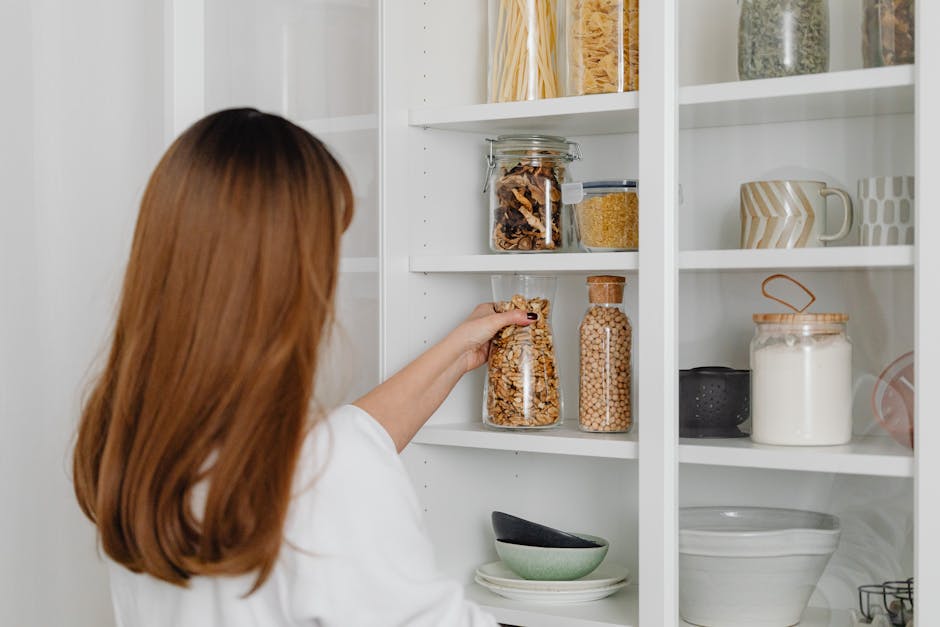
Storage bins keep items organized. They prevent clutter from spreading. Use transparent containers for easy visibility. Stack them neatly to maximize space. Choose containers that fit your shelves. This keeps everything in place.
Regularly Assess Your Shelves
Keep your kitchen organized by checking your shelves often. Remove items you don't use anymore. Rearrange items for better access. This helps maintain a clutter-free space. It ensures your kitchen remains functional and tidy.
Categorize Kitchen Items
Organizing kitchen shelves can transform your cooking space into a haven of efficiency and style. One of the most effective ways to achieve this is by categorizing kitchen items. This approach not only saves time but also keeps your kitchen looking tidy and inviting. Imagine opening your cabinets to find everything neatly arranged and easy to access. That's the magic of categorizing!
Group By Function
Start by grouping items based on their function. Keep all baking supplies in one area, and store pots and pans together. This way, when you're ready to bake cookies or whip up a stir-fry, you know exactly where to find the tools you need.
Consider using baskets or clear containers to keep smaller items grouped. Label them to avoid confusion later. It's a simple step that makes a big difference.
Ever spent time rummaging through a drawer for a whisk? Grouping by function eliminates those frustrating moments. You’ll spend less time searching and more time cooking.
Sort By Frequency Of Use
Think about how often you use each item. Place frequently used items like spices, oils, and utensils within easy reach. Less frequently used items can be stored higher up or further back.
This tactic not only saves time but also reduces clutter. For example, if you use a blender once a week, it doesn't need to occupy prime real estate on your countertop.
Ask yourself: Do you really need the cake stand at arm's length if you bake only occasionally? Sorting by frequency helps prioritize space for essentials.
Remember, organizing is a personal journey. What works for you may not work for others. Take the time to assess your habits and adjust your shelves accordingly.
Have you tried categorizing your kitchen items yet? It might be the game changer you’ve been looking for!
Optimal Shelf Placement
Organizing kitchen shelves can transform your cooking space. The placement of shelves matters greatly. It affects accessibility and efficiency. Proper shelf placement enhances your kitchen's functionality. It's essential to consider height and reach. This ensures everything is within easy access. Let's explore how to position your shelves optimally.
Height Considerations
Shelf height impacts usability. Too high shelves are hard to reach. Place shelves at eye level for easy access. This height suits most items and avoids strain. Consider the height of all users. Everyone should comfortably reach everyday items. Adjust shelf height based on user needs.
Accessibility And Reach
Accessibility is crucial in shelf placement. Items used often should be easily reachable. Place frequently used items on lower shelves. Reserve upper shelves for less used items. This organization reduces clutter and saves time. Ensure that shelves are not overcrowded. Leave space for easy retrieval.
Utilize Storage Solutions
Organizing kitchen shelves can be a game-changer for both functionality and aesthetics. A clutter-free space not only makes cooking more enjoyable but also helps you find what you need quickly. Utilizing storage solutions can transform your kitchen into a more efficient and pleasant environment.
Incorporate Bins And Baskets
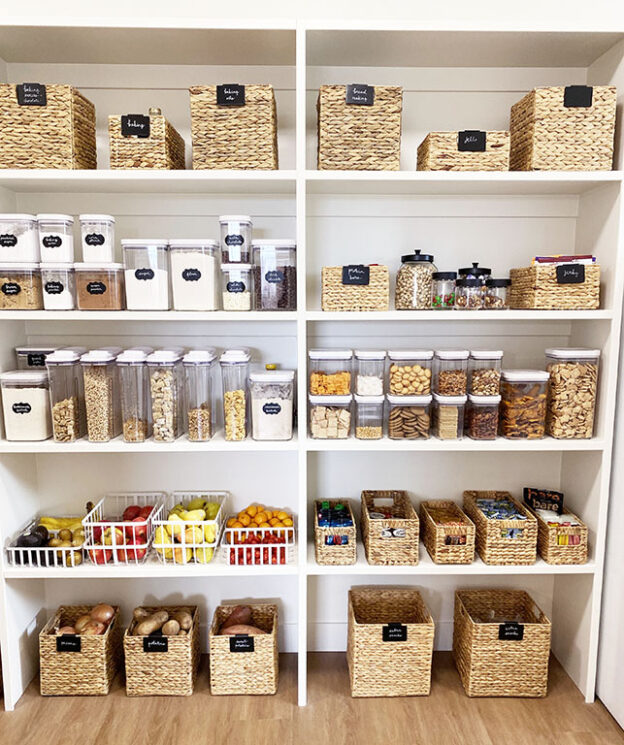
Bins and baskets can be your best friends in the kitchen. They are perfect for grouping similar items together, like snacks, baking supplies, or cleaning products. Imagine reaching for a basket labeled "snacks" and finding all your favorites in one place—no more digging through a chaotic shelf.
Clear bins are excellent for visibility. You can see what you have without opening each container. This can prevent you from buying duplicates of items you already own, saving you money and reducing waste.
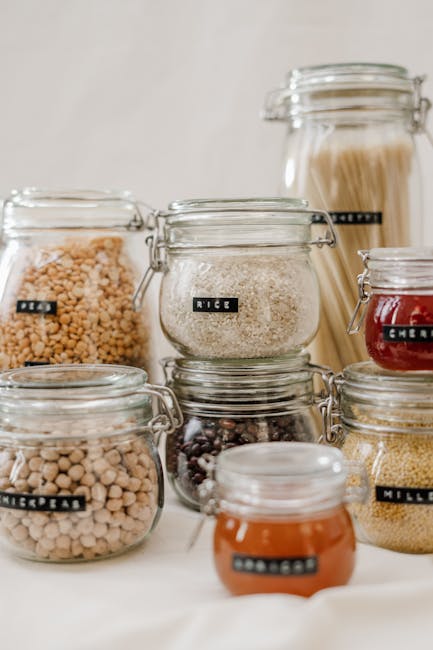
Labels are a simple addition that can make a huge difference. When everything has a designated spot, it becomes easier to maintain order. You'll thank yourself during those busy weekday mornings when you're trying to make breakfast in a hurry.
Use Stackable Containers
Stackable containers are a smart way to maximize vertical space. They allow you to store more in less space, making them ideal for smaller kitchens. With these containers, you can neatly stack everything from dry goods to leftovers.
Consider the size and shape of your shelves before buying. Opt for containers that fit snugly to avoid wasted space. You’ll be amazed at how much more you can fit when you use uniform containers.
Some containers even come with airtight lids, which keep food fresher for longer. This can be particularly useful for items like pasta, cereal, or flour. Have you ever noticed how much fresher your food stays when it's properly sealed?
Organizing your kitchen shelves doesn't have to be overwhelming. By using bins, baskets, and stackable containers, you can create a system that works for you. What storage solutions have you found most helpful in your kitchen?
Labeling For Easy Identification
Labeling shelves in your kitchen isn't just about aesthetics—it's about making your life easier. Imagine reaching for a spice mid-recipe and knowing exactly where it is. With effective labeling, you save time and reduce frustration. It's a simple step that can transform your culinary chaos into a streamlined haven. Let's dive into the art of labeling for easy identification.
Effective Labeling Techniques
Start with consistency. Use labels that are uniform in style and color to create a cohesive look. Consider waterproof labels if your kitchen gets steamy or if you’re prone to spills.
Think about visibility. Labels should be clear and easy to read from a distance. Opt for bold fonts and contrasting colors to ensure they stand out.
Personalize your labels. Use language that makes sense to you and your family. If you call it "sugar," don't label it "sucrose." You might even add fun, quirky names to bring a smile during meal prep.
Benefits Of Clear Labeling
Clear labeling simplifies cooking. You can focus more on your culinary creations and less on searching for ingredients. You might even find yourself experimenting with new recipes more often.
Labels help maintain organization. When everything has a designated spot, it's easier to return items to their rightful place. This keeps your kitchen tidy and efficient.
Consider this: how much time do you spend searching for that elusive spice or utensil? With clear labels, you can cut down on wasted time and frustration. Your kitchen becomes a space where you enjoy spending time, rather than a source of stress.
Have you ever labeled your shelves? If not, what’s stopping you from trying it out? The process is straightforward and the benefits are significant. Your kitchen could become your favorite room in the house.
Maximize Vertical Space
Optimize your kitchen by organizing shelves to maximize vertical space. Stack dishes, pots, and pans efficiently. Use shelf risers and hooks to create more storage. This keeps everything tidy and within reach.
Maximizing vertical space in the kitchen can transform your storage experience. Efficient use of vertical space helps keep your kitchen tidy and functional. It allows you to store more items without cluttering countertops. This makes your cooking area more spacious and accessible. Let’s explore some effective methods to make the most of vertical space in your kitchen.
Installing Additional Shelves
Adding shelves can significantly boost storage space. Consider floating shelves above your countertops. They offer a perfect spot for jars, spices, or small appliances. Wall-mounted shelves can hold cookbooks and decorative items. This keeps your kitchen organized and visually appealing. Adjustable shelves provide flexibility for different item heights. This means you can customize them for different storage needs.
Using Hooks And Racks
Hooks and racks maximize wall space efficiently. Install hooks under cabinets for mugs or utensils. This frees up drawer space for other essentials. Racks can hold pots and pans securely against the wall. This keeps them within easy reach and saves cabinet space. Magnetic racks for knives or spices are also useful. They keep your tools organized and easy to access. Hooks and racks offer a simple yet effective way to declutter.
Aesthetic Considerations
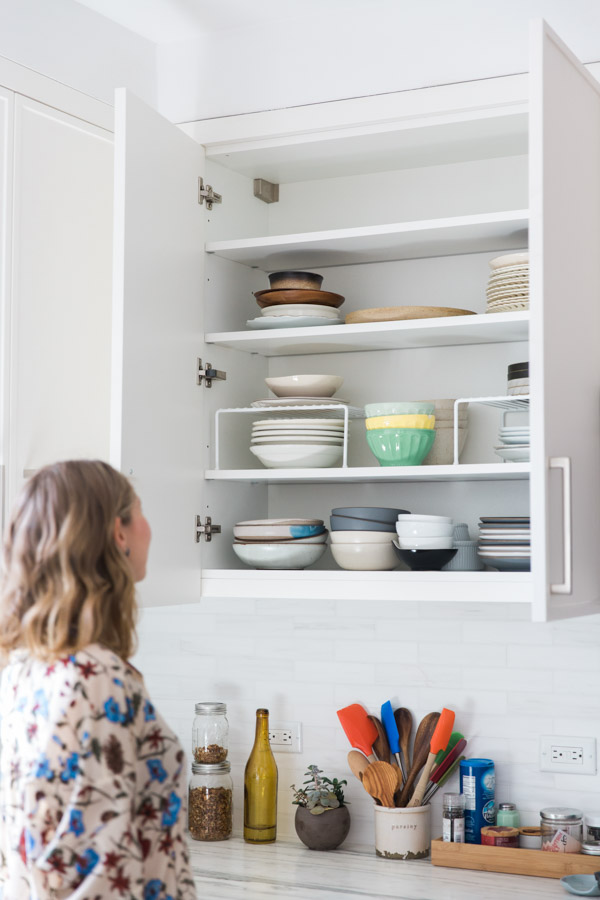
Creating a visually pleasing kitchen involves thoughtful shelf arrangement. Arrange items by color and size for harmony. Mix containers and decorative elements to balance function and style.
Organizing kitchen shelves isn't just about functionality; it's also about creating a space that is pleasing to the eye. Aesthetic considerations can transform your kitchen into a haven where you enjoy spending time. Let's explore how color coordination and decorative accents can elevate your kitchen's appearance.
Color Coordination
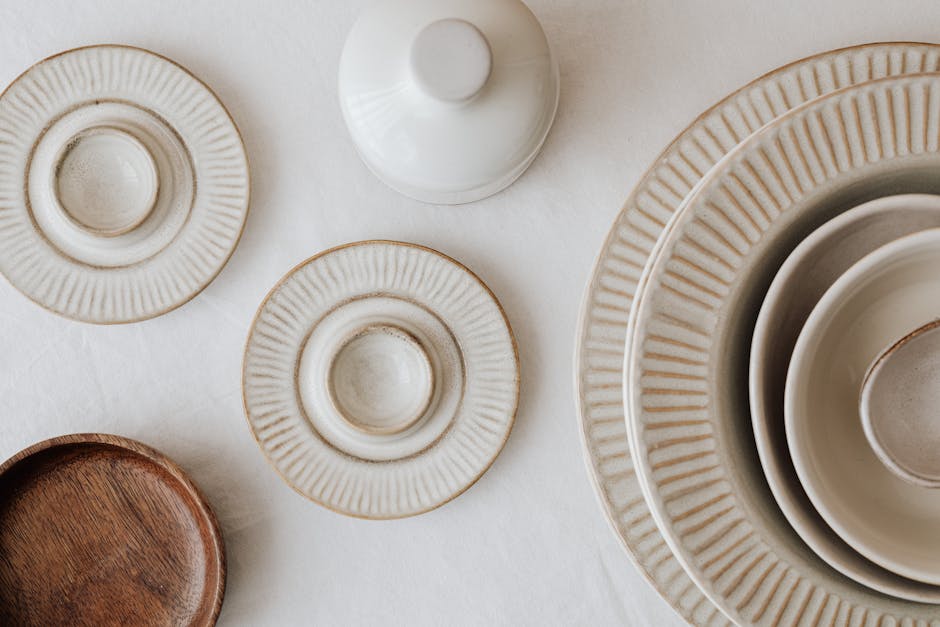
Choosing the right color scheme can make a world of difference. Have you ever noticed how certain colors can brighten up a room or make it feel cozy? Your kitchen shelves can benefit from this too. Consider coordinating your shelf items with the overall theme of your kitchen. If your kitchen has a minimalist vibe, go for neutral colors like whites, grays, or beiges for your dishes and containers. This creates harmony and a sense of peace. On the other hand, if your kitchen is lively and vibrant, use bold colors to make your shelves pop. Think reds, yellows, or blues. Imagine opening your cupboard to a burst of cheerful colors. It can truly uplift your mood!
Decorative Accents
Decorative accents are the cherry on top of your kitchen organization. They can add personality and charm to your shelves without compromising functionality. Have you thought about adding small plants or herbs? They not only look great but can also be handy for cooking. A small pot of basil or rosemary can be both decorative and functional. Consider using decorative jars or containers. Instead of plain plastic, opt for glass jars with interesting patterns or textures. They can house your spices or grains while adding a touch of elegance. How about displaying cookbooks or recipe cards? They can act as both a decorative element and an easy reference while cooking. Plus, they bring a personal touch to your kitchen space. Do you have any creative ideas for decorating your kitchen shelves? Embrace your style and make your kitchen truly yours!
Credit: feedmephoebe.com
Maintenance And Upkeep
Keeping your kitchen shelves organized requires regular maintenance and upkeep. This ensures everything stays in its place and clutter stays away. A well-maintained kitchen makes cooking more enjoyable and efficient. Here's how to keep your shelves tidy and clean.
Regular Cleaning Schedule
Set a specific day each week for cleaning your shelves. This habit keeps dust and dirt from accumulating. Use a damp cloth to wipe down the surfaces. Pay attention to the corners and edges where grime hides. A clean kitchen shelf makes a big difference in overall kitchen hygiene.
Remember to dry the shelves after cleaning. Moisture can damage wooden shelves and promote mold growth. Keeping them dry prevents these issues. Regular cleaning also helps maintain the appearance of your kitchen.
Periodic Reorganization
Reorganize your shelves every few months. This ensures everything remains accessible and visible. Start by removing all items from the shelves. Sort them into categories like spices, canned goods, and utensils. This helps identify items you no longer need or use.
Place frequently used items at eye level for easy access. Store heavy items on lower shelves to prevent accidents. Label containers and jars to quickly find what you need. This simple step saves time and reduces frustration while cooking.
Consider the flow of your kitchen tasks during reorganization. Group similar items together. This makes your kitchen more efficient. Regular reorganization keeps your kitchen functional and organized.
Credit: www.superhealthykids.com
Frequently Asked Questions
How Do I Categorize Items On Kitchen Shelves?
Organize items by category like spices, canned goods, or baking supplies. Group similar items together for easy access. Use clear containers or labels to identify each category. This helps keep your kitchen organized and ensures you can quickly find what you need.
What Is The Best Way To Use Vertical Space?
Maximize vertical space by using stackable shelves or tiered racks. Install hooks or magnetic strips for lightweight items. Utilize the back of cupboard doors for additional storage. This approach optimizes space and keeps your kitchen clutter-free.
How Can I Maintain Neat Kitchen Shelves?
Regularly declutter and clean shelves to maintain order. Return items to their designated spots after use. Use baskets or bins to contain smaller items. This routine ensures your kitchen stays tidy and functional, making cooking more enjoyable.
How Do I Make Shelves More Accessible?
Arrange frequently used items within easy reach. Use risers to create additional layers on shelves. Consider pull-out racks for deep cupboards. Accessibility enhances efficiency, reducing the time spent searching for essentials.
Conclusion
Organizing kitchen shelves can be simple and fun. Start small. Categorize items for easy access. Place frequently used items within reach. Use containers to group similar items together. Labels help identify contents quickly. Vertical space can store larger items. Adjust shelf height for better fit.
Keep countertops clear for cooking space. Regularly check for expired food. Donate unused items to free up space. A well-organized kitchen makes cooking enjoyable. Improve efficiency and save time every day. Enjoy your neat and tidy kitchen!