Are you tired of rummaging through a chaotic stack of trays every time you need one? Does the thought of organizing your kitchen trays seem overwhelming?
You're not alone. A cluttered kitchen can make cooking feel like a chore, but there's good news: organizing your trays can transform your kitchen into a more enjoyable and efficient space. Imagine reaching for a tray and finding it exactly where you expect it, without any hassle.
This guide will show you simple, practical steps to organize your trays, saving you time and reducing stress. Let's dive in and get your kitchen back in order. You'll be amazed at how a few small changes can make a big difference!
Credit: feedmephoebe.com
Assessing Kitchen Needs
Organizing trays in the kitchen can save time and reduce clutter. Place similar items together for quick access. Use vertical space efficiently by stacking trays and using dividers.
Organizing trays in your kitchen can transform clutter into order and make cooking more enjoyable. The key to effective organization is understanding your unique kitchen needs. Before diving into rearranging your trays, take a moment to assess what works best for your space and lifestyle.
Understanding Your Cooking Habits
Think about how you use your kitchen daily. Do you bake frequently, or is quick meal prep more your style? If you're a baking enthusiast, you might need easy access to multiple trays and baking sheets. But if you mostly cook on the stove, a couple of versatile trays might suffice. Understanding your cooking habits helps prioritize what trays should be most accessible.
Evaluating Your Kitchen Space
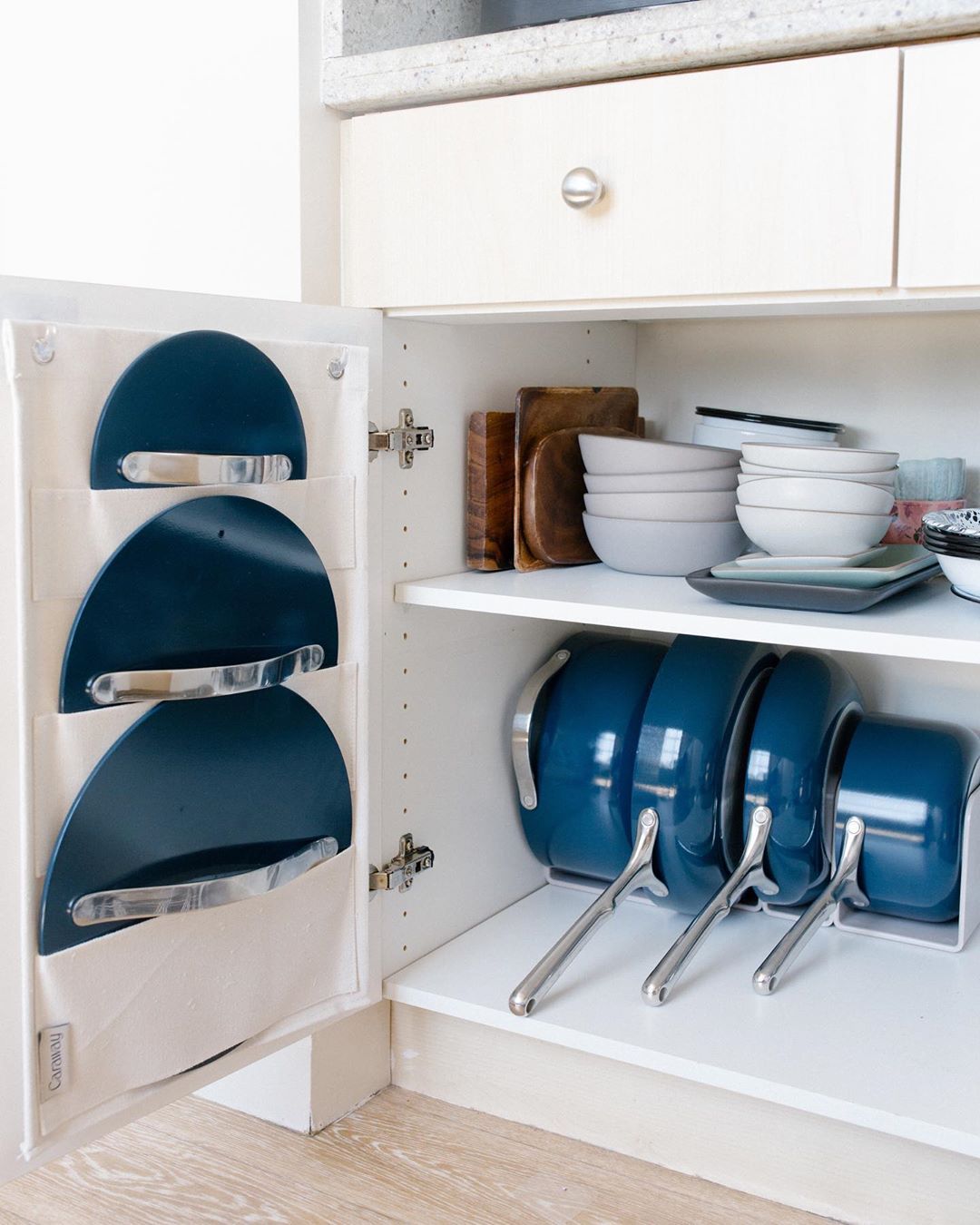
Space is a precious commodity in the kitchen. Take a look at your available storage options. Do you have deep drawers or just a few cabinets? If you're dealing with limited space, consider vertical storage solutions. Stacking trays upright can free up room and make them easier to grab when needed.
Inventory Of Existing Trays
It's time to take stock of what you currently have. Pull out all your trays and assess their condition and usefulness. Are there duplicates or trays you never use? Keep only what you need and love. This step not only saves space but also makes it easier to find what you need quickly.
Prioritizing Functionality Over Aesthetics
While a matching set of trays might look appealing, functionality should come first. Choose trays that serve multiple purposes. A sturdy baking sheet that doubles as a roasting pan is more valuable than a pretty but flimsy one. Consider your needs over aesthetics to optimize your kitchen efficiency.
Considering Future Purchases
Think about any trays you might want to add in the future. Are there specific types missing from your collection? Having a clear picture of your current inventory and needs prevents impulse buys that could clutter your kitchen further. Plan your purchases to ensure every new tray has a designated space.
Engaging With Your Kitchen's Flow
Picture yourself moving through your kitchen. Is the layout intuitive and efficient? The way you organize your trays should complement your kitchen's flow. If you constantly find yourself walking across the room to grab a tray, consider relocating it for easier access. A well-organized kitchen saves time and energy. Reflecting on these aspects can make organizing your kitchen trays a purposeful and rewarding task. What changes can you make today to enhance your cooking experience?

Credit: www.pinterest.com
Choosing The Right Trays
Selecting the right trays can simplify kitchen organization. Choose sizes that fit your cabinets and needs. Arrange them for easy access to frequently used items.
Choosing the right trays for your kitchen is crucial for maintaining order and functionality. A well-selected tray can transform your kitchen space, making it more efficient and visually appealing. But how do you make the best choice? It boils down to considering the material, size, and shape of the trays. Let's dive into these aspects to help you make an informed decision.
Material Considerations
When selecting kitchen trays, think about the material. Do you prefer the durability of stainless steel or the elegance of wood? Each material has its pros and cons. Stainless steel trays are robust and easy to clean. They are perfect for heavy-duty use but can be less visually appealing. Wooden trays, on the other hand, offer a warm and homely feel. They might require more care but add charm to your kitchen. Plastic trays are lightweight and affordable, great for everyday use. However, they might not withstand high temperatures. Consider your needs and the overall aesthetic of your kitchen before choosing.
Size And Shape Factors
Size matters when it comes to trays. A large tray can hold more items, but it might take up too much counter space. Smaller trays are compact and easier to manage but might limit your storage options. Think about where you will place the trays. If you have a spacious countertop, a larger tray might be ideal. For confined spaces, opt for smaller trays to maximize efficiency. Shape is equally important. Rectangular trays fit well in tight spaces and stack neatly. Circular trays can be more decorative and offer easy access to items. What shape best suits your kitchen's layout? Consider your current setup and how different tray shapes might impact it. Remember, the right tray can make your kitchen more organized and enjoyable to work in. So, choose wisely!
Categorizing Kitchen Items
Organizing kitchen trays can transform your cooking space. A well-organized kitchen enhances efficiency and tidiness. Categorizing items is a key step in this process. This helps locate things quickly and maintain order. It involves sorting items by usage and frequency. Let's explore these methods.
Grouping By Usage
Place similar items together for convenience. Cooking utensils should be near the stove. Baking tools belong in a separate tray. Grouping items by usage saves time. It streamlines your cooking process. It reduces stress during meal preparation. This method also reduces clutter.
Separating By Frequency
Identify items used often. Keep these in easy-to-reach trays. Less frequently used items can go in the back. This separation helps manage space effectively. It also speeds up daily tasks. Accessing frequently used items becomes effortless. This makes cooking more enjoyable.

Credit: www.ikea.com
Strategic Placement
Organizing trays in the kitchen requires strategic placement for efficiency. Thoughtful arrangement ensures ease of access and maximizes available space. It enhances the overall functionality of your kitchen. Let's explore some effective strategies for organizing trays.
Optimizing Counter Space
Keep trays you use daily on the counter for easy access. Use vertical racks or stands to stack them neatly. This saves space and keeps the counter tidy. Choose sleek designs that blend with your kitchen decor. This adds both function and style.
Utilizing Cabinets And Drawers
Store less-used trays in cabinets to free up counter space. Use organizers inside the cabinets to separate different types of trays. This prevents clutter and makes finding the right tray easier. In drawers, use dividers to keep trays from shifting. This keeps your kitchen organized and efficient.
Incorporating Accessibility
Organizing kitchen trays with accessibility in mind enhances ease of use. It ensures everyone can efficiently access kitchen essentials. Prioritizing accessibility is crucial for a functional kitchen space. Designing with accessibility can make daily tasks simpler for all users.
Elderly And Child-friendly Options
Consider tray placement for elderly or young family members. Place frequently used items within reach. Avoid high or low shelves which can be challenging. Use non-slip mats to prevent trays from sliding. These mats ensure safety and stability.
Color-coded trays can help children identify items easily. For the elderly, clear labels on trays reduce confusion. Use lightweight trays for easy handling by both groups. Accessibility makes the kitchen more welcoming and inclusive.
Streamlining Daily Tasks
Organize trays based on daily routines. Morning essentials like coffee and cereal should be together. Group lunch items like bread, spreads, and snacks in one tray. This setup speeds up meal preparation.
For cooking, keep spices and utensils on a single tray. This reduces time spent searching for items. Accessible organization leads to a more efficient kitchen workflow.
Accessibility in tray organization can transform kitchen experiences. It supports independence and ease in daily activities.
Maintaining Organization
Maintaining organization in your kitchen is key for efficiency and ease. A well-organized space ensures you find items quickly and keep the area tidy. Regular upkeep prevents clutter from accumulating, keeping your kitchen functional and inviting.
Routine Cleaning Practices
Frequent cleaning keeps trays free from grime and stains. Wipe down trays after each use to prevent build-up. Use a mild detergent and warm water for effective cleaning. Dry trays thoroughly to avoid moisture damage. A clean tray is more pleasant to use and easier to organize.
Regular Reassessment
Periodically evaluate your tray organization to ensure it meets your needs. Check if any trays are underutilized or misplaced. Adjust the arrangement based on your cooking habits and frequency of use. Reassessing helps maintain a logical and efficient setup in your kitchen. It also provides a chance to declutter and remove any unnecessary items.
Expert Tips And Tricks
Arranging trays efficiently in the kitchen enhances order and accessibility. Utilize stackable trays to save space, and label each tray for quick identification. Keep frequently used items in the front for easy reach.
Organizing trays in your kitchen can transform cluttered chaos into a streamlined, efficient space. From space-saving hacks to creative uses, these expert tips and tricks will help you make the most of your kitchen trays. Whether you're a culinary novice or a seasoned home chef, there's always room for improvement in how you organize your tools and ingredients. Imagine the satisfaction of effortlessly finding what you need, just when you need it.
Space-saving Hacks
Maximize your kitchen space with trays by stacking them vertically. By using a tray organizer or simple shelf dividers, you can store multiple trays in a compact space without compromising accessibility. Consider sliding trays into narrow gaps between cabinets or appliances. Use shallow trays to keep frequently used items on countertops without cluttering them. They can hold oil bottles, salt, and pepper shakers, or even your favorite cooking spoons. This keeps your essentials within arm's reach while maintaining a tidy look. Think about the last time you spent ages searching for a specific tray in a pile. By organizing them efficiently, you can save time and reduce frustration.
Creative Tray Uses
Trays aren't just for serving food; they can be used in unexpected ways. Use a decorative tray to create a stylish coffee station. Place your coffee maker, mugs, and sugar container on a tray to keep everything organized and easy to move. Trays can also serve as drawer organizers. Instead of buying expensive custom inserts, use small trays to separate utensils and gadgets. This is a cost-effective way to bring order to your drawers. Have you ever thought about using a tray as a mini herb garden? Place pots of your favorite herbs on a tray by the kitchen window. This not only adds greenery but also ensures fresh ingredients are always within reach. How do you currently use trays in your kitchen? Trying out these tips could change the way you approach your kitchen organization forever. Implement these space-saving hacks and creative uses to bring efficiency and style into your cooking space.
Frequently Asked Questions
How To Choose Kitchen Tray Sizes?
Selecting tray sizes depends on your kitchen's space and needs. Measure available space and consider storage items. Choose versatile trays that accommodate various kitchen tools and utensils. Opt for stackable designs to maximize storage efficiency. Prioritize durability and ease of cleaning for long-lasting use.
What Are Best Materials For Kitchen Trays?
The best materials for kitchen trays include stainless steel, plastic, and bamboo. Stainless steel is durable and easy to clean. Plastic trays are affordable and lightweight, perfect for everyday use. Bamboo trays offer an eco-friendly option with a natural look.
Choose materials based on your kitchen style.
How Do I Organize Trays Efficiently?
Efficient tray organization involves categorizing kitchen items by use and frequency. Group similar items together and place frequently used ones within easy reach. Use dividers to separate different categories and maintain order. Regularly assess and declutter trays to ensure optimal organization and functionality.
Can Trays Help Save Kitchen Space?
Yes, trays can effectively save kitchen space by organizing items neatly. They prevent clutter and make storage accessible. Stackable trays maximize vertical space, freeing up countertops and cabinets. Use trays to consolidate smaller items, creating a streamlined, tidy kitchen environment.
Conclusion
Organizing trays in your kitchen simplifies meal prep. Saves time too. Arrange trays by size and purpose. Keep frequently used ones accessible. Stack them neatly. Use dividers for better separation. Clean trays regularly to maintain hygiene. Label trays if needed.
Helps in quick identification. An organized kitchen tray system boosts efficiency. Reduces clutter, making cooking enjoyable. Remember, small changes create big differences. Start organizing today for a tidier kitchen tomorrow. Enjoy the benefits of a well-ordered space. Happy organizing!