Are you tired of rummaging through cluttered kitchen drawers and cabinets every time you're trying to cook a meal or find that elusive spatula? You're not alone.
An organized kitchen is more than just aesthetically pleasing; it's a game-changer for your daily routine. Imagine opening your drawer and immediately spotting your favorite utensils, or reaching into a cabinet and effortlessly grabbing that spice jar you need. Sounds dreamy, right?
Well, this dream can be your reality. By the end of this article, you'll discover simple yet effective strategies to transform your kitchen chaos into a well-ordered oasis. Get ready to reclaim your space and make cooking a joy, not a chore. Let's dive into the secrets of kitchen organization that will revolutionize the way you cook and entertain!
Declutter First
Start by removing unnecessary items from kitchen drawers and cabinets. Sort and categorize utensils and cookware. Use dividers and baskets to keep things tidy and accessible.
Decluttering is the cornerstone of organizing your kitchen drawers and cabinets. Before you start arranging pots and pans, it's vital to clear out the unnecessary items. A clutter-free space not only looks better but also functions more efficiently. Imagine cooking a meal without having to rummage through a pile of mismatched lids and expired spices. Sounds refreshing, right?
Assess Your Inventory
Take everything out of your cabinets and drawers. Lay it all out on a table or countertop. Seeing everything in one place helps you identify items you rarely use or didn't even know you had.
Sort And Categorize
Group similar items together. Place all your baking supplies in one pile, utensils in another, and so on. This step is crucial for understanding how much space each category needs.
Decide What To Keep
Ask yourself: When was the last time I used this? If you can't remember, it's probably time to say goodbye. Don't hold onto items just because they were gifts or you might need them someday.
Let Go Of Duplicates
Do you really need three spatulas? Keep only the best-quality or most frequently used items. Reducing duplicates frees up space and simplifies your kitchen routine.
Dispose Responsibly
Recycle, donate, or sell items in good condition. Old or broken items should be disposed of properly. Knowing your unwanted items will find a new home makes letting go easier.
Reflect On Your Needs
Now that you've decluttered, think about what you actually need in your kitchen. Maybe a new spice rack would help, or perhaps it's time for those stackable storage containers you've been eyeing. What would make your daily cooking experience smoother?
Enjoy The Clarity
Once you've decluttered, take a moment to enjoy the newfound space. Isn’t it amazing how a little decluttering can make your kitchen feel bigger and more inviting? You’ll find cooking more enjoyable, and who knows, it might even inspire you to try new recipes. How do you feel about decluttering now? Ready to tackle those drawers and cabinets?
Categorize Items
Organizing your kitchen drawers and cabinets can be a game-changer for your daily cooking routine. Imagine reaching for a spatula and knowing exactly where it is without rummaging through a cluttered drawer. The key to achieving this level of efficiency is categorizing your kitchen items. By grouping similar items together, you can streamline your cooking process and make your kitchen a more enjoyable space.
Cooking Utensils
Start by gathering all your cooking utensils. This includes spatulas, tongs, whisks, and ladles. Group them in one drawer or cabinet area for easy access. Consider using a utensil organizer to keep them neatly arranged. You might find that some utensils are rarely used. Ask yourself, do you really need that extra whisk? Decluttering can be as simple as identifying the essentials and parting ways with the rest.
Cutlery And Silverware
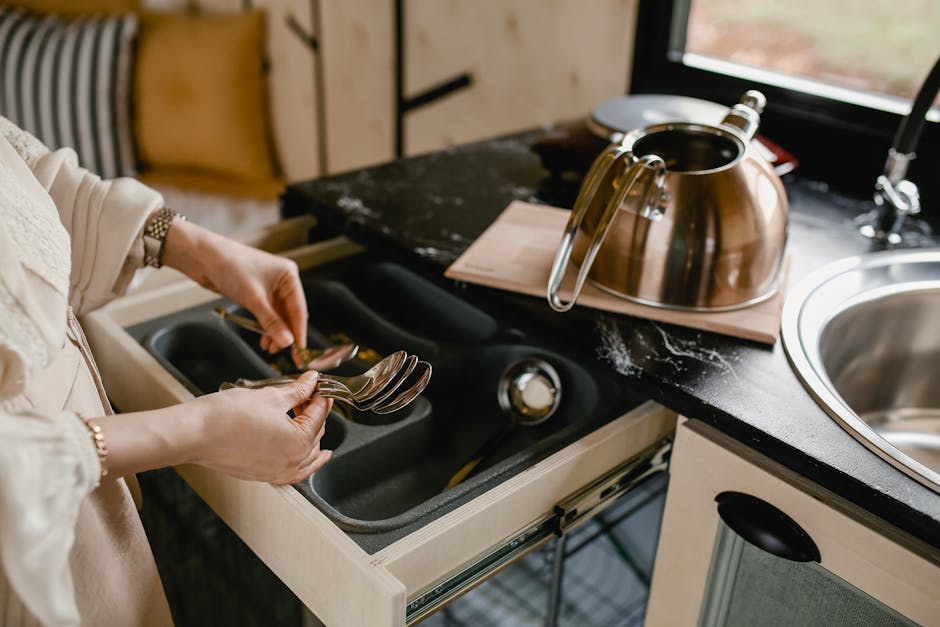
Cutlery and silverware deserve their own dedicated space. Use a tray with compartments to separate forks, knives, and spoons. This simple step prevents them from becoming a tangled mess. Think about the last time you hosted a dinner. Wouldn't it be nice to grab precisely what you need without hesitation? Keeping them organized can make setting the table a breeze.
Gadgets And Tools
Kitchen gadgets, from peelers to garlic presses, often end up scattered. Allocate a specific drawer or shelf for these items. Consider labeling sections to quickly spot what you need. Do you often find yourself digging for that apple slicer? Having a designated spot for gadgets can save you precious time.
Specialty Items
Specialty items like cookie cutters or meat thermometers may not see daily use, but they still deserve a spot. Store them in a less accessible area but keep them grouped together. Remember the last holiday baking session when you searched for that elusive turkey baster? Knowing exactly where specialty items are can ease preparation for special occasions.
Organizing your kitchen is not just about tidiness; it's about creating a space that works for you. What changes will you make to transform your kitchen into a more functional and enjoyable place?
Use Drawer Dividers
Organizing your kitchen drawers and cabinets can transform your culinary experience. A key strategy is using drawer dividers. These simple tools can bring order to chaos and make cooking more enjoyable. Have you ever struggled to find a specific utensil amid a cluttered drawer? Drawer dividers can solve this issue, ensuring each item has its designated space. They offer a practical solution, making it easier to maintain tidiness and efficiency in your kitchen.
Adjustable Organizers
Adjustable organizers are a game-changer for kitchen drawers. They adapt to your needs, allowing you to customize the space as your collection of kitchen tools evolves. Imagine being able to rearrange your dividers to fit new gadgets or accommodate seasonal baking supplies. You have the flexibility to change configurations without buying new organizers. This adaptability ensures your kitchen remains efficient and organized.
Diy Solutions
If you're feeling creative, DIY solutions can be a fun and cost-effective way to organize your kitchen drawers. Crafting your dividers using cardboard or wood can provide a customized fit for your unique needs. Picture using old shoe boxes or cereal boxes to create compartments for cutlery, spices, or even measuring cups. These DIY options allow you to personalize your storage, making it both functional and unique. Why not give it a try and see how it transforms your space?
Organizing your kitchen doesn’t have to be an overwhelming task. With drawer dividers, you can bring clarity to your culinary chaos. Whether you choose adjustable organizers or embark on a DIY project, you're taking a step towards a more efficient kitchen. What small change can you make today to improve your cooking space?
:max_bytes(150000):strip_icc()/164332510_920750955366251_1603726800530264061_n-7b01ff6fe05645d48c9396c1cbc74e23.jpg)
Credit: www.thespruce.com
Maximize Space
Organize your kitchen efficiently by sorting items by use and size. Use dividers in drawers for utensils. Stack similar items in cabinets to save space and find things easily.
Organizing your kitchen drawers and cabinets can feel like a daunting task, but maximizing space is key to creating an efficient and enjoyable cooking environment. When you optimize storage, you not only make room for all your kitchen essentials, but you also streamline your daily routine, making meal prep quicker and more enjoyable. Imagine being able to find every utensil and ingredient without rummaging through cluttered drawers or overstuffed cabinets.
Vertical Storage
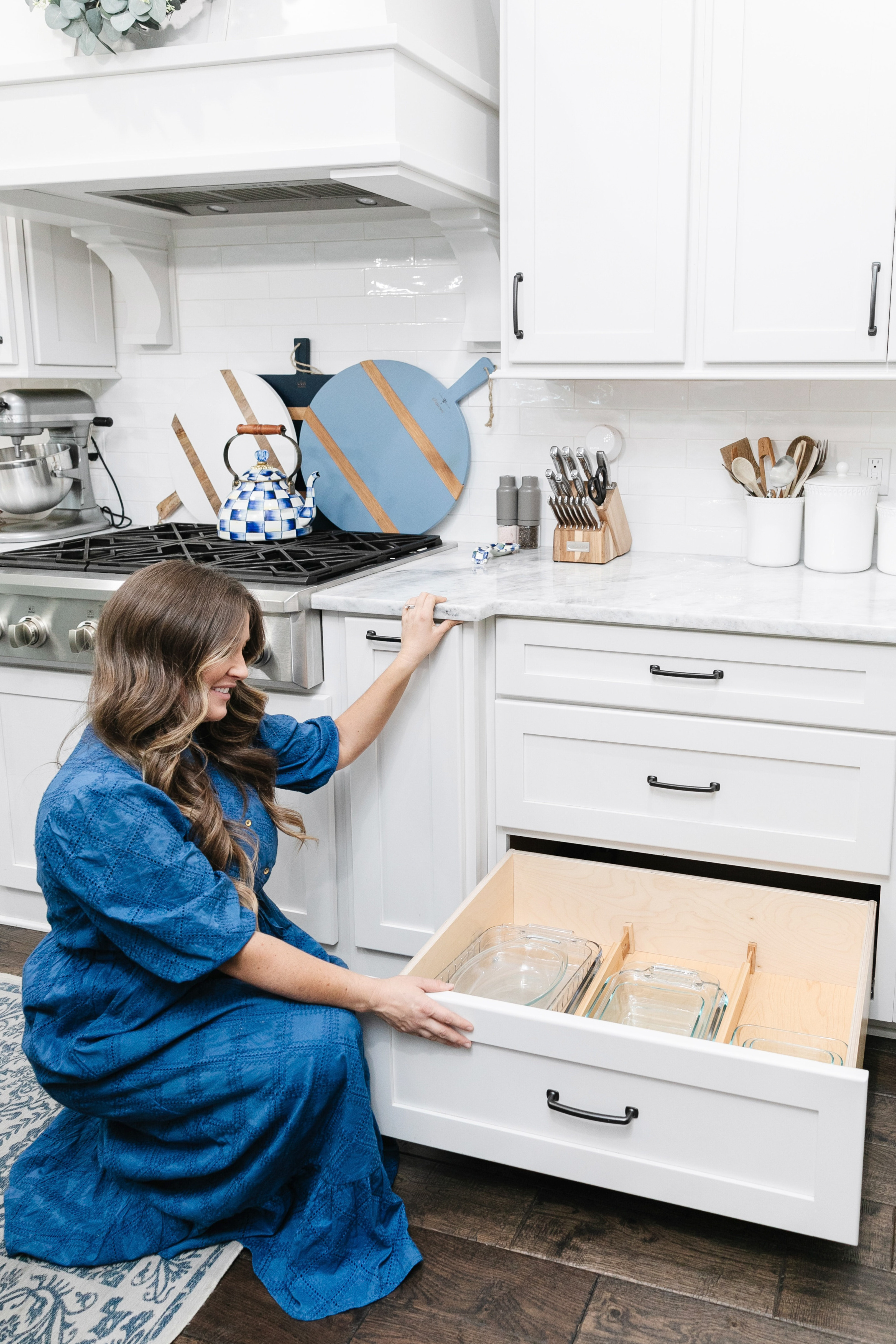
Don't overlook the vertical space in your kitchen. Utilize stackable shelves or risers to double the storage in your cabinets. This allows you to store items on top of one another without causing a mess. Consider adding hooks or pegboards inside cabinet doors to hang lightweight items like measuring cups or lids. It’s an effective way to free up drawer space. You can even mount magnetic strips on walls or cabinet sides for knives and metal utensils. This keeps them within arm's reach and leaves your drawers for other tools.
Nested Containers
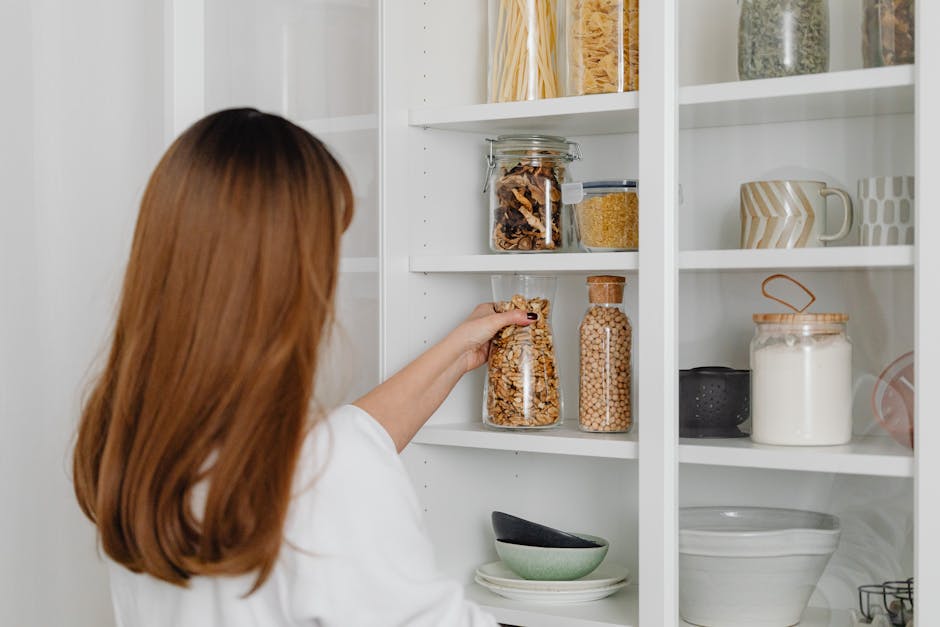
Nested containers are a game changer for organizing. Use stackable, nested containers for dry goods like flour, sugar, and pasta. They save space and keep your ingredients fresh. In my own kitchen, I found that nesting pots and pans, along with their lids, saved a significant amount of cabinet space. It’s like a puzzle—finding the right fit leads to more room for other items. Think about nesting smaller bowls within larger ones, or storing measuring cups inside mixing bowls. This method keeps everything compact and easy to find. Do you have a favorite nesting strategy that helps keep your space tidy? Maximizing space in your kitchen is about smart solutions and creative thinking. By incorporating vertical storage and nested containers, you can transform your kitchen from chaotic to calm. What will your first step be in reclaiming your kitchen space?
Prioritize Accessibility
Organizing your kitchen can transform your cooking space. Prioritizing accessibility ensures a smooth workflow. Quick access to items saves time and effort. Begin by assessing your kitchen's layout and frequency of use. Grouping similar items together is key. Think about what you use daily and what you need occasionally.
Everyday Essentials
Place frequently used items within easy reach. Cooking utensils, cutting boards, and knives should be near the stove. Position pots and pans in lower cabinets for quick access. Keep spices and oils near the cooking area. This setup speeds up meal prep. Store plates and bowls in upper cabinets, close to the dishwasher.
Occasional Use Items
Store less frequently used items in less accessible areas. Holiday dishes and special cookware can go in upper cabinets. Place baking tools, like rolling pins, in drawers farther from the stove. Consider storing bulk items and extra supplies in a pantry or basement. This keeps your main workspace clutter-free.
Labeling System
Organizing your kitchen can be a rewarding task. A good labeling system helps keep everything in its place. It makes your kitchen more functional and efficient. With labels, you know where every item belongs. This reduces time spent searching for things. Let's explore two effective labeling methods.
Clear Labels
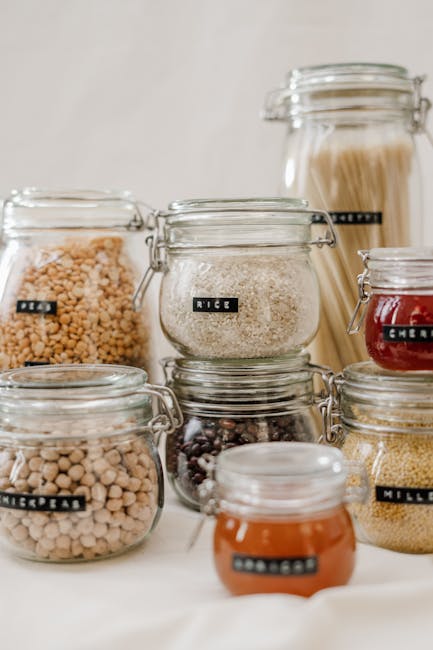
Clear labels are simple and effective. They allow you to see items at a glance. Use a bold, readable font. This makes it easy to identify items quickly. You can print labels or write them by hand. Choose what fits your style and budget.
Place labels on the front or top of containers. This ensures they are visible even when stacked. Clear labels work well on jars, bins, and boxes. They keep your kitchen looking neat and organized.
Color Coding
Color coding adds a visual element to your labeling. Assign colors to different categories. For example, use blue for baking supplies. Red for spices. This helps you find items faster.
Use colored stickers or markers for labeling. This method is especially useful for kids or non-readers. Color coding can make your kitchen more vibrant and lively. It's a creative way to stay organized.
Maintenance Tips
Keep your kitchen drawers tidy by grouping similar items together. Use dividers to separate utensils and gadgets. Store frequently used items in accessible spots for easy access.
Keeping your kitchen drawers and cabinets organized isn't a one-time task. It requires ongoing attention to maintain that order. Think of it like a garden – without regular care, weeds can quickly take over. With the right maintenance tips, you can keep your kitchen in tip-top shape, making meal prep a breeze and saving you time in the long run.
Regular Cleaning
Regular cleaning is essential to prevent clutter from creeping back in. Make it a habit to wipe down surfaces weekly. Use a gentle cleaner to remove crumbs and spills from drawers and cabinets. While you're at it, check for expired food items or broken utensils that can be tossed or recycled. A personal tip: Keep a small handheld vacuum nearby to quickly suck up any dust or debris. You’d be surprised how much easier it makes your cleaning routine.
Seasonal Reassessment
Seasonal reassessment is a great way to keep your kitchen organized throughout the year. Each season, take time to evaluate the tools and items you frequently use. Consider whether certain gadgets are worth the space they occupy, especially those you haven’t used in months. This is a great opportunity to donate or store away items that are not in season. Ask yourself: Do you really need that ice cream maker out in December? Store away seasonal items until you need them again, freeing up valuable space. Keeping your kitchen drawers and cabinets organized with regular maintenance not only keeps things tidy but also elevates your cooking experience. What small changes can you start making today to transform your kitchen space?

Credit: theplanbylaurentruslow.com
Credit: walkinginmemphisinhighheels.com
Frequently Asked Questions
How Do I Start Organizing My Kitchen Drawers?
Begin by emptying all drawers and sorting items by category. Discard or donate unused items. Use drawer organizers to separate utensils and tools. Label sections for easy identification. Regularly review and maintain the organization system to ensure efficiency.
What Are The Best Tools For Drawer Organization?
Drawer dividers, adjustable organizers, and utensil trays are essential tools. They help maximize space and keep items neatly arranged. Choose durable materials and customizable sizes for flexibility. Consider non-slip liners to prevent items from shifting.
How Can I Organize Kitchen Cabinets Effectively?
Start by removing everything and grouping similar items. Use stackable shelves, lazy Susans, and bins for better visibility and access. Store frequently used items at eye level. Label shelves for easy identification and maintenance.
How Do I Keep My Kitchen Organized Long-term?
Implement a regular cleaning schedule to maintain order. Reassess and adjust the organization system as needed. Encourage household members to follow the system. Regularly declutter and donate unused items to prevent overcrowding.
Conclusion
Organizing your kitchen drawers and cabinets brings peace and efficiency. A tidy kitchen saves time and reduces stress. Sort items by frequency of use. Keep essentials within easy reach. Use dividers to separate utensils. Label containers for quick identification. Regularly declutter to maintain order.
Invest in organizers that fit your space. A well-organized kitchen enhances daily cooking experiences. Enjoy a clutter-free cooking environment. With these simple steps, you can create a functional kitchen. Make it a place you love to work in. Start organizing today for a more enjoyable kitchen tomorrow.